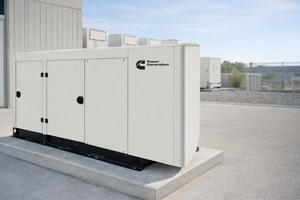
This guide helps you size loads, choose the right configuration (single‑phase vs. three‑phase), plan wiring and transfer switching, and consider maintenance, safety, and current best practices, including practical references like the 14kw/817 generac 240v 1ph no t/sw unit.
For PES Supply, the goal is to help contractors, homeowners, and installers design turnkey solar and standby power solutions with fast nationwide delivery from 12+ distribution hubs, backed by 3,800+ SKUs and a partner network. You’ll find practical steps, current industry trends (remote monitoring, emissions standards, noise control, grid interconnection), and safety guidance you can apply on real jobs today.
Key electrical concepts: kW, kVA, PF, and amps
Relationship among kilowatts, kilovolt-amperes, power factor, and current
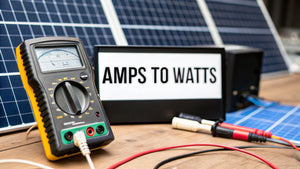
In practical terms, a 10 kW generator at PF 0.8 will deliver roughly 12.5 kVA, and the resulting current varies with voltage and phase configuration, which you can estimate by looking at how many amps will 10kw.
Single-phase vs. three-phase changes how amps are distributed. In a single-phase 240 V setup, the current is typically drawn from two legs, and each leg carries roughly half of the line current. In a 208 V three-phase system, line currents are distributed across three phases, which can improve balance and reduce neutral load when loads are evenly shared. Startup surges—especially on motor loads—can temporarily exceed running current, so you size for both continuous load and peak demand.
“Treat a 10 kW standby system as a continuous workhorse, not a momentary peak. Plan for diversity, balanced loads, and a healthy margin for startup surges.” — PES Supply Expert
Amps for a 10 kW generator at common voltages
Single-phase and split-phase 240 V configurations
For a typical 10 kW generator with PF around 0.8 (≈12.5 kVA), you’re looking at about 41.7 A of line current at 240 V in a single-phase setup. If you’re wiring a residential panel as a 240 V split-phase, this amperage translates to roughly 41.7 A per leg when the load is evenly balanced across the two hot legs. Real-world numbers vary with how evenly you balance circuits and the exact PF of each connected load. This is a common target for feeder and branch-circuit design in many homes and small shops.
Keep in mind that actual loads rarely sit at a perfect 0.8 PF across all circuits. Start-up transients for motors and compressors can temporarily spike current well above this nominal number, which is why margin and proper protection are essential.
Three-phase configurations: 208 V and 480 V options
In a 208 V three-phase system, the line current for a 10 kW, PF ~0.8 unit is typically around 36 A per line when loads are balanced. At 480 V three-phase, the same generator may draw roughly 15 A per line, dramatically reducing current in each conductor and potentially simplifying wiring for larger facilities that require distribution across multiple panels. Remember, these are typical operating values; actual amps depend on the exact rating, load balance, efficiency, and whether you’re considering continuous versus surge ratings.
Load sizing methodology
Essential-load list and diversity factors
Start by listing essential loads that must operate during an outage: lighting, refrigeration, communications, essential medical or security systems, and basic climate control controls. Next, apply a diversity factor—recognizing that not all devices run at full power simultaneously. For example, a refrigerator compressor may cycle on and off, HVAC control circuits are intermittent, and lighting usage typically shows daily patterns. The goal is to determine a continuous demand you can reliably sustain without hitting the generator’s peak capacity. Document your assumptions so they’re repeatable as loads change.
Problem-solving tip: build a worksheet that captures load name, wattage, voltage, and whether the device is continuous, intermittent, or surge-rated. This makes it easier to reassess as you add equipment or as energy usage evolves with renovations or expansions.
Motor starting surges and a practical buffer
Motors such as well pumps, air handlers, and refrigeration compressors can demand several times their running current at start-up. Expect surges to push the generator momentarily above the steady-state rating—often 2–3x for brief seconds. Design with a buffer: reserve a portion of the generator capacity to handle these surges without shutting down or tripping breakers. A common rule of thumb is to size for 120–150% of the continuous load when heavy motor loads are present, then validate with a professional calculation that accounts for local codes and real-world usage.
Single-phase vs three-phase configurations

Residential standby gensets and balanced vs. unbalanced loads
Most residential standby generators are single-phase 240 V split-phase, which is well-suited for typical home panels and most common loads. Three-phase configurations exist for larger homes, small offices, or shop environments with balanced multi-circuit loads. A properly balanced three-phase system reduces neutral current, improves generator efficiency, and provides smoother operation for multiple simultaneous circuits. When planning, verify with your panel manufacturer and the generator manufacturer whether a three-phase option better fits your expected load profile.
When planning wiring, consider how circuits couple to the transfer-switch and whether a single ATS can service all essential loads or if a subpanel arrangement makes sense. In some regions, three-phase installations also influence insulation, fittings, and fault protection requirements.
Implications for panel, transfer switch, and protection
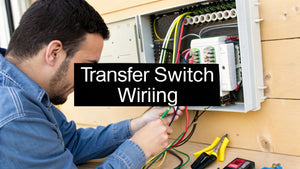
Whichever configuration you choose, ensure the transfer switch and panel are sized to handle the calculated continuous current plus surge margins. A properly specified transfer switch isolates the generator from the grid, avoids backfeeding, and ensures safe re-connection when utility power returns. If you’re retrofitting an ATS in an older home, interlock kits can provide a cost-effective retrofit where a full automatic transfer switch isn’t feasible, but they demand careful sequencing and professional installation to prevent backfeed and backflow into the main panel.
Wiring, breakers, and code basics
Conductor sizing, run length, and NEC alignment
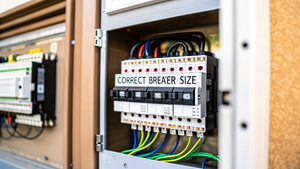
Match conductor size to the current, length of run, ambient temperature, and whether the conductors are in conduit or exposed. NEC ampacity tables, along with manufacturer limits for the generator and transfer switch, guide the choice of wire gauge and protective devices. Oversizing versus undersizing can impact voltage drop, heating, and safety. Always run feeders with appropriate conduit, soil or rafters to minimize exposure, and maintain proper clearance from combustibles and building openings. Local amendments can add extra requirements, so consult your authority having jurisdiction during planning.
Automatic transfer switches, interlocks, and grounding
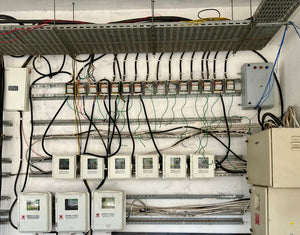
An automatic transfer switch (ATS) transfers the load from grid to generator automatically during a power outage. An interlock kit provides a non-ATS retrofit option that prevents backfeed by mechanically locking the main breaker when the generator power is in use. Grounding and bonding practices must comply with NEC/UL standards and local amendments, with proper grounding electrodes and a solid equipment grounding conductor to ensure safety and fault protection. Inspections are standard practice after installation to confirm correct wiring, clearances, and testing.
Transfer switches, interlocks, and monitoring
Automatic transfer switches and practical use
ATS systems are designed to sense when utility power is lost and promptly switch to generator power, typically within seconds. A well‑designed ATS also coordinates with the generator’s start cycle, prevents backfeeding, and minimizes disruption to sensitive electronics. Ensure the ATS rating matches the calculated continuous load with the surge margin and that the switch is listed for the generator model you’re using. A properly sized ATS is central to reliable, safe operation.
Monitoring, alerts, and remote management
Smart monitoring options, whether via Wi‑Fi or cellular connections, bring real-time status, fuel level, and maintenance reminders to your phone or job site tablet. Remote monitoring helps contractors and homeowners detect fuel depletion, overheating, or system faults before they become emergencies. When selecting a system, prioritize open‑protocol compatibility and a clear alerting strategy (text, email, and app notifications) so you can respond quickly from anywhere.
Fuel types, efficiency, and long-term considerations
Diesel, natural gas, and propane: pros and cons
Diesel offers high energy density and robustness but requires on-site fueling and regular maintenance. Natural gas and propane simplify on-site storage, with readily available fuel lines in many residential neighborhoods, but fuel cost and efficiency can vary with supply and demand. For grid-interactive or hybrid setups, natural gas or propane may integrate more smoothly with a home’s existing gas utility, while diesel remains a strong choice where fuel accessibility is uncertain or for farms and remote sites.
Efficiency, emissions, and long-term planning
Modern 10 kW units often emphasize cleaner emissions (EPA Tier 4 and CARB-compliant models in California). Higher efficiency reduces fuel consumption and running costs over the unit’s life. Consider compliance with local emissions regulations, maintenance intervals, and any incentives or restrictions that apply to your area. If you’re pursuing a greener resilience strategy, explore hybrid options that couple a 10 kW generator with solar and battery storage to reduce fuel usage during peak periods.
Emissions, noise, and trends
Regulatory and environmental trends
Ambient emission standards, especially in California and other regions, increasingly require cleaner engines and certified emissions control. EPA Tier 4 Final and state CARB-compliant engines are common targets for newer 10 kW units. Staying compliant helps with permitting, insurance, and resale value. Trends in microgrids and grid-interactive standby systems are reshaping how generators are integrated with the grid, enabling smarter, more resilient backup strategies.
Noise considerations and enclosure design
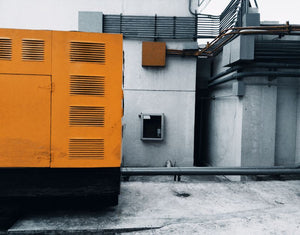
Residential standby units commonly target noise levels in the 60–70 dBA range at typical listening distances. Enclosures, weather protection, and strategic placement (away from living spaces, doors, and windows) can significantly reduce perceived noise. Packaging innovations, such as insulated housings and quiet‑rated mufflers, are becoming standard in newer models, improving comfort on properties with nearby neighbors or constrained outdoor spaces.
Installation planning and safety
Site selection, ventilation, and weather-proofing
Choose a site with adequate ventilation, protection from the elements, and a solid concrete or compacted pad. Ensure clearances from structures and combustibles, and plan for weatherproofing, drainage, and wind considerations. A well‑located unit reduces CO exposure risk, enhances performance, and simplifies maintenance. Always respect local setback requirements and manufacturer clearance recommendations to minimize fire hazards and fuel exposure.
Permits, inspections, and qualified installation
Installations should be performed by a licensed electrician or an authorized installer. Permitting typically covers electrical work, transfer-switch installation, and any required interconnection approvals. Inspectors verify proper grounding, wiring, clearances, and safe exhaust routing. Working with a national supplier like PES Supply helps you access qualified installation partners, standardized documentation, and nationwide support.
Maintenance and safety
Maintenance scheduling and proactive care
Follow the generator manufacturer's maintenance schedule for oil changes, air and fuel filters, battery health, coolant levels, and fuel system upkeep. Periodic load testing, when safe, helps confirm that the unit can sustain its rated output and reveals faults before a real outage. Keep spare parts, fluids, and a maintenance log on hand, and use remote monitoring when available to receive proactive alerts between service visits.
Safety practices and risk mitigation
Safety essentials include proper fuel handling, carbon monoxide detection, ventilation, and adherence to all safety guidelines during operation. Never operate a generator in an enclosed space; ensure clear exhaust paths, and install CO detectors in living areas. Training for users—especially homeowners and on-site technicians—reduces the risk of improper operation and improves resilience during outages.
Regulatory landscape and standards updates
NEC updates and interconnection rules
Stay current with the latest NEC editions and local amendments, which influence standby installations, ATS sizing, and interconnection with the grid. The 2023 and 2026 NEC cycles have introduced clarifications around equipment grounding, service disconnects, and backfeed protection. Regularly verify requirements with your local authority having jurisdiction to avoid compliance gaps during inspections.
Permitting, interconnection, and evolving trends
Interconnection requirements vary by jurisdiction and may involve utility approval, system labeling, and safety testing. Emerging trends include microgrids and grid-interactive systems that can participate in demand response or provide ancillary services. For contractors and installers, maintaining up-to-date knowledge of local incentives, incentives, and permitting processes ensures smoother project delivery and faster nationwide deployment.
Practical sizing scenarios
Residential sizing walkthrough
Imagine a typical home with two refrigerators, a sump pump, lighting, a small heat pump, a water heater, and essential outlets. Start by listing each device’s wattage, then apply diversity; assume the heat pump and water heater are not both running at full power simultaneously. Allocate 70–80% of your 10 kW rating to continuous loads, and reserve the rest for motor startups. If you find the calculated continuous load plus surges approaching the generator’s capacity, consider adding solar support or a battery system to share the load or upgrade to a higher-capacity unit.
Small business or workshop scenario
For a workshop with lighting, HVAC controls, a small air compressor, and security systems, you’ll likely see more ongoing motor loads. In this case, you may need a larger continuous margin or a three‑phase option to distribute load across phases. A well‑designed plan allocates critical tools to two or three circuits on a subpanel, with the ATS harnessing the full 10 kW capacity when required and leaving headroom for start-up spikes.
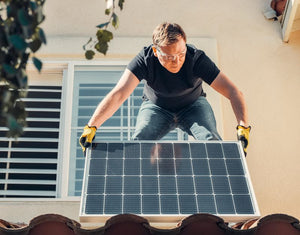
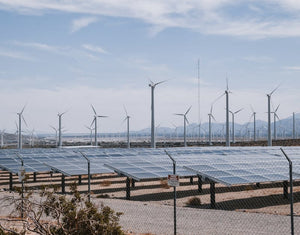
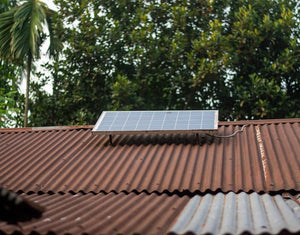
Hybrid possibilities: pairing a 10 kW generator with solar or battery storage can dramatically increase resilience and reduce fuel use during daylight hours, especially in regions with strong solar resources and favorable incentives.
FAQ and pitfalls
Common sizing pitfalls to avoid
Avoid undersizing by ignoring startup surges, motor loads, and distribution margins. Don’t overlook the importance of a correctly sized transfer switch or misjudging wire sizes and run lengths. Verify that the chosen model can handle both continuous load and peak demand, and ensure balancing of loads across phases to minimize neutral current.
Maintenance cadence and where to get help
Develop a regular maintenance cadence aligned with manufacturer recommendations, including oil and filter changes, battery checks, and fuel system maintenance. Use your distributor’s support network and installation partners to obtain professional help for sizing, wiring, and permitting. When you’re unsure, consult a qualified electrician or a generator specialist to validate calculations and ensure code compliance and safe operation.
Power your next project with confidence by visiting PES Supply, a nationwide electrical supply distributor and installer partner offering premium Tier 1 solar panels, standby generators, and related electrical equipment. They provide turnkey solar solutions, live support, and fast nationwide delivery from 12+ distribution hubs, serving contractors, installers, and homeowners with 3,800+ in-stock SKUs and a network of 8,500+ solution providers. Click now to unlock faster sourcing, expert guidance, and reliable nationwide delivery—learn more today and power up your success.
Related Resources:
- Best Solar Panels 2026 — Buyer's Guide
- EG4 vs Tesla Powerwall
- Qcells vs Trina vs JA
- Solar Inverter Buyer's Guide
- Solar Battery Buyer's Guide
- 5kW Solar Kit
- 10kW Solar + Battery Kit
- Off-Grid Cabin Kit
- EG4 Batteries
- Qcells Solar Panels
- Trina Solar
- JA Solar
- REC Solar
- Mission Solar
- Sol-Ark Inverters
- SolarEdge Inverters
- Generac PWRcell
Calculate how much storage you need with our battery sizing calculator.
Check solar incentives available in your state.
Use our free solar system calculator to size your array.
Check out our Solar Panel Comparison Tool. Check out our Inverter Sizing Calculator.
Calculate your solar payback and 25-year savings with our Solar ROI Calculator. Follow our complete DIY solar installation guide for step-by-step instructions. Keep your system running at peak performance with our Solar Maintenance Guide.
Related Resources
- Solar System Calculator
- Battery Sizing Calculator
- Solar Panel Comparison Tool
- Inverter Sizing Calculator
- Solar ROI Calculator
- Solar Installation Guide
- Solar Maintenance Guide
- Solar Permitting Guide
- Battery Installation Guide
- NEC Code Compliance Guide
- Solar Panel Mounting Guide
- Grounding & Bonding Guide
- Solar Incentives by State
- Pro Account — Wholesale Pricing
- PowerLink Network — Contractor Program