Introduction to the 35 kW Generator
The briggs & stratton 35 units are a practical mid-range option that balances capacity, cost, and complexity for both residential backup and small commercial power needs.
PES Supply stands behind you with a nationwide footprint and a robust catalog that includes premium Tier 1 solar panels, standby generators, and a wide range of electrical equipment. Our 12 plus distribution hubs and 3 800 plus in stock SKUs enable turnkey projects with fast nationwide delivery and professional support for contractors, installers, and homeowners alike.
Industry insight: 35 kW systems deliver dependable standby capability while maintaining flexibility for load variations and future expansion.
Understanding 35 kW: System Types (Portable vs Stationary)
Stationary (standby) generators
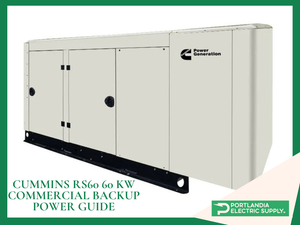
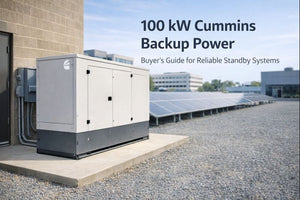
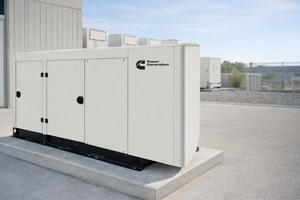
Stationary standby generators, such as the briggs & stratton 076830 liquid cooled 35kw fortress lpv/ng standby generator, are fixed installations connected to the building electrical system through an automatic transfer switch.
Installation considerations include proper siting for cooling, compliance with local noise restrictions, exhaust routing, and a reliable on site fuel supply plan. A professional installation ensures code compliant integration, easy access for routine maintenance, and strong service support from a nationwide network such as our partner ecosystem.
Portable (or trailer-mounted) units
For higher-capacity, portable backup power, a 35kw generac liquid propane generator can provide reliable power on temporary job sites or seasonal loads.
Note that portable setups usually demand more on site coordination and must still meet safety and code requirements. Our network supports portable solutions with guidance on proper mounting, tie ins to the electrical system, and safe fueling practices to minimize downtime and risk.
Fuel options: Diesel, Natural Gas, and Propane
Diesel
Diesel powered 35 kW units are renowned for durability and long service life in frequent use scenarios. They often deliver strong surge capability, robust cold weather performance, and mature fuel infrastructure. Diesel engines are well suited to commercial standby roles and heavy load profiles. On site, diesel storage must be managed with proper containment and ventilation, and diesel systems commonly meet stringent emissions standards with suitable aftertreatment where required.
When planning a diesel installation, evaluate fuel availability, storage capacity, and long term cost of fuel relative to your load profile. For remote locations or grid uncertain areas, a diesel backed system reduces risk of fuel supply interruptions during extended outages.
Natural Gas
Natural gas offers convenient on site fuel access through a utility line and can provide clean operation with typically lower emissions than diesel. A 35 kW natural gas generator can be attractive for homes with a gas line already in place or for commercial sites that want to avoid large fuel storage on site. Energy content and pressure stability can influence runtime and maximum output, so ensure the fuel supply line and regulator are properly sized and maintained.
Gas fueled units can simplify installation in many urban and suburban locations, but be mindful of potential gas outages affecting uptime. Dual fuel or natural gas configurations can increase flexibility, though performance should be validated under your typical operating conditions.
Propane
Propane provides clean, stable storage and is widely available in many markets, making it a practical option where natural gas is not present. Propane engines often start reliably in cold weather and can be installed without a gas line, using on site storage. However, propane has a lower energy density than diesel or natural gas, so you may need larger tanks or more frequent refueling to maintain runtime for longer outages. Proper fuel line routing and regulators are essential for consistent performance, especially for continuous or parallel operation.
When selecting propane, balance tank size and maintenance requirements with your anticipated load profile and run time. Our advisory services help you evaluate tank sizing, refueling plans, and safety considerations to optimize uptime and cost of ownership.
Prime vs Standby Ratings and How to Apply Load

Prime vs Standby
Prime rating applies to continuous or variable loads with unlimited running time within the agreed limits. Standby rating is designed for occasional outages with higher surge capability and a finite annual usage allowance. In practice, you use prime when the system runs many hours per year with shifting loads, while standby is well suited for emergency outages with automatic transfer and minimal human intervention. Start by determining your peak and average loads, applying a diversity factor across circuits to avoid over sizing unnecessarily.
For larger or more complex installations, plan for thorough electrical integration with the main service panel and consider paralleling options to balance loads and ensure stable operation during outages. An experienced installer can help you map load priority, ladder loads, and sequencing to maintain critical functions while controlling fuel use.
Efficiency and Load Management
Efficiency and Load Management
Efficiency varies with the load level. In general, natural gas and propane systems can demonstrate strong efficiency at mid range load, while diesel engines may show favorable efficiency at moderate to higher loads. The typical sweet spot is a range around 60 to 80 percent of the generator nameplate, where fuel consumption per kilowatt hour is often optimized and wear patterns are favorable for longer life. Operating at very low loads can increase emissions per unit of energy and promote incomplete combustion issues, while sustained maximum loading may raise maintenance needs and reduce long term durability.
To forecast operating costs, consult manufacturer data on heat rate and fuel curves for your chosen fuel. Account for ambient conditions, altitude, and maintenance status, all of which influence real world efficiency. A careful loading strategy aligned with actual demand supports lower fuel costs and longer system life.
Emissions, Compliance and Environmental Considerations
Emissions, Compliance and Environmental Considerations
Emissions standards differ by region. In the United States, diesel engines used for standby power typically align with applicable federal and state rules, and many projects require certification or documentation to meet local requirements. Gas and propane options generally offer cleaner combustion with lower emissions, yet local noise and exhaust routing rules still shape model choice and enclosure design. When planning, verify that the selected generator and control system meet the applicable rules for your installation site.
Consider fuel type emissions, catalyst needs, and potential dual fuel configurations that can add flexibility without significant performance trade offs. In highly regulated markets, ensure proper documentation and a compliant system to minimize risk and support predictable operation through all seasons.
Expert insight: A well documented emissions strategy that includes proper siting, venting, and coordinated maintenance reduces risk and improves reliability across seasons.
Installation and Electrical Integration
Installation and Electrical Integration
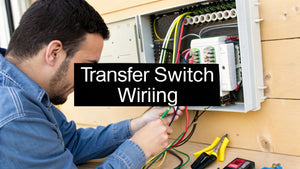
Professional electrical work is essential. A qualified electrician will size and install the transfer switch or automatic start module, ensure panel interlocks, and verify correct grounding. For standby systems, the generator connects to an automatic transfer switch that senses grid loss and initiates startup while isolating the building from the utility to prevent back feeding the grid.
When paralleling multiple units or integrating with the main service panel, plan for neutral and ground connections, fault protection, and proper clearance for service access. Compliance with electrical codes such as NFPA 70 and NFPA 110 for standby systems is critical for safety and reliability. PES Supply offers turnkey installation support through a nationwide partner network to streamline this process and minimize downtime.
Maintenance, Warranties and Service Networks
Maintenance, Warranties and Service Networks
Regular maintenance is essential to protect warranty coverage and reliability. A typical program includes routine oil changes, filter replacements, coolant checks, and belt or tensioner inspections. A robust service network minimizes downtime by ensuring timely parts availability and skilled technicians. Ask about authorized local service centers, response times, and coverage for both portable and stationary units. Extended warranties and maintenance plans can add value for commercial installations that require high uptime and predictable operating costs.
Discuss service partnerships and response commitments that align with project timelines. PES Supply maintains a nationwide network of distribution hubs and certified technicians to support rapid deployment and ongoing maintenance across the country.
Total Cost of Ownership and Market Trends
Total Cost of Ownership and Market Trends
Total cost of ownership includes purchase price, fuel costs, routine maintenance, and any extended warranty or service plans. Understanding the fuel efficiency profile and maintenance cadence for your expected load can significantly affect long term costs. In the marketplace, several trends are reshaping how buyers evaluate 35 kW systems, including remote monitoring with early fault detection, dual fuel capability for added flexibility, and durable component designs that deliver longer service life. These trends bring greater reliability and simpler maintenance as markets evolve.
Remote monitoring enables you to view status, fuel levels, runtime, and fault alerts from a computer or mobile device, enabling proactive maintenance and faster response. Dual fuel configurations provide a safety net if one fuel source becomes temporarily unavailable, while a broader service network enhances parts availability and technician access for quick support. As demand grows, torque quality and component durability are becoming differentiators among mid range standby options.
Buying Criteria and Comparison Framework
Buying Criteria and Comparison Framework
Use a framework that stays independent of brand or model. Focus on clear criteria that translate to real world performance. Core questions include: how does the unit meet the required load as prime versus standby, what fuel options are available and what are the costs and reliability of each, what is the overall efficiency and heat rate under typical operating conditions, how do emissions and noise levels align with site constraints, what is the installation complexity and what electrical integration is required, and what is the total cost of ownership including purchase, fuel, and maintenance?
For each candidate model, assess whether the unit can handle peak loads without excessive cycling, whether the fuel supply is reliable, and whether the installation will require extended permitting or significant panel upgrades. In addition, verify warranty terms, service network coverage, and the availability of remote monitoring and service plans to protect uptime over the life of the system.
Checklist: Quick-reference for selecting a 35 kW generator
Checklist: Quick-reference for selecting a 35 kW generator
- Define a realistic load profile including peak and average demand
- Confirm fuel type availability and evaluate cost implications over time
- Assess site constraints such as space, ventilation, and noise limits
- Plan for automatic transfer switch and panel integration with licensed electrician
- Check emissions compliance, permitting needs, and local codes
- Review warranty terms and the accessibility of local service centers
- Consider remote monitoring features and available service plans
Conclusion and Next Steps
With a clear understanding of your load profile, fuel access, and budget, you can narrow to a few solid 35 kW options and plan a compliant, reliable installation. PES Supply can simplify this process through turnkey solar plus backup power planning, a nationwide distribution network, and a partner ecosystem that supports contractors and homeowners from initial quote to commissioning. Reach out to our team to discuss your requirements, schedule a site assessment, and receive a detailed total cost of ownership analysis and installation plan.
Power your next project with confidence by visiting PES Supply, a nationwide electrical supply distributor and installer partner offering premium Tier 1 solar panels, standby generators, and related electrical equipment. They provide turnkey solar solutions, live support, and fast nationwide delivery from 12+ distribution hubs, serving contractors, installers, and homeowners with 3,800+ in-stock SKUs and a network of 8,500+ solution providers. Click now to unlock faster sourcing, expert guidance, and reliable nationwide delivery—learn more today and power up your success.
Related Resources:
- Best Solar Panels 2026 — Buyer's Guide
- EG4 vs Tesla Powerwall
- Qcells vs Trina vs JA
- Solar Inverter Buyer's Guide
- Solar Battery Buyer's Guide
- 5kW Solar Kit
- 10kW Solar + Battery Kit
- Off-Grid Cabin Kit
- EG4 Batteries
- Qcells Solar Panels
- Trina Solar
- JA Solar
- REC Solar
- Mission Solar
- Sol-Ark Inverters
- SolarEdge Inverters
- Generac PWRcell
Calculate how much storage you need with our battery sizing calculator.
Check solar incentives available in your state.
Use our free solar system calculator to size your array.
Check out our Solar Panel Comparison Tool. Check out our Inverter Sizing Calculator.
Calculate your solar payback and 25-year savings with our Solar ROI Calculator. Follow our complete DIY solar installation guide for step-by-step instructions. Keep your system running at peak performance with our Solar Maintenance Guide.
Related Resources
- Solar System Calculator
- Battery Sizing Calculator
- Solar Panel Comparison Tool
- Inverter Sizing Calculator
- Solar ROI Calculator
- Solar Installation Guide
- Solar Maintenance Guide
- Solar Permitting Guide
- Battery Installation Guide
- NEC Code Compliance Guide
- Solar Panel Mounting Guide
- Grounding & Bonding Guide
- Solar Incentives by State
- Pro Account — Wholesale Pricing
- PowerLink Network — Contractor Program