Introduction and Market Context
Dual‑fuel capabilities, inverter-style control, and improved remote monitoring are no longer niche features; they’re becoming standard expectations for quality generator systems, from 22 kW setups to higher‑capacity models such as cummins rs50.
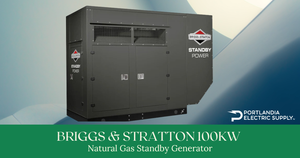
In many regions, incentives or rebates can offset upfront costs for standby power that supports critical loads or emergency preparedness—especially for small businesses seeking rapid recovery after outages, such as the briggs and stratton 125kw standby generator.
Power rating and efficiency
Overview and what it means for your project
A 22 kw whole house home standby unit is typically sized to cover essential circuits with room for growth.
When selecting a model, compare the rated continuous output at 100 percent load against the anticipated load profile. Real-world testing often shows best-in-class units maintaining 90–95 percent efficiency under typical residential use. For small businesses, this translates to lower fuel spend while preserving essential power during multi-hour outages. Remember: efficiency is not just about fuel; it also affects noise, exhaust temperature, and the longevity of critical components.
Fuel type and availability
Practical implications for site planning
Diesel, natural gas, propane, and dual‑fuel configurations each bring distinct supply dynamics; a robust standby option like the powerprotect 22kw home standby generator can help ensure critical loads endure outages.
Dual‑fuel systems blend the advantages of these fuels, providing resilience when one fuel source becomes constrained. For commercial interfaces, confirm fuel availability planning with your local gas utility and your installer. A robust fuel strategy can be the difference between a resilient outage plan and a fragile backup that can’t sustain critical loads through a prolonged outage.
Emissions and noise levels
Regulatory compliance and community considerations
Emissions compliance is non‑negotiable in many markets. Modern 22 kW generators typically meet EPA Tier standards and, for California sites, CARB requirements, with options for ultra‑low emissions configurations. Noise performance matters for residential deployments and noise‑restricted sites; many manufacturers offer sound attenuation options and enclosed, weatherproof housings designed to keep sound at or below specified limits when mounted at standard setbacks.
Beyond compliance, quieter operation improves acceptance by neighbors and reduces the likelihood of local permit challenges. If your project sits near occupied spaces or quiet zones, request data on dB(A) at typical operating loads and ensure the enclosure design includes effective mufflers and weather‑rated exhaust routing.
Runtime and fuel consumption
How long you can rely on a tank or line during an outage
Runtime is the hinge between preparedness and practicality. Diesel units typically offer longer endurance per fueling compared with propane and some dual‑fuel configurations, while natural gas units rely on continuous utility supply but may be more economical to operate. Calculate fuel consumption at various load fractions to estimate outage duration for your typical critical-load profile. A 22 kW system under a 50–70 percent load often delivers efficient operation with reasonable fuel economy, whereas peak loads drive higher consumption.
Review the manufacturer’s fuel‑use curves and the expected fuel-on-hand strategy for your installation. For homeowners, a single unit with a larger fuel tank or an automatic fueling approach can reduce the risk of running out during an outage. For businesses, factor in the cost of refueling or restoration time when planning for stand-by duration.
Control interface and smart monitoring
From panel displays to remote visibility
Modern 22 kW generators come with either conventional digital controls or inverter‑style controllers that optimize ramp rates and fuel use. Smart monitoring apps, cellular or Wi‑Fi connectivity, and remote diagnostics let you track health, performance, and maintenance needs in real time. Look for features like automatic start on outage, event logs, and configurable alert thresholds to keep property owners and service partners informed without onsite visits.
The right interface should be intuitive for contractors and homeowners alike, with clear wiring diagrams, diagnostic codes, and robust cybersecurity practices for connected features. Firmware update policies and predictable software support are critical to maintaining performance and warranty validity.
Parallel capability and expandability
Future‑proofing and load growth
Parallel operation lets you scale capacity by synchronizing multiple 22 kW units to meet higher critical loads. This is especially valuable for growing homes or small businesses that anticipate added equipment, EV charging, or climate upgrades. When considering parallel setups, verify that interconnection hardware, transfer switches, and control systems are designed for multi‑unit operation and that the manufacturer provides explicit guidance on synchronization, load sharing, and protective relays.
Parallel configurations enable redundancy and faster service resumes, but they also introduce complexity. Ensure your installation includes balanced load sharing, proper wiring, and a commissioning plan that tests synchronization under fault or outage conditions while preserving warranty coverage.
Warranty and service network
Support quality and long‑term reliability
Standby generator warranties typically span 2–5 years, with variations by model and fuel configuration. A broad national service network reduces downtime and simplifies maintenance scheduling, while a strong parts pipeline ensures quick repairs. When evaluating warranties, pay attention to what is covered (engine, alternator, control panel, mounting hardware) and the OEM’s factory support for field service and remote diagnostics.
A credible distributor‑builder network—like Portlandia Electric Supply—can dramatically shorten lead times and provide nationwide coverage through multiple hubs. In addition to warranty terms, ask about routine maintenance programs, annual testing, and the vendor’s response times for service calls in your area.
What 22kW Means for Homes and Small Businesses
A 22 kW generator is large enough to sustain essential climate control, refrigeration, lighting, and critical outlets for homes and small businesses, while still remaining within a manageable footprint for typical property setups. For homes, this size supports balanced load strategies that keep comfort and safety intact during outages. For small businesses, it provides a robust backbone for core operations, with the potential for expansion through parallel units as needs grow.
Standby systems with automatic transfer switches (ATS) are the norm at this power level, ensuring automatic re‑energization of critical circuits within seconds of a power interruption. True portable units approaching 22 kW are rare in the field and generally impractical for long‑duration backup due to fuel logistics, maintenance, and reliability concerns. Configurations often include split‑phase 120/240V for residences and 208/230V or 3‑phase options for light commercial use, with multiple fuel choices or dual‑fuel configurations that improve resilience.
Power rating and efficiency
What to expect in real‑world operation
The 22 kW rating maps to a substantial installed load, yet many homes operate well within that range with a thoughtful load‑shedding strategy. Efficient inverter controls can maintain strong performance at partial loads, reducing fuel waste and wear on engines. In balanced systems, you’ll often see the most economical operation when the unit runs at a steady, moderate load rather than repeatedly cycling between idle and high demand.
Efficiency gains translate into less fuel, lower emissions per kilowatt‑hour, and quieter operation. Contractors should emphasize models with proven efficiency curves, robust cooling, and control logic that avoids unnecessary engine stress during start‑ups or transients.
Fuel type and availability
Fuel strategy implications for dispatch and outages
Diesel offers dependable energy density and cold‑weather reliability but requires careful fuel‑storage planning and maintenance. Natural gas delivers convenience where a service line exists, often with lower operating costs, yet its availability during a utility outage is population‑dependent. Propane provides on‑site storage and independence but can limit runtime and add refill logistics. Dual‑fuel strategies address these realities by allowing switching between fuels to preserve essential loads when one supply is compromised.
When selecting fuel configurations, map fuel availability to outage duration expectations and local fuel pricing. Work with Portlandia Electric Supply’s experts to model fuel consumption over typical outage scenarios and determine the most cost‑effective, reliable option for each site.
Emissions and noise levels
Community impact and compliance considerations
Emissions standards and noise budgets influence both permit requirements and resident comfort. Expect most 22 kW units to meet current EPA standards, with CARB‑compliant options for California and other jurisdictions with strict air quality rules. Enclosures with sound attenuation and weather protection help maintain acceptable noise levels, particularly for installations near living spaces or business entrances.
In communities that restrict exterior noise or require carbon emissions disclosures, selecting a quiet, efficient model is essential. Ask for real‑world dB measurements at representative loads and verify that the enclosure design minimizes ducting resonances and exhaust recirculation issues that can raise perceived noise.
Runtime and fuel consumption
Estimating endurance and cost of operation
Runtime depends on load, fuel type, and tank or line capacity. Diesel units may deliver longer endurance per fueling, while natural gas offers continuous operation as long as the gas supply holds. Propane runtimes hinge on tank size and fill intervals, making dual‑fuel configurations attractive for longer outages or remote sites. A practical sizing approach matches expected outage durations to the available fuel and transfer capabilities.
For small businesses, plan for multi‑hour outages with a clear fueling or utility restoration strategy. For homes, a conservative approach often prioritizes critical loads and includes a contingency for weather events that could extend outages beyond initial projections.
Control interface and smart monitoring
Digital health, alerts, and integration
A modern 22 kW generator should offer intuitive control panels and optional app‑based monitoring. Features to value include outage alerts, maintenance reminders, and remote diagnostics. A connected platform can provide proactive service scheduling, reducing unplanned downtime and extending the life of the system.
Ensure cybersecurity best practices for connected features, regular firmware updates, and clear service policies. A robust monitoring ecosystem can also help fleet operators manage multiple units across multiple sites with consistent fault reporting and streamlined maintenance.
Parallel capability and expandability
Scaling capacity to meet growth and redundancy needs
Parallel operation is a hallmark of scalable backup power. Two 22 kW units can double available capacity or provide redundant pathways for critical circuits. For larger installations, parallel configurations enable balanced load sharing and smoother transitions during switching, with the potential to accommodate future equipment loads as a business expands or a home adds new appliances.
When planning, verify that the interconnection hardware, transfer switch logic, and protective relays are designed for multi‑unit operation and that commissioning procedures cover synchronization, load sharing, and fault protection without compromising warranty terms.
Warranty and service network
Support depth, parts availability, and response time
Warranty terms are a major determinant of total cost of ownership. Expect 2–5 year base warranties with variations by fuel type, configuration, and dealer arrangements. A nationwide service network reduces downtime and simplifies maintenance scheduling, especially for contractors who need reliable parts and fast dispatch.
Verify the manufacturer’s parts coverage, service policy, and the distributor’s readiness to support urgent repairs across multiple hubs. For turnkey projects, align warranty support with your installation timeline and post‑sale service commitments to ensure predictable performance.
Fuel Options and Configurations: Diesel, Natural Gas, Propane, and Dual-Fuel
Choosing the right fuel configuration for a 22 kW generator means balancing reliability, cost, and logistics. Diesel engines deliver robust performance across climates but require careful fuel management. Natural gas is convenient when a reliable line exists, yet you’re subject to gas pressure and supply constraints during outages. Propane enables on‑site storage, but run times can be shorter between fills. Dual‑fuel systems offer resilience by enabling fuel switching, at the cost of added complexity and maintenance.
Inverter‑based controls improve efficiency and allow cleaner power for sensitive electronics. Parallel operation with other generators remains a strong option for applications with rising load demands or the need for redundancy. The right mix depends on site specifics, including fuel access, utility reliability, and service agreements with your local supplier.
Diesel
Strengths, constraints, and best-use scenarios
Diesel units are known for high energy density and resilience in cold climates. They’re well suited to areas with established diesel infrastructure or remote sites where grid outages are frequent. Maintenance tends to be more routine, including fuel filtration, injector care, and fuel tank management. A strong diesel option pairs well with longer outage planning and lower overall fuel spill risk when managed properly.
For contractors, the availability of diesel service and parts is typically robust, and many commercial models are designed for parallel operation with other diesel units. Ensure fuel storage and transfer capabilities meet local codes and environmental requirements.
Natural Gas
Strengths, constraints, and best-use scenarios
Natural gas offers convenient on-site supply and often lower operating costs, assuming a stable gas line and adequate pressure. It eliminates the need for on-site fuel storage, reducing space and safety concerns. However, outages in the natural gas system, while rare, can affect runtimes if supply is interrupted or pressure dips below engine requirements.
For homes and small businesses with reliable gas service, natural gas can be a cost‑effective backbone for standby power. Verify gas line sizing, pressure, and the availability of a dedicated gas isolation valve for the standby system during commissioning.
Propane
Strengths, constraints, and best-use scenarios
Propane offers on-site storage, independence from natural gas service zones, and rapid deployment. Propane systems are particularly attractive in rural areas or regions with gas‑supply limitations. The tradeoff is typically higher per‑hour fuel cost and more frequent refueling, which can constrain runtime during long outages if a large storage tank is not employed.
When selecting propane, consider tank size, fill logistics, and the need for portable or stationary configurations. A properly sized propane system paired with a reliable refill plan can deliver dependable backup power during extended outages.
Dual‑Fuel
Strengths, constraints, and best-use scenarios
Dual‑fuel systems combine fuels to maximize resilience. They offer a safety net if one fuel becomes temporarily scarce or price‑volatile, which can be a strong business case in regions with fuel supply uncertainty. The complexity of control systems and fuel management increases, and maintenance responsibilities become more involved.
For critical loads or multi‑unit installations, dual‑fuel can provide a robust backup strategy. Ensure you have a clear fuel‑switching procedure, fuel‑supply monitoring, and a maintenance plan that covers both fuel systems, including fuel contamination prevention and regular testing.
Inverter Technology and Parallel Operation
Power quality, efficiency, and scalability
Inverter‑based controls refine power quality and efficiency across varying loads, which is especially important for modern electronics and heat pumps. Parallel operation lets you grow capacity by synchronizing additional 22 kW units, preserving reliability while expanding the system as loads rise or more sensitive equipment is added.
When considering parallel configurations, verify compatibility of controllers, transfer switches, and interconnection hardware. Manufacturer guidance should cover synchronization procedures, shared protection schemes, and warranty implications for multi‑unit operation.
Load Calculations and Sizing: How to Choose Properly
Assessing demand with accuracy
Start with essential loads and estimate running watts versus starting surges. Use a demand factor to balance the risk of oversizing against the possibility of under‑providing. HVAC, refrigeration, well pumps, and critical lighting often drive sizing decisions, but don’t overlook future growth—EV charging, future expansions, and additional equipment can substantially shift requirements over time.
A practical sizing approach applies diversity and probabilistic planning to avoid oversizing while still delivering reliable coverage. In parallel configurations, you can design a staged upgrade path so that the second unit fills gaps created by growth.
Installation Considerations and Code Compliance
Site, wiring, and permit realities
Site planning for a 22 kW generator involves clearances, weatherproofing, ventilation, and exhaust routing. Electrical integration requires careful ATS selection, panel space, interlocks, grounding, and NEC/NFPA alignment. Local permits and inspections ensure compliance with contemporary safety standards and environmental constraints.
Fuel system design should verify gas line sizing, pressure, and leak prevention, while exhaust termination must account for weatherproofing and back‑draft protection. Anti‑backflow devices and proper interconnection with the utility grid are essential to avoid backfeed risks and to comply with protective device requirements.
Maintenance, Warranty, and Total Cost of Ownership
Long‑term economics and care plans
Routine maintenance includes oil changes, filter replacements, coolant checks, battery testing, and exercising the unit to prevent stagnation. Diesel units often require more frequent fuel system maintenance; diesel fuel quality matters to long‑term reliability. Warranty coverage typically spans 2–5 years, with variations in fuel configuration, commissioning, and service terms.
When calculating total cost of ownership, consider fuel costs, maintenance, insurance, potential electrical upgrades (ATS, transfer panels), installation labor, and ongoing service. A comprehensive plan from a nationwide distributor with a strong partner network helps ensure predictable costs and reliable support across multiple locations.
Inverter Technology and Parallel Operation

Inverter technology modernizes how a 22 kW system matches loads, delivering higher quality power, faster response times, and improved efficiency across varying demands. Parallel operation expands capacity for larger outages or evolving site needs, enabling you to add units without replacing existing equipment.
For installers, compatibility between inverters, controllers, and transfer switches matters. A documented parallel configuration procedure with clear safety guidelines helps preserve warranty and ensures smooth commissioning.
Power rating and efficiency
Quality benchmarks
Inverter‑based 22 kW units should demonstrate strong performance at partial and full loads, with rapid ability to ramp up or down without stressing the engine. Efficient operation reduces fuel use and emissions while extending engine life. Real‑world data from reputable manufacturers show that well‑tuned inverters can sustain smartphone‑level power quality across a wide load range.
Efficiency metrics matter for both cost control and user experience; higher efficiency often leads to quieter operation and fewer nuisance trips during transient events.
Fuel type and availability
Impact on maintenance and logistics
Diesel, natural gas, propane, and dual fuels each carry unique maintenance profiles and supply chains. The choice affects storage needs, refueling cadence, and on‑site safety practices. A robust fuel strategy minimizes downtime during outages and reduces the risk of unexpected fuel shortages.
When planning a parallel system, confirm that fuel supply arrangements support simultaneous operation of multiple units, including redundancy for each fuel line and proper shut‑offs for safe maintenance.
Emissions and noise levels
Community impact and regulatory alignment
Emissions compliance is foundational. Ensure the model you choose meets current EPA standards and any applicable CARB requirements. Noise budgets matter for residential areas and noise‑restricted sites; silent or low‑noise enclosure options can greatly simplify site approval and ongoing operation.
Documentation of real‑world noise measurements at representative loads helps set expectations and reduces post‑installation disputes with neighbors or local authorities.
Runtime and fuel consumption
Outage endurance planning
Runtime projections depend heavily on load profile and fuel source. Diesel often yields longer endurance per fill; natural gas enables more continuous operation but may hinge on utility reliability. Propane runtimes are tied to storage capacity and refill frequency, while dual‑fuel adds flexibility with a slightly more complex maintenance routine.
Use formal fuel curves to compare expected endurance under typical outage scenarios and factor in refill or restoration times in your total cost model.
Control interface and smart monitoring
Digital health and accessibility
Smart monitoring platforms for 22 kW systems provide outage alerts, maintenance reminders, and remote diagnostics. A user‑friendly app and reliable data security give homeowners and operators confidence and reduce non‑essential site visits.
Look for robust cybersecurity policies, clear update schedules, and a support framework that offers remote troubleshooting and predictable software maintenance.
Parallel capability and expandability
Scaling and redundancy planning
Parallel configurations enable capacity growth and redundant power paths for critical loads. When planning, ensure the interconnection hardware and controls support multi‑unit synchronization and that commissioning includes safe testing under load sharing and fault conditions.
A staged approach—upgrading with a second unit as demand grows—offers a cost‑effective path to enhanced resilience without replacing existing equipment.
Warranty and service network
Support depth and coverage considerations
Warranties for standby power systems typically range from 2–5 years, depending on model and configuration. A national service network reduces downtime and simplifies maintenance across multiple sites, making it easier to secure timely parts and trained technicians.
Ensure the dealer network provides region‑wide coverage, and confirm that the warranty terms align with your installation schedule, service expectations, and annual testing requirements.
Load Calculations and Sizing: How to Choose Properly
Proper load calculations are foundational to a reliable backup solution. Start by inventorying essential loads and separating running watts from starting surges. HVAC systems often demand the most startup power due to compressor inrush, followed by water heaters and well pumps. A sound approach uses diversity factors and a measured demand form to avoid oversizing, while still reserving capacity for growth.
Consider future scenarios like new appliances, home office equipment, EV charging, or upgrades to climate control. A small but measurable growth in load can justify a second unit or parallel expansion to maintain reliability and ensure a comfortable margin during outages. The goal is to provide enough reserve capacity to avoid tripping breakers or overloading the transfer switch.
Inventory essential loads and estimate running watts vs starting surges
Practical sizing steps
List every critical circuit and estimate wattage using appliance labels or manufacturer data. Build a running watts budget and then assess surge requirements for each device. If you’re unsure, consult a professional who can perform a thorough load analysis and deliver a recommended target with a documented justification.
A balanced approach helps you avoid oversizing while ensuring you don’t under-provision critical systems, reducing the risk of outage‑related damage or downtime.
Plan for potential growth
Future‑proofing considerations
If future loads—such as EV charging or additional climate control—are likely, design for expansion. Parallel capability, modular inverter platforms, and a scalable ATS strategy all support a staged upgrade path. Align your sizing with anticipated growth to avoid expensive retrofits.
A phased approach helps manage upfront costs while preserving resilience. Your plan should include a clear path for integrating a second unit or upgrading to a higher‑capacity model as needs evolve.
Performance targets and safety margins
Quality assurance for critical loads
Define a performance margin to accommodate transient events without compromising essential loads. A sensible margin reduces the chance of nuisance tripping and gives operators room to handle unexpected demand spikes. Safety margins also help account for future fuel availability and maintenance contingencies.
Always validate your sizing with a field test or a commissioning checklist that confirms proper transfer operation, synchronization, and protection circuitry before the system goes online.
Installation Considerations and Code Compliance
Site selection and installation quality determine long‑term reliability and safety. Start with a thorough site survey that identifies panel space, fuel availability, exhaust routing, noise compliance, and proximity to living or working spaces. Your plan should also anticipate utility interconnection requirements and permit pathways to avoid delays.
A well‑executed installation engages qualified professionals for electrical and fuel work, ensuring interlocks, grounding, and transfer operations meet NEC/NFPA 70, NFPA 110, and NFPA 37/110 guidelines. Proper interface with the building’s electrical system minimizes backfeed risks and ensures a reliable automatic start when needed.
Site planning and ventilation
Clearances, enclosure, and exhaust routing
Enclosures must provide weather resistance while allowing adequate airflow to prevent overheating. Consider weatherproof siting that protects the unit from the elements and accommodates routine maintenance access. Exhaust routing should terminate away from occupied spaces, windows, and intakes, with weather‑rated outlets to prevent rain intrusion.
In many jurisdictions, dedicated exhaust fans or ducting are required to meet local noise and emission standards. Ensure you have a plan that respects setbacks and local ordinances to avoid post‑installation modifications.
Electrical integration
Panel space, interlocks, and grounding
The transfer switch andATS selection depends on your service size and load profile. Ensure there is adequate panel space, proper interlocks to prevent backfeed, and a grounding scheme that complies with NEC guidelines. If you’re coordinating a multi‑unit or parallel installation, confirm that the electrical architecture supports synchronized operation safely.
Proper electrical integration reduces the risk of nuisance trips and ensures the system re-energizes quickly after an outage, preserving power to essential circuits without endangering personnel during maintenance.
Fuel system and exhaust
Fuel supply safety and containment
Verify gas line sizing, pressure, leaks, and compliance with local gas codes. For propane, ensure approved storage and venting; for diesel, ensure containment and spill prevention measures are in place. Exhaust termination should be designed to avoid backflow and to withstand weather exposure.
Anti‑backflow devices and proper backfeed protection are essential to safeguarding the home and connected infrastructure. Your installation plan should include signs of potential fuel leaks and a maintenance schedule for fuel systems.
Permits, inspections, and codes
Documentation and compliance testing
Local permits and inspections guide the permitted installation and ensure compliance with safety requirements. Prepare a comprehensive package that includes electrical diagrams, fuel‑system schematics, transfer switch specifications, and exhaust routing plans. A professional installer can coordinate inspections and ensure approvals are obtained before startup.
Adherence to NFPA standards and NEC sections remains a cornerstone of reliable operation. Non‑compliant installations can void warranties and create safety risks for occupants and responders.
Maintenance, Warranty, and Total Cost of Ownership
Operational planning and risk management
A solid maintenance plan keeps 22 kW generators in peak condition. Oil changes, filter replacements, coolant checks, and battery health are routine tasks to schedule. Diesel systems may require more frequent fuel‑system maintenance, while gas‑fueled units often benefit from gas‑line testing and pressure checks. Warranties should cover engine, alternator, and control systems, with service commitments from the manufacturer and the distributor.
When calculating total ownership costs, include fuel, maintenance, insurance, installation labor, permits, and potential upgrades to electrical service or transfer switches. A nationwide distributor with a robust parts network helps minimize downtime and supply chain risks.
Maintenance, Warranty, and Total Cost of Ownership
Proactive maintenance and a strong service network are the backbone of long‑term reliability. Regular service intervals keep components like oil, filters, and belts in check, reducing unexpected failures during outages. Warranty terms vary by brand and configuration, so confirm what is included and what is excluded, and verify that the service network covers your geographic area.
For owners who manage multiple sites, a bundled maintenance program with on‑call support and predictive diagnostics can dramatically reduce downtime and support costs. A transparent warranty policy—paired with a nationwide network—helps ensure quick parts access and timely technician visits when needed.
Smart Monitoring, Controls, and Remote Management
Smart monitoring capabilities are now a defining feature for 22 kW systems. Apps that provide outage alerts, remote diagnostics, and maintenance reminders help owners stay ahead of issues and improve reliability. Connectivity often includes Wi‑Fi or cellular options, with platforms designed to integrate with home automation or building management systems for centralized control.
Security and privacy are important considerations for connected devices. Look for vendor policies on firmware updates, data encryption, and access controls that protect against unauthorized monitoring or control. Regular updates and a strong support framework translate into fewer service interruptions and more predictable performance.
Remote monitoring and app features
What to look for in a monitoring platform
Prioritize platforms that offer live status reports, historical performance data, predictive maintenance alerts, and remote troubleshooting. The ability to trigger maintenance cycles or order replacement parts automatically can save time and reduce downtime.
A well‑implemented monitoring framework also supports secure remote access for technicians, enabling faster fault isolation without requiring on‑site visits, which is particularly valuable for nationwide deployments.
Parallel and Multi‑Unit Installations: When and How to Scale
Parallel installations multiply available power and provide redundancy for critical loads. They’re a practical path to scale from a single 22 kW unit to a larger, more resilient system as needs evolve. When planning, ensure all units share common interconnection and protective standards and that each unit is wired to a properly rated transfer switch and synchronization controller.
Commissioning is essential. A thorough test plan should verify synchronization accuracy, load sharing, and protection with simulated fault conditions. A properly executed parallel install preserves warranty and reduces the risk of nuisance trips during real outages.
When to add a second unit
Strategic triggers and implementation steps
Consider parallel deployment when you expect load growth beyond a single unit’s capacity, or when you require redundancy for critical circuits. A phased approach—add the second unit after confirming initial performance and load trajectories—helps manage risk and budget.
Ensure the second unit is compatible with the first in terms of controllers, interconnection hardware, and warranty terms. Plan for synchronized testing and documented commissioning to avoid warranty disputes.
Buying Guide: From Assessment to Installation
The journey from assessment to installation begins with a thorough site survey, a clear understanding of load priorities, and a realistic budget. Key steps include evaluating electrical panel space, fuel availability, exhaust routing, noise compliance, and utility interconnection requirements. A well‑structured plan reduces surprises and accelerates permitting.
Budget planning should include the unit price, ATS/transfer switch, installation labor, permits, and any electrical service upgrades. After selecting a unit, obtain manufacturer documentation, ensure qualified professionals perform the installation, and schedule routine maintenance and annual testing. A turnkey solution from a nationwide supplier with multiple distribution hubs can simplify logistics and post‑sale support.
Site survey and budgeting
Practical steps to finalize a purchase plan
Conduct a site survey to confirm space, ventilation, and electrical compatibility. Build a budget that accounts for the transfer switch, fuel system, permits, and labor. Use a staging plan that aligns with installation windows and service commitments to minimize downtime.
Establish a clear decision timeline with your supplier, including contingency plans for fuel availability, weather delays, and inspections. This helps ensure a predictable path from assessment to commissioning.
After selecting a unit
Documentation, installation, and maintenance scheduling
Collect all manufacturer documentation, confirm warranty terms, and verify the service network’s readiness to support your locations. Schedule installation with qualified professionals who can verify code compliance and performance criteria. Establish routine maintenance and annual testing as part of the ongoing care plan.
A proactive post‑sale plan that includes remote monitoring, firmware updates, and service response times helps maintain reliability across multiple sites and ensures a smooth handoff to building operators.
Real-World Scenarios: Homes and Small Businesses in Action
Real‑world cases illustrate how a 22 kW system can align with resilience goals. Residential applications often demonstrate how a single unit can sustain essential climate control, refrigeration, and lighting during grid outages, with smart monitoring sending maintenance alerts to homeowners. Small businesses typically prioritize critical loads—POS systems, server rooms, climate control, and refrigeration—and may leverage parallel configurations as loads grow.
Hybrid setups that pair a 22 kW standby generator with solar and storage are increasingly common. These configurations optimize fuel use, reduce emissions, and improve resilience by leveraging on‑site generation while maintaining grid interconnection compatibility. When done right, the result is a flexible, fast‑acting solution for homes and small businesses facing increasingly frequent outages.
Power your next project with confidence by visiting Portlandia Electric Supply, a nationwide electrical supply distributor and installer partner offering premium Tier 1 solar panels, standby generators, and related electrical equipment. They provide turnkey solar solutions, live support, and fast nationwide delivery from 12+ distribution hubs, serving contractors, installers, and homeowners with 3,800+ in-stock SKUs and a network of 8,500+ solution providers. Click now to unlock faster sourcing, expert guidance, and reliable nationwide delivery—learn more today and power up your success.
Related Resources:
- Best Solar Panels 2026 — Buyer's Guide
- EG4 vs Tesla Powerwall
- Qcells vs Trina vs JA
- Solar Inverter Buyer's Guide
- Solar Battery Buyer's Guide
- 5kW Solar Kit
- 10kW Solar + Battery Kit
- Off-Grid Cabin Kit
- EG4 Batteries
- Qcells Solar Panels
- Trina Solar
- JA Solar
- REC Solar
- Mission Solar
- Sol-Ark Inverters
- SolarEdge Inverters
- Generac PWRcell
Calculate how much storage you need with our battery sizing calculator.
Check solar incentives available in your state.
Use our free solar system calculator to size your array.
Check out our Solar Panel Comparison Tool. Check out our Inverter Sizing Calculator.
Calculate your solar payback and 25-year savings with our Solar ROI Calculator. Follow our complete DIY solar installation guide for step-by-step instructions. Keep your system running at peak performance with our Solar Maintenance Guide.
Related Resources
- Solar System Calculator
- Battery Sizing Calculator
- Solar Panel Comparison Tool
- Inverter Sizing Calculator
- Solar ROI Calculator
- Solar Installation Guide
- Solar Maintenance Guide
- Solar Permitting Guide
- Battery Installation Guide
- NEC Code Compliance Guide
- Solar Panel Mounting Guide
- Grounding & Bonding Guide
- Solar Incentives by State
- Pro Account — Wholesale Pricing
- PowerLink Network — Contractor Program
Frequently Asked Questions
What size generator do I need for my home?
A typical whole-home generator is 22-26kW. Size based on your essential loads (AC, refrigerator, well pump, lights). A 26kW Generac runs two AC units plus standard household loads.
What is the difference between LP and NG generators?
LP (propane) generators produce more power than NG (natural gas) models. A 26kW Generac outputs 26kW on LP vs 24kW on NG.
Do you install generators?
PES Supply is a distributor, not an installer. We can connect you with a qualified installer through our PowerLink contractor network.
Shop Related Products
PES Supply carries 80,000+ products from 300+ manufacturers. One PO, one invoice, every trade covered.
Need help sizing? Our team can calculate loads, select equipment, and source everything from one PO.
Call (502) 790-0600