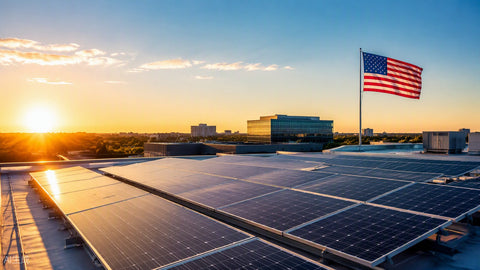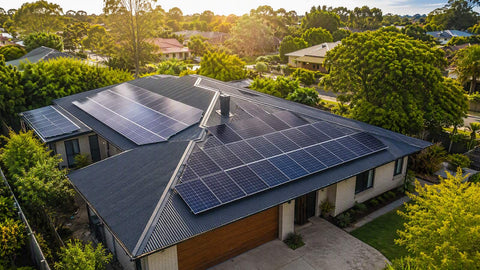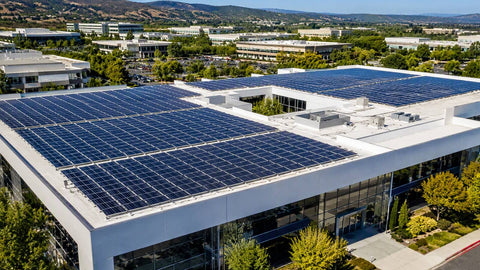
Solar energy has transformed from an alternative technology into the fastest-growing power source on the planet. As electricity costs continue rising and climate concerns intensify, millions of homeowners and business owners are discovering what forward-thinking property owners already know: solar power delivers compelling financial returns while reducing environmental impact. The question is no longer whether solar makes sense—it's how quickly you can start benefiting.
This comprehensive guide covers everything you need to understand about harnessing the sun's power in 2026—from the science behind photovoltaic technology to realistic cost expectations, ROI timelines, and the practical considerations that determine whether solar is right for your property. Whether you're exploring residential rooftop systems or commercial-scale installations, this guide provides the foundation for informed decision-making.
☀️ Key Takeaways
- Proven ROI: Most solar installations pay for themselves within 6-10 years, then generate essentially free electricity for 15-20+ additional years
- Significant Savings: Homeowners typically see 50-90% reduction in monthly electricity costs after going solar
- Federal Incentives: The Investment Tax Credit (ITC) allows you to deduct a significant percentage of installation costs from federal taxes
- Property Value Boost: Homes with solar sell for 4-6% more than comparable properties without solar installations
- Environmental Impact: A typical residential system eliminates 3-4 tons of carbon emissions annually—equivalent to planting 100+ trees each year
In This Guide:
- What Is Solar Energy?
- How Does Solar Energy Work?
- Benefits of Solar Energy: Financial and Environmental
- Solar Energy Costs: What to Expect in 2026
- Is Solar Energy Worth It? ROI Analysis
- Types of Solar Energy Systems
- Choosing the Right Solar Equipment
- Installation Process and Timeline
- Frequently Asked Questions
Solar energy is the radiant light and heat from the sun that can be harnessed using photovoltaic technology to generate electricity for homes, businesses, and utility-scale power generation. As the most abundant energy source on Earth—the sun delivers more energy to our planet in one hour than humanity uses in an entire year—solar power has become the cornerstone of the global transition toward sustainable energy.
Unlike fossil fuels that require extraction, transportation, and combustion—releasing greenhouse gases and pollutants—solar energy converts sunlight directly into electricity with zero emissions during operation. This fundamental difference makes solar not just an energy choice, but an environmental one that reduces your carbon footprint while protecting you from volatile utility prices.
Industry Expert Insight
"Solar energy has reached a tipping point where it's not just the environmentally responsible choice—it's the economically rational one. With panel costs down over 90% since 2010 and efficiency continuing to improve, solar delivers better returns than most traditional investments while insulating property owners from rising utility rates."
Understanding how solar energy works is simpler than you might expect. The process involves several key components working together seamlessly to convert sunlight into usable electricity for your home or business.
The Photovoltaic Effect
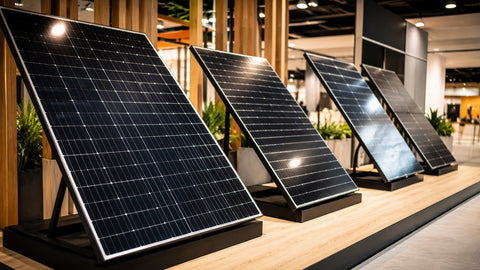
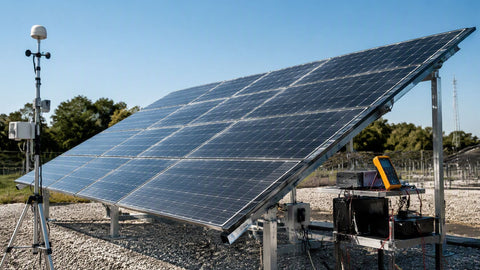
Solar panels contain photovoltaic (PV) cells made primarily from silicon, a semiconductor material. When sunlight strikes these cells, photons (light particles) excite electrons in the silicon, creating an electrical current. This phenomenon—the photovoltaic effect—was discovered in 1839 and forms the foundation of all modern solar technology.
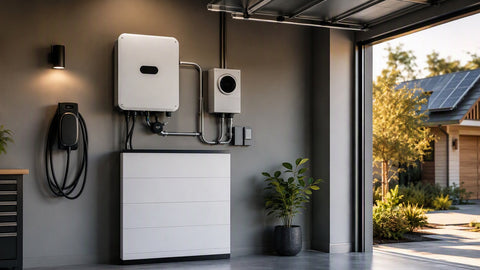
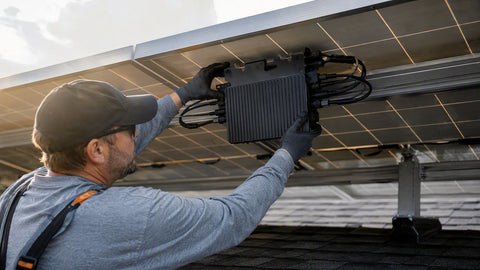
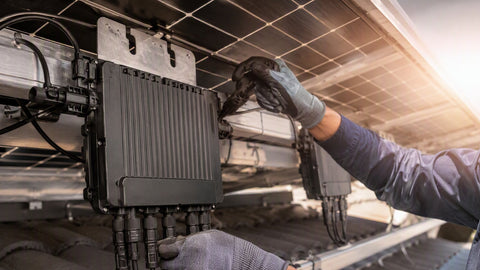
The electricity generated by solar cells is direct current (DC), which must be converted to alternating current (AC) by an inverter to be compatible with your home's electrical system and the utility grid. Modern inverters also optimize energy harvest, monitor system performance, and manage the interaction between your solar array, battery storage, and the grid.
Key Components of a Solar Energy System
| Component | Function | Key Considerations |
|---|---|---|
| Solar Panels | Capture sunlight and convert it into DC electricity through photovoltaic cells | Efficiency rating, warranty terms, degradation rate, temperature coefficient |
| Inverter | Converts DC power to AC power for use in your home or business | String vs. microinverter, efficiency, monitoring features, warranty |
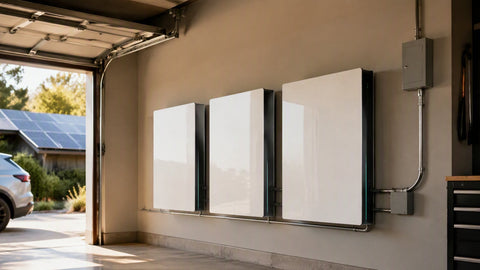
| Battery Storage | Stores excess energy for use during nighttime, cloudy days, or grid outages | Capacity (kWh), power output (kW), cycle life, chemistry type |
| Net Meter | Tracks energy sent to and received from the grid for billing credits | Utility policies, credit rates, time-of-use considerations |
| Mounting System | Secures panels to roof or ground at optimal angles for maximum production | Roof compatibility, wind/snow ratings, tilt adjustability |
| Monitoring System | Tracks real-time and historical energy production and consumption | App accessibility, alert notifications, panel-level vs. system-level data |
💡 Pro Tip: Panel Technology Matters
Not all solar panels are created equal. Modern N-type TOPCon panels deliver 22-23% efficiency compared to 19-21% for older PERC technology, with lower degradation rates and better performance in high temperatures. Investing in premium panel technology pays dividends over the 25-30 year system lifespan through higher energy production.
The advantages of solar energy extend far beyond simple cost savings. From immediate financial benefits to long-term environmental impact, solar power delivers value across multiple dimensions that make it one of the smartest investments property owners can make.
Financial Benefits
| Financial Benefit | Typical Impact | How It Works |
|---|---|---|
| Reduced Electricity Bills | 50-90% reduction in monthly costs | Solar offsets grid electricity purchases; excess production earns credits |
| Federal Tax Credit (ITC) | 30% of installation cost | Direct reduction of federal tax liability; can be carried forward |
| State/Local Incentives | Varies by location | Additional rebates, tax credits, and performance incentives |
| Property Value Increase | 4-6% premium over comparable homes | Buyers pay more for homes with lower operating costs |
| Energy Price Protection | Lock in energy costs for 25+ years | Solar production cost is fixed; utility rates historically rise 2-4% annually |
| Lifetime Savings | $25,000 - $75,000+ | Cumulative savings over 25-30 year system lifespan |
Environmental Benefits
Solar's Environmental Impact:
- Zero Emissions: Unlike fossil fuels, solar energy produces no greenhouse gases, particulates, or harmful pollutants during operation
- Carbon Reduction: A typical 8 kW residential system eliminates 3-4 tons of CO₂ annually—equivalent to driving 8,000 fewer miles or planting 100+ trees each year
- Water Conservation: Solar panels require no water to generate electricity, unlike traditional power plants that consume millions of gallons daily for cooling
- Reduced Grid Strain: Distributed solar generation reduces transmission losses and decreases peak demand on aging grid infrastructure
- Energy Independence: Every kilowatt-hour of solar reduces dependence on imported fossil fuels and volatile global energy markets
One of the most common questions about solar energy concerns cost. The good news: solar has never been more affordable, with prices declining over 90% since 2010 while efficiency continues improving. Here's a realistic breakdown of what to expect for different system sizes and applications.
Residential Solar System Costs (2026)
| System Size | Avg. Cost (Before Credits) | After 30% ITC | Best For |
|---|---|---|---|
| 5 kW | $12,000 - $15,000 | $8,400 - $10,500 | Small homes, apartments, condos |
| 8 kW | $18,000 - $24,000 | $12,600 - $16,800 | Average-sized homes (most common) |
| 12 kW | $26,000 - $35,000 | $18,200 - $24,500 | Large homes, EV owners, home offices |
| 15+ kW | $32,000 - $45,000 | $22,400 - $31,500 | Large homes, pools, full electrification |
Commercial Solar System Costs
| System Size | Avg. Cost (Before Credits) | Typical Applications |
|---|---|---|
| 25-50 kW | $50,000 - $100,000 | Small businesses, retail stores, restaurants |
| 100-250 kW | $175,000 - $450,000 | Medium businesses, warehouses, manufacturing |
| 500 kW - 1 MW | $750,000 - $1.5M | Large commercial, industrial facilities |
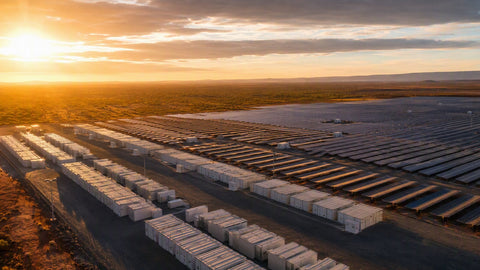
| 1 MW+ | $1.2M - $2M+ per MW | Utility-scale, large industrial, ground-mount |
⚠️ Cost Variables to Consider
Actual costs vary based on roof complexity, local labor rates, equipment quality, permit requirements, and utility interconnection fees. Premium equipment (high-efficiency panels, battery storage) increases upfront costs but often delivers better long-term value. Always obtain multiple quotes and compare total system value—not just price per watt.
The short answer is yes—for most homeowners and businesses, solar energy delivers excellent return on investment. But understanding the specific factors that drive ROI helps you evaluate whether solar makes sense for your particular situation.
ROI Factors and Payback Timeline
| ROI Factor | Impact on Returns | Optimization Strategy |
|---|---|---|
| Local Electricity Rates | Higher rates = faster payback | Compare current and projected utility costs over 25 years |
| Sun Exposure | More sun = more production | South-facing roof with minimal shading is ideal |
| Available Incentives | Reduces net installation cost | Federal ITC + state/local incentives stack for maximum savings |
| Net Metering Policy | Full retail credit maximizes value | Understand local utility compensation structure |
| System Size vs. Usage | Right-sizing optimizes economics | Size system to offset 80-100% of annual consumption |
| Equipment Quality | Better efficiency = more kWh | Premium panels produce 5-15% more energy over lifetime |
Typical Payback Scenarios:
- Excellent ROI (4-6 year payback): High electricity rates ($0.15+/kWh), strong incentives, good sun exposure, favorable net metering
- Good ROI (6-8 year payback): Moderate electricity rates, federal ITC, average sun exposure, standard net metering
- Acceptable ROI (8-10 year payback): Lower electricity rates, federal ITC only, limited roof space or partial shading
- Extended Payback (10+ years): Low electricity rates, unfavorable net metering, significant shading—may still be worthwhile for environmental reasons or energy independence
💡 Pro Tip: Think Long-Term
Most solar installations pay for themselves within 6-10 years through energy savings and incentives. After payback, you're essentially generating free electricity for 15-20+ additional years. With utility rates historically rising 2-4% annually, the value of your solar production increases over time while your cost remains fixed at zero.
Solar energy systems come in several configurations, each designed to meet different needs and circumstances. Understanding these options helps you select the right approach for your property and goals.
Grid-Tied Systems
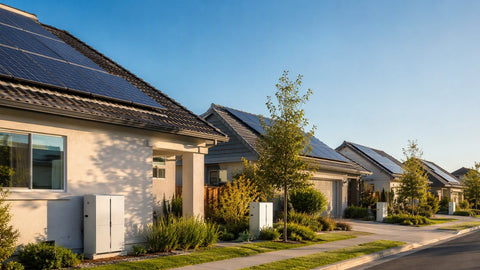
The most common and cost-effective option, grid-tied systems connect to your local utility grid. When your panels produce more energy than you need, the excess flows back to the grid, earning you credits through net metering. When you need more power than your panels produce (at night or on cloudy days), you draw from the grid as usual. This approach maximizes financial returns without requiring expensive battery storage.
Off-Grid Systems
Ideal for remote locations without grid access or those seeking complete energy independence, off-grid systems include substantial battery storage to power your property when the sun isn't shining. These systems require careful sizing to ensure adequate power year-round and typically cost more due to battery requirements, but they provide true energy autonomy.
Hybrid Systems
Combining the best of both worlds, hybrid systems are grid-connected but include battery backup. This configuration provides energy security during outages while still allowing you to benefit from net metering during normal operation. Hybrid systems have become increasingly popular as battery costs decline and grid reliability concerns grow.
| System Type | Advantages | Considerations | Best For |
|---|---|---|---|
| Grid-Tied | Lowest cost, best ROI, net metering benefits, minimal maintenance | No backup during outages, dependent on grid | Most residential and commercial installations |
| Off-Grid | Complete independence, no utility bills, works anywhere | Higher cost, requires careful sizing, battery maintenance | Remote locations, cabins, complete energy independence |
| Hybrid | Backup power, net metering benefits, energy security | Higher cost than grid-tied, battery management | Areas with unreliable grid, critical power needs |
The equipment you select determines system performance, longevity, and overall value. Understanding key specifications helps you make informed decisions and avoid common pitfalls.
Solar Panel Selection Criteria
What to Look For in Solar Panels:
- Efficiency Rating: Higher efficiency (22%+) means more power per square foot—critical for space-constrained roofs
- Temperature Coefficient: Lower is better (-0.30%/°C or less); indicates how well panels perform in hot weather
- Degradation Rate: Premium panels degrade at 0.3-0.4% annually vs. 0.5-0.7% for budget options—this adds up over 25 years
- Warranty Terms: Look for 25-30 year linear power warranty with reputable manufacturer backing
- Cell Technology: N-type TOPCon offers superior performance vs. older PERC technology
- Manufacturer Reputation: Tier 1 manufacturers with strong financials ensure warranty support decades from now
Inverter Options
| Inverter Type | How It Works | Best For |
|---|---|---|
| String Inverter | Single unit converts power from all panels; most cost-effective | Simple roofs with consistent sun exposure, no shading |
| Microinverters | Small inverter on each panel; panel-level optimization | Complex roofs, partial shading, maximum monitoring |
| Power Optimizers + String | Optimizers on each panel feed central inverter; hybrid approach | Moderate shading, panel-level monitoring needed |
| Hybrid Inverter | Manages solar, battery, and grid in single unit | Systems with battery storage, backup power needs |
💡 Pro Tip: Don't Skimp on Quality
Solar equipment operates continuously for 25-30+ years in harsh outdoor conditions. Premium panels and inverters from reputable manufacturers cost slightly more upfront but deliver better performance, longer lifespan, and reliable warranty support. The difference between budget and premium equipment typically pays for itself within 5-7 years through higher energy production.
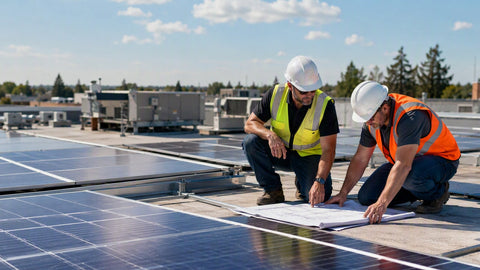
Understanding the solar installation process helps set realistic expectations and ensures a smooth experience from initial consultation to system activation.
Installation Steps and Timeline
| Phase | Duration | What Happens |
|---|---|---|
| 1. Consultation & Design | 1-2 weeks | Site assessment, energy analysis, system design, proposal review |
| 2. Contract & Permits | 2-4 weeks | Agreement signed, permit applications submitted to local authorities |
| 3. Equipment Procurement | 1-3 weeks | Panels, inverters, and hardware ordered and delivered |
| 4. Installation | 1-3 days | Mounting system, panels, inverter, and electrical connections installed |
| 5. Inspection | 1-2 weeks | Local building department inspects installation for code compliance |
| 6. Utility Interconnection | 1-4 weeks | Utility approves connection, installs net meter, grants permission to operate |
| Total Timeline | 6-12 weeks | Varies by location, permit processing times, and utility policies |
⚠️ DIY vs. Professional Installation
While DIY installation is technically possible, professional installation ensures optimal performance, maintains equipment warranties, meets local electrical codes, and qualifies for incentives. Improper installation can void warranties, create safety hazards, and reduce system performance. For most property owners, professional installation from a qualified solar contractor delivers better long-term value.
Related Products


Ready to Start Your Solar Journey?
Our solar specialists provide expert guidance on system design, equipment selection, and installation planning for residential and commercial properties. Contact us to discuss your energy goals and receive a customized solar proposal.
Get a Free Consultation Shop Solar PanelsDoes solar energy work on cloudy days?
Yes! Solar panels generate electricity on cloudy days, though at reduced efficiency—typically 10-25% of peak output depending on cloud cover. Modern panels are designed to capture both direct and diffused sunlight. In fact, some of the world's leading solar markets (Germany, Pacific Northwest) have relatively cloudy climates but still achieve excellent solar economics. Annual production matters more than any single day's output.
How long do solar panels last?
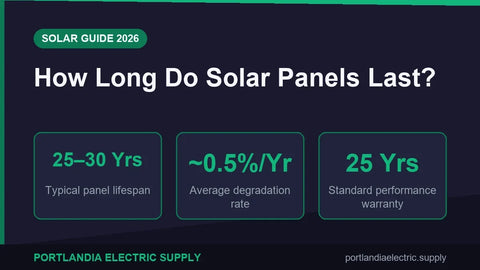
Most solar panels come with 25-30 year performance warranties and can continue producing electricity for 40+ years. Panel efficiency gradually decreases over time—premium panels degrade about 0.3-0.4% per year, meaning they still produce 87-90% of original output at year 25. Many systems from the 1980s and 1990s remain operational today, demonstrating the exceptional longevity of solar technology.
What maintenance do solar panels require?
Solar panels require minimal maintenance—they have no moving parts to wear out. Occasional cleaning (1-2 times per year in dusty areas) and annual visual inspections are typically sufficient. Rain naturally cleans panels in most climates. The inverter may need replacement once during the system's lifespan (after 10-15 years for string inverters). Most systems are designed to be largely maintenance-free, making solar one of the most hands-off energy investments available.
Will solar panels work during a power outage?
Standard grid-tied solar systems automatically shut down during outages for safety reasons—this prevents sending electricity to power lines that workers may be repairing. To maintain power during outages, you need battery storage with a hybrid inverter that can "island" your home from the grid. These backup systems are increasingly popular and can keep critical loads running during extended outages while still providing net metering benefits during normal operation.
How much roof space do I need for solar?
As a general rule, you need approximately 100 square feet of usable roof space per kilowatt of solar capacity. A typical 8 kW residential system requires roughly 400-500 square feet of unshaded, south-facing roof area. Higher-efficiency panels produce more power in less space—premium 22%+ efficiency panels can reduce space requirements by 10-15% compared to budget panels. Ground-mounted systems are an option when roof space is limited or unsuitable.
What is net metering and how does it work?
Net metering is a billing arrangement where your utility credits you for excess solar electricity sent to the grid. When your panels produce more than you're using (typically midday), the excess flows to the grid and your meter "spins backward." When you need more power than you're producing (evening, night), you draw from the grid and use those credits. At the end of each billing period, you pay only for your "net" consumption. Policies vary by state and utility—some offer full retail credit, others offer reduced rates.
Should I wait for solar technology to improve before installing?
This is a common concern, but waiting typically costs more than it saves. Every month you delay, you're paying full utility rates instead of generating your own power. While solar technology continues improving incrementally, today's panels are already highly efficient and cost-effective. The federal tax credit may also decrease in future years. The best time to go solar was 10 years ago; the second-best time is now. Start saving today rather than waiting for marginally better technology tomorrow.
Can I install solar panels myself?
While DIY solar installation is technically possible for those with electrical experience, professional installation is strongly recommended for most property owners. Professional installation ensures optimal system design and placement, maintains manufacturer warranty coverage, meets local electrical and building codes, qualifies you for incentives and permits, and provides workmanship warranties. The cost difference between DIY and professional installation is typically 10-20%, which is quickly offset by better performance and avoided problems.
Solar energy has evolved from an alternative technology into the most practical, economical, and environmentally responsible way to power homes and businesses. With costs at historic lows, efficiency at historic highs, and incentives still available, there has never been a better time to make the switch to clean, renewable power.
The decision to go solar isn't just about saving money—though the financial case is compelling. It's about taking control of your energy future, protecting yourself from rising utility rates, reducing your environmental footprint, and investing in technology that will continue delivering value for decades. Every kilowatt-hour of solar electricity you generate is one less purchased from fossil fuel sources.
The Bottom Line
Solar energy delivers proven returns for most homeowners and businesses—50-90% reduction in electricity costs, 6-10 year payback periods, and 25-30+ years of clean power generation. With federal tax credits, state incentives, and ever-improving technology, the question isn't whether solar makes sense—it's how quickly you can start benefiting.
About PES Supply
PES Supply is a nationwide electrical supply distributor offering premium Tier 1 solar panels, inverters, standby generators, and related electrical equipment. With a catalog of 50,000+ SKUs across 169 authorized brands and nationwide LTL freight delivery from our Louisville, Kentucky supply house, we deliver turnkey power solutions with live support and fast nationwide delivery.
📍 Location: 1507 Portland Ave, Louisville, KY, United States 📞 Phone: +1 888-876-0007 🌐 Website: www.portlandiaelectric.supply
Article: Solar Energy: The Complete Guide to Clean, Renewable Power for Your Home & Business
Category: Solar Energy / Renewable Power
Last Updated: February 2026
Related Articles: TOPCon vs PERC: Complete Comparison | Solar Panel Buying Guide | Solar Battery Storage Guide
Related Resources:
- Best Solar Panels 2026 — Buyer's Guide
- EG4 vs Tesla Powerwall
- Qcells vs Trina vs JA
- Solar Inverter Buyer's Guide
- Solar Battery Buyer's Guide
- 5kW Solar Kit
- 10kW Solar + Battery Kit
- Off-Grid Cabin Kit
- EG4 Batteries
- Qcells Solar Panels
- Trina Solar
- JA Solar
- REC Solar
- Mission Solar
- Sol-Ark Inverters
- SolarEdge Inverters
- Generac PWRcell
Calculate how much storage you need with our battery sizing calculator.
Check solar incentives available in your state.
Use our free solar system calculator to size your array.
Check out our Solar Panel Comparison Tool. Check out our Inverter Sizing Calculator.
Calculate your solar payback and 25-year savings with our Solar ROI Calculator. Follow our complete DIY solar installation guide for step-by-step instructions. Keep your system running at peak performance with our Solar Maintenance Guide.
Related Resources
- Solar System Calculator
- Battery Sizing Calculator
- Solar Panel Comparison Tool
- Inverter Sizing Calculator
- Solar ROI Calculator
- Solar Installation Guide
- Solar Maintenance Guide
- Solar Permitting Guide
- Battery Installation Guide
- NEC Code Compliance Guide
- Solar Panel Mounting Guide
- Grounding & Bonding Guide
- Solar Incentives by State
- Pro Account — Wholesale Pricing
- PowerLink Network — Contractor Program