Portable Solar Panels — Power Anywhere, Anytime 🌞
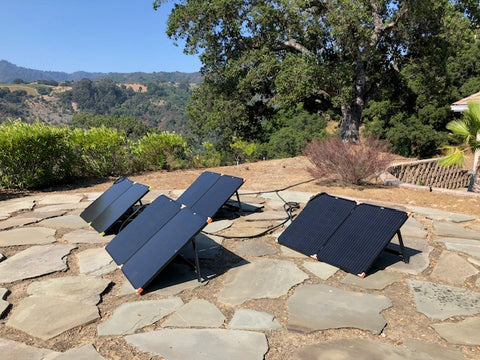
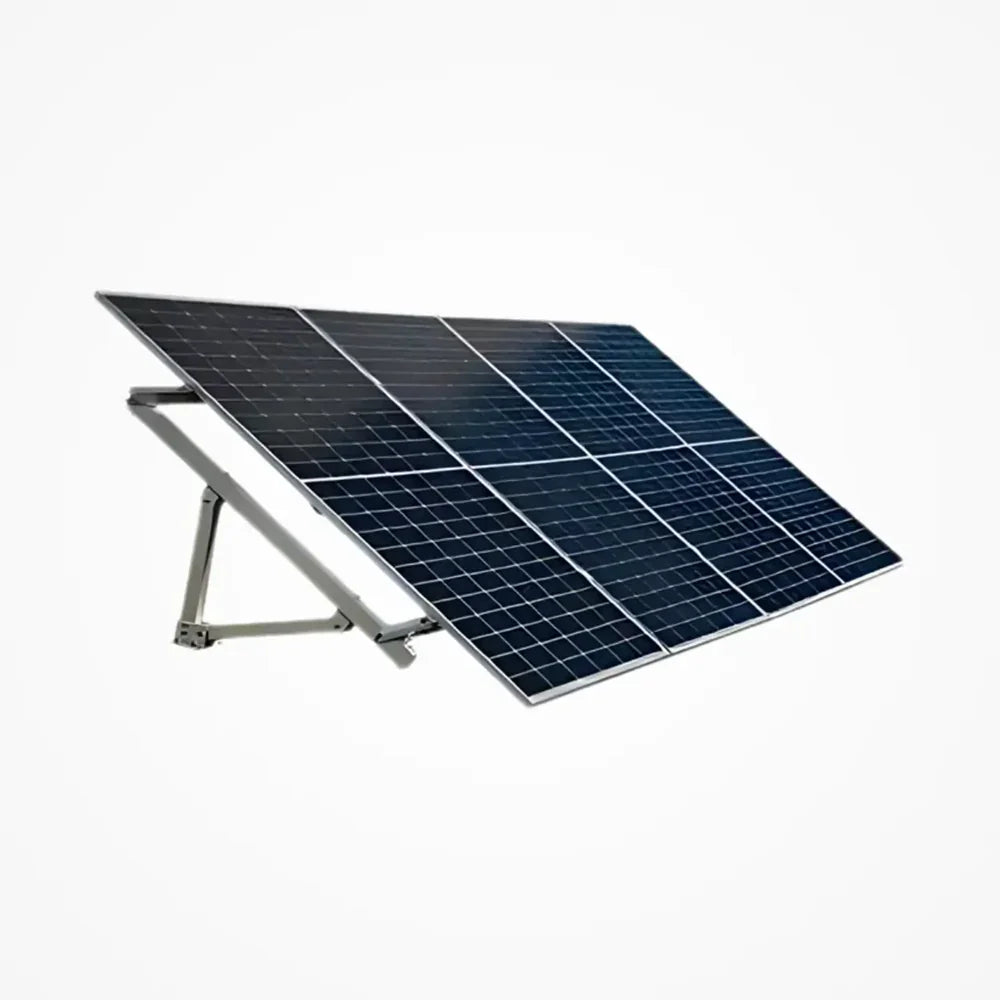
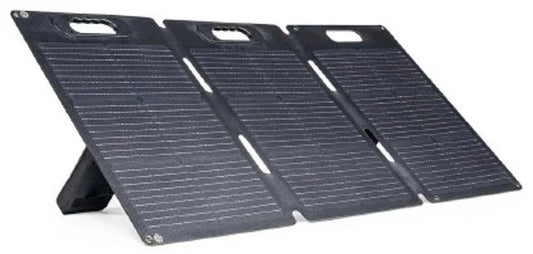
Portable solar panels are compact, foldable solar power systems designed to give you electricity on the go — whether you’re camping in the wilderness, travelling in an RV, living in a tiny home, or simply want a backup power source during outages. Instead of permanently mounting heavy solar panels on a rooftop, portable solar panels give flexibility, mobility, and ease of use while harnessing the same clean, renewable energy from the sun.
Here’s why many people — from travellers to homeowners — love portable solar panels:
Benefits of Portable Solar Panels
-
Portability and Convenience
Portable solar panels are generally lightweight, foldable, or collapsible — many fold down to the size of a suitcase or large laptop. Because of that, you can carry them along on camping trips, hikes, RV or van adventures, or even store them in a car boot. Setting them up is quick: unfold — point toward the sun — plug in — and you have power.
-
Eco-Friendly & Sustainable
These panels convert sunlight into electricity via photovoltaic (PV) cells — no fossil fuels, no emissions — making them a clean, green way to power your devices. Whether you are charging a phone or running a small appliance, you reduce reliance on grid electricity or noisy fuel generators.
-
Energy Independence & Versatility
Portable solar panels are ideal for a variety of uses — charging phones, laptops, cameras; powering lights, fans or small refrigerators; running equipment in remote locations; or serving as emergency backup during blackouts. They are also suited for RVs, boats, tiny homes, cabins — anywhere grid electricity is unavailable or unreliable.
-
Low Maintenance & Plug-and-Play
Most portable solar setups require minimal maintenance — just occasional cleaning to remove dust or debris for best performance. Installation is simple, requiring no drilling or permanent fixtures — usually just unfold + connect to battery or power station.
-
Cost Savings Over Time
Once you invest in a quality portable solar kit, you cut down on fuel costs (if you’d otherwise use a generator) or reduce electricity bills if you're supplementing home energy usage. For travellers or occasional use — this can be financially worthwhile compared to repeated generator fuel costs or paying for electric hookups.
Limitations & Things to Know
However, portable solar panels are not without trade-offs. It’s important to understand their constraints before buying or deploying them:
-
Limited Power Output
Compared to a full rooftop solar installation, portable panels produce much less electricity. Typical portable panels range from roughly 50 W up to perhaps 200–300 W per panel — good for small devices and modest loads, but usually not enough to reliably run high-power appliances like electric stoves, air conditioners, or heavy machinery.
-
Sunlight and Weather Dependence
Their output depends heavily on sunlight availability. On cloudy, rainy or overcast days, power generation can plunge — sometimes down to 10–30% of full capacity. This variability can make them unreliable as a sole power source in regions with inconsistent sunlight or during monsoon / winter season.
-
Durability & Lifespan
Frequent folding, unfolding, transport, and exposure can cause wear and tear. Portable panels — especially flexible or foldable ones — may degrade faster over time than fixed rooftop panels, especially if constantly exposed to harsh weather or rough handling.
-
Space & Setup Considerations
Even though they’re “portable”, panels still require appropriate placement — ideally with direct sunlight and at proper angle. For example, uneven ground or shaded areas can dramatically cut efficiency. For larger panels or multiple panels, space constraints could be a problem.
-
May Not Fully Replace Home Power Needs
For typical households with heavy electricity usage — appliances, air conditioning, water heaters — portable solar panels may not be sufficient. They are best considered as supplemental or backup power, not a full home energy solution.
Frequently Asked Questions (FAQ)
1. What exactly are portable solar panels and how do they work?
Portable solar panels are compact, often foldable solar modules that harness sunlight via photovoltaic (PV) cells and convert it into electricity (usually direct current, DC).
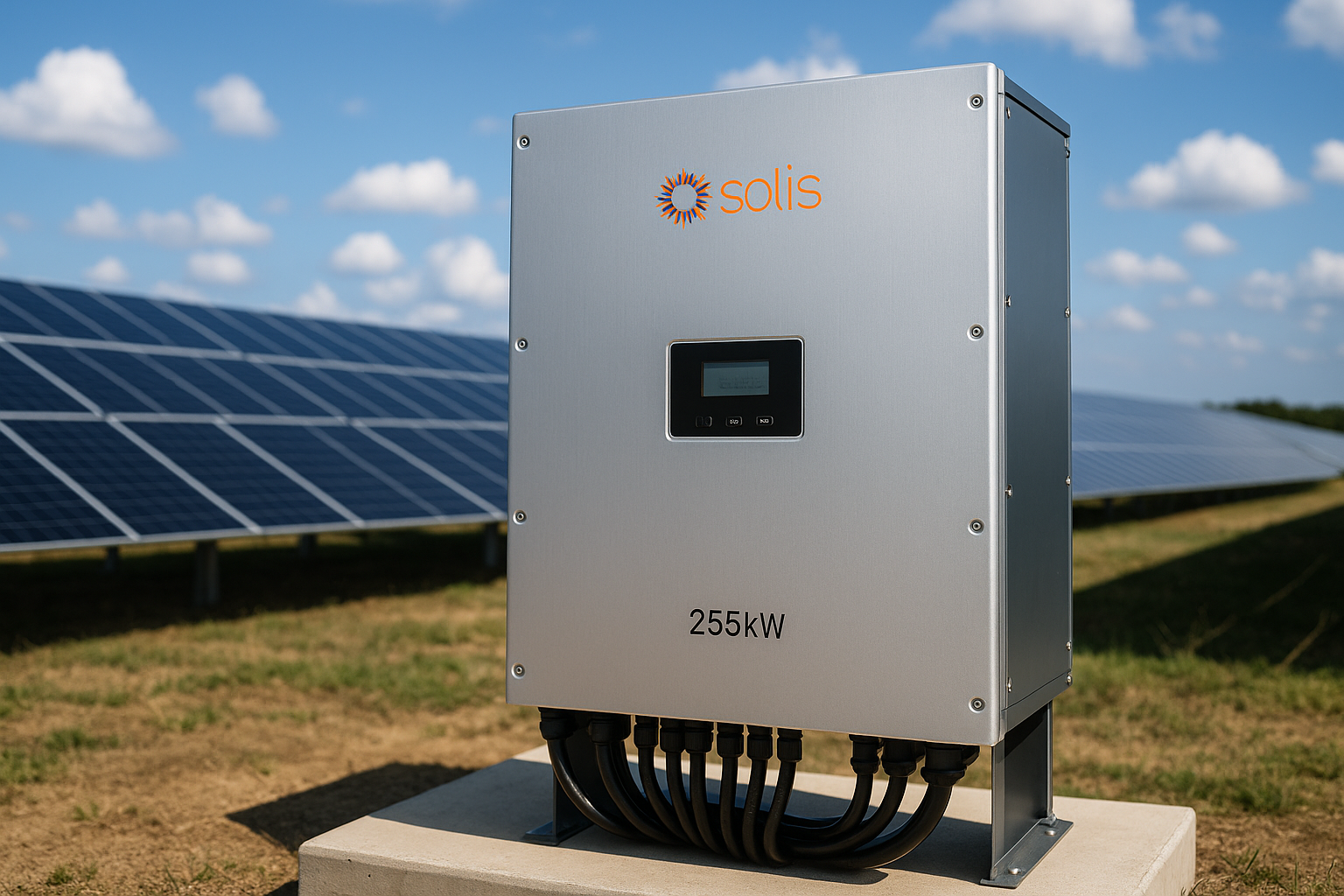
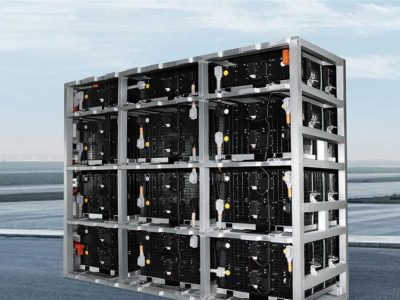
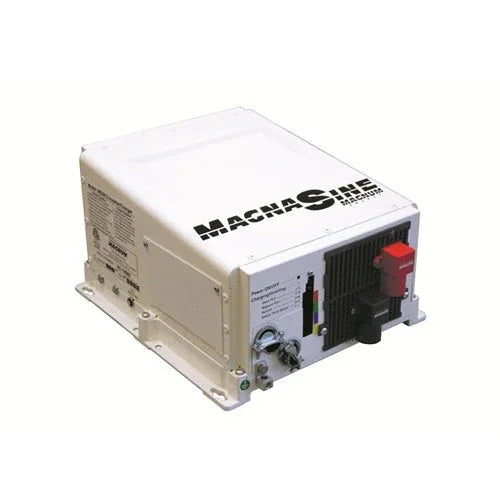
To use the electricity for regular appliances (AC), you typically pair the panel with a battery and inverter or a compatible power station. Installation is usually plug-and-play — unfold the panel, aim it at sunlight, connect it — no permanent mounting or complex wiring required.
2. What can I realistically power with a portable solar panel?
Portable solar panels are best suited for low-to-moderate power needs. Common uses include charging smartphones, laptops, cameras; powering LED lights, fans, small refrigerators or portable coolers; running devices in RVs, boats, tents, or remote workstations; and providing emergency backup power. However, they are typically unsuitable for heavy-load appliances like air conditioners, water heaters, or large kitchen appliances — especially if you rely solely on them.
3. Are portable solar panels worth the investment compared with fixed rooftop solar?
It depends on your needs. If you want mobility, flexibility, off-grid capability, or backup power — especially for travel, camping, tiny homes, or occasional outages — portable solar panels offer great value. They’re easy to deploy, require little maintenance, and can save money over time compared to fuel-based generators or paying for intermittent electricity. On the other hand, fixed rooftop systems generally produce far more power, are more durable, and better suited for whole-home electricity needs.
4. What factors affect the efficiency / performance of portable solar panels?
Several factors influence their output:
-
Amount of sunlight (direct sun vs shade vs cloud cover) — more sun = more power.
-
Orientation & tilt — pointing the panel toward the sun helps maximize energy capture.
-
Cleanliness — dust, dirt or debris on the surface reduce efficiency, so occasional cleaning helps.
-
Quality of cells & build — panels with good monocrystalline cells, proper weatherproofing, and robust connectors tend to perform better and last longer.
-
Power requirements — the more devices/appliances you power, the more wattage and possibly multiple panels/batteries you may need.
5. Who should consider buying portable solar panels — and who should avoid them?
Portable solar panels are ideal for:
-
Campers, hikers, RV/van travellers, boat owners, remote workers — anyone who needs power on the move.
-
People living in small homes, tiny houses, or apartments with limited space for fixed solar installations.
-
Those needing emergency or backup power during outages or unpredictable electricity situations.
You might want to avoid relying solely on portable panels if:
-
You have high electricity demands (air conditioning, heavy appliances, continuous load).
-
You live in areas with frequent cloudy, rainy, or low-sunlight weather, or have limited outdoor space/sun-exposure for panel deployment.
-
You need a long-term, stable source of power for an entire household — fixed solar systems are more efficient and reliable for that.