MidNite Solar MNHBB Arc Fault Kit: Generator Safety Options
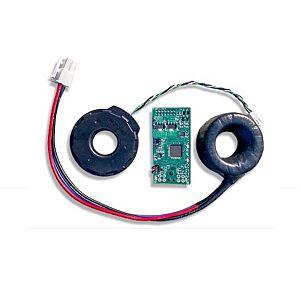
MidNite Solar MNHBB Generator users often require added electrical fault protection in compact power systems. This options kit supports arc fault and ground fault functions for select controller platforms. Designed for Hawke’s Bay and Barcelona configurations, it fits projects needing clearer fault detection and safer shutdown behavior. It helps standardize service checks during troubleshooting.
Features of MidNite Solar MNHBB
Generators benefit from add-on fault monitoring in mixed AC and DC environments. The kit targets arc fault and ground fault risks that occur with damaged conductors. It supports clearer identification of unsafe current paths and can reduce time spent isolating intermittent faults.
Such systems often operate near batteries, inverters, and transfer equipment. These components can mask early fault symptoms, so this kit improves fault visibility during operation. It supports safer maintenance workflows by highlighting fault states sooner.
Power rooms may experience vibration, heat, and dust exposure. Accessory kits like this simplify service routines. The parts are designed to integrate with specific platforms. Compatibility depends on installed Hawke’s Bay or Barcelona hardware sets.
Owners often track compliance needs for off-grid power, where arc fault detection reduces fire risk. Ground fault detection lowers shock risk. Together they support safer operation in renewable energy and backup generator systems.
Related terms include arc-fault protection, ground-fault sensing, off-grid power, inverter integration, and renewable energy systems. These keywords match common design discussions for generator and solar hybrid sites.
How the MidNite Solar MNHBB Works
Setups can include control gear monitoring current flow patterns. Arc faults occur when conductor gaps cause intermittent arcing. The kit enables functions that detect abnormal signatures and supports limiting sustained arcing.
Systems can also face ground faults from insulation damage. A ground fault happens when unintended current flows to ground. The kit has functions detecting leakage or imbalance and supports protective actions when leakage crosses thresholds.
Control logic uses fault states for alarms and shutdown steps. Exact behavior depends on host platform configuration. Installers need to verify wiring paths before powering. They must confirm conductor torque and insulation integrity.
Service work should include functional testing after installation. Technicians can document baseline readings and later compare measurements for drift. This supports reliable troubleshooting for hybrid power electronics.
Applications of MidNite Solar MNHBB
Projects include off-grid cabins and remote telecom sites. These locations often rely on generator start support combined with solar charging. Fault protection helps reduce fire and shock hazards and supports predictable service intervals.
Integration is common in solar-plus-storage designs, using batteries and inverters creating complex fault paths. Added fault functions identify abnormal current sooner, aiding conductor and enclosure protection.
Deployments include marine-adjacent and agricultural buildings. Such places have humidity and rodents, increasing insulation damage risks. Ground fault sensing detects early degradation effectively.
Equipment may serve in backup power for critical loads, like refrigeration, pumps, and communications gear. Fault options support safer operation during unattended runtime and reduce downtime caused by unclear faults.
Accessory selection should match exact platform revision. Hawke’s Bay and Barcelona naming indicate specific product families. Installers must confirm fit before ordering and check enclosure space and cable routing needs.
Specifications of MidNite Solar MNHBB
Kit specifications are limited without a published datasheet. Values below reflect available listing data only. Unknown dimensions and weight are shown as N/A. Verify physical requirements before field installation.
| Brand |
MidNite Solar |
| MPN |
MNHBB-AFGF KIT |
| Product Type |
Generator Accessories |
| Supported Platforms |
Hawke’s Bay and Barcelona configurations |
| Function |
Arc fault and ground fault options kit |
| Dimensions (L x W x H) in |
N/A |
| Weight (lb) |
N/A |
For related parts, see the Portlandia Electric Supply collection for generator accessories and power distribution components. Use this internal resource for compatible options and adjacent items. Browse Portlandia Electric Supply collections.
To compare listings and confirm platform fit, use an external search for the exact MPN and kit name. Search Google for MNHBB-AFGF KIT.
Documentation should be captured in the project file. Record the host platform model and firmware notes. Photograph installed wiring paths and terminations. Keep a log of fault events and maintenance actions.
Troubleshooting often starts with visual inspection. Check cable jackets, strain relief, and conductor routing. Look for heat discoloration or abrasion. Confirm bonding and grounding continuity using approved tests.
Systems should be evaluated for nuisance conditions. Long cable runs can introduce noise and transient events. Secure conductors away from sharp edges. Use proper bushings and conduit where needed.
Safety work must follow local electrical codes. De-energize equipment before servicing. Confirm lockout and tagout where applicable. Use PPE suitable for the available fault current.
Owners may want consistent labeling. Label disconnects, control circuits, and fault indicators. Include a one-line diagram inside the enclosure. This practice reduces time during field service calls.
Protection options are only one part of system reliability. Proper conductor sizing is important. Correct terminal torque reduces resistance heating. Routine inspections support long-term stable operation.
Planning should consider environmental factors. High humidity increases leakage risks. Dust raises heat retention. Keep ventilation paths clear and maintain enclosure seals as designed.
Hybrid setups may include PV charge control and inverter loads. Coordinate protective settings across equipment whenever possible. Avoid conflicting shutdown behavior. Document sequences for restart operations.
Kit use is best paired with periodic functional checks. Test fault indication and reset procedures. Verify alarms are visible to operators. Confirm remote monitoring reports correct fault states.