SolarEdge P1100 Inverter Optimizer for Commercial PV Systems
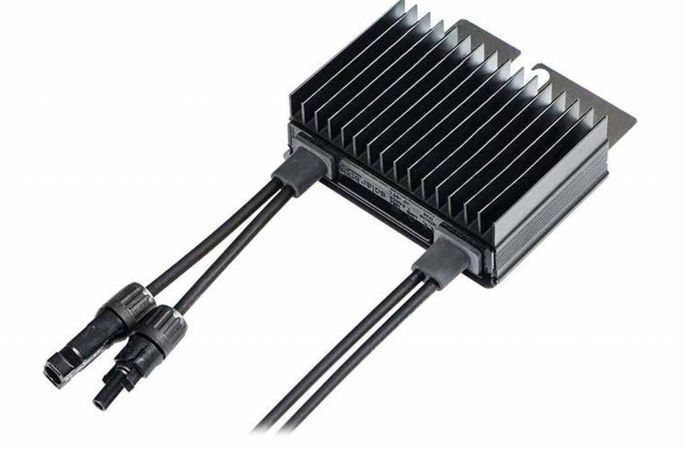
The SolarEdge P1100 Inverter is a DC power optimizer designed specifically for commercial photovoltaic arrays. This unit supports high-power modules and extended string configurations. It works alongside SolarEdge commercial inverters to enhance energy harvest during module mismatch. Additionally, it provides module-level monitoring capabilities when integrated in a compatible setup.
Features of SolarEdge P1100 Inverter
The optimizer leverages module-level MPPT technology to minimize mismatch losses. It supports a 2:1 design ratio, managing two PV modules per optimizer. The device is optimized for commercial system voltages and long strings. Fixed input and output leads simplify installation. It is compatible with 208V or 480V commercial SolarEdge inverters.
Uptime is enhanced due to module-level insight provided by the optimizer. It enables rapid shutdown functions in appropriate system designs. The device mitigates shading impacts on a string level. It also limits performance degradation caused by soiling and uneven aging. These effects depend on site-specific conditions and system layout.
Key terminology includes photovoltaic systems, DC optimizers, module-level power electronics (MLPE), MPPT, and commercial solar arrays. These phrases describe how optimizers fit into PV architecture. Use these terms for clear communication in system design and procurement. Always check compatibility before ordering any component.
How SolarEdge P1100 Inverter Works
The inverter optimizer manages each connected module pair by maintaining an optimal operating point. It outputs conditioned DC power to a compatible SolarEdge inverter, which converts it to AC for loads or export. This architecture contrasts with string inverters lacking optimizers, reducing losses from module mismatch.
Data transmission occurs via DC wiring, ensuring performance is visible on supported monitoring platforms. This allows isolation of issues to specific module pairs, speeding troubleshooting in large rooftop arrays. Always follow local electrical regulations and manufacturer guidelines when working with such devices.
Specified at 1100W and 125V class, the optimizer includes leads compatible with standard commercial wiring. Output lead length measures 2.4 meters; input leads are 1.6 meters. These lengths influence homerun cable planning and connector placement decisions.
Applications of SolarEdge P1100 Inverter
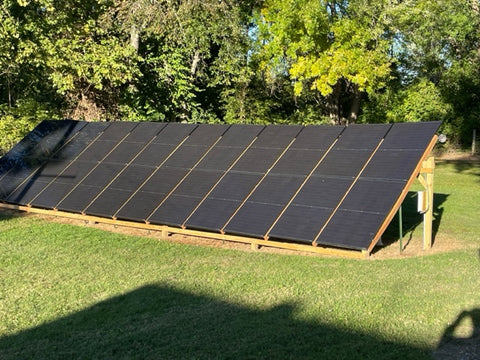
This optimizer fits well on commercial rooftops and ground-mounted arrays. It pairs with SolarEdge commercial inverters operating at 208V or 480V. It is valuable where partial shading and module mismatch occur. The optimizer also suits retrofits needing granular monitoring capabilities.
Commonly paired with high-power PV modules under a two-module optimizer mapping, it supports long strings within design constraints. The solution simplifies design by standardizing module-level electronics. Confirm string sizing with current design software and verify temperature and voltage specifications on-site.
For additional products and compatible parts, see our internal collection page. Browse options based on category and rating via this link: Portlandia Electric Supply solar collection.
For broader research, an external query is advised. Compare details from multiple sources and distributors. Use this search: Google search for P1100-4NMYMRT specifications.
Specifications of SolarEdge P1100 Inverter
This table summarizes known values derived from product titles; no datasheet was provided. Actual dimensions and weight depend on the optimizer revision. Always reference manufacturer documentation before installation. Listed "N/A" entries should be confirmed with official sources.
| Brand |
SolarEdge |
| MPN |
P1100-4NMYMRT |
| Product type |
Inverter (DC power optimizer for SolarEdge inverter systems) |
| Optimizer topology |
2:1 (two PV modules per optimizer) |
| Rated power |
1100 W |
| Voltage class |
125 V |
| Compatible inverter class |
Commercial SolarEdge inverters only |
| Supported AC service context |
Pair with 208 V / 480 V commercial inverters |
| Output wire length |
2.4 m |
| Input wire length |
1.6 m |
| Dimensions (L x W x H) in |
N/A |
| Weight (lbs) |
N/A |
| Datasheet |
Not provided |
This device is frequently specified in optimized commercial photovoltaic system designs. It provides module-level performance control over extended strings. It aids operations and maintenance teams with precise diagnostics. Correct pairing and configuration are essential for these benefits. Always verify connector types and harness needs prior to purchase.
Use this product where code mandates rapid shutdown planning. Double-check local authority having jurisdiction (AHJ) requirements for MLPE behavior. Confirm inverter compatibility throughout project phases. Employ approved racking and cable management techniques. Ensure proper torque and strain relief on field wiring.
It suits new builds and system expansions when matched with commercial inverter architectures. This device is not intended for non-SolarEdge inverter setups. Verify design constraints using current SolarEdge tools. Confirm all electrical ratings for ambient temperature conditions are met.
Integration should follow established photovoltaic safety protocols. De-energize circuits before maintenance. Use appropriate PPE to mitigate DC arc hazards. Follow lockout/tagout procedures on commercial job sites. Record serial numbers for system monitoring mapping.
When selecting alternatives, first compare power classes and topology. Also assess wire lead lengths and connector ecosystems. Verify monitoring requirements and commissioning protocols. Confirm availability of replacement units to standardize fleets. Evaluate warranty terms from official documents.
The optimizer functions within the complete SolarEdge ecosystem, which includes inverters and monitoring systems. System performance depends on thorough design and quality installation. Validate string counts, conductor sizing, and overcurrent protections. Confirm grounding and bonding guidelines for each project.
This product supports commercial energy yield stability goals. It addresses mismatch issues at the module pair level. It reduces shading impact across strings. It delivers granular operational data to assist maintenance. Confirm that your inverter model is compatible with this optimizer family.
The description reflects listing details provided here and does not substitute official engineering documentation. Use certified plans and stamped drawings when required. Always verify parameters against manufacturer’s latest documents. Update records if model revisions alter published specifications.