Battery Backup vs Generator: Which Is Better for Storm Preparedness?
When it comes to storm preparedness, ensuring an uninterrupted power supply is crucial for maintaining safety and comfort during natural disasters. With the increasing frequency and intensity of storms, homeowners are increasingly considering reliable backup power solutions to keep their homes powered when the electricity goes out. Two popular options for home backup power are battery backup systems and generators. Understanding the differences between these systems can help you choose the right backup power for your household needs.
Types of Power Outages
Natural disasters often lead to widespread power outages, affecting millions of people. In the United States, severe weather is responsible for over 80% of major power outages. These outages amplify the challenges faced during natural disasters by cutting off access to essential services and communication channels. Being prepared with a reliable backup power source, such as a battery backup or generator, can provide peace of mind and maintain vital functions within the home during these critical times.
Assessing Your Home's Power Requirements
Living in areas prone to hurricanes and tropical storms, like Florida, requires a tailored approach to assessing power needs. Critical systems in Florida homes often include air conditioning, refrigeration, sump pumps, and medical equipment. Given the high humidity and frequent use of air conditioning, opting for energy-efficient models is advisable to reduce the power load. Calculating the wattage of each essential appliance helps determine the total power output required to keep everything running smoothly. Considering the complexity and higher power demands, a professional assessment can ensure your home backup power system meets your household's specific requirements.
Importance of Emergency Preparedness
Power outages during storms pose significant challenges that can severely impact families. Losing electricity disrupts everyday routines, affecting lighting, heating or cooling systems, and communication access. Without power, cell towers and internet services can fail, severing vital lines of communication. Emergency preparedness now involves more than just stockpiling food and water; it requires a comprehensive strategy that includes reliable backup power solutions. Whether using a home battery backup system, standby generator, or portable power station, ensuring a dependable power supply is essential for safety and continuity during emergencies.
What is a Battery Backup Power System?
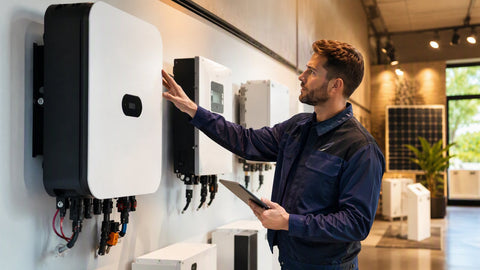
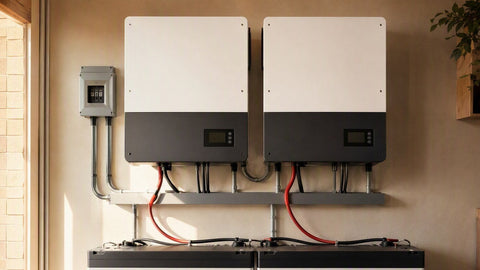
Battery backup power systems are designed to store electricity either from the grid or through solar panels, ensuring a reliable power source when the power goes out. These systems are engineered to provide uninterrupted power by instantly switching on when a power outage is detected. This seamless operation ensures critical circuits in your home, such as lighting, refrigeration, and medical devices, remain functional. Utilizing a home battery backup system offers peace of mind during natural disasters by maintaining essential power supply without delay.
Advantages of Home Battery Backup Systems
Home battery backup systems are gaining popularity as a reliable backup power solution for ensuring uninterrupted power during outages. One of the primary advantages is their ability to instantly detect a power outage and switch to battery power, keeping critical appliances operational without human intervention. Unlike traditional generators, which rely on fossil fuels, battery backup systems operate silently and produce zero emissions during use. This eco-friendly aspect supports sustainability and reduces your household's carbon footprint, aligning with efforts to combat climate change.
Limitations of Battery Systems
Despite their benefits, battery systems have limitations that should be considered. Batteries store a finite amount of energy, and without renewable charging options like solar power, they may only provide power for a limited time. This limitation could prove insufficient during prolonged outages, highlighting the importance of pairing battery backup systems with solar panels to extend their usability. For homes relying solely on battery storage without renewable inputs, understanding power needs and managing power consumption becomes crucial for effective storm preparedness.
Types of Generators: Standby vs. Portable
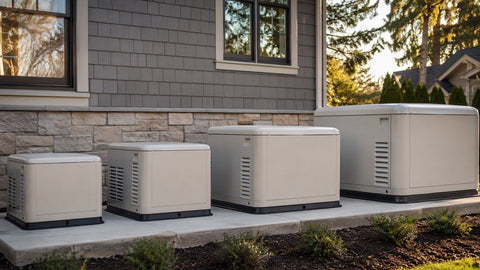
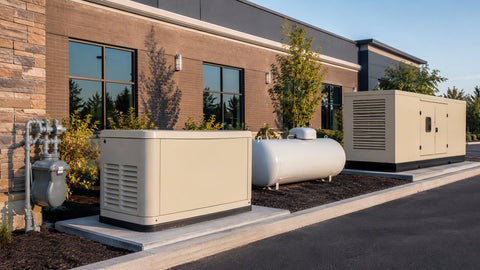
Generators are a common choice for backup power and come mainly in two types: standby and portable.
| Type of Generator | Description |
|---|---|
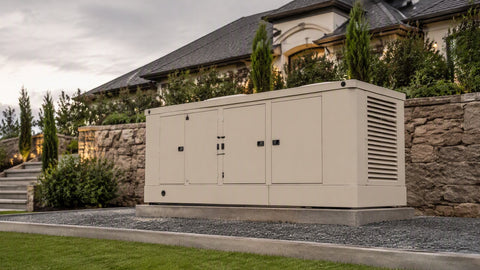
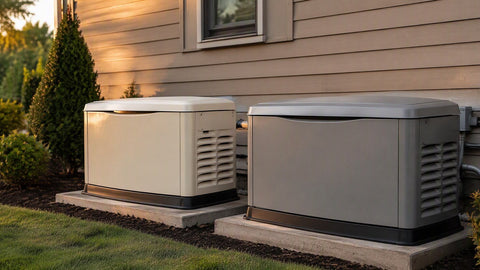
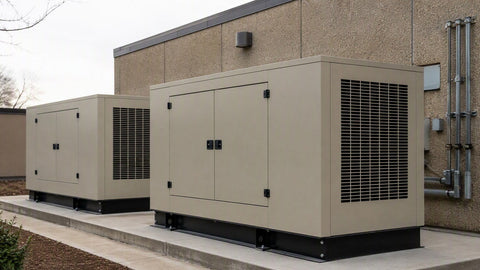
| Standby Generators | Permanently installed outside the home, connected directly to the electrical system, and provide power to the entire home automatically during an outage. |
| Portable Generators | Offer flexibility, can be moved to different locations as needed. |
Each type of generator system offers distinct benefits, making it important to choose based on specific power requirements and home backup needs.
Benefits of Using a Generator
Generators provide a robust backup power source, especially during extended outages. A portable generator can be a lifeline, offering a power solution that supports essential household functions when the grid fails. These units can power various appliances and systems, maintaining comfort and safety during emergencies. While battery backups are a quieter and cleaner option, generators deliver the reliable power needed for prolonged periods, giving homeowners the confidence to weather any storm with an assured energy supply.
Considerations for Generator Use
In areas like Florida, where the climate and environmental conditions present unique challenges, careful consideration is essential when installing and using a backup power system. Ensuring that generators and battery units are securely installed to withstand high winds and flying debris is crucial. In flood-prone areas, elevating systems can prevent water damage during storm surges. Following safety guidelines and regular maintenance, especially for generators with ventilation needs, is critical for efficient operation. Professional installation and maintenance by experts familiar with local conditions are key to ensuring the reliability and safety of both battery backups and generators.
Evaluating Your Options: Battery vs. Generator
When choosing the right backup power source for your home, it's crucial to weigh the pros and cons of battery backup systems and generators. Battery backups are ideal for shorter outages, such as those caused by passing storms or minor power disruptions. These systems are more suitable for smaller homes or those with a limited budget. On the other hand, generators, particularly standby generators, are better suited for areas prone to prolonged outages, like those in Florida during hurricane season. They provide reliable power for larger homes or homes with high-power-demand appliances, ensuring an uninterrupted power supply during extended emergencies.
Cost Considerations for Backup Systems
Cost is a significant factor when selecting a backup power solution. Evaluating these financial aspects is essential for making an informed decision that aligns with your budget and power needs:
| Type of Generator | Cost Considerations |
|---|---|
| Portable Generators | Lower upfront cost, may require frequent refueling and maintenance |
| Standby Generators | Higher initial investment, offers automatic power restoration and long-term reliability |
| Battery Backup Systems and Solar Power Solutions | Varying price points, potential long-term savings on energy costs |
Installation and Maintenance Requirements
Installation and maintenance are vital considerations when implementing a backup power system. Some generator systems, especially those using natural gas or propane, require regular servicing to ensure optimal performance. Standby generators often offer automated operation with minimal intervention, providing peace of mind during outages. Proper installation is crucial for the backup power system to function correctly when needed, and routine maintenance ensures longevity and efficiency. Consulting with professionals for installation and maintenance can help secure a reliable power source for your home, especially in storm-prone areas.
Preparing for Natural Disasters
In recent years, the world has witnessed an alarming rise in the frequency and intensity of natural disasters. Regions like Florida, where hurricanes bring powerful winds and heavy rainfall, face increased risks of flooding and structural damage. Understanding the frequency and duration of power outages in your area is crucial for storm preparedness. By equipping your home with a reliable backup power solution, whether it's a battery backup system or a generator, you can ensure your household remains safe and functional during such emergencies.
Creating a Comprehensive Emergency Plan
Creating a comprehensive emergency plan is essential for safeguarding your family during natural disasters. This plan should include provisions for reliable backup power, ensuring that critical systems like communication, refrigeration, and medical devices remain operational. Evaluating your power needs and selecting the appropriate backup power source—be it a home battery backup system, a standby generator, or a portable power station—can significantly enhance your emergency preparedness. Incorporating these elements into your plan provides peace of mind and maintains your household's resilience during crises.
Real-Life Scenarios: Battery vs. Generator Performance
During prolonged outages, ensuring a continuous power supply becomes a significant challenge. Generators can require larger fuel reserves or a reliable fuel delivery plan, especially when outages extend for days. Homeowners must ensure a sufficient fuel supply and have a strategy for refueling during these periods. Battery backup systems, when paired with solar panels, can offer a sustainable solution for long-term outages, providing reliable power without the constant need for fuel replenishment. Evaluating these scenarios helps you choose the best backup power system for your home, enhancing your overall storm preparedness.
Calculate how much storage you need with our battery sizing calculator.
Check solar incentives available in your state.
Use our free solar system calculator to size your array.
Check out our Solar Panel Comparison Tool. Check out our Inverter Sizing Calculator.
Calculate your solar payback and 25-year savings with our Solar ROI Calculator. Follow our complete DIY solar installation guide for step-by-step instructions. Keep your system running at peak performance with our Solar Maintenance Guide.
Related Products


Generac Powerpact 7.5Kw Home Backup Air-Cooled Gas Engine Generator in Steel Enclosure - G006998-1
ViewRelated Resources
- Solar System Calculator
- Battery Sizing Calculator
- Solar Panel Comparison Tool
- Inverter Sizing Calculator
- Solar ROI Calculator
- Solar Installation Guide
- Solar Maintenance Guide
- Solar Permitting Guide
- Battery Installation Guide
- NEC Code Compliance Guide
- Solar Panel Mounting Guide
- Grounding & Bonding Guide
- Solar Incentives by State
- Pro Account — Wholesale Pricing
- PowerLink Network — Contractor Program
What size generator do I need for my home?
A typical whole-home generator is 22-26kW. Size based on your essential loads (AC, refrigerator, well pump, lights). A 26kW Generac runs two AC units plus standard household loads.
What is the difference between LP and NG generators?
LP (propane) generators produce more power than NG (natural gas) models. A 26kW Generac outputs 26kW on LP vs 24kW on NG.
Do you install generators?
PES Supply is a distributor, not an installer. We can connect you with a qualified installer through our PowerLink contractor network.
PES Supply carries 80,000+ products from 300+ manufacturers. One PO, one invoice, every trade covered.
Need help sizing? Our team can calculate loads, select equipment, and source everything from one PO.
Call (502) 790-0600