Enphase EN Inverter IQ8P Microinverter for 72-Cell PV Modules
Enphase EN Inverter IQ8P is a module-level microinverter designed for 72-cell solar modules. It converts DC power to grid-ready AC at every panel. This design enables rapid shutdown strategies and module-specific monitoring. It also reduces risk of single-point failure in string arrangements. The unit employs an EN4 4-pin bulkhead connector for AC and communication connections. The product is identified by MPN EN-IQ8P-3P-72-E-US.
Features of Enphase EN Inverter
This microinverter targets high-power photovoltaic modules in residential solar setups. It allows distributed energy conversion directly at the module level. This design can boost energy harvest during partial shading scenarios. It also supports different module orientations efficiently. The module-level electronics provide detailed per-panel visibility and diagnostics.
The microinverter approach removes the need for a central string inverter. Conversion occurs close to the solar module, reducing DC wiring lengths on rooftops. Shorter wiring enhances safety and simplifies some layout designs. It supports improved rooftop design practices by minimizing DC voltage exposure.
The model is specified for compatibility with 72-cell PV modules. Installers often pair this with higher wattage, 72-cell panel formats. Compatibility relies on the electrical characteristics of each module. Use Voc and Isc module ratings to confirm proper fit. Always adhere to local electrical codes and utility interconnection requirements.
The EN4 4-pin bulkhead connector aids standardized field connection setups. It streamlines trunk cable interfaces within Enphase ecosystems. Correct connector mating ensures reliable operation. Proper sealing and strain relief techniques are essential. Confirm the environmental rating is suitable for installation locations.
Related keywords include microinverter, photovoltaic, and solar system. These relate to typical solar energy distribution categories. They reflect common search intent for solar power balance systems. Use them to compare equipment classes and system design architectures.
Operation of the Enphase EN Inverter
This system operates by converting DC electricity to AC power at the solar module. The solar module produces DC under sunlight. The microinverter performs maximum power point tracking (MPPT). MPPT helps the module operate near its optimal voltage point for power.
The converted AC outputs merge with other microinverters on an AC branch circuit. A trunk cable typically carries power to a junction box. This leads power to a combiner or service equipment panel. Monitoring data passes through the same communication ecosystem. System controllers may coordinate shutdown operations when necessary.
This architecture reduces the impact of underperforming modules. Shading on one panel does not reduce output of others directly. This is unlike many string inverter systems. It works well on complex, shaded rooftops. It is effective when trees or chimneys cause moving shadows.
Grid interaction depends on local regulations and system configurations. Modern inverters include built-in anti-islanding protection. Export limits can be set with control settings. Always follow utility interconnection guidelines. Confirm required warning labels and disconnect procedures are followed.
Applications for the Enphase EN Inverter IQ8P
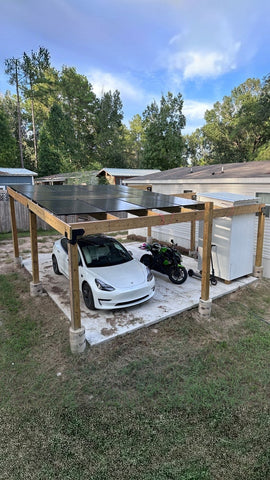
This microinverter is widely used in residential rooftop solar systems with 72-cell modules. It fits installations on multi-plane roofs. It is suitable for carports and detached structures as well. Module-level conversion aids performance where conditions vary between panels.
It is popular for retrofit installations. Microinverters can replace failing string inverters or avoid their drawbacks. They enable incremental system expansion without redesigning string layouts. Homeowners can add modules easily. This depends on branch circuit capacity and local code limits.
Contractors often specify it to meet monitoring requirements. Per-module data supports troubleshooting and validation. This helps identify shading, soiling, or mismatch problems. It reduces diagnostic time and supports ongoing performance tracking.
For solar accessories and related equipment, use this internal collection link. Portlandia Electric Supply solar collection.
For detailed research on this model and its identifiers, use this search link. Google search for EN-IQ8P-3P-72-E-US.
Specifications
The specifications below reflect available product IDs and listing fields. No datasheet was provided for confirmation. Dimensions and weight show N/A when unverified. Always verify electrical ratings using official Enphase literature. Check code compliance for your jurisdiction.
| Brand |
Enphase |
| MPN |
EN-IQ8P-3P-72-E-US |
| Product Type |
Microinverter |
| Compatible PV Module Format |
72-cell PV modules |
| Connector Type |
EN4 4-pin bulkhead connector |
| Dimensions (L x W x H) in |
N/A |
| Weight (lbs) |
N/A |
| Datasheet URL |
N/A |
The Enphase EN Inverter IQ8P selection should align with module voltage and current limits. Confirm peak and cold Voc conditions before installation. Check AC branch circuit sizing and trunk cable ratings. Use approved components and installation procedures only.
Enphase systems typically include monitoring gateways. Monitoring reveals per-module power generation and alert status. This feature supports maintenance and warranty documentation. It also highlights wiring or connection faults. Always follow torque and connector instructions.
Microinverters support mixed orientation designs effectively. East and west roof planes benefit from module-level conversion. Performance loss due to mismatch decreases significantly. This is common in urban residential installations. It is also typical on irregular-shaped roofs.
The design improves flexibility for rooftop array changes. It reduces the need for complex string length calculations. Expansion planning becomes simpler, although AC branch limits still apply. Carefully plan conductor sizes and circuit breaker ratings.
Installation must be performed by qualified professionals. Lockout/tagout procedures are essential for safety. Use proper PPE during setup and commissioning. Verify grounding and bonding comply with National Electrical Code and local amendments.