In 2025, the smartest buyers anchor decisions to six core factors: reliability, performance, efficiency, warranty, service network, and noise & emissions, plus the fuel options the model supports when evaluating standby home generators.
Reliability and warranty determine long-term peace of mind: a robust warranty and accessible parts translate to less downtime and lower ownership risk for standby generators.
To help you compare, you can use a simple scorecard, and for a broader overview of generator options, consult the best generator buying guide.
Industry expert note: The strongest differentiator in 2025 is the breadth of the service network and the availability of parts nationwide, which shortens downtime and protects installation timelines.
In practice, informed buyers look for models with clear maintenance plans and strong regional service coverage, a topic explored in the best whole home generator rhomeautomation discussion on Reddit.
From a consumer sentiment perspective, reliability and service support weigh heavier than ever. This is reflected in longer warranties, more comprehensive training for installers, and a preference for brands with mature dealer networks. At PES Supply, a nationwide distributor with a catalog of 50,000+ SKUs across 169 authorized brands, we’re seeing more contractors specify standby systems that pair with automatic transfer switches and robust monitoring dashboards, as well as portable/inverter options that keep noise and emissions in check on job sites and in residential neighborhoods. Industry observers also note a shift toward smarter remote diagnostics that cut down on truck rolls and accelerate fault resolution.
Industry analyst quote: 'Smart monitoring and remote diagnostics are reshaping customer expectations for standby power, making service networks and data transparency as important as the hardware itself.'
Portable generators are designed for flexibility and mobility. They run on gasoline or diesel and are ideal for on-site power at temporary worksites, camping, or tailgating. They’re typically less expensive upfront but require manual setup to start and connect loads. Noise levels are higher, and run-time is directly tied to fuel capacity and load. If you’re prioritizing portability and cost, a well-matched portable can fill gaps between larger generators on a project or during emergency outages.
Inverter generators
Inverter technology produces clean, stable power with high efficiency and quieter operation. Inverter gens deliver consistent voltage and are well suited for sensitive electronics, laptops, and small appliances. They usually come in lighter packs and have smart features like built-in handles and fuel efficiency modes. Expect lower running noise and better fuel economy than traditional conventional portable units, at a modest premium.
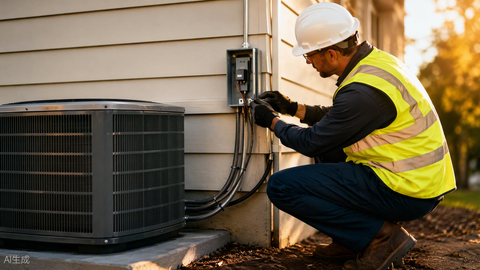
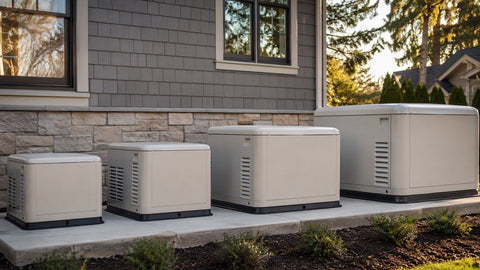
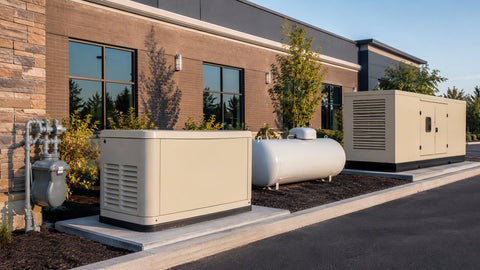
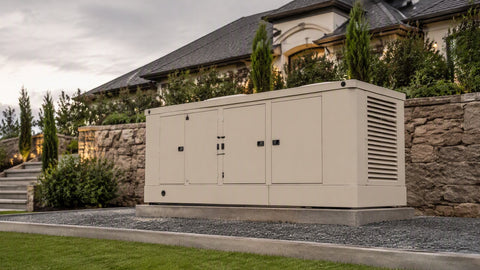
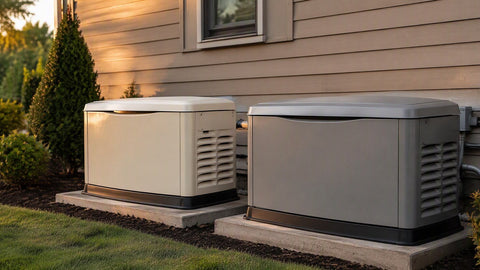
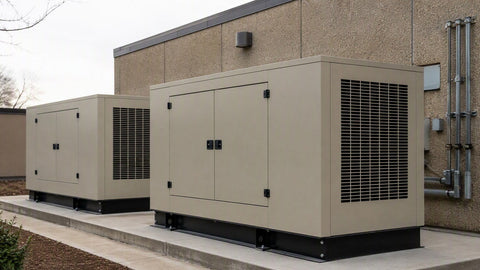
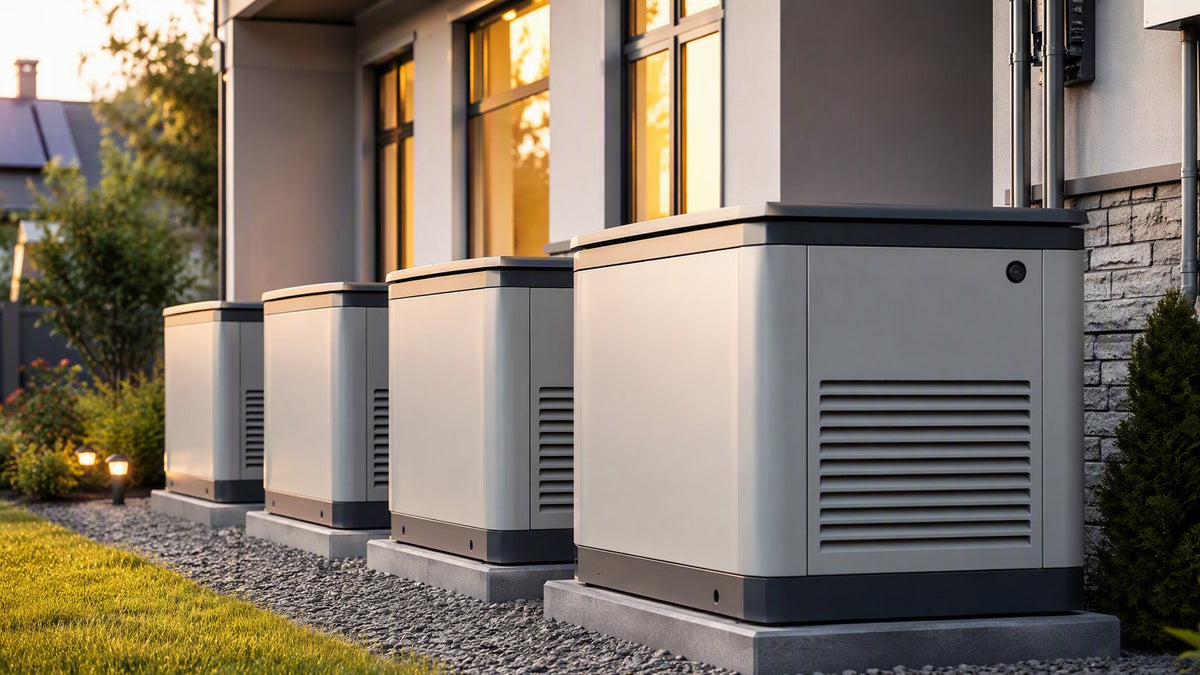
Standby units are permanently installed and designed for automatic operation during outages. They’re paired with an automatic transfer switch (ATS) to instantly restore power to critical circuits, making them ideal for homes with essential loads or for small- to mid-size commercial applications. Standby's are robust, weather-resistant, and designed for long runtimes. The upfront cost is higher, but the value comes from seamless power restoration and ongoing reliability.
Dual-fuel generators
Dual-fuel models offer fuel versatility, typically running on both natural gas or propane. This flexibility is valuable in weather-prone regions or where fuel supply risks exist. Dual-fuel systems often explain higher upfront costs but reduce uptime risk during fuel outages. In many cases, you’ll get the same broad warranty and service network as single-fuel counterparts, with the added benefit of fuel choice depending on availability and price.

Generac
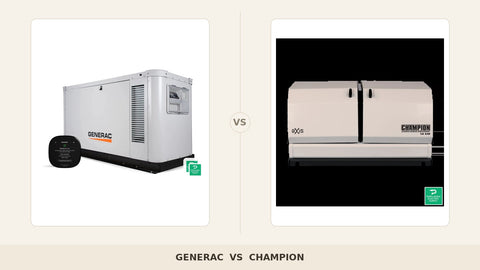
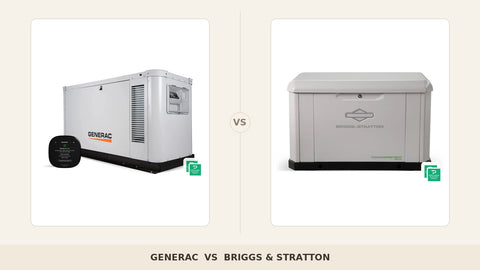
Overview: Generac is synonymous with home standby power in the U.S., offering a broad spectrum from portable generators to full-home standby systems with automatic transfer switches. The ecosystem includes remote monitoring, apps, and a wide installer base. Generac’s emphasis on turnkey solutions helps contractors deploy complete standby packages quickly.
Reliability & warranty: Generac’s standby line is known for durable construction and solid warranties, often featuring extended coverage on critical components and transfer switches. Their service network is among the strongest nationwide, with widespread parts availability and training programs for installers.
Best use-case: Ideal for homeowners seeking seamless backup with automatic restoration, residential builders prioritizing quick deployment, and contractors needing a dependable nationwide service footprint.
Portlandian installers say: 'Generac’s ATS and monitoring dashboards simplify design and maintenance for new build projects.'
Honda
Overview: Honda is renowned for quiet, reliable portable and inverter generators. Their units are compact, durable, and known for smooth power delivery, which makes them a favorite for camping, RVs, and small-to-mid load backup scenarios.
Reliability & warranty: Honda’s after-sales support and dealer network are strong, with a reputation for lasting reliability and easy maintenance. Warranty terms are competitive and support channels broad.
Best use-case: Best for noise-sensitive settings, outdoor enthusiasts, and homeowners needing portable or inverter options with clean power output.
Dealer feedback: 'Honda’s quiet operation and compact design make it a top pick for portable power with limited storage space.'
Kohler
Overview: Kohler positions itself as a premium standby and commercial power brand, with large-kW options and rugged construction. They emphasize performance, durability, and installer-friendly features for new-builds and critical-load scenarios.
Reliability & warranty: Kohler is known for strong warranties and an extensive service network, especially in the mid-to-large residential and light commercial segments. Their units are designed for long-term, continuous operation.
Best use-case: Ideal for homes with high critical-load demands, light commercial applications, and projects valuing a mature installer ecosystem.
Installer insight: 'Kohler’s larger output options pair well with modern ATS configurations on new construction.'
Briggs & Stratton
Overview: Briggs & Stratton offers a solid lineup across portable and mid-range standby segments with competitive pricing. The brand has broad parts availability and a well-established dealer and retailer network.
Reliability & warranty: Known for dependable performance in typical residential uses, with value-oriented warranties that appeal to budget-conscious buyers.
Best use-case: Strong value choice for homeowners and small contractors who want reliable protection without premium upfront costs.
Distributor note: 'Briggs & Stratton provides essential coverage with accessible parts nationwide, which keeps maintenance predictable.'
Champion
Overview: Champion blends value with a broad range of portable and inverter generators, supported by widely available consumer channels and straightforward maintenance.
Reliability & warranty: They offer competitive warranties and a user-friendly experience, making them a popular option for budget-conscious buyers and DIY installers.
Best use-case: Great for budget-conscious homeowners, weekend warriors, and small job sites where quick availability and simple operation matter.
Retailer feedback: 'Champion’s wide distribution makes consistent parts and service accessibility a key strength.'
Yamaha
Overview: Yamaha combines quality portable and inverter models with a reputation for smooth operation and low vibration. They’re widely used in outdoor, RV, and off-grid setups where quiet power is valued.
Reliability & warranty: Yamaha models are known for long-term reliability and solid after-sales support, with good resale value and dealer coverage.
Best use-case: Best for users prioritizing quiet operation, compact design, and durability in outdoor or travel contexts.
Expert view: 'Yamaha’s engineering discipline translates into dependable, quiet power that’s easy to live with over time.'
Best overall home backup (standby): Generac or Kohler with appropriately sized automatic transfer switches and a plan for critical loads. These brands offer mature networks, robust warranties, and clear integration paths with smart monitoring.
Best portable/inverter for noise-sensitive use: Honda or Yamaha inverter lines deliver cleaner power with the quietest operation, ideal for homes, camps, and light-duty backup where sound is a consideration.
Best value and broad availability: Briggs & Stratton or Champion portable/inverter options provide solid performance at accessible price points with extensive parts and service coverage.
When you read generator specs, differentiate wattage (continuous power) from surge power (peak power for starting loads). A common residential rule of thumb is to size for 20–40% more surge than running watts to handle startup currents. Look at runtime at a realistic load to estimate fuel costs, and note the fuel type and efficiency of the engine and any inverter stage that smooths power delivery for electronics.
Understanding a model’s noise level (dB) and emissions certifications helps determine if it’s suitable for your environment and city regulations. If you’re choosing a dual-fuel option, confirm gas pressure requirements and propane tank compatibility. Finally, verify that the unit integrates with an existing ATS or any planned smart monitoring system you rely on.
Upfront price scales with capacity and features. Portable/inverter models generally start lower and scale with power output and advanced controls, while standby systems are higher upfront but deliver automatic backup and long-term reliability. Beyond sticker price, weigh maintenance intervals, fuel costs under typical usage, and the cost of potential service calls in your region. A longer warranty can significantly reduce TCO by covering major components and minimizing out-of-pocket expenses over time.
Consider also the value of service networks and parts availability when comparing brands. A model with a strong nationwide dealer and parts network reduces downtime and makes scheduling maintenance easier. In a turnkey setup from a distributor with national coverage, you gain faster delivery, predictable installation timelines, and a single point of contact for warranty and support.
Most top brands offer multi-year warranties on engines, alternators, and critical components, with detailed coverage for emissions-related parts where applicable. The breadth of a brand’s service network—including trained technicians, authorized parts centers, and clear warranty terms—strongly influences long-term satisfaction. In 2025, smart monitoring and remote diagnostics are increasingly standard, enabling proactive maintenance and fewer field visits.
Your maintenance plan should include regular oil changes, spark plug or filter checks (depending on model), battery checks for standby units with ECU controls, and a scheduled ATS inspection if you have one. Ensure your installer registers the warranty and that you have ready access to authorized parts and support through your regional distributor. This approach minimizes downtime and protects your investment.
Use a standardized scorecard to rate brands on six criteria: reliability, performance, efficiency, warranty, service network, and noise/emissions, plus an overall cost of ownership score. Start by identifying your loads and required critical circuits, then shortlist brands with strong service networks in your area. For each model you’re considering, fill in the scorecard values for each criterion and compute a total score to guide your decision.
Practical buying steps:
- Step 1: Determine total connected load and surge requirements for your home, shop, or facility.
- Step 2: Shortlist brands with proven service networks you can rely on nationwide.
- Step 3: Compare models by real-world run-time, fuel options, and inverter capability.
- Step 4: Estimate total cost of ownership, including maintenance and fuel costs over 10–15 years.
- Step 5: Plan installation with a certified installer and schedule a test run to verify performance under load.
- Step 6: Register warranties and set up remote diagnostics where available.
Test-run checklist: verify starting reliability, load-shedding behavior, ATS response, and listening for unusual noises. Confirm that parts are available in your region and ensure your chosen model is compatible with your home automation or building management system. A well-documented purchasing process improves long-term service and uptime.
Choosing the right generator brand for 2025 means balancing upfront costs with long-term value, service support, and the ability to maintain clean, reliable power under diverse conditions. Generac, Honda, Kohler, Briggs & Stratton, Champion, and Yamaha each bring distinct strengths across standby, portable, and inverter segments. Your best-fit solution will align with your load profile, site constraints, and the breadth of your service network.
To simplify the decision, start with a scorecard using your actual project data. Leverage PES Supply’s nationwide reach — 50,000+ SKUs across 169 authorized brands, shipped via LTL freight from Louisville, Kentucky to source turnkey solar and power solutions that pair with premium Tier 1 panels and rapid delivery. Our team can help you configure a system, validate runtimes, and map out a maintenance plan that keeps you online where it matters most.
Power your next project with confidence by visiting PES Supply, a nationwide electrical supply distributor and installer partner offering premium Tier 1 solar panels, standby generators, and related electrical equipment. They provide turnkey solar solutions, live support, and fast nationwide LTL freight delivery from a Louisville, Kentucky supply house, serving contractors, installers, and homeowners with a catalog of 50,000+ SKUs across 169 authorized brands. Click now to unlock faster sourcing, expert guidance, and reliable nationwide delivery—learn more today and power up your success.
Related Resources:
- Best Solar Panels 2026 — Buyer's Guide
- EG4 vs Tesla Powerwall
- Qcells vs Trina vs JA
- Solar Inverter Buyer's Guide
- Solar Battery Buyer's Guide
- 5kW Solar Kit
- 10kW Solar + Battery Kit
- Off-Grid Cabin Kit
- EG4 Batteries
- Qcells Solar Panels
- Trina Solar
- JA Solar
- REC Solar
- Mission Solar
- Sol-Ark Inverters
- SolarEdge Inverters
- Generac PWRcell
Calculate how much storage you need with our battery sizing calculator.
Check solar incentives available in your state.
Use our free solar system calculator to size your array.
Check out our Solar Panel Comparison Tool. Check out our Inverter Sizing Calculator.
Calculate your solar payback and 25-year savings with our Solar ROI Calculator. Follow our complete DIY solar installation guide for step-by-step instructions. Keep your system running at peak performance with our Solar Maintenance Guide.
Related Resources
- Solar System Calculator
- Battery Sizing Calculator
- Solar Panel Comparison Tool
- Inverter Sizing Calculator
- Solar ROI Calculator
- Solar Installation Guide
- Solar Maintenance Guide
- Solar Permitting Guide
- Battery Installation Guide
- NEC Code Compliance Guide
- Solar Panel Mounting Guide
- Grounding & Bonding Guide
- Solar Incentives by State
- Pro Account — Wholesale Pricing
- PowerLink Network — Contractor Program
What size generator do I need for my home?
A typical whole-home generator is 22-26kW. Size based on your essential loads (AC, refrigerator, well pump, lights). A 26kW Generac runs two AC units plus standard household loads.
What is the difference between LP and NG generators?
LP (propane) generators produce more power than NG (natural gas) models. A 26kW Generac outputs 26kW on LP vs 24kW on NG.
Do you install generators?
PES Supply is a distributor, not an installer. We can connect you with a qualified installer through our PowerLink contractor network.
PES Supply carries a catalog of 50,000+ SKUs from 169 authorized brands. One PO, one invoice, every trade covered.
Need help sizing? Our team can calculate loads, select equipment, and source everything from one PO.
Call (502) 790-0600