Updated September 2026 — refreshed against the live PES catalog; product pricing verified 2026-09-26.
2026 product line update
| Product | Class | Price |
|---|---|---|
| Canadian Solar 710W TOPCon Bifacial Solar Panel | 710W | $340.80 |
| Hyundai 640W 156-Cell TOPCon Bifacial Solar Panel | 640W | $220.78 |
| Thornova Solar TS-BGT72(600) 600W Bifacial Solar Panel | 600W | $165.76 |
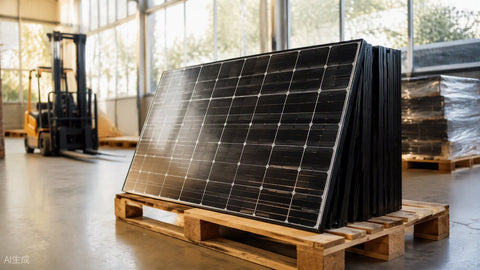
| Thornova Solar 595W Solar Panel 144 Cell Bifacial TS-BGT72(595) Wholesale 31 panels per pallet | 595W | $164.64 |
| ZNShine Solar 585W 144-Cell Bifacial Solar Panel | 585W | $246.99 |
| Hyundai HiS-S585OJ 585W Clear on Transparent156 Half-Cell Bifacial Solar Panel | 585W | $195.86 |
Live prices verified 2026-09-26. The current pallet line tops out at 550–640W, plus the Canadian Solar 710W TOPCon flagship panel.
The inverter is the brain of a solar system and the component most likely to fail first — panels carry 25-year warranties, inverters carry 10–12, and the service calls follow that ratio. Pick the right inverter architecture and you've bought yourself two decades of boring reliability and easy expansion. Pick wrong and you've bought a bottleneck: a string inverter shading problem, a hybrid that can't talk to your battery, or a microinverter ecosystem that locks you out of your own monitoring. We sell, wire, and service all three architectures, so this guide is the counter-talk version: what the architectures actually cost you, which models earn their keep in 2026, and the NEC requirements that shape the choice. For the type-level deep dive, our solar inverter types guide is the companion read.

The Three Architectures, Judged Honestly
Every residential inverter sold in 2026 is one of three things, and the architecture decision matters more than the brand decision ever will:
| Architecture | How It Works | Cost per Watt (typ.) | Shade Behavior | Monitoring | Failure Mode | Best Fit |
|---|---|---|---|---|---|---|
| String inverter | One box converts a series string of panels | $0.10–$0.20 | Worst — one shaded module drags the string | System-level only | One box down = whole array down | Unshaded roofs, budget-first builds |
| String + DC optimizers | Per-panel conditioners feed a central inverter | $0.20–$0.30 | Good — losses confined to shaded module | Per-module | Central inverter is still single point of failure | Complex roofs with some shade |
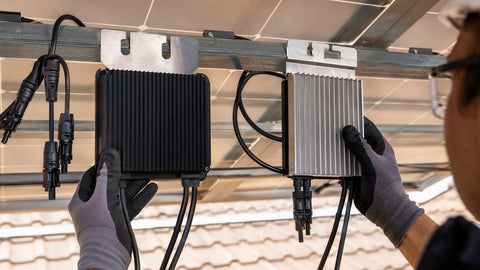
| Microinverters | One small inverter per panel, AC on the roof | $0.25–$0.40 | Best — fully independent modules | Per-module | One micro down = one panel down | Shaded/complex roofs, expansion-minded owners, module-level rapid shutdown made simple |
Our field bias, stated plainly: microinverters on complex or shaded residential roofs, string-plus-optimizer where the roof is clean but the budget is tight, and hybrid inverters wherever storage is on the roadmap — which in 2026 is nearly everywhere. The hybrid question deserves its own section, because it's reshaped the market more than any efficiency spec has in a decade.
The Models That Matter in 2026
These are the units we stock and stand behind, with published nominal specs — verify against current datasheets, because firmware and hardware revisions move numbers.
| Model | Architecture | Rated Output | Peak / CEC Efficiency | Warranty (std.) | Notes from the Field |
|---|---|---|---|---|---|
| Enphase IQ8+ / IQ8AC microinverters | Microinverter | 290–366 VA per unit | 97.5% / 97% class | 25 yr | Sunlight-backup capable without battery; the safe premium default. See the Enphase brand guide |
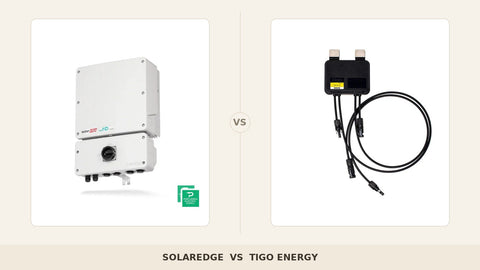
| SolarEdge Home Wave (SE7600H–SE11400H) | String + optimizers | 7.6–11.4 kW | 99.2% / 99% class (weighted) | 12 yr (ext. to 25) | Best-in-class efficiency; optimizer per panel; single-point-of-failure trade. SolarEdge guide |
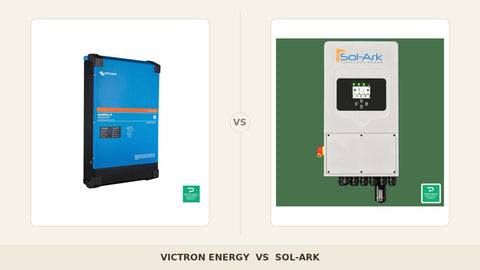
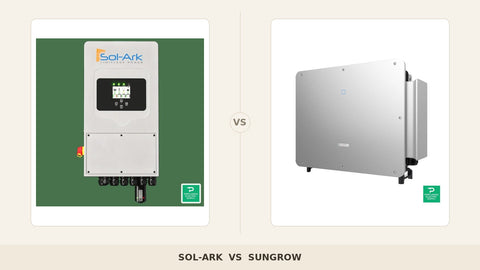
| Sol-Ark 15K-2P | Hybrid (battery-ready) | 15 kW | ~96.5% CEC class | 10 yr | The off-grid/hybrid workhorse; closed-loop with major LFP batteries; Sol-Ark guide |
| EG4 18KPV / 6000XP | Hybrid | 18 kW / 6 kW | ~95.5–96% class | 5–10 yr by line | Value hybrid leader; pairs natively with EG4 batteries; Sol-Ark vs EG4 comparison |
| SMA Sunny Boy (US line) | String | 3.8–7.7 kW | 97.5–98% class | 10 yr | Last great pure string option; ShadeFix mitigates partial shade; SMA guide |
| Fronius Primo GEN24 Plus | Hybrid string | 3.8–11.4 kW | ~98% peak class | 10 yr | Excellent with BYD storage; PV Point backup outlet; Fronius guide |
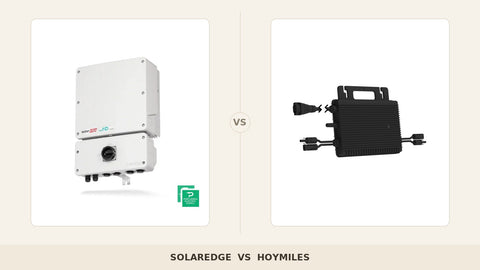
On the microinverter side beyond Enphase, Hoymiles has matured into a legitimate value alternative, and the head-to-heads — Enphase vs Hoymiles and Enphase vs SolarEdge — run the numbers per roof type. In the hybrid tier, the SMA-versus-Fronius and Sol-Ark-versus-Sungrow matchups cover the European and value challengers in depth.
Sizing: DC/AC Ratio, Voltage Windows, and the Math That Matters
Inverter sizing is three calculations, not one. First, the DC/AC ratio: arrays are routinely oversized 1.2–1.4× the inverter's AC rating because panels rarely hit nameplate and clipping losses at that ratio are under 2% annually. Second, the MPPT voltage window: string voltage must stay inside the inverter's operating window on the coldest design morning — module Voc rises roughly 0.3%/°C below 25°C, and a string that's legal in September can over-volt an input in January. Third, for hybrids, continuous and surge power versus your backed-up loads panel: a 15 kW hybrid's inverter and a 15 kW backup output are not the same rating on every datasheet — read both lines.
| System Size (DC) | Architecture | Typical AC Inverter Rating | DC/AC Ratio | String Check (cold-morning Voc) | AC Breaker (NEC 690/705, 125% factor) |
|---|---|---|---|---|---|
| 5 kW | 18× IQ8-class micros | ~5.2 kVA | ~0.96 | N/A (per-module) | 30 A / 240V |
| 8 kW | String + optimizers (SE7600H) | 7.6 kW | 1.05–1.25 | Verify string Voc < 480–500V window limit at record low temp | 40 A / 240V |
| 12 kW | Hybrid (Sol-Ark 15K) | 15 kW inverter / battery-coupled | 0.8–1.2 (leave PV headroom) | MPPT window 175–425V class; 2–4 strings | 60–80 A / 240V |
| 15 kW | Hybrid (EG4 18KPV) | 18 kW PV input / 12 kW AC class | ~1.25 max recommended | Three MPPTs; balance string lengths | 60 A / 240V per output spec |
On the AC side, NEC 690.8 and 705.28 set the 125% continuous-current sizing for output circuits, and NEC 705.12's 120% rule limits how much inverter output a residential panel can backfeed — a common ceiling on retrofit system size and a reason load-side taps and panel upgrades enter so many conversations. Conductor sizing pulls from NEC 310.16 as always; our NEC wire sizing and ampacity guide has the charts. And every rooftop system since NEC 2017 needs module-level rapid shutdown per 690.12 — microinverters and optimizers satisfy it by architecture; pure string systems need add-on shutdown devices, which is one more line on the cost comparison that brochures skip.
Efficiency, Degradation, and What "97%" Actually Buys You
Peak efficiency numbers cluster so tightly (96.5–99.2%) that they're nearly meaningless as a selection criterion between reputable brands. CEC weighted efficiency — which measures performance across realistic load levels rather than a single laboratory sweet spot — is the honest number, and the practical spread is maybe 1.5 percentage points. On an 8 kW system producing 11,000 kWh a year, that's roughly $25–$35 a year of difference at typical rates. Real money, but not architecture-deciding money.
What separates inverters in year eight is thermal design and component quality. The inverter lives a hard life: daily thermal cycling, rooftop ambient heat for string units and roof-deck temperatures for micros that can exceed 150°F on a dark roof in August. Fanless, sealed designs (Enphase micros, SMA's line) avoid the fan failures that take down budget string units in dusty climates. Electrolytic capacitor quality determines most end-of-life behavior — it's why the 25-year Enphase warranty exists and why value-tier 5-year warranties are priced that way. Mounting location is the free variable: a string inverter shaded on a north wall will outlive the same unit baking on a south wall by years, and that detail costs nothing at install time. Our field data across a decade of installs: expect one string-inverter replacement in a 25-year system life, and essentially zero micro replacements under warranty coverage. Price that into the comparison and the cost-per-watt gap narrows considerably.
Storage-Readiness: The 2026 Tiebreaker

Every design conversation we have now includes the sentence "and what about batteries later?" The inverter determines how expensive that "later" is. A pure string or optimizer system adds storage via AC coupling (a battery with its own inverter, like a Powerwall or an Enphase IQ Battery stack) — works fine, costs an extra inversion stage and some efficiency. A hybrid inverter adds storage with batteries and a cable run — cleaner, cheaper, one less box on the wall. If there's any chance storage joins the system within five years, buy the hybrid now; retrofitting around a pure string system is the most common buyer's-remorse story we hear. The battery side of that pairing is covered in our solar battery buyer's guide and inverters for solar battery systems.
Also watch the closed-loop communication question: hybrid inverters and lithium batteries perform best when they talk over CAN/RS485 — the battery's BMS dictates charge parameters to the inverter directly, updated automatically as firmware evolves. Sol-Ark and EG4 pair with the major LFP rack batteries; Victron and Sol-Ark handle the off-grid end; mixing brands without a published compatibility list is how you end up hand-programming charge voltages and hoping. Our running manufacturer rankings track the compatibility matrix as it evolves, and the hybrid inverter brands guide narrows the shopping list.
Grid-interactive features are the last piece of the 2026 picture. IEEE 1547-2018 compliance is now effectively mandatory for new interconnections, and it buys the grid ride-through and volt-var behavior utilities increasingly require — but it also means an inverter certified for one state's rule set may need a firmware profile for another's. Confirm your inverter is on the utility's approved list before purchase; an unlisted inverter is an interconnection application that goes nowhere. Export-limiting (setting the inverter to zero-export or a capped-export profile) is the other feature worth asking about — in non-net-metering territories it can be the difference between a permittable system and an oversized one, and most 2026 hybrids support it natively with a pair of CT clamps on the service entrance.
Frequently Asked Questions
Monitoring and the Software Lock-In Question
An inverter purchase in 2026 is also a software subscription to an ecosystem, and buyers should price that honestly. Enphase's Enlighten, SolarEdge's monitoring portal, Sol-Ark's and EG4's apps — all are competent, all are free at the homeowner tier, and all create switching costs: module-level history, warranty claims, and expansion hardware live inside the vendor's platform. Two practical implications. First, mixing ecosystems (Enphase micros on the roof, a third-party battery on the wall) is workable but you'll watch two dashboards forever. Second, when a vendor sunsets a platform or a communications hub dies, replacement hardware has to speak the old protocol — another reason platform longevity belongs on the scorecard next to efficiency. Installers love Enphase's and SolarEdge's fleet tools; DIY and off-grid owners lean toward Sol-Ark, EG4, and Victron, where local control and data ownership are first-class features rather than enterprise add-ons.
The Cold-Morning Voltage Check, Worked Once
Since string sizing errors cause real, expensive failures — over-volted input boards are not warranty events — here's the arithmetic done once, slowly, with real numbers. Take a modern 450W module: Voc ≈ 41.5V at STC (25°C), temperature coefficient ≈ −0.26%/°C. Twelve in series gives 498V at STC. Now a January morning at −10°C: that's 35°C below STC, so Voc rises by 35 × 0.26% ≈ 9.1% — string Voc climbs to roughly 543V. If the inverter's absolute maximum input voltage is 500V, that string is an over-voltage fault (or a dead input board) waiting for the coldest morning of the year. Drop to ten modules per string and the cold Voc lands near 453V — safe. Every reputable design tool automates this check; if your installer sizes strings by "what we usually do" without running the record-low-temperature math for your zip code, run the math yourself or find another installer.
| String Length (41.5V modules) | Voc @ 25°C | Voc @ −10°C (+9.1%) | Voc @ −20°C (+11.7%) | Safe for 500V-max input? | Safe for 600V-max input? |
|---|---|---|---|---|---|
| 8 modules | 332 V | 362 V | 371 V | Yes | Yes |
| 10 modules | 415 V | 453 V | 464 V | Yes | Yes |
| 11 modules | 457 V | 498 V | 510 V | Marginal — check record low | Yes |
| 12 modules | 498 V | 543 V | 556 V | No | Yes |
| 13 modules | 540 V | 589 V | 603 V | No | Marginal — check record low |
The same discipline applies on the current side: parallel strings into one MPPT must respect the input's maximum current, and modern high-current modules (some 500W+ panels push 14+ amps Imp) can exceed per-input limits when paralleled. Read the datasheet's max input current per MPPT, not just the marketing wattage. When in doubt, spread strings across all available MPPTs — they're independent trackers, and using them is free performance.
Common Installation Mistakes We Get Called to Fix
The service-call greatest hits, in order of frequency: string over-voltage from skipped cold-weather math; MPPT inputs loaded outside their current window because two strings were paralleled into one input to save a home-run cable; rapid-shutdown devices mismatched with module current ratings; AC breakers sized to the inverter's nominal rather than 125% of continuous output per NEC 690.8, causing nuisance trips on perfect production days; and Wi-Fi-only monitoring on a house with marginal signal, leaving the customer blind until the true-up bill arrives. Every one of these is a ten-minute design check that becomes a truck roll when skipped.
A word on the Wi-Fi point, because it costs customers real money: monitoring is how you know the system works. A failed optimizer or a tripped string is invisible from the ground; without monitoring, the discovery happens on the annual utility true-up, months after the production was lost. Hardwire ethernet where it's feasible, use the vendor's cellular option where it isn't, and set the production-alert notifications on day one. The five minutes of app setup is the cheapest insurance in the whole install. When you're comparing quotes, the system installation cost guide and solar inverter pricing overview show where inverter line items should land — a quote that buries the inverter model number in "or equivalent" language deserves a follow-up question before a signature.
Frequently Asked Questions
What is the best type of solar inverter for a home?
For shaded or complex roofs, microinverters (Enphase IQ8 series) — losses stay confined to shaded modules and every panel is monitored individually. For clean, unshaded roofs on a budget, a string inverter with DC optimizers (SolarEdge) is the value leader. If batteries are on the roadmap within five years, buy a hybrid inverter (Sol-Ark, EG4, Fronius GEN24) now — retrofitting storage around a pure string system costs significantly more.
How long do solar inverters last?
String inverters carry 10–12 year warranties and typically need one replacement during a 25-year system life. Microinverters carry 25-year warranties (Enphase) and field data shows failure rates under 1% over a decade — the sealed, fanless design and per-module architecture spread thermal stress. Budget hybrid inverters with 5-year warranties should be expected to need service or replacement sooner; warranty length is an honest proxy for expected life.
What size inverter do I need for my solar system?
Size the AC rating to 70–85% of the array's DC nameplate — a DC/AC ratio of 1.2–1.4 is standard and loses under 2% annually to clipping because panels rarely hit nameplate. Also verify string voltage stays inside the inverter's MPPT window on the coldest design morning (module Voc rises about 0.3% per °C below 25°C), and check NEC 705.12's 120% rule limits on panel backfeed for retrofits.
Are microinverters better than string inverters?
On shaded or multi-plane roofs, clearly yes: per-module conversion confines shade losses, satisfies NEC 690.12 rapid shutdown by design, and a single failure takes down one panel, not the array. On clean unshaded roofs, string systems cost $0.10–$0.20/watt less and deliver equal production — the premium buys monitoring and expansion flexibility, not more energy. Microinverters also move all conversion heat to the roof, which matters in hot climates.
Can I add batteries to a solar system later?
Yes, but the cost depends on the inverter you bought. With a hybrid inverter, adding batteries is batteries plus a cable run. With a pure string or optimizer system, storage requires AC coupling — a battery with its own built-in inverter (Powerwall-class), adding $2,000–$5,000 in redundant conversion hardware versus the hybrid path. If storage is plausible within five years, the hybrid inverter is the cheaper system on day one.
Need pricing or availability on anything in this guide?
Portlandia Electric Supply dropships direct from the manufacturer — most items Ship Direct with lead times stated up front, no surprises.
Get a quote from PESBulk, pallet and contractor pricing available.