Updated September 2026 — refreshed against the live PES catalog; product pricing verified 2026-09-26.
Choosing a power solution for an Edmond home means planning for two grids: the one OG&E runs, and the one Oklahoma weather keeps testing. Between spring tornado seasons, ice storms that drop lines for days, and summer peaks that push air conditioners hard from June through September, the right answer here is usually not a single product — it is a layered system matched to your loads, your budget, and how long your household can tolerate an outage. This guide walks through the decision the way we walk through it with customers: loads first, then generation, then storage, then cost, then the local rules.

1. Understand Your Energy Needs
Every power decision starts with the load list, not the product catalog. Pull twelve months of utility bills and find your peak month — for most Edmond homes that is July or August at 1,500–2,500 kWh. Then separate your loads into three buckets:
| Load Bucket | Examples | Typical Draw | Backup Priority |
|---|---|---|---|
| Critical life-safety | Medical equipment, refrigerator, furnace blower (winter), sump pump | 300–1,200W intermittent | Must run through any outage |
| Comfort & work | Internet, lighting, computers, garage door, microwave | 200–800W | Strongly desired |
| Heavy discretionary | Central AC (3–5 ton), electric range, dryer, EV charger, pool pump | 3,000–7,000W each | Size deliberately — these drive system cost |
The bucket exercise matters because a 5 kWh battery runs your critical bucket overnight but gives your central AC about an hour. Knowing which bucket you are buying protection for prevents the most common post-purchase disappointment we hear about: "the battery didn't run the AC." It wasn't supposed to — nobody sized it to.
For the underlying math, our battery sizing calculator and backup runtime calculator turn your load list into kWh numbers, and the amps-to-watts guide converts nameplate ratings into real draw.
2. Explore Different Power Sources
Edmond homeowners have four realistic sources to mix and match:
| Source | Upfront Cost (typical) | Outage Role | Best For |
|---|---|---|---|
| Grid (OG&E) | — | None — the thing being backed up | Baseline; cheapest daily kWh |
| Rooftop solar | $2.50–3.25/W installed, pre-incentive | None alone — grid-tied inverters shut down in outages per NEC 705 anti-islanding rules | Bill reduction; 30% federal credit |
| Solar + battery (hybrid) | $10,000–$20,000+ for 10–20 kWh storage | Islands critical loads for hours to days | Outage protection plus daily bill arbitrage |
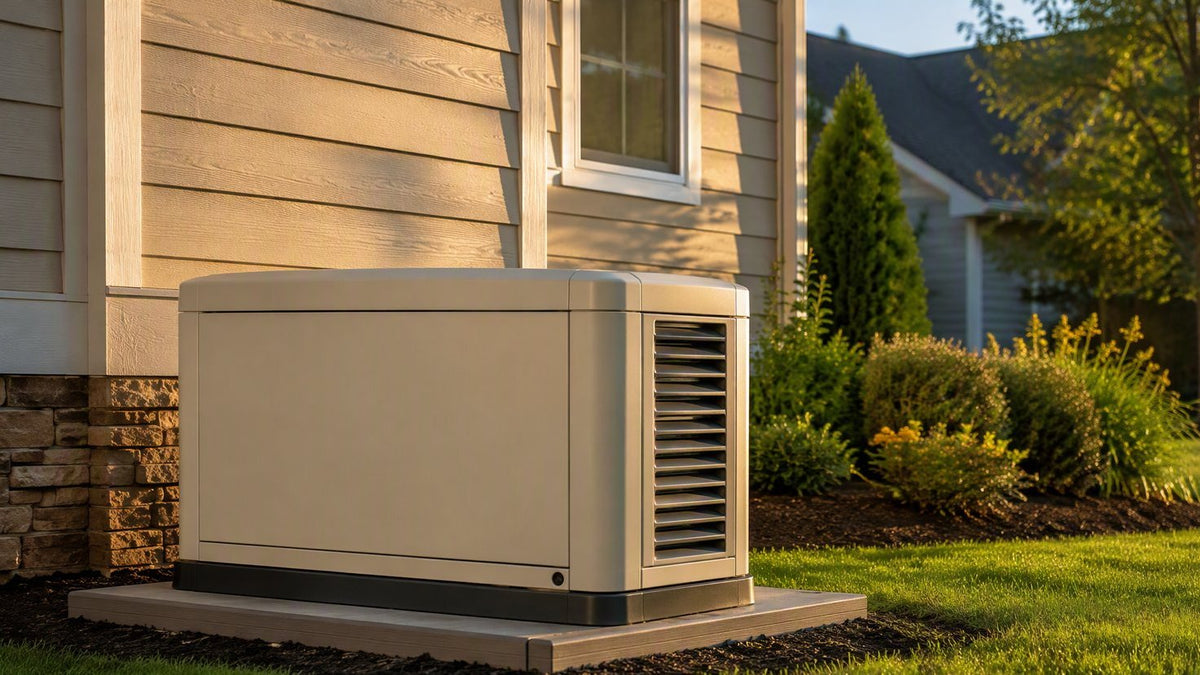
| Standby generator (gas/propane) | $9,000–$15,000 installed (22–26 kW) | Whole-home power for as long as fuel lasts | Long outages; medical needs; whole-home AC |
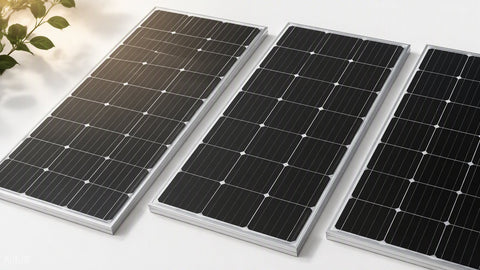
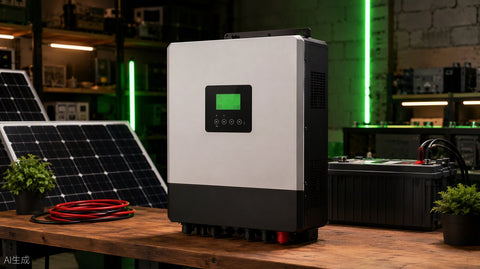
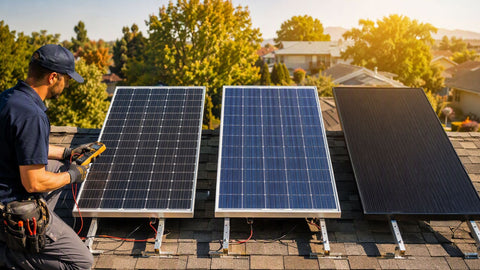
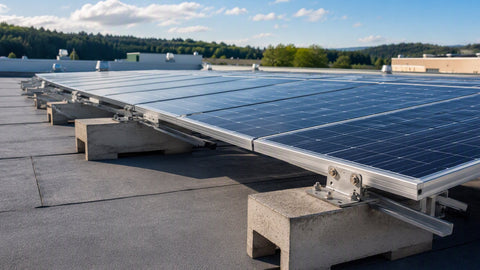
Solar economics in the Oklahoma City metro are straightforward: 5.0–5.5 peak sun hours annual average, and a south-facing array produces roughly 1,450–1,550 kWh per kW per year. A 10 kW system covers most of a typical Edmond home's annual consumption. Where homeowners get tripped up is assuming solar alone keeps the lights on in an outage — it does not, and cannot, without battery or a special inverter with islanding capability. Our solar panel catalog and inverter catalog show the current hardware, and the solar calculator sizes the array from your bills.
3. Consider Energy Storage Solutions
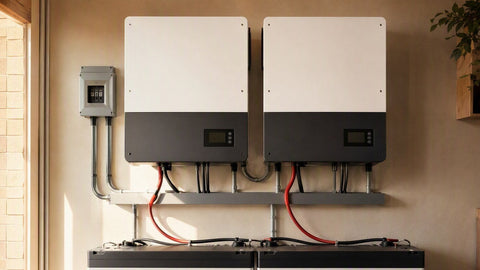
Battery storage is the piece that turns solar from a bill-reduction tool into a resilience system. The decision framework:
| Storage Size | What It Runs | Typical Installed Cost | Best Fit |
|---|---|---|---|
| 5 kWh | Critical bucket overnight (fridge, furnace blower, lights, internet) | $6,000–$9,000 | Short outages; budget resilience |
| 10 kWh | Critical + comfort bucket through the night, recharged by solar daily | $9,000–$13,000 | The Edmond sweet spot for most homes |
| 20 kWh | Near-normal living minus heavy discretionary loads for a full day+ | $15,000–$20,000 | Home businesses, medical equipment households |
| 30+ kWh or generator hybrid | Whole home including central AC with load management | $22,000+ | Multi-day outage tolerance without lifestyle change |
Chemistry choice in 2026 is easy: LiFePO4 for stationary home storage — 6,000-cycle-class life, no maintenance, and thermal stability that matters when the unit sits in an Oklahoma garage in August. The battery maintenance guide covers keeping that investment alive, and our storage sizing deep-dive runs the autonomy math. For generator backup as the alternative or complement, the transfer switch guide and transfer switch wiring walkthrough explain how a standby unit integrates with your panel safely — and why backfeeding a dryer outlet is how linemen get hurt.
4. Evaluate the Cost
Honest 2026 numbers for the metro, before incentives:
| System | Installed Cost | 30% Federal Credit | Net Cost | Simple Payback Logic |
|---|---|---|---|---|
| 8 kW solar only | $20,000–$26,000 | −$6,000–$7,800 | $14,000–$18,200 | ~9–12 years at current residential rates; faster if rates climb |
| 8 kW solar + 10 kWh battery | $29,000–$38,000 | −$8,700–$11,400 | $20,300–$26,600 | Bill savings plus outage protection value |
| 22 kW standby generator | $9,000–$15,000 | — | $9,000–$15,000 | No payback — pure resilience spend |
| Solar + battery + generator (full stack) | $38,000–$50,000 | credit on solar/battery portion | varies | Maximum resilience; generator covers multi-day storms, battery covers the 99% of outages under 4 hours |
Two cost notes from experience. First, the federal 30% residential clean energy credit applies to solar and to battery storage of 3 kWh or more — file IRS Form 5695 with your taxes. Second, panel capacity: if your home still has a 100A or full 200A panel, the solar interconnection under NEC 705.12 may force a panel upgrade or main derate — get that quoted upfront, not as a change order. Our NEC compliance guide and grounding and bonding guide cover what the inspector will check.
5. Consult Local Regulations and Utility Providers
Edmond sits in OG&E territory. Before any solar or battery project, confirm the current interconnection process and any net-metering or export-credit terms directly with the utility — Oklahoma's framework differs from the full-retail net metering other states offer, and the value of exported power affects system sizing decisions. Within Edmond city limits, electrical and solar work requires permits through the city's permitting office; your contractor should pull them, and the finished system gets inspected before the utility grants permission to operate.
HOA rules deserve an early check as well — Oklahoma law limits HOA restrictions on solar, but placement and visibility guidelines still trip up projects that skip the architectural review step. Verify your specific covenants before finalizing array layout.
6. Choose a Trusted Provider
Vet any power contractor on four things:
- Licensing and insurance — Oklahoma electrical license, current liability and workers' comp certificates, no exceptions.
- Local references from the last 12 months — call them, and ask specifically about punch-list follow-through and warranty response.
- Load calculation before quote — a provider who quotes a battery or generator without asking about your loads is selling a box, not a solution.
- Equipment access — distributors with real shelf stock ship in days; brokers drop-ship in weeks. Ask where the hardware physically sits.
Why Choose PES Supply?
Portlandia Electric Supply is a wholesale electrical and solar distributor, not an installer — and that is exactly why homeowners and their contractors call us during planning. We stock the panels, inverters, batteries, and standby-power equipment these systems are built from, we see real pricing across hundreds of projects, and we can tell you which of three competing bids is priced fairly and which one is padding the battery line. Through the PowerLink Network we connect homeowners with vetted installers who buy through our warehouse — which means the equipment on your proposal is equipment we physically stock and warranty-support.
The Oklahoma Outage Reality (and What It Does to the Math)

We size backup systems for Edmond customers against a specific pattern: dozens of short interruptions per year measured in seconds to minutes, a handful of multi-hour events from severe thunderstorms, and the rare multi-day ice-storm outage that defines what "prepared" means here. That distribution has a direct design consequence. A battery handles the first two categories completely and silently. The third category — the ice storm with 48+ hours down and temperatures in the teens — is where a generator or a very large battery earns its keep, because furnace blowers and space heating become life-safety loads, not comfort loads.
I've walked customers through their outage logs after ice events, and the ones who regretted their systems all made the same mistake: they sized for the average outage instead of the worst one they personally could not tolerate. Decide which outage you are actually buying protection against, write that sentence down, and size to it.
Load Management and Smart Panels: The Cheat Code
The most cost-effective resilience upgrade of the last few years is not a bigger battery — it is load management. A smart panel or managed-loads device sheds the heavy discretionary circuits (range, dryer, EVSE, second AC compressor) automatically when the system islands, letting a 10 kWh battery behave like a much larger one. Practical effects we see in the field:
| Configuration | Critical Loads Runtime | Notes |
|---|---|---|
| 10 kWh battery, no load management | Overnight for critical bucket only | Owner must manually avoid heavy loads during outages |
| 10 kWh battery + smart load management | 24+ hours covering critical plus cycling comfort loads | System sheds and restores circuits automatically by priority |
| 10 kWh battery + 8 kW solar (sunny outage) | Indefinite for managed loads | Daylight recharges the bank; the system becomes a microgrid |
| 10 kWh battery + standby generator hybrid | Unlimited with fuel | Battery covers instant switchover and short events; generator covers the ice storm |
That middle row is why we now spec load management on most Edmond battery jobs. It costs a fraction of a second battery and doubles effective autonomy. The inverter side matters too — the inverter sizing calculator keeps the continuous and surge ratings honest against your managed load set.
The EV Layer
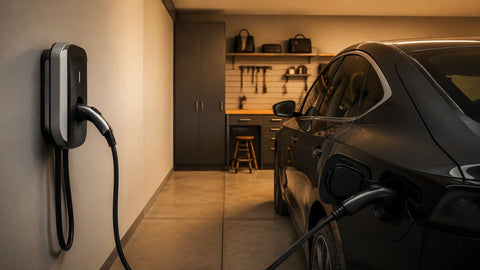
A Level 2 charger at 40–48A is the largest discretionary load in most Edmond homes, and it changes two decisions. First, solar sizing: an EV driven 12,000 miles a year adds roughly 3,500–4,000 kWh of annual consumption — about 2.5–3 kW of additional array. Second, backup design: the EVSE goes on the shed list during outages, full stop, unless you are building a whole-home generator system. Some bidirectional-ready EVs are beginning to function as home batteries themselves; the hardware and interconnection rules are still settling, so treat vehicle-to-home as a bonus feature rather than a design basis in 2026.
Storm-Hardening Checklist for Edmond Homes
- Whole-home surge protection at the main panel — lightning activity here makes it cheap insurance, and NEC 230.67 expects it on new service equipment anyway.
- Generator inlet or interlock installed by a licensed electrician, with the transfer equipment matched to the loads you actually need.
- Internet and network gear on a small UPS so outage alerts and monitoring survive the switchover gap.
- Array and racking engineered for local wind loads — verify the racking manufacturer's engineering letter covers your module and attachment spacing.
- A printed outage plan on the fridge: which circuits are backed up, what to shut off, and the installer's service number.
Financing and Incentives: The Edmond Picture
Most metro homeowners finance solar-plus-storage through one of four routes: cash (best total cost), a solar-specific loan (watch dealer fees — a 20–30% dealer fee loan is worse than a slightly higher APR without one), a HELOC (often the cheapest money, and your house is already the collateral the system bolts to), or installer-arranged financing (convenient, but compare the cash price against the financed price — the gap tells you the fee load). The 30% federal residential clean energy credit applies to solar and to battery storage of 3 kWh or more; claim it on IRS Form 5695. Oklahoma's property-tax treatment of solar has historically protected homeowners from reassessment on the added value, but confirm current treatment with the county assessor before assuming.
One hard-won piece of advice I've given dozens of times: get the cash price, the loan price, and the HELOC comparison in writing before signing anything. The payment is not the price. Two quotes with identical monthly payments can differ by $8,000 in total cost once the dealer fee is unpacked.
Maintenance: What Each System Actually Needs
| System | Annual Maintenance | Typical Cost | What Happens If Skipped |
|---|---|---|---|
| Rooftop solar | Visual inspection, production check vs model, cleaning if soiled | $0–$300 | Silent underproduction; wiring damage from rodents goes unnoticed |
| Battery storage | Firmware updates, torque check, capacity review via app | $0–$150 | Shortened life; missed thermal or cell-balance warnings |
| Standby generator | Oil, filter, battery test, exercise verification, transfer test | $250–$500 | The generator that doesn't start during the ice storm — the classic failure |
The generator row deserves emphasis. I've responded to enough "it ran last year" failures to say it plainly: a standby generator without annual service is a $12,000 lawn ornament. The battery in the generator dies on the shelf whether you use it or not.
Timeline: From Decision to Power-On
| Phase | Solar + Battery | Standby Generator |
|---|---|---|
| Site assessment & design | 1–2 weeks | 3–7 days |
| Permits (City of Edmond) | 1–3 weeks | 1–2 weeks (electrical + gas) |
| Utility interconnection application | 2–6 weeks, parallel with build | Not applicable |
| Installation | 2–5 days | 1–2 days plus gas line work |
| Inspection & permission to operate | 1–3 weeks | Days — startup test at install |
Realistic total: 6–12 weeks for solar-plus-storage, 2–5 weeks for a generator. If an ice storm is what motivates you, November is the wrong month to start — the contractors who survived the last one book out fast, and the utility interconnection queue does not care about the forecast.
Solar-Only vs Solar-Plus-Storage: The Decision Table
| Your Situation | Recommended Stack | Why |
|---|---|---|
| Low bills, rare outages, budget-first | Solar only, battery-ready inverter | Cheapest entry; storage adds later without rework |
| Moderate bills, occasional multi-hour outages | Solar + 10 kWh battery + load management | The Edmond mainstream answer |
| Medical equipment or home business | Solar + 20 kWh battery, or battery + generator hybrid | Redundancy is the requirement, not a preference |
| Whole-home expectations including AC through ice storms | Battery + 22–26 kW standby generator | Only fuel-based generation carries multi-day winter loads |
The First Step Is Free
Twelve months of utility bills, a roof photo, and a sentence about which outage you cannot tolerate — that is the entire homework assignment. Everything else in this guide flows from those three inputs, and any provider who starts with hardware instead of loads is selling boxes. Start with the loads.
One more note from the field: whatever stack you choose, document the install with photos, serials, and permits in one folder. Insurance claims, warranty calls, and future home sales all move faster with that folder, and assembling it costs you nothing the day the crew is still on site.
The best power solution is the one sized to your actual loads and your actual outage tolerance — everything else is marketing.
Whether that means a modest solar array, a 10 kWh battery with smart load management, a standby generator, or the full hybrid stack, the path runs through the same first step: measure before you buy. That discipline is what separates a power solution from an expensive appliance.
Frequently Asked Questions
Is solar worth it in Edmond, Oklahoma?
Yes for most single-family homes with unshaded roof area. The metro averages 5.0–5.5 peak sun hours daily, producing roughly 1,450–1,550 kWh per installed kW per year. With the 30% federal credit, typical payback runs 9–12 years on a system warranted for 25. Confirm current OG&E export terms when sizing, since they shape the solar-only versus solar-plus-storage decision.
What size battery do I need for a typical Edmond home?
For outage protection of critical loads — refrigerator, furnace blower, lights, internet, and a few receptacles — 10 kWh covers most homes overnight and recharges from solar the next day. Whole-home backup including central air conditioning requires 30+ kWh or a hybrid with a standby generator.
Generator or battery — which handles Oklahoma outages better?
They handle different outages. Batteries respond instantly and silently and cover the vast majority of interruptions, which last minutes to hours. Generators run indefinitely on natural gas and carry heavy loads like central AC through multi-day ice-storm outages. Households with medical equipment or whole-home expectations typically install both: battery for the 99%, generator for the ice storm.
Does my solar system work during a power outage?
Not without battery or islanding-capable equipment. Grid-tied inverters shut down during outages under anti-islanding rules that protect utility line crews. Adding a hybrid inverter and battery lets the system island and keep producing through the outage.
What permits do I need in Edmond for solar or a generator?
Solar installations require electrical and typically structural permits through the City of Edmond, plus OG&E interconnection approval before operation. Standby generators need electrical and gas-plumbing permits. A licensed contractor should pull all permits; systems without them fail inspection, void warranties, and complicate future home sales.
Planning a system for an Edmond home? Start with your last twelve power bills, then request a quote — we will spec the solar, storage, or standby stack and connect you with a vetted local installer through our network.