What Generator Size Do I Need? Size a Whole House Standby Generator
Choosing the right generator size is crucial for ensuring your home remains powered during unexpected outages. Whether you're looking to power essential appliances or your entire house, a properly sized home generator can make all the difference. In this article, we will explore the basics of generator sizing, explain the significance of selecting the right generator, and provide insights into the types of generators available for home use. By understanding these concepts, you'll be better equipped to find the perfect generator that meets your power needs.
Ready to run the numbers? Use our Standby Generator Sizing Calculator guide — surge wattage, the 80% rule, and worked kW examples — once you know which loads you need to cover.
| Home Size | Typical Running Load | Max Simultaneous | Recommended Generator | Transfer Switch |
|---|---|---|---|---|
| 1,000–1,500 sq ft | 6–8 kW | 10–12 kW | 12–14 kW | 100A automatic |
| 1,500–2,500 sq ft | 8–12 kW | 14–18 kW | 16–20 kW | 100A or 200A automatic |
| 2,500–3,500 sq ft | 12–16 kW | 18–24 kW | 22–26 kW | 200A automatic |
| 3,500–5,000 sq ft | 16–22 kW | 24–32 kW | 30–38 kW | 200A automatic + load shed |
| 5,000+ sq ft | 22–30 kW | 32–45 kW | 45–60 kW | 400A service + smart shed |
Determining the correct generator size for your home involves assessing your specific power needs. A generator's capacity is measured in wattage, which indicates how much electricity it can provide. When considering a whole house generator, it's essential to ensure it has the starting wattage and running wattage necessary to power your appliances and systems. Choosing the right size generator will involve understanding your home’s power requirements and matching them with the generator's output capacity. This ensures that your backup power solution is both efficient and reliable.
What is a Generator?
A generator is a device that converts mechanical energy into electrical energy, providing backup power when your regular power source fails. Generators come in various sizes and types, designed to meet different power needs. From portable generators to whole-home generators, each type serves a unique purpose and offers different levels of wattage output. Generators can be powered by natural gas, propane, or other fuels, making them versatile solutions for maintaining home functionality during a power outage. Understanding what a generator is and how it operates is foundational to making informed decisions about your home generator sizing.
Why Size Matters for Generators
Selecting the right generator size is critical for maximizing efficiency and minimizing costs. A correctly sized standby generator will ensure that essential appliances such as HVAC systems, refrigerators, and lighting remain operational during outages. It prevents the issues associated with an undersized generator, which can struggle to meet demand and consume excess fuel, or an oversized generator, which may operate inefficiently and incur higher installation and maintenance costs. Proper generator sizing helps optimize fuel use, reduce wear and tear, and ensure safety by preventing system overloads that could lead to overheating or fire risks.
Types of Generators: Standby vs Portable
Understanding the differences between standby and portable generators is crucial to choosing the right backup power solution. Portable generators, which run on gas or propane, offer mobility and are ideal for temporary power needs. However, they typically provide lower wattage and require manual operation. Standby generators, on the other hand, are permanent installations that automatically activate during a power outage, offering a higher wattage suitable for whole-home operation. They are integrated into your home’s electrical system and run on natural gas or propane. While the initial investment is higher, standby generators offer seamless power continuity for critical systems and high-demand appliances.
Calculating Wattage Requirements
To determine the generator size you need, start by listing all the appliances and devices that must remain operational during a power outage. Each appliance's running wattage can typically be found on its label or in the user manual. Additionally, motor-driven appliances often require higher starting wattages, which is the power needed to initiate operation. Sum up the running wattage of all your appliances and add the highest starting wattage to get a base figure.
| Cumulative Running Wattage | Highest Starting Wattage |
|---|---|
| 10,000 watts | 1,000 watts |
For instance, if the cumulative running wattage is 10,000 and the highest starting wattage is 1,000, your minimum generator capacity should be 11,000 watts. It's prudent to add a safety margin of 10% to 20% to accommodate surges or fluctuations, ensuring the generator does not exceed its capacity.
Factors Influencing Power Needs
Several factors influence the power needs of a household, especially when choosing a generator to power your home. The home size is a significant determinant of the generator capacity required. Appliances like HVAC systems, refrigerators, and essential lighting consume considerable power and should be prioritized when calculating wattage needs. For homes with sump pumps, keeping them operational is crucial to prevent flooding during outages. Additionally, electric water heaters and devices used by those working from home, such as laptops and Wi-Fi routers, also contribute to the total power requirement. Households with medical devices such as CPAP machines or oxygen concentrators must ensure that these critical devices remain powered continuously. Therefore, understanding your specific power needs will help in selecting the right generator size.
How to Determine Home Size Impact
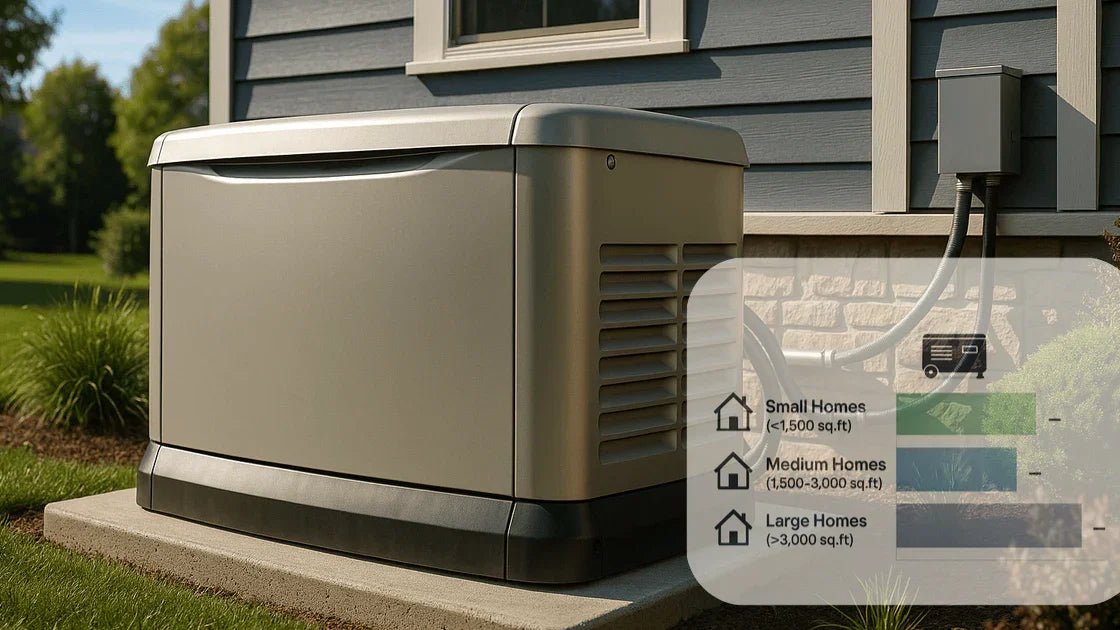
The size of your home plays a pivotal role in deciding the generator size needed for uninterrupted backup power during an outage.
| Home Size (Square Feet) | Generator Capacity (kW) |
|---|---|
| Under 1,500 | 7-10 kW (sufficient for basic appliances, essential lighting, and a refrigerator) |
| 1,500 to 3,000 | 17-20 kW (sufficient for appliances, lighting, and HVAC systems) |
| Over 3,000 | 22-25 kW or larger (sufficient for multiple appliances and several HVAC systems) |
Generally, electrical loads increase with square footage, meaning larger homes demand more power. For full-house backup, the generator capacity should align with the total wattage needed based on your home's size.
Using a Generator Calculator
Online generator sizing calculators offer an easy way to estimate the required generator size for your home. By entering the wattage requirements of your appliances into the calculator, you can quickly and accurately determine the total output power needed. These tools often convert the total wattage into kilowatts, providing a clearer picture of the generator size required. Utilizing a generator calculator simplifies the process, helping you choose the right generator that matches your home’s power demands and ensuring that you select a generator capable of providing sufficient backup power.
Benefits of a Whole House Generator
A whole house generator offers the advantage of powering all circuits in your home, ensuring seamless operation of critical systems during a power outage. From HVAC systems to kitchen appliances, a whole-house generator provides comprehensive coverage that portable generators may not. Most home-use standby generators are rated between 15,000 and 20,000 watts, which is sufficient to handle general household electricity needs. This means you won't have to prioritize which appliances to run, as the generator can support your entire home's power requirements, offering peace of mind during outages.
Installation Considerations for Standby Generators
When planning for the installation of a standby generator, several factors must be taken into account to ensure a successful setup. The location of the generator is crucial; it should be placed in a well-ventilated area to prevent the accumulation of harmful exhaust gases. Additionally, proximity to the house’s electrical panel can minimize wiring costs and improve efficiency. The installation may require permits, which vary by locality, so it's essential to check local regulations. Professional installation is recommended to ensure the generator is correctly connected to the home’s electrical system, maintaining safety standards and operational reliability. Furthermore, considering potential noise levels and ensuring compliance with neighborhood noise ordinances can avoid future issues with neighbors.
Natural Gas vs Other Fuel Sources
Natural gas generators are a popular choice due to their ability to connect directly to your home’s utility gas line, providing a steady and endless supply of fuel. This eliminates the need for frequent refueling, making them highly convenient during extended power outages. Natural gas burns cleanly, requiring less maintenance as it leaves minimal residue. However, homes without utility gas connections may face higher installation costs if a gas line extension is necessary. For such homes, propane generators offer an alternative with large storage tanks on-site, allowing flexibility and clean-burning efficiency. Diesel generators, known for their power and durability, provide high efficiency for large loads due to their energy-dense fuel, making them suitable for high-demand situations. Each fuel source comes with distinct advantages, and the choice depends on your home's specific needs and infrastructure.
Maintaining Your Generator
Proper maintenance is essential to ensure your generator remains in optimal working condition and ready to provide backup power when needed.
| Maintenance Task | Purpose |
|---|---|
| Change oil and filters | Ensure engine efficiency and performance |
| Check for fuel or oil leaks | Prevent damage and ensure safety |
| Inspect battery and connections for corrosion | Maintain electrical system reliability |
| Run generator periodically | Lubricate engine parts and verify system functionality |
| Schedule annual professional service | Identify potential issues early, extend lifespan |
| Keep a maintenance log | Track service intervals, avoid overlooking tasks |
When to Upgrade Your Generator Size
Upgrading your generator size may become necessary if your power needs have increased due to home expansions, additional appliances, or changes in lifestyle. Signs that you may need a larger generator include frequent overloading, which can cause the generator to malfunction or shut down. If your current generator struggles to power your essential appliances simultaneously, it's a clear indication that an upgrade is needed. Consider conducting a new power needs assessment to determine the right size generator for your current home setup. Upgrading ensures that your backup power system can handle increased demand, providing reliable power during outages.
Consulting Professionals for Generator Installation
Engaging a certified HVAC or electrical professional for generator installation is crucial for ensuring that the system meets your home’s specific power requirements. These experts can perform an energy assessment to accurately size your generator based on your home’s needs, taking into account the starting wattage and running wattage of your appliances. Professional installation guarantees that the generator is integrated safely and efficiently into your home’s electrical system. Professionals are also knowledgeable about local codes and regulations, ensuring compliance and preventing potential legal issues. Their expertise can guide you in choosing the right generator size and ensure that your backup power solution is both effective and safe.
Calculate how much storage you need with our battery sizing calculator.
Check solar incentives available in your state.
Check out our Inverter Sizing Calculator.
Calculate your solar payback and 25-year savings with our Solar ROI Calculator. Follow our complete DIY solar installation guide for step-by-step instructions. Keep your system running at peak performance with our Solar Maintenance Guide.
Related Products


Champion 14kW aXis Generator w/150A SE NEMA 3R whole house aXis ATS - 100836
ViewOne factor that most homeowners overlook is the altitude derating. For every 1,000 feet above sea level, a generator loses approximately 3.5% of its rated output. A 22 kW unit in Denver (5,280 ft) effectively delivers only 18.5 kW. In the Pacific Northwest, this is less of a concern for coastal homes, but if you are in Bend, Oregon at 3,600 feet, you need to size up by at least one generator class. We learned this lesson on a 2023 install in Sisters where a 20 kW unit could not handle a 4-ton heat pump at elevation.
Another critical consideration is the fuel type. Natural gas is convenient because it taps into existing utility lines, but during widespread outages, gas pressure can drop if too many generators start simultaneously. Propane offers independence from the gas grid but requires tank sizing for worst-case runtime. A 250-gallon propane tank feeding a 22 kW generator at 50% load provides about 230 hours of runtime—roughly nine days. If you expect longer outages, size up to a 500-gallon tank or plan for refueling.
The transfer switch is just as important as the generator itself. An automatic transfer switch (ATS) must match your main service breaker, not the generator output. A 200A service needs a 200A ATS even if the generator only produces 100A. Undersizing the ATS creates a bottleneck and a code violation under NEC 702.5. We install Generac RXSW200A3SE or Cummins OTPC transfer switches for 200A services, and we always include a service disconnect within sight of the generator per NEC 445.18.
Browse our standby generators, generator + transfer switch kits, 100–125A transfer switches, and generator accessories including soft-start modules, load-shed controllers, and maintenance kits.
Related Resources
- Solar System Calculator
- Battery Sizing Calculator
- Solar Panel Comparison Tool
- Inverter Sizing Calculator
- Solar ROI Calculator
- Solar Installation Guide
- Solar Maintenance Guide
- Solar Permitting Guide
- Battery Installation Guide
- NEC Code Compliance Guide
- Solar Panel Mounting Guide
- Grounding & Bonding Guide
- Solar Incentives by State
- Pro Account — Wholesale Pricing
- PowerLink Network — Contractor Program
What size generator do I need for my home?
A typical whole-home generator is 22-26kW. Size based on your essential loads (AC, refrigerator, well pump, lights). A 26kW Generac runs two AC units plus standard household loads.
What is the difference between LP and NG generators?
LP (propane) generators produce more power than NG (natural gas) models. A 26kW Generac outputs 26kW on LP vs 24kW on NG.
Do you install generators?
PES Supply is a distributor, not an installer. We can connect you with a qualified installer through our PowerLink contractor network.
PES Supply carries 80,000+ products from 300+ manufacturers. One PO, one invoice, every trade covered.
Need help sizing? Our team can calculate loads, select equipment, and source everything from one PO.
Call (502) 790-0600