Every year it's the same pattern: the first major winter storm hits the forecast, and generator inventory tightens within days. Contractors who wait for the weather report end up quoting lead times instead of selling units. Here's how the season typically plays out — and how to get ahead of it.
Why winter drives the spike
Ice and wet snow take down overhead lines, and cold snaps push heating loads to annual highs. Unlike hurricane season — which concentrates demand regionally — winter storms roll across the entire eastern half of the country, pulling inventory from multiple distribution regions at once. Portable units in the 7,500–10,000W class and home standby units in the 18–26kW class are the first to go tight.
What buyers are actually purchasing
Across the counter, winter demand splits into three buckets:
- Portable generators for homeowners who want to keep the furnace blower, fridge, and a few circuits alive. Dual-fuel models move fastest because propane stores indefinitely.
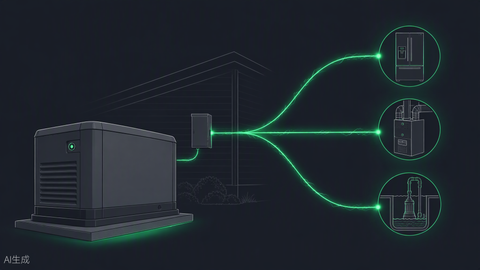
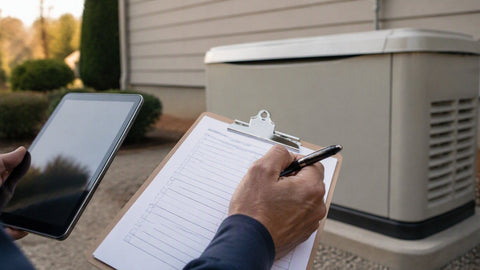
- Home standby systems — permanently installed units with automatic transfer switches — for buyers who are done dragging a portable out of the garage at 2 a.m.
- Inverter generators for quieter, cleaner power where noise ordinances or electronics sensitivity matter.
Browse current inventory in our generators collection, including portable, inverter, and standby units.
For contractors: stock ahead of the forecast
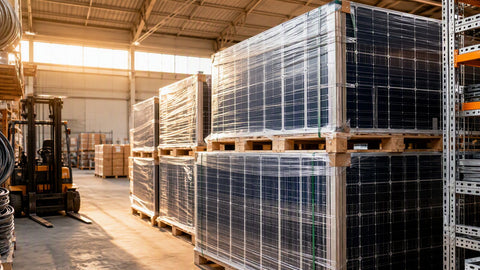
If you install standby units, winter is your season — but only if you have equipment on hand. The shops that win the storm rush are the ones that ordered in October. Transfer switches, pad mounts, and cold-weather kits move with the generators, so quote them as a package rather than chasing accessories after the unit sale.
Need volume pricing on a storm-season order? Get a wholesale quote — our desk answers within one business day.
Frequently asked questions
What size portable generator do I need for a house in winter?
For furnace blower, refrigerator, sump pump, and lights, most homes land in the 7,500–10,000W range. Electric heat or well pumps push requirements higher — total your starting (surge) watts, not just running watts.
Do generators have problems in extreme cold?
Batteries lose cranking power and oil thickens. Cold-weather kits (battery warmers and oil heaters) are standard add-ons for standby units in northern climates.
Is it too late to install a standby generator before winter?
Not necessarily, but permitting and utility coordination take time. If you want one this season, start the quote process now rather than after the first outage.