LFP battery pricing has spent four years falling off a cliff — and 2026 is where it levels out. If you've been waiting for storage to get cheaper before pulling the trigger on a project, the math says the floor is basically here. Here's where prices actually stand and what that means for what you buy this year.
The price curve, in real numbers
BloombergNEF's most recent tally put lithium-ion pack prices at a record-low $108/kWh after an 8% drop through 2025, with another ~3% expected for 2026. At the cell level, 314Ah LFP energy-storage cells were trading at RMB 0.34–0.41/Wh as of May 2026 (per InfoLink spot data) — roughly $47–57/kWh before any module assembly, BMS, or thermal hardware.
Pack-level LFP now runs $70–125/kWh for utility and commercial formats, with LFP consistently 15–25% cheaper than NMC at the same power rating. For installed residential systems you're still looking at $800–$1,000/kWh all-in — the gap between cell cost and installed cost is labor, permitting, and balance-of-system, and that gap isn't shrinking as fast as the cells.
Why it stopped falling fast
Three reasons the curve flattened. First, lithium carbonate is now the dominant cost inside a cell, and commodity prices don't go to zero. Second, US tariffs and domestic-content rules keep North American landed prices structurally above the China benchmark — IEA data shows packs in China run about 30% under North American pricing. Third, demand caught up: grid-scale deployments are set to pass 150 GWh in 2026, which absorbed the cell overcapacity that drove the 2023–2025 slide.
One soft-cost warning: step-up transformer lead times are past 100 weeks in utility work, and NFPA 855 fire-code upgrades are adding real cost to commercial installs. Equipment is cheap; the paperwork and the pad aren't.
What we'd buy now
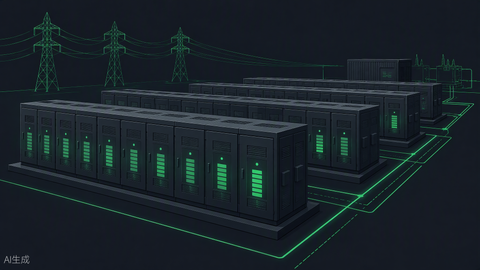
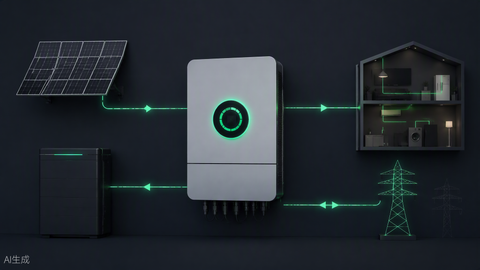
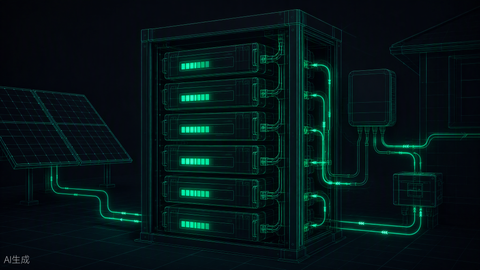
For home backup and off-grid, LFP is the default answer — 6,000+ cycles, no nickel or cobalt, thermally stable. Our 20kWh+ home battery picks and 48V rack batteries are where most residential projects land. Commercial buyers sizing a demand-charge play should look at the 100–200kWh C&I cabinets — at current pack pricing, a well-matched cabinet pays back on peak shaving alone in most TOU territories.
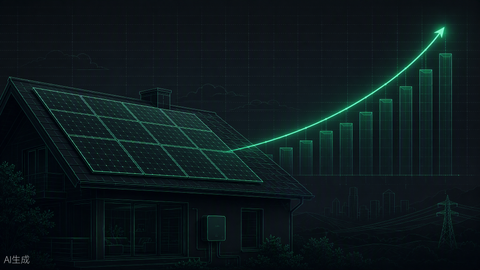
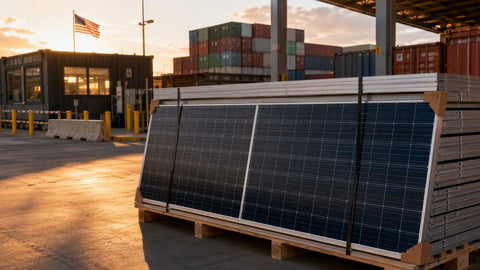
If your project also needs generation, pair storage with current-value modules from the 450W panel line — panel prices are at their own floor right now, and buying both legs of the system in the same window is how you lock the whole project's economics.
Frequently asked
Should I wait for 2027 pricing? Probably not. BloombergNEF projects only ~3% further decline next year, and tariff exposure runs the other way — the risk of waiting now outweighs the expected savings.
LFP or NMC for a home system? LFP unless you're severely space-constrained. Longer cycle life, better thermal behavior, lower cost. NMC only wins on energy density.
What's the real installed number for a typical home? A 10–15kWh LFP system with a hybrid inverter lands at $8,000–$15,000 installed depending on your market and panel configuration. Equipment-only pricing from our battery backup kits runs well under that if you have an installer lined up.
Prices verified against live PES catalog and BloombergNEF/InfoLink spot data, October 11, 2026.