Last Updated: September 2026 • A Safety Reference for Installers, Contractors, and Building Owners
Solar PV systems have a strong overall safety record, and the vast majority of installations operate for decades without a fire event. But a PV array is also a source of electrical power that cannot be switched off while the sun is shining, and the combination of high-voltage DC circuits, rooftop installation, outdoor weather exposure, and decades-long service life means that the small percentage of failures that do occur tend to trace back to a handful of well-understood causes — most of them preventable through good design, quality workmanship, and routine inspection.
This guide covers where PV fire risk actually comes from, the code requirements designed to reduce it (arc-fault protection, rapid shutdown, and firefighter access), battery storage considerations, installation and maintenance practices that matter most, and what building owners and first responders should understand about energized arrays.
⚡ Quick Answer
Most PV-related fires originate not from the panels themselves but from connection and wiring faults — loose, mismatched, or poorly crimped connectors, damaged conductors, and DC arcing — along with inverter and, in some systems, battery failures. Code requirements address this through DC arc-fault circuit protection (NEC 690.11), rapid shutdown (NEC 690.12) to reduce shock and electrocution risk for firefighters, and roof access pathways and setbacks adopted through fire codes. The most effective risk reduction is practical: use matched, listed connectors installed with proper tooling; torque terminations to specification; protect conductors from abrasion and rodents; use listed equipment throughout; and schedule periodic inspections including thermal imaging on larger systems. Building owners should also understand that an array remains energized in daylight even when the system is shut down.
Key Takeaways
- Connections Are the Weak Point, Not the Panels: most PV-related fire incidents trace back to connectors, terminations, and wiring — not to the modules themselves.
- Never Mix Connector Brands: MC4-style connectors from different manufacturers can look compatible but mate with poor contact, creating high-resistance joints that overheat over time. Use matched, listed connectors and the manufacturer's crimp tooling.
- Arc-Fault Protection Is Required for Most Building-Mounted Systems: NEC 690.11 requires DC arc-fault circuit protection for PV systems with DC circuits of 80 volts or more on or in buildings.
- Rapid Shutdown Protects First Responders: NEC 690.12 requires rooftop PV systems to reduce conductor voltage to safe levels within seconds of shutdown initiation — but it does not de-energize the modules themselves.
- Panels Stay Energized in Daylight: shutting off the inverter or main disconnect doesn't stop modules from producing voltage whenever light hits them — a key reason firefighters treat arrays cautiously.
- Roof Access Pathways Are a Fire Code Requirement: most jurisdictions require clear pathways and setbacks so firefighters can access, ventilate, and walk the roof. Requirements vary — confirm with the local AHJ.
- Battery Storage Adds Its Own Requirements: energy storage systems fall under additional standards (UL 9540, NFPA 855) governing listing, spacing, and location.
- PES Supply: listed connectors, rapid shutdown devices, arc-fault-protected inverters, disconnects, and conduit in stock for code-compliant installations.
In This Guide
- Where PV Fire Risk Actually Comes From
- DC Arc-Fault Protection (NEC 690.11)
- Rapid Shutdown (NEC 690.12)
- Firefighter Access, Pathways, and Setbacks
- Module and Roof Fire Ratings
- Installation Practices That Reduce Risk
- Battery Storage Fire Safety
- Inspection and Maintenance
- What Building Owners and First Responders Should Know
- Installer Fire Safety Checklist
- Frequently Asked Questions
Where PV Fire Risk Actually Comes From
It's easy to assume the solar panel itself is the fire hazard, but investigations of PV-related incidents consistently point elsewhere. The panels are solid-state, glass-and-silicon devices with no moving parts. The risk concentrates in the electrical connections, conductors, and power electronics surrounding them.
| Risk Source | What Goes Wrong | Primary Prevention |
|---|---|---|
| Connectors | Mismatched brands, poor crimps, or partially seated connectors create high-resistance joints that heat up and can arc | Matched, listed connectors; proper crimp tooling; verify full engagement |
| DC Wiring and Terminations | Loose lugs, damaged insulation, abrasion against roof edges or racking, rodent damage | Torque to spec; wire management clips; conductor protection; rodent guards where needed |
| Ground Faults | Insulation breakdown allows current to flow to ground or racking, potentially igniting nearby material | Ground-fault detection/interruption; careful conductor routing; inspection |
| Hot Spots | Cracked or shaded cells, failed bypass diodes, or damaged modules develop localized overheating | Quality modules; avoid persistent shading; periodic thermal imaging |
| Inverters and Power Electronics | Component failures, poor ventilation, or loose internal connections | Listed equipment; manufacturer clearances; adequate ventilation; avoid direct heat sources |
| Battery Storage | Cell defects, damage, or improper installation can lead to thermal events | Listed systems (UL 9540); proper location and spacing; LiFePO4 chemistry's stability advantage |
DC Arc-Fault Protection (NEC 690.11)
A DC arc is a sustained electrical discharge across a gap in a conductor or connection. Unlike AC, DC current doesn't cross zero 120 times a second, so a DC arc doesn't naturally extinguish — it can persist, reaching temperatures high enough to ignite surrounding materials. This is the core fire mechanism behind loose or degraded connections in PV circuits.
NEC 690.11 requires PV systems with DC circuits operating at 80 volts or more on or in buildings to include listed DC arc-fault circuit protection capable of detecting and interrupting arcing faults. In practice, most modern string inverters integrate this function, and microinverter and optimizer systems address the issue through their architecture and listings. Installers should confirm that the specific equipment selected is listed to the applicable standard and that any required arc-fault function is enabled and tested at commissioning.
⚠ Arc-Fault Protection Doesn't Replace Good Workmanship
An AFCI function can detect and interrupt many arcing conditions, but it is a backstop, not a substitute for correct connector selection, proper crimping, and torqued terminations. The goal is to prevent the arc from forming in the first place.
Rapid Shutdown (NEC 690.12)
Rapid shutdown requirements exist primarily to protect firefighters and emergency responders. A rooftop array can remain energized at hazardous voltages whenever light is present, even if the building's main disconnect is open. NEC 690.12 requires that rooftop PV systems be capable of reducing conductor voltage to safe levels within a specified time (generally 30 seconds) after shutdown is initiated, with the specific voltage limits depending on the location of the conductors and the code edition adopted in your jurisdiction.
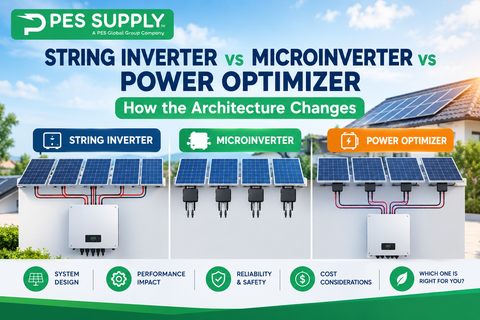
Compliance paths differ by architecture: microinverters comply inherently because no high-voltage DC leaves the module; power optimizers and similar module-level devices include shutdown functions; and string inverter systems typically add listed rapid shutdown devices at the module or array boundary. Whichever path is used, the system must be installed with the manufacturer's compatible components and labeled correctly so responders can identify the initiation device.
An important caveat: rapid shutdown reduces voltage in the controlled conductors — it does not turn the modules off. The panels themselves continue to produce voltage under light, which is why safe firefighter practice still treats an array as energized.
Firefighter Access, Pathways, and Setbacks
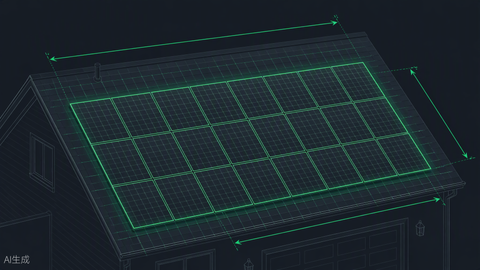
Fire codes — including provisions adopted from the International Fire Code and International Residential Code — require that rooftop PV arrays leave clear pathways and setback areas so firefighters can access the roof, move across it, and create ventilation openings. These requirements commonly include pathways of a minimum width (often around 36 inches) from the roof edge to the ridge, setbacks from the ridge on certain roof configurations, and clear access to the area where ventilation may be needed.
Specific dimensions, exceptions (such as reduced requirements for smaller arrays or certain roof types), and which code edition applies vary by jurisdiction, and some states and cities adopt stricter local amendments. The practical advice for installers is the same everywhere: confirm the requirements with the local authority having jurisdiction (AHJ) before finalizing the array layout, since a layout that fits the most panels on paper may fail plan review or inspection if pathways aren't preserved.
Module and Roof Fire Ratings
Modules are certified to safety standards such as UL 61730 (and UL 1703 for older listings), which include fire performance testing. Module fire classification (Class A, B, or C) is evaluated in combination with the roof assembly beneath it, so the rating that matters in practice is that of the module-and-roof system together, not the module in isolation. Installers should confirm that the module's listing is compatible with the roof type and mounting method used, and follow the manufacturer's installation instructions on clearances between the module and roof surface, since airflow beneath the array affects both heat dissipation and fire behavior.
Installation Practices That Reduce Risk
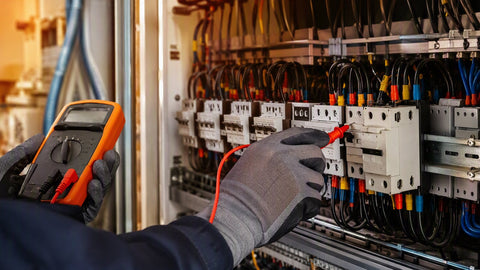
- Use matched, listed connectors only. Don't mix connector brands, and use the manufacturer's recommended crimp tool — a connector that looks seated can still have a high-resistance joint.
- Verify full engagement. Connectors should be fully mated and, where applicable, locked; partially engaged connectors are a classic arcing source.
- Torque to specification. Use a calibrated torque tool on lugs and terminals and document the values — under-torqued connections loosen with thermal cycling.
- Protect conductors. Use wire management clips and routing that keep conductors off roof surfaces and away from sharp edges; consider rodent guards in areas with nesting activity.
- Observe equipment clearances. Maintain the manufacturer's clearances around inverters and provide required ventilation; avoid mounting inverters in direct sun or enclosed, unventilated spaces.
- Use listed equipment throughout. Disconnects, combiners, conduit, and rapid shutdown devices should be listed and rated for the voltage and environment.
- Commission and test. Verify arc-fault and ground-fault functions, rapid shutdown operation, and labeling before closeout, and keep records.
Battery Storage Fire Safety
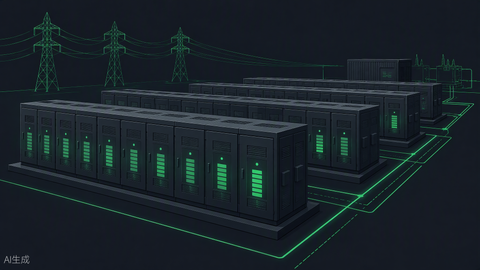
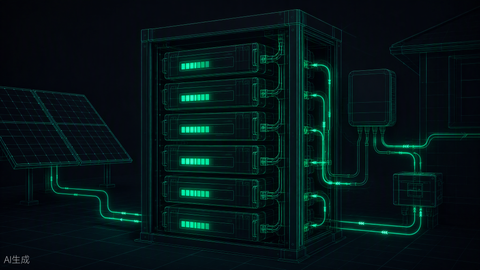
Adding a battery brings additional fire safety considerations. Residential and commercial energy storage systems are addressed by standards including UL 9540 (energy storage systems), UL 9540A (a test method for evaluating thermal runaway fire propagation), and NFPA 855 (installation of stationary energy storage systems), along with relevant sections of the NEC. These govern where systems can be installed, spacing between units and from walls, maximum quantities per location, and ventilation or suppression requirements in certain installations.
Chemistry matters: lithium iron phosphate (LiFePO4) batteries have a more stable thermal profile than older nickel-manganese-cobalt (NMC) lithium chemistries, which is one reason LiFePO4 has become the dominant choice for stationary storage. That stability reduces — but doesn't eliminate — the need to follow listing, location, and spacing requirements. Always install batteries per the manufacturer's instructions and local code, avoid placing them in locations restricted by the AHJ (certain habitable rooms and egress paths are commonly limited), and use only listed systems.
Inspection and Maintenance
| Interval | Task |
|---|---|
| Ongoing | Monitor production and inverter fault alerts; investigate unexplained drops or recurring arc-fault or ground-fault trips |
| Annually | Visual inspection of connectors, conductors, and terminations; check for animal nesting, abrasion, discoloration, or melted insulation; verify torque on accessible terminations; confirm labeling is intact |
| Every 3–5 Years (larger systems sooner) | Thermal imaging to identify hot spots, failing connections, and degraded modules; test rapid shutdown operation |
| After Severe Weather | Inspect for hail damage, dislodged wiring, and debris, and have any suspected damage evaluated before continued operation |
Any work on PV circuits should be performed by qualified personnel — because the modules are energized in daylight, "turning off the system" doesn't make the DC side safe to handle.
What Building Owners and First Responders Should Know
For building owners, a few practical points matter most:
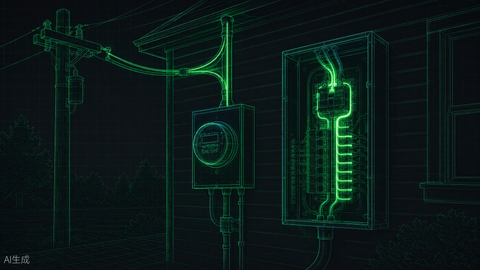
- Keep the system documented. Maintain a copy of the single-line diagram, equipment list, and shutdown instructions, and make sure the labeling at the meter, main panel, and rapid shutdown initiation device remains legible.
- Tell responders a PV system is present. Standard placards and labeling help, but sharing the information with the local fire department — particularly for commercial buildings — helps responders plan.
- Don't attempt to extinguish or work on an array yourself. A PV array can shock even when the building is de-energized, and water on energized equipment creates additional hazards. Leave firefighting to professionals.
- Don't ignore warning signs. Burning smells, scorch marks, melted connectors, repeated inverter fault codes, or unexplained arc-fault trips warrant a prompt inspection by a qualified installer, not a wait-and-see approach.
For first responders, the core message is that an array should be treated as energized whenever there's light — including some artificial light and, to a limited degree, moonlight or fire light — and that rapid shutdown reduces but does not eliminate the hazard. Fire service guidance generally emphasizes identifying the PV system, locating the shutdown means, and using appropriate tactics and tools rather than assuming the roof is safe to operate on.
Installer Fire Safety Checklist
Design and Layout
- [ ] Array layout preserves AHJ-required pathways and setbacks
- [ ] Module and roof fire rating compatibility confirmed with manufacturer instructions
- [ ] Inverter and battery locations comply with clearances and code restrictions
- [ ] Rapid shutdown solution selected and compatible with chosen modules/inverter
Installation
- [ ] Matched, listed connectors used; no mixed brands; correct crimp tooling
- [ ] All connectors fully engaged and verified
- [ ] Terminations torqued to specification and documented
- [ ] Conductors managed off roof surfaces and away from sharp edges; rodent protection where needed
- [ ] All equipment listed for application (disconnects, combiners, conduit, RSD devices)
Commissioning and Handoff
- [ ] Arc-fault and ground-fault protection functions verified
- [ ] Rapid shutdown operation tested and initiation device labeled
- [ ] Required placards and labels installed
- [ ] As-built documentation and shutdown instructions delivered to owner
- [ ] Owner informed of inspection and maintenance recommendations
Frequently Asked Questions
Are solar panels a fire risk?
Solar installations have a strong safety record, and fires are uncommon relative to the number of systems in service. When incidents do occur, they most often trace to connector and wiring faults, installation errors, or inverter and battery failures rather than to the panels themselves. Quality equipment, correct installation, and periodic inspection substantially reduce the risk.
Do solar panels shut off during a fire?
Not entirely. Rapid shutdown systems reduce conductor voltage to safer levels shortly after being triggered, but the modules themselves continue to generate voltage whenever light reaches them. Firefighters therefore treat an array as energized.
What is NEC 690.12 rapid shutdown?
It's a code requirement that rooftop PV systems be able to reduce conductor voltage to specified safe levels within a set time after shutdown is initiated, protecting firefighters and other responders. The specifics depend on the code edition adopted locally and on the equipment architecture used.
What is arc-fault protection on a solar system?
DC arc-fault circuit protection detects dangerous arcing in PV wiring and interrupts the circuit. NEC 690.11 requires it for PV systems with DC circuits of 80 volts or more on or in buildings. Many modern inverters include it, but it should be verified and tested at commissioning.
Why do roof pathways and setbacks matter?
They give firefighters safe routes across the roof and space to ventilate. Requirements vary by jurisdiction, so confirm the specific pathway and setback rules with your local AHJ before finalizing a layout.
Are home batteries a fire hazard?
Any energy storage system carries some thermal risk, which is why listed systems (UL 9540), tested designs, and installation standards such as NFPA 855 exist. LiFePO4 chemistry is more thermally stable than older lithium chemistries. Following manufacturer instructions, spacing, and location rules is essential.
How often should a solar system be inspected?
A visual inspection at least annually is a reasonable baseline, with thermal imaging every few years on larger systems and additional checks after severe weather or any unexplained fault alerts. Always use qualified personnel for any work on the array.
Build It Right From the Start
PES Supply stocks listed connectors, rapid shutdown devices, arc-fault-protected inverters, disconnects, conduit, and the wire management hardware that code-compliant, fire-safe installations depend on — at contractor pricing with nationwide delivery.
Request a Quote Shop Electrical AccessoriesRelated Guides
- Solar Grounding and Bonding Guide: NEC 690.43, 250, and Lightning Protection
- String Inverter vs Microinverter vs Power Optimizer
- NEC Code Compliance Guide
- Solar Maintenance Guide
- Battery Installation Guide
- Solar Permitting Guide
- Disconnects
- Request a Quote - Wholesale pricing on code-compliant solar equipment
About PES Supply
PES Supply is a nationwide distributor of Tier 1 solar panels, commercial inverters, battery storage systems, EV charging hardware, racking, switchgear, circuit breakers, generators, and complete electrical project kits. With 12+ distribution hubs, thousands of in-stock SKUs, NABCEP-certified design support, and a network of 8,500+ solution providers, PES Supply serves contractors, EPCs, developers, and businesses with fast delivery, wholesale pricing, and expert procurement guidance.
Location: 1507 Portland Ave, Louisville, KY, United States | Phone: 1 888-876-0007 | Website: www.portlandiaelectric.supply
Article: Solar Panel Fire Safety: What Installers and Building Owners Should Know
Category: Safety | Code Compliance | Installation Best Practices
Last Updated: September 2026
Disclaimer: This guide is general educational information and is not a substitute for the adopted electrical and fire codes in your jurisdiction, manufacturer installation instructions, or the judgment of a licensed professional. Code editions, pathway and setback dimensions, and rapid shutdown requirements vary by location and change over time. Always confirm current requirements with your local AHJ and a qualified electrician before designing or modifying a system.