EV Charger Breaker Sizing Chart
Breaker and wire sizes for every Level 2 EV charger, using the NEC 625.42 125% continuous-load rule, with panel capacity guidance.
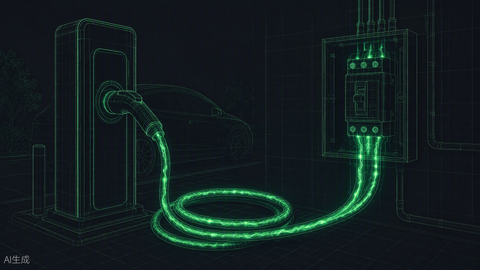
Every EV charger install comes down to one question: what breaker and wire does the charger need? This chart covers the Level 2 chargers sold for homes and light commercial, using the 125% continuous-load rule from NEC 625.42.
| Charger amps | Breaker (125%) | Copper wire | Notes |
|---|---|---|---|
| 16 A | 20 A | 12 AWG | Plug-in units |
| 24 A | 30 A | 10 AWG | Popular home level |
| 32 A | 40 A | 8 AWG | Most common home install |
| 40 A | 50 A | 6 AWG | Fast home charging |
| 48 A | 60 A | 6 AWG (75°C) | Check panel capacity first |
| 80 A | 100 A | 3 AWG | Light commercial / fleet |
NEC 625.42: EV charging is a continuous load, so the breaker is 125% of the charger rating, and GFCI protection applies to the receptacle. Hardwired chargers skip the receptacle rule.
A 48 A charger is 11.5 kW — more than many 100 A panels can add without a load calculation. If the panel is tight, options in order of cost: load management (charger throttles when the house is busy), a subpanel, or time-of-use scheduling. Our breaker sizing calculator does the 125% math for any continuous load, and the transfer switch sizing chart covers generator-backed charging.
Can I put a 50A EV charger on a 60A panel?
Only if the load calculation allows — the rest of the house matters. A load-managed charger or service upgrade is the usual answer.
Aluminum wire for EV chargers?
Allowed for feeder runs at larger sizes (check the 75°C column), but copper is standard for the final whip.
Wiring an EV charger?
EV chargers, breakers, and wire in stock — contractor pricing, freight quotes, and the load math answered by a real desk.
Shop EV Chargers