Buying a standby generator at wholesale is three purchases disguised as one: the generator, the transfer switch and the fuel system. Get the order wrong and the cost lands at installation, when the pad is poured and the electrician is on site.
1. Size from the load, not the house
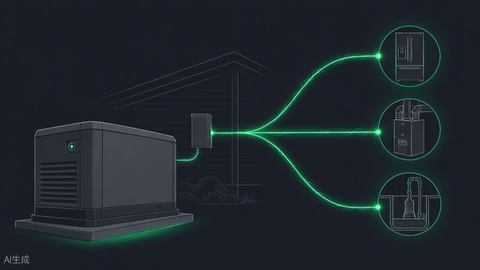
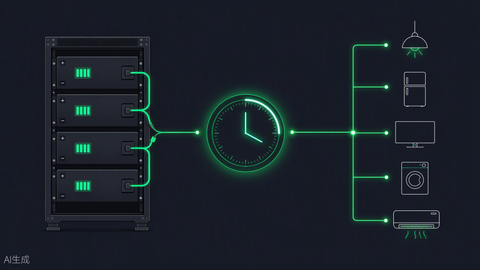
The only defensible sizing method is a load calculation on the circuits that must stay live: heating, cooling, well pump, refrigeration, medical or IT equipment. Convert that to running and starting watts - motors draw two to three times running watts at startup. Load management then lets a smaller generator carry a larger service by deferring the big loads.
2. Choose the fuel before the model
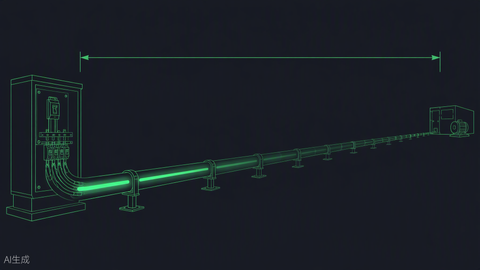
Natural gas is convenient but derates the engine; LP carries full output and needs a tank sized for the outage duration you actually care about. On commercial sites a 60-80kW unit at full load moves a lot of fuel, and line or tank sizing is a design calculation, not a catalogue lookup. Decide the fuel first, then the kW class, then the model.
3. Pair the transfer switch correctly
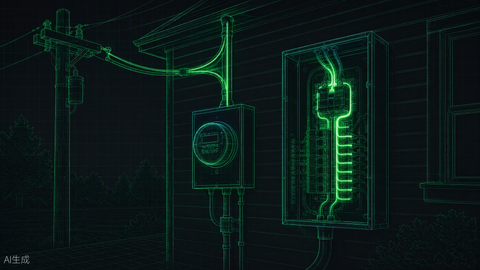
A service-entrance rated switch replaces the main disconnect; a standalone switch sits downstream. The switch is sized to the service, not the generator, and the neutral arrangement must match the installation. Most rejected inspections we hear about are transfer switch or grounding issues, not generator issues.
4. Plan freight like an equipment move
A residential standby unit is 400-900 lb; a commercial 80kW unit with enclosure is well over 2,000 lb and needs a rigging plan. LTL freight needs a dock or a liftgate, and the site needs a path from the truck to the pad. We quote freight per order against the address and unloading conditions - not a flat rate.
Where to look next
Browse standby generators, compare classes in the 14-22kW guide or the 22-26kW guide, and for commercial work see the 30kW+ guide. Then send the load list and ZIP to the quote desk.