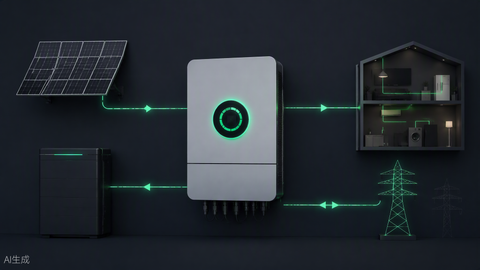
The kit-versus-components question is really a question about where you want the risk to sit. A pre-configured solar kit moves compatibility risk to the supplier. A component build moves it to the designer - which is fine if you have a designer and expensive if you do not.
When a kit wins
- Standard residential or cabin jobs where the array size and load are unremarkable. The kit's engineering is already done and the parts are known to fit.
- Time-constrained installs. One order, one freight, one delivery window. Piecemeal sourcing usually means a second shipment and a lost day.
- Smaller teams. A crew that does not do system design every week benefits from someone else having specified the string layout.
When components win
- Non-standard roofs and orientations where the kit's rail and clamp assumptions do not hold.
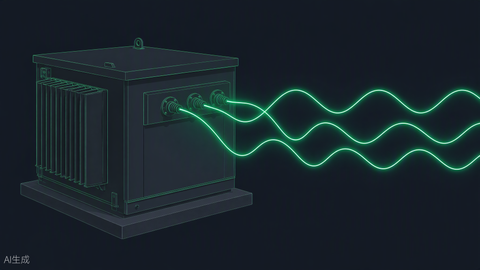
- Commercial or three-phase work where the kit is unlikely to match the service or the interconnection requirements.
- Projects where you already hold stock of one or two components - buying a kit means paying again for what is on your shelf.
The cost that is easy to miss
Kits are priced on the assumption that everything inside is used. If you substitute a different inverter or add a second string, the kit's cost advantage usually disappears. Likewise, a component build quoted without freight is not comparable to a kit quoted delivered. Compare landed cost for the same scope.
How to decide in one step
Send the array size, roof or ground-mount constraint and your existing stock to the quote desk. We will price both paths - the kit route and a component BOM - so the comparison is against real numbers rather than list prices.