Are you thinking about powering your 1.5 ton AC with solar energy but unsure how much solar power you actually need? Getting this right can save you money and keep your home cool without surprises on your electricity bill.
You'll discover exactly how many kilowatts (kW) of solar panels are required to run your AC efficiently. By the end, you’ll have clear, simple answers that help you make smart choices for your energy needs. Keep reading to find out what size solar system fits your AC perfectly and start enjoying the benefits of clean, reliable power.

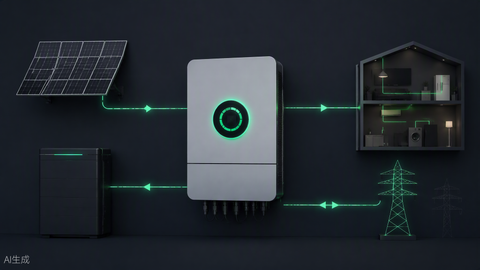
A 1.5 ton AC uses a good amount of power. To run it on solar energy, you must know the power needs. This helps to choose the right solar panel size. Solar panels convert sunlight into electricity. The size of the panel depends on the AC’s power use and sunlight hours.
Understanding 1.5 Ton Ac Power Use
A 1.5 ton AC usually uses about 1500 to 1800 watts. This is the power needed to run the cooling system. The exact amount depends on the AC’s make and model. Power use can change with temperature and settings.
Power Consumption In Kilowatt-hours (kwh)
Power use over time is measured in kilowatt-hours (kWh). A 1.5 ton AC running for 1 hour uses about 1.5 to 1.8 kWh. This means it needs 1.5 to 1.8 units of electricity each hour.
Factors Affecting Power Use
- Temperature: Hotter days make the AC work harder.
- AC Efficiency: Newer models use less power.
- Usage Hours: More hours mean more energy used.
- Room Size: Bigger rooms need more cooling power.
Solar Panel Output And Hours Of Sunlight
Solar panels produce power based on sunlight hours. Average sunlight ranges from 4 to 6 hours daily. A 1 kW solar panel can generate about 4 to 6 kWh per day. This depends on location and weather.
Calculating Solar Panel Size For 1.5 Ton Ac
|
Item |
Value |
Explanation |
|
AC Power Use (kW) |
1.5 - 1.8 kW |
Power AC consumes per hour |
|
Daily Usage Hours |
6 hours |
Average daily running time |
|
Total Daily Energy |
9 - 10.8 kWh |
Power used in 6 hours (1.5 kW × 6 hours) |
|
Sunlight Hours |
5 hours |
Average sunlight per day |
|
Required Solar Panel Size |
2 - 2.2 kW |
To cover daily AC energy use |
Ready to build? Browse our solar panel collections, inverters, batteries, and charge controllers for everything you need to size, wire, and commission your system.

A 1.5 ton air conditioner uses a good amount of power. To run it on solar power, you need to know how much energy it uses daily. This helps decide the size of the solar panel system needed. Understanding the power and energy needs is the first step.
Power Consumption Of 1.5 Ton Ac
A 1.5 ton AC usually uses about 1.5 to 2 kilowatts (kW) of power while running. The exact power depends on the AC's energy rating and brand. On average, it runs at around 1.8 kW per hour.
Daily Energy Usage
To find daily energy use, multiply power by hours used per day. Example: Using AC for 8 hours means 1.8 kW × 8 hours = 14.4 kWh. This is the total energy the AC needs each day.
Solar Panel Output Needed
Solar panels do not produce full power all day. Sunlight hours vary by location but usually last about 5 to 6 hours of full sun. To get 14.4 kWh energy, divide by 5 hours: 14.4 ÷ 5 = 2.88 kW solar system needed.
Factors Affecting Solar Panel Size
- Location: More sun means smaller panels needed.
- AC Efficiency: Newer models use less power.
- Energy Loss: Some energy is lost in wiring and battery storage.
- Backup Power: Extra panels for cloudy days or night use.
Sample Solar Panel System Sizes
|
Daily AC Use (hours) |
Energy Needed (kWh) |
Solar System Size (kW) |
|
6 |
10.8 |
2.2 |
|
8 |
14.4 |
2.9 |
|
10 |
18 |
3.6 |
Solar panels produce power depending on many things. The size of the panel is one factor. The sunlight hours and weather also matter. To run a 1.5 ton AC with solar power, knowing these factors helps. This way, you can pick the right solar panel size for your AC.
Understanding Solar Panel Power Ratings
Solar panels are rated by how much power they produce. The unit is watts (W) or kilowatts (kW). A 1 kW panel produces 1000 watts in ideal sun conditions. Real power varies by location and time of day.
Sunlight Hours And Its Impact
The number of sunlight hours affects solar power output. More sunlight means more energy. Average sunlight hours depend on your area. For example, some places get 5 hours daily. Others get less or more.
Effect Of Weather Conditions
Weather changes solar panel efficiency. Cloudy or rainy days reduce power output. Dust and dirt on panels also lower performance. Clean panels and clear skies give the best results.
Energy Consumption Of A 1.5 Ton Ac
A 1.5 ton AC uses about 1.5 to 2 kW per hour. Running it for 8 hours uses roughly 12 to 16 kWh daily. This number helps find the solar panel size needed.
Calculating Required Solar Panel Size
To find the solar panel size, divide daily energy use by sunlight hours. For example:
|
Daily Energy Use (kWh) |
Sunlight Hours |
Required Solar Panel Size (kW) |
|
14 kWh |
5 hours |
2.8 kW |
|
14 kWh |
4 hours |
3.5 kW |
|
14 kWh |
6 hours |
2.3 kW |
Other Factors To Consider
- Panel efficiency: Higher efficiency panels need less space.
- Inverter losses: Some power is lost when converting DC to AC.
- Battery storage: Needed if you want power at night.
- Future power needs: Plan for extra capacity for other devices.
A 1.5 ton air conditioner uses a certain amount of power. To run it on solar energy, you need the right solar panel size. This depends on the AC’s power use and sunlight hours. Choosing the correct solar panel size helps save money and keeps the AC running well. Let’s explore how to match solar capacity to a 1.5 ton AC.
Understanding Power Consumption Of A 1.5 Ton Ac
A 1.5 ton AC typically uses about 1.5 to 2 kW of power when running. This is the amount of electricity it needs per hour. The exact power depends on the AC model and its energy efficiency rating. On average:
- 1.5 ton AC power use: 1500 to 2000 watts per hour
- Daily usage hours: Usually 6 to 8 hours a day
Knowing these numbers helps to calculate the total energy needed each day.
Calculating Daily Energy Consumption
To find the daily energy use, multiply power by hours used. Example:
- Power: 1.8 kW (average value)
- Usage: 7 hours per day
- Daily energy consumption: 1.8 kW × 7 hours = 12.6 kWh
This is the amount of energy the solar panels must produce each day to run the AC.
Solar Panel Capacity Needed
Solar panels produce power based on sunlight hours. On average, a location gets 5 hours of good sunlight daily. Use this formula:
Solar panel capacity (kW) = Daily energy use (kWh) ÷ Sunlight hours
For the example:
- 12.6 kWh ÷ 5 hours = 2.52 kW solar panel capacity
This means you need at least 2.5 kW of solar panels to run a 1.5 ton AC for 7 hours daily.
Other Factors To Consider
- Efficiency loss: Solar panels don’t work at 100% efficiency. Expect 10-20% loss.
- Battery backup: Needed if you want to run AC when the sun is down.
- Location: Sunlight hours vary by place and season.
- AC usage: More hours or higher power means larger solar capacity.
Always add extra capacity to cover these factors.
Choosing the right size solar panel for a 1.5 ton AC depends on many things. One of the main factors is the location. Different places get different amounts of sunlight each day. Climate also changes how much power the solar panel can give. Hot or cloudy places need more panels than sunny ones. Understanding these helps pick the correct solar panel size.
Sunlight Hours Affect Solar Power
Solar panels produce energy based on sunlight hours. Places with more sunlight hours need smaller solar panels. Areas with less sunlight need bigger panels. For example, a city getting 6 hours of sunlight daily needs fewer solar panels than a city with only 4 hours.
Climate Influences Solar Panel Output.
Hot climates can reduce solar panel efficiency. Panels work best in cooler temperatures. Dust and humidity also lower power output. Regular cleaning helps keep panels working well. Cold climates with snow cover may block sunlight, reducing power.
Estimating Solar Panel Size By Location
|
Location Type |
Average Sunlight Hours |
Recommended Solar Panel Size (kW) |
|
Sunny Area |
6 to 7 hours |
1.5 kW |
|
Moderate Sunlight |
4 to 6 hours |
1.8 kW |
|
Low Sunlight |
3 to 4 hours |
2.0 kW |
Why Location Matters For Solar Panels
Different locations have different weather and sunlight. This changes how much energy solar panels make. A panel that works in one place may not work well in another. Knowing the local climate helps get the right size panels. This stops paying for too many or too few panels.

A 1.5 ton AC uses a lot of power every hour. To run it on solar power, you need the right battery and inverter. These parts help store and change the solar energy into the power your AC needs. Choosing the right size and type can save money and keep your AC running well.
Battery Size For 1.5 Ton Ac
The battery stores energy for use when the sun is not shining. For a 1.5 ton AC, the battery should hold enough power for several hours. Usually, a battery with at least 100 to 150 Ah capacity at 12V or 24V works well. This size helps run the AC during cloudy days or at night.
Battery Type Options
- Lead Acid Batteries: Cheaper but heavier and need more space.
- Lithium-ion Batteries: More expensive but last longer and are lighter.
- Gel Batteries: Require less maintenance and are safer.
Choose a battery type based on budget, space, and how long you want it to last.
Inverter Size For 1.5 Ton Ac
The inverter changes the battery power to AC power for the air conditioner. It must handle the AC’s power needs. A 1.5 ton AC usually needs an inverter of at least 2 to 3 kW capacity. This size covers the starting power, which is higher than running power.
Inverter Type To Choose
- Pure Sine Wave Inverter: Best for sensitive appliances like ACs.
- Modified Sine Wave Inverter: Cheaper but can cause noise and reduce AC life.
Pure sine wave inverters are safer and keep your AC working smoothly.
A 1.5 ton AC uses a good amount of electricity. Solar panels can help reduce electricity bills. Knowing how many kilowatts (kW) of solar panels you need is important. This helps to save money and power your AC well.
Power Consumption Of A 1.5 Ton Ac
A 1.5 ton AC usually uses about 1.5 to 2 kW per hour. This depends on the model and efficiency. If you use the AC for 8 hours daily, it will consume around 12 to 16 kWh per day.
Solar Panel Capacity Needed
To run a 1.5 ton AC, you need solar panels that produce at least the same power as the AC uses. Usually, a 3 to 4 kW solar panel system can cover the daily energy needs of this AC.
This size also accounts for energy loss and cloudy days. It keeps the AC running smoothly.
Cost Of Installing Solar Panels
|
Solar Panel Size (kW) |
Approximate Cost (USD) |
Installation Time (Days) |
|
3 kW |
3,000 - 4,500 |
2 - 4 |
|
4 kW |
4,000 - 6,000 |
3 - 5 |
Estimated Savings On Electricity Bills
- Monthly savings can be around 500 to 800 kWh of electricity.
- This can reduce your bill by 30% to 50%, depending on usage.
- Solar power helps cut down on rising electricity costs.
Factors That Affect Solar Panel Needs
- Location: Sunny places need fewer panels.
- AC usage hours: More hours mean more panels.
- Panel efficiency: Higher efficiency means fewer panels.
- Shading: Trees or buildings can reduce output.
How Much Solar Power Is Needed For A 1.5 Ton Ac?
A 1. 5 ton AC usually needs about 1. 2 to 1. 5 kW solar panels to run efficiently.
Can A 1 Kw Solar Panel Run A 1.5 Ton Ac?
A 1 kW solar panel alone may not run a 1. 5 ton AC continuously during peak hours.
What Factors Affect Solar Panel Size For A 1.5 Ton Ac?
Sunlight hours, AC usage time, and panel efficiency affect the solar panel size needed.
A 1. 5 ton AC needs about 1 to 1. 5 kW solar panels. This depends on your location and sunlight hours. More sunlight means fewer panels needed. Solar power saves electricity bills and helps the environment. Choose quality panels for better performance and long life.
Check your daily AC usage to size the system right. Solar energy is a smart choice for cooling your home. Start with a proper plan and enjoy cool air with clean energy.
Related Resources:
- Best Solar Panels 2026 — Buyer's Guide
- EG4 vs Tesla Powerwall
- Qcells vs Trina vs JA
- Solar Inverter Buyer's Guide
- Solar Battery Buyer's Guide
- 5kW Solar Kit
- 10kW Solar + Battery Kit
- Off-Grid Cabin Kit
- EG4 Batteries
- Qcells Solar Panels
- Trina Solar
- JA Solar
- REC Solar
- Mission Solar
- Sol-Ark Inverters
- SolarEdge Inverters
- Generac PWRcell
Calculate how much storage you need with our battery sizing calculator.
Use our free solar system calculator to size your array.
Check out our Solar Panel Comparison Tool. Check out our Inverter Sizing Calculator.
Calculate your solar payback and 25-year savings with our Solar ROI Calculator. Follow our complete DIY solar installation guide for step-by-step instructions. Keep your system running at peak performance with our Solar Maintenance Guide.
Related Resources
- Solar System Calculator
- Battery Sizing Calculator
- Solar Panel Comparison Tool
- Inverter Sizing Calculator
- Solar ROI Calculator
- Solar Installation Guide
- Solar Maintenance Guide
- Solar Permitting Guide
- Battery Installation Guide
- NEC Code Compliance Guide
- Solar Panel Mounting Guide
- Grounding & Bonding Guide
- Solar Incentives by State
- Pro Account — Wholesale Pricing
- PowerLink Network — Contractor Program
What size wire do I need?
Wire sizing follows NEC Table 310.16 based on ampacity. A 20A circuit needs 12 AWG copper, a 30A circuit needs 10 AWG, and a 50A circuit needs 6 AWG.
Do I need a permit for electrical work?
Most electrical work requires a permit. Check with your local AHJ (Authority Having Jurisdiction). PES Supply provides spec sheets for permit submittals.
What is the NEC 125% rule?
NEC 210.19(A)(1) requires continuous loads (3+ hours) to be sized at 125% of the rated load. A 16A continuous load needs a 20A breaker (16 x 1.25 = 20A).
PES Supply carries 80,000+ products from 300+ manufacturers. One PO, one invoice, every trade covered.
Need help sizing? Our team can calculate loads, select equipment, and source everything from one PO.
Call (502) 790-0600