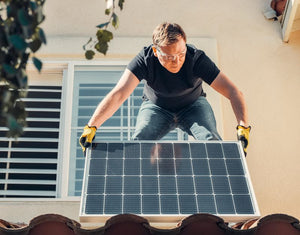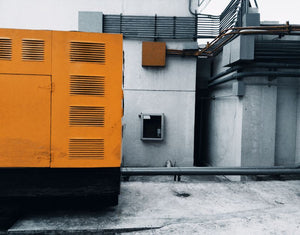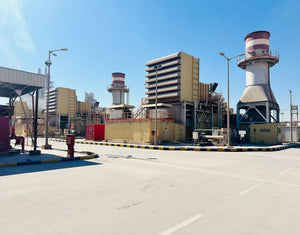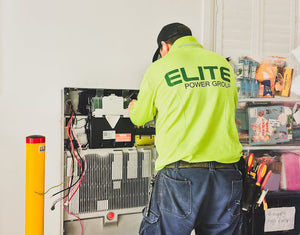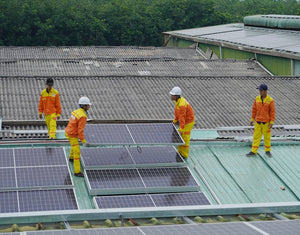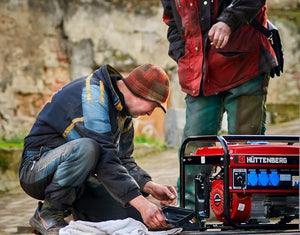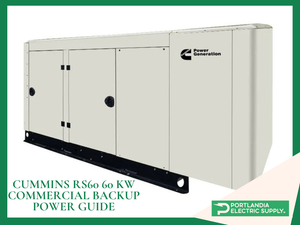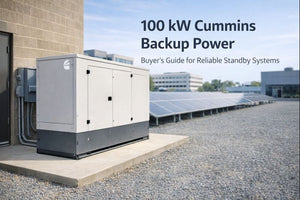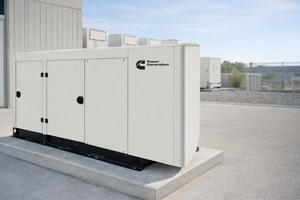
Unlike portable backups, standby home generators stay in place, are connected to your fuel supply, and integrate with your home’s electrical system to deliver reliable, seamless power during emergencies.
To understand how standby generators work in practice, you can check out the best home standby generator discussion.A well-designed setup also includes a CO detector integrated with the transfer logic for safety and proper clearances to protect against exhaust exposure; for homeowners evaluating options, consider home standby generators to compare sizes and features.
Sizing by load: calculating the right size for your home
Sizing starts with what you want to keep running during an outage. Identify essential loads (refrigeration, sump pumps, well pumps, heating or cooling controls, communications, lights) and nonessential loads you could tolerate losing if needed. For each motor or compressor, determine running watts and add starting surge watts for motors and heat pumps. Once you have a running total, add headroom—many professionals apply 10–25% extra capacity to accommodate future needs, seasonal usage spikes, and efficiency variations. Distinguish between continuous (typical for certain equipment) and standby ratings, and decide whether you want partial-home coverage or whole-home reliability. Practical steps: use a reputable load calculator, audit a year of outages or worst-case scenarios, and involve a licensed electrician or generator dealer to confirm precursor calculations and site feasibility. For many homes, a 12–20 kW unit provides robust partial-to-whole-home coverage, while larger residences or high-load scenarios (electric heating or multiple HVAC zones) may require 22–60 kW configurations or modular parallel options for growth. Quote from field practice: "Never guess the load. A professional assessment that includes HVAC, water heating, and security systems saves money and prevents undersizing or oversizing, both of which reduce reliability and increase cost." — Licensed electrician
Fuel options: natural gas, propane, and dual-fuel systems
Fuel choice drives convenience, runtime, and long-term operating costs. Natural gas offers a continuous fuel supply via existing gas lines, which minimizes refill logistics. However, line pressure, service size, and local gas availability influence performance—if the service line is undersized or pressure fluctuates, generator performance may be impacted during peak demand. Propane provides a portable and easily stored fuel source with known run-time characteristics, but it requires regular ordering and tank management. Dual-fuel systems combine natural gas and propane, offering flexibility during shortages or outages, and are increasingly popular for homeowners seeking resilience without relying on a single fuel source. Runtime and efficiency are important: a propane tank sized for the expected run-time and consumption will determine how long you can sustain essential loads, while natural gas typically benefits from a steady supply but may be affected by regional gas service constraints. Dual-fuel systems add installation complexity but can optimize fuel availability and cost over time. Your installer should evaluate fuel availability, pressure requirements, and safe fuel routing for each option. Practical tip: calculate run-time scenarios for your critical loads using each fuel type and choose a configuration that minimizes refueling needs while maintaining reliability. • Dual-fuel units often require dedicated fuel installation and proper interlocks to prevent backfeeding or cross-contamination of fuel sources.
Selection criteria: features and specs to compare in 2025
Choosing a standby generator is about matching power, reliability, and control features to your home and budget. Core specs to compare include kW rating (continuous vs. standby), fuel type, engine type, and fuel efficiency. Look for low-noise operation, robust enclosure design, and weather resilience. Emissions compliance and warranty length matter for long-term ownership and service coverage. Advanced features can add value: remote monitoring via a mobile app, automatic parallel operation for scalable capacity, and compatibility with home-automation or energy-management systems. A strong dealer network and factory service support are essential for timely maintenance and warranty claims. Consider the expected noise level (dBA at a typical listening distance) and enclosure design that minimizes sound output while protecting against weather and pests. Expert perspective: "Smart features that let you prioritize loads, monitor fuel levels, and alert you to maintenance needs reduce downtime and extend equipment life. Parallel-ready systems provide a future-proof path as your load grows or you add storage and solar." — Industry analyst
Installation basics: planning, permits, location, and code references

Installation planning begins with site selection and permitting. Local zoning, setbacks, and building codes govern where the unit can be placed, how exhaust is routed, and how fuel lines are connected. Plan for a solid foundation, sufficient ventilation to prevent heat buildup, and clearances for maintenance access. The location should be accessible for periodic maintenance, and away from doorways and occupied spaces to minimize noise and exhaust concerns. Site considerations include proximity to the main service disconnect, ability to safely interconnect with the home’s electrical system, and protection from weather while allowing for proper drainage. Engage licensed electrical and mechanical contractors to handle electrical interconnection, VS. state or local permit requirements typically involve inspections after installation. The transfer switch configuration (see below) should be chosen to match the home's main panel layout and any subpanels that will be powered during outages. PES Supply provides turnkey options with nationwide delivery from multiple hubs, supporting contractors and homeowners with fast, compliant installation workflows. Installation best practice: ensure CO detection near sleeping areas and consider automatic shutoff and interlock devices for safe operation. A well-planned install reduces downtime and improves long-term reliability.
Transfer switches and system integration
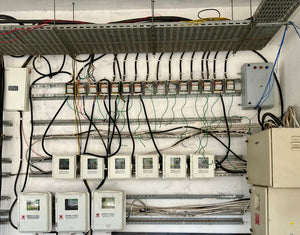
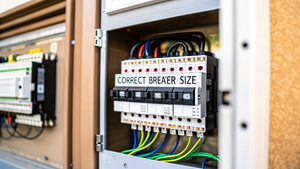
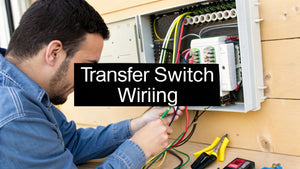
The Automatic Transfer Switch (ATS) is the control center for a standby system. It detects grid loss, signals the generator to start, and then reconfigures the home’s electrical circuits to run on emergency power. Important choices include a main-panel ATS, subpanel configurations, and load prioritization to determine which circuits stay powered when generation capacity is limited. Note on integration: a properly designed system integrates with the main service disconnect, ensures safe interlocks, and includes clear routing for exhaust and CO monitoring. For homes with future expansion, parallel operation (two or more generators working together) can provide scalable capacity. A well-designed transfer strategy preserves essential loads first and allows nonessential loads to shed when needed, maintaining reliability where you need it most during a prolonged outage. Technical takeaway: "A correctly wired ATS with a well-planned load priority strategy is the difference between a reassuring outage experience and a chaotic, manual shutdown of critical systems." — Electrical inspector
Noise, emissions, and environmental considerations
Noise and emissions are practical concerns that influence where you place a standby generator and how neighbors perceive the system. Modern standby models typically operate within a range of 50–70 dBA at a standard distance, depending on enclosure design and mounting. Enclosures and acoustic insulation help minimize noise, while strategic placement away from bedroom windows and property lines reduces impacts. Emissions are generally regulated by EPA or equivalent authorities, with most contemporary engines designed to meet or exceed current standards. Routine maintenance—air and fuel filters, spark plugs, oil changes, and CO detectors—keeps emissions within acceptable limits and protects the health of occupants and neighbors. Local ordinances may impose setback requirements and permit conditions, so consult the authority having jurisdiction (AHJ) during planning. Expert note: "A quiet, well-ventilated installation not only complies with codes but also preserves neighbor relations and homeowner sanity during outages." — Environmental compliance consultant
Code compliance, permits, and regional incentives (2025 updates)

Code compliance evolves with national and local updates. Expect ongoing NEC/NFPA amendments and jurisdiction-specific amendments that affect standby systems, including setback requirements, interconnection standards, exhaust routing, CO monitoring, and service disconnect placement. Permitting and inspection processes vary by locality, but most jurisdictions require electrical and mechanical permits, site inspections, and verification of proper clearances for servicing and ventilation. Hiring licensed electrical and mechanical contractors is essential to ensure compliance and safe operation. Incentives and financing options vary by region and program status. While regional incentives for standby systems are not as widespread as solar incentives, some utilities or state energy offices offer rebates, financing options, or demand-management programs that reduce effective operating costs. Check with your utility and local/state energy offices for current programs and eligibility criteria. PES Supply can help navigate regional programs and ensure your system is designed with incentives in mind. Expert tip: "Codes change, and inspections are common after installation. Build a relationship with a qualified contractor who stays current on local amendments and AHJ expectations." — Code compliance officer
Maintenance, warranty, and service planning
Maintenance is the unseen backbone of reliability. Follow manufacturer recommendations for oil changes, filter replacements, spark plugs, coolant checks, and fuel system upkeep. Regular exercise cycles—running the generator under load for a short period—keep engines, alternators, and fuel systems in good condition and help prevent seizing or hard starts after long storage. Create a maintenance calendar that includes seasonal checks, battery tests, coolant level verification, and fuel stabilization where applicable. Warranties vary by brand and model, with typical coverage spanning parts and limited labor for several years. Document warranties and service visits, and maintain a servicing log to support resale value and warranty eligibility. Work with an authorized service network to ensure parts availability and timely support, especially for parallel or multi-unit configurations. Practical advice: "A proactive maintenance plan with a trusted dealer reduces outage downtime and preserves system efficiency, especially for dual-fuel setups that require careful calibration." — Service manager, electrical contractor
Cost of ownership and market trends (2025): what to expect
Cost of ownership for home standby systems reflects equipment price, installation complexity, fuel choice, and long-term operating costs. Typical installed costs vary with size, fuel, and site challenges, ranging from mid-range budgets for smaller homes to higher-end systems for large estates or complex HVAC loads. Ongoing costs include fuel, routine maintenance, potential service contracts, and occasional component replacements. A reasonable planning framework is to budget for the entire lifecycle, including anticipated engine replacements once or twice over a multi-decade lifespan. Market trends in 2025 show continued dominance by leading brands such as Generac, Kohler, and Cummins, with expanding dual-fuel options, improved remote monitoring, and stronger integration with home-automation and energy-management platforms. Manufacturers are also delivering modular, scalable solutions that allow homeowners to add capacity later via parallel operation or energy storage partnerships, supporting more resilient grids and smarter outages. Smart-home integration is increasingly standard, enabling remote status checks, automatic load prioritization, and alerting. With fast nationwide delivery from 12+ hubs, PES Supply supports contractors and homeowners seeking turnkey solutions with professional support and a broad SKUs catalog. Cost snapshot (typical ranges): equipment and installation for mid-sized homes may start in the tens of thousands of dollars, with larger, multi-load, or dual-fuel installations moving higher. Always obtain a formal quote based on your load, site, and fuel availability. Expert observation: "Total cost of ownership isn’t just the sticker price. It’s fuel efficiency, maintenance reliability, and the ability to scale with your future power needs." — Industry consultant
Smart-home integration and outage planning
Smart-home integration turns standby power into a seamlessly managed energy asset. Modern systems offer remote monitoring via apps, real-time status updates, and alerts when maintenance is due or fuel levels run low. Many systems support parallel operation, enabling you to grow capacity as needs evolve or as you add solar and storage assets to create a coordinated resilience strategy. Outage planning focuses on prioritizing critical loads, sending alerts, and enabling staged restoration of nonessential circuits as capacity expands. Consider future-proofing by choosing a controller and ATS setup that can accommodate additional modules, new subpanels, or storage integration. Regional considerations—such as climate, fuel availability, and building codes—will influence how you implement remote monitoring, load prioritization, and expansion paths. Real-world advice: "Invest in a scalable, interoperable control system now so future upgrades—like solar-plus-storage or additional circuits—don’t require a full system rebuild." — Systems integrator, residential power solutions
Regional considerations, climate resilience, and future-proofing
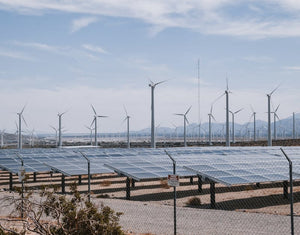
Regional climate factors drive placement, venting, and protective measures. Cold climates may require antifreeze considerations, block heaters for engines, and wind protection to minimize nuisance exposure. Hot climates necessitate robust ventilation and heat-tolerant components. Snow, ice, and high winds can affect outdoor installations, so choose weatherproof enclosures, secure mounting, and ensure clearances for maintenance and exhaust routing. Resilience planning increasingly blends standby generators with solar and storage in regions prone to outages or grid stress. Even if not fully integrated, multi-pronged approaches—backup power, energy efficiency, and demand management—enhance reliability. Consider zoning, drainage, and accessibility in your site design, plus long-term service considerations to support expansion as your needs grow. Final takeaway: work with a nationwide supplier like PES Supply to align your generator with a turnkey solar system, maintain a robust partner network, and ensure fast, nationwide delivery from multiple hubs. This positions you to respond quickly to outages and to scale with evolving energy strategies.
Power your next project with confidence by visiting PES Supply, a nationwide electrical supply distributor and installer partner offering premium Tier 1 solar panels, standby generators, and related electrical equipment. They provide turnkey solar solutions, live support, and fast nationwide delivery from 12+ distribution hubs, serving contractors, installers, and homeowners with 3,800+ in-stock SKUs and a network of 8,500+ solution providers. Click now to unlock faster sourcing, expert guidance, and reliable nationwide delivery—learn more today and power up your success.
Related Resources:
- Best Solar Panels 2026 — Buyer's Guide
- EG4 vs Tesla Powerwall
- Qcells vs Trina vs JA
- Solar Inverter Buyer's Guide
- Solar Battery Buyer's Guide
- 5kW Solar Kit
- 10kW Solar + Battery Kit
- Off-Grid Cabin Kit
- EG4 Batteries
- Qcells Solar Panels
- Trina Solar
- JA Solar
- REC Solar
- Mission Solar
- Sol-Ark Inverters
- SolarEdge Inverters
- Generac PWRcell
Calculate how much storage you need with our battery sizing calculator.
Check solar incentives available in your state.
Use our free solar system calculator to size your array.
Check out our Solar Panel Comparison Tool. Check out our Inverter Sizing Calculator.
Calculate your solar payback and 25-year savings with our Solar ROI Calculator. Follow our complete DIY solar installation guide for step-by-step instructions. Keep your system running at peak performance with our Solar Maintenance Guide.
Related Resources
- Solar System Calculator
- Battery Sizing Calculator
- Solar Panel Comparison Tool
- Inverter Sizing Calculator
- Solar ROI Calculator
- Solar Installation Guide
- Solar Maintenance Guide
- Solar Permitting Guide
- Battery Installation Guide
- NEC Code Compliance Guide
- Solar Panel Mounting Guide
- Grounding & Bonding Guide
- Solar Incentives by State
- Pro Account — Wholesale Pricing
- PowerLink Network — Contractor Program