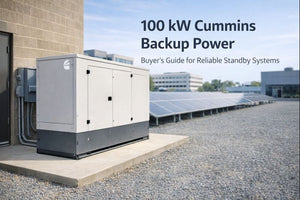
Introduction and purpose of this buyer's guide
If you are evaluating the cummins rs50 generator for standby or prime power, you are balancing upfront cost, ongoing operating expenses, and long term resilience.
Key decision points include the distinction between standby and prime power, how derating factors from altitude and temperature affect output, and how modern monitoring and service networks reduce risk during critical events, including the cummins rs50 for reliable standby power.
Comparison criteria
Rated power accuracy vs nameplate rating — Understand how a generator performs at the rated condition and how derating factors for altitude, ambient temperature, and engine wear affect real world output. A trusted supplier will provide clear derating curves and test data to verify the gap between nameplate ratings and actual delivered power under site conditions.
Fuel type availability — Diesel, natural gas, and dual fuel are common configurations around the 50 kW range. Each option has different fuel logistics, cost profiles, and emissions implications. Consider what fuel is reliably available at your site and for emergency continuity across weather events or regional outages.
Emissions compliance — EPA Tier 4 Final for diesel and EU Stage V for European or regionally regulated markets influence maintenance intervals, aftertreatment needs, and long term reliability. Confirm the model you select is compliant with the jurisdiction where the equipment will operate and that aftertreatment is accessible through the local service network.
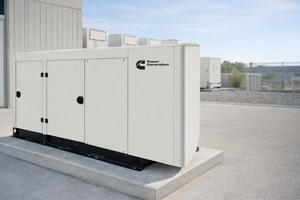
Sound level and enclosure options — Noise requirements and outdoor siting constraints drive enclosure choice. Sound-attenuated enclosures, weatherized housings, and integrated exhaust routing influence operation at the property edge and compliance with local noise ordinances.
Remote monitoring and control features — Cummins Cloud and companion protective relay integrations enable alarms, dashboards, and proactive maintenance. A strong monitoring feature set reduces unplanned downtime by notifying you of target parameter deviations before they become failures.
Warranty coverage and authorized service network — Coverage for parts and labor, plus access to a nationwide authorized service network, reduce lifecycle risk. Ensure the plan includes timely on-site service and a clear process for parts availability across your installation footprint.
Total cost of ownership — Beyond the sticker price, evaluate fuel costs, maintenance, worst-case uptime impact, financing terms, and potential tax incentives. A holistic TCO view helps justify the investment for standby resilience or prime power reliability over the equipment life cycle.
"Sizing for resilience means more than meeting a number on a spec sheet. You must account for how the system will operate during a multi-hour outage, how quickly it can return to service, and how maintenance will be managed across a distributed fleet."
— Industry engineering advisor
Understanding 50 kW power ranges and typical load profiles
A 50 kW generator represents a versatile middle ground for medium-sized facilities, data rooms, or multiple HVAC zones where reliability is crucial but total electrical demand is not in the megawatt range. In standby configurations, a 50 kW unit is typically capable of supporting essential systems such as cooling equipment, pumps, lighting, and critical office loads during an outage. In prime mode, it can sustain ongoing operations for facilities with variable demand, provided cumulative load stays within the approved rating and derating rules are observed.
Load profiles matter. A common approach is to profile loads into essential, nonessential, and future growth categories, then assess how much of the 50 kW is required for critical equipment during a contingency. When sizing, account for startup surges from motors and compressors, which can briefly spike demand above running load. Derate for altitude and ambient temperature as recommended by the manufacturer. For example, at higher elevations or in extreme heat, a 50 kW unit may deliver less continuous output than seaLevel ratings, so plan for a comfortable margin or consider a dual-fuel option that optimizes performance under varied conditions.
Key performance metrics to understand include kW, kVA, efficiency, and fuel consumption per hour at typical loads. In practice, a well-designed system uses a load bank or smart transfer strategy to keep the generator within its most efficient operating window, reducing fuel usage and wear. This approach also helps with long-term maintenance planning and ensures the unit can respond promptly to an outage without exceeding its derated limits.
"With 50 kW gensets, the goal is to maintain essential loads well within the engine's efficient band, not to chase the peak rating under all conditions. A clear load plan reduces fuel costs and extends service intervals."
— Electrical project engineer
Model options and configurations from Cummins
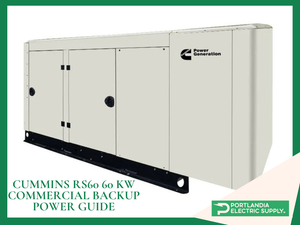
Cummins offers 50 kW generator options across diesel, natural gas, and dual-fuel configurations. Each fuel type brings its own set of advantages and trade-offs. Diesel variants deliver strong peak performance and robust cold-weather capability; natural gas variants offer fuel flexibility, often lower fuel cost, and reduced emissions under certain operating conditions; dual-fuel configurations blend both fuels to optimize reliability and fuel efficiency, particularly where natural gas is abundant but a backup diesel path remains essential for peak demand or startup surges.
Enclosure styles and footprints differ as well. For site constraints and exterior exposure, you can select weatherized enclosures with appropriate ventilation and exhaust routing. For rooftop or tight urban installations, compact footprints and integrated sound attenuation become critical. When reading data sheets, note the base engine model family, electrical efficiency curves, rated standby and prime outputs, and recommended maintenance intervals. The best practice is to align enclosure type, footprint, and exhaust routing with site geometry, local codes, and the available fuel supply to maximize resilience and ease of installation.
PES Supply supports a nationwide network of partners and 12+ distribution hubs to simplify procurement and delivery. We help you map a path from site survey to commissioning, including transfer switch compatibility, gas line sizing, and electrical interconnection requirements. Our team can also coordinate with Cummins Cloud enabled monitoring to keep you informed from install through ongoing maintenance.
Emissions and compliance: EPA Tier 4 Final and EU Stage V

Emissions compliance is a central consideration for many projects. Diesel powered 50 kW gensets commonly comply with EPA Tier 4 Final, which uses selective catalytic reduction and diesel particulate filtration to reduce NOx and particulate emissions. In regions outside the United States or in markets requiring stricter controls, EU Stage V and other local standards can shape how you select and maintain a unit. Compliance affects aftertreatment systems, service access, and potential maintenance scheduling, so verify that you are selecting an engine configuration designed to meet your operating region's requirements.
The impact of aftertreatment on maintenance and reliability should not be overlooked. SCR and DPF components require periodic cleaning and replacement of consumables, and servicing must be performed by authorized technicians trained on Cummins aftertreatment systems. When planning, consider the long lead times for specific emission control components and ensure your service network is prepared to support these systems with genuine parts and trained technicians. This proactive approach minimizes downtime and protects your investment against evolving regulatory expectations.
"Tier 4 Final and Stage V compliance are not just compliance labels; they influence maintenance needs, fuel selection, and long term reliability. A properly configured system with accessible parts and a trained service network yields the best lifecycle performance."
— Compliance engineering specialist
Fuel types, efficiency, and dual-fuel capabilities
Diesel remains a workhorse for standbys due to its high energy density and reliability in varying weather conditions. Natural gas offers fuel flexibility, lower on-site storage requirements, and the potential for reduced emissions in certain operating profiles. Dual-fuel configurations combine a natural gas primary supply with a diesel auxiliary for startup and peak loading, delivering resilience where natural gas lines are available but a robust backup diesel path remains prudent. When evaluating efficiency, consider the generator’s rated efficiency, heat rejection, and how quickly the system can transition from idle to loaded state during an outage.
Fuel storage and delivery are important operational considerations. Diesel tanks require secure, weatherproof containment and periodic testing; natural gas connections demand proper line sizing, pressure regulation, and gas utility coordination. For sustained operation, you should also plan for fuel security, including monitoring of storage levels, leak detection, and emergency fuel supply strategies that align with project risk tolerance and local regulations.
Dual-fuel reliability hinges on switching strategies and control logic. Modern Cummins controllers typically manage seamless transitions between fuel sources to minimize downtime and protect critical loads. In practice, dual-fuel operation should include a tested startup sequence, fuel quality monitoring, and contingency planning for a single-fuel constraint during a regional outage. Your procurement plan should include fuel infrastructure assessment and maintenance tasks that support long term performance.
Installation considerations: space, ventilation, and enclosure
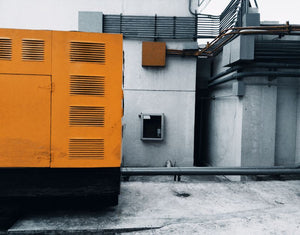
Site planning for a 50 kW genset starts with space, ventilation, and clearance. Ensure there is adequate room for service access, exhaust routing to the exterior, and appropriate clearance from combustible materials and occupancy zones. Consider the need for a dedicated transfer switch and proper protection devices to meet electrical codes. For outdoor installations, weatherproof enclosures and sound attenuation options reduce noise exposure while protecting equipment from the elements. When indoor installations are necessary, ensure proper ventilation and exhaust capture with appropriate ducting and spark arrestors as required by local regulations.
Noise attenuation and enclosure selection are often paired. Sound-attenuated enclosures can substantially reduce sound levels at boundaries, meeting municipal noise ordinances and improving neighbor relations in commercial or multi-tenant environments. Enclosures also influence cooling and air flow; ensure there is sufficient ventilation to avoid overheating and derating. Finally, obtain permitting early in the project and confirm interconnection requirements with the utility and the building management system to streamline commissioning and avoid delays.
From a practical standpoint, detailed site drawings, including transfer switch location, tank placement if applicable, and exhaust routing paths, help the install team meet safety and performance criteria on day one. PES Supply collaborates with qualified installers to provide site surveys, installation planning, and checklists that support on time, on budget project delivery.
Monitoring, control, and remote capabilities with Cummins Cloud

Remote monitoring capabilities have moved from convenience to core reliability infrastructure. Cummins Cloud offers real time dashboards, status alarms, and device health data that you can access from a computer or mobile device. For contractors and owners, Dashboards translate raw data into actionable insights, enabling proactive maintenance, fuel management optimization, and rapid response to faults. Integrations with protective relays and building management systems help align generator performance with broader facility controls and energy management strategies.
Security and access control are essential in remote monitoring. Implement role based access, secure authentication, and regular audits of event logs to protect sensitive control data. When configuring the system, set up automated alerts for low fuel, engine warm up, high exhaust temperatures, and transfer switch faults. These proactive measures can dramatically shorten mean time to repair and improve overall system resilience, particularly in critical facility environments like data centers, hospitals, and emergency operation centers.
Maintenance, warranties, and the service network
Effective maintenance keeps a 50 kW genset reliable across years of operation. Follow the manufacturer recommended intervals for oil changes, filter replacements, coolant maintenance, battery checks, and aftertreatment servicing for diesel variants. A well documented maintenance plan supports predictable downtime windows and helps protect warranty coverage. Working with an authorized Cummins service network ensures access to genuine parts, trained technicians, and coverage across multiple regions, which is especially valuable for nationwide projects and installations with remote or multi site footprints.
Warranty terms vary by model and region but typically include coverage for major components and certain labor allowances. When financing or leasing the genset, verify how maintenance support is packaged and whether extended warranties are included or available as add ons. PES Supply coordinates with Cummins authorized service providers to ensure timely parts supply and local technician availability, helping you maintain uptime for standby or prime configurations alike.
In addition to standard warranty, consider service level agreements that include preventive maintenance visits, remote diagnostics, and rapid response options. A robust service network reduces the risk of extended outages during critical periods and supports your project’s long term resilience goals.
Total cost of ownership and procurement considerations
Total cost of ownership includes initial purchase price, installation costs, and ongoing operating expenses such as fuel, oil, filters, and routine maintenance. Financing options, lease arrangements, and potential tax incentives or utility rebates can significantly influence the economics of a 50 kW Cummins generator. With multiple distribution hubs and a nationwide service network, PES Supply can help optimize procurement timing, assess lead times, and coordinate installation to minimize disruption and maximize return on investment.
Beyond the price tag, consider resilience value, such as downtime avoidance, reliability, and the potential energy cost savings from optimized generator operation and integration with solar plus storage strategies. When planning procurement, align the equipment choice with project schedule, site readiness, and the availability of skilled labor for installation and commissioning.
Financing and incentives vary by location and project type. Discuss options such as equipment financing, power purchase agreements, or utility incentive programs with your PES Supply representative to determine the best fit for your business or home project. The end result should be a clear, defendable business case that supports a fast, reliable, and scalable power solution for standby or prime power needs.
Practical steps to select the right 50 kW Cummins generator
- Conduct a detailed load assessment for essential and nonessential systems, including potential future growth and startup surges for motors and pumps.
- Choose fuel type based on site practicality, cost trends, and grid reliability in your region. Evaluate dual-fuel options if fuel security and emissions are competing priorities.
- Assess site constraints including space, ventilation, enclosure options, noise limits, and interconnection requirements with the utility and transfer switch equipment.
- Review emissions compliance and aftertreatment service availability in your region to ensure long term maintenance is feasible and predictable.
- Request quotes from authorized dealers and verify included warranties, service network coverage, and remote monitoring features such as Cummins Cloud.
- Develop a comparison matrix that weighs power accuracy, fuel type, emissions, sound, monitoring, warranty, and TCO to finalize the model choice with stakeholders.
- Plan for installation, commissioning, and training, ensuring your installation partner can deliver a complete turnkey solution with ongoing support from PES Supply.
With the right 50 kW Cummins generator, you gain a resilient backbone for standby or prime power that integrates with turnkey solar systems and remote monitoring, backed by a robust service network and financing options. Reach out to PES Supply to discuss your site, load profile, and the best configuration to fit your project timeline and budget.
Power your next project with confidence by visiting PES Supply, a nationwide electrical supply distributor and installer partner offering premium Tier 1 solar panels, standby generators, and related electrical equipment. They provide turnkey solar solutions, live support, and fast nationwide delivery from 12+ distribution hubs, serving contractors, installers, and homeowners with 3,800+ in-stock SKUs and a network of 8,500+ solution providers. Click now to unlock faster sourcing, expert guidance, and reliable nationwide delivery—learn more today and power up your success.
Related Resources:
- Best Solar Panels 2026 — Buyer's Guide
- EG4 vs Tesla Powerwall
- Qcells vs Trina vs JA
- Solar Inverter Buyer's Guide
- Solar Battery Buyer's Guide
- 5kW Solar Kit
- 10kW Solar + Battery Kit
- Off-Grid Cabin Kit
- EG4 Batteries
- Qcells Solar Panels
- Trina Solar
- JA Solar
- REC Solar
- Mission Solar
- Sol-Ark Inverters
- SolarEdge Inverters
- Generac PWRcell
Calculate how much storage you need with our battery sizing calculator.
Check solar incentives available in your state.
Use our free solar system calculator to size your array.
Check out our Solar Panel Comparison Tool. Check out our Inverter Sizing Calculator.
Calculate your solar payback and 25-year savings with our Solar ROI Calculator. Follow our complete DIY solar installation guide for step-by-step instructions. Keep your system running at peak performance with our Solar Maintenance Guide.
Related Resources
- Solar System Calculator
- Battery Sizing Calculator
- Solar Panel Comparison Tool
- Inverter Sizing Calculator
- Solar ROI Calculator
- Solar Installation Guide
- Solar Maintenance Guide
- Solar Permitting Guide
- Battery Installation Guide
- NEC Code Compliance Guide
- Solar Panel Mounting Guide
- Grounding & Bonding Guide
- Solar Incentives by State
- Pro Account — Wholesale Pricing
- PowerLink Network — Contractor Program