Introduction and the online solar buying landscape
Overview of online solar purchasing
PES Supply's residential collection, with 12+ distribution hubs and 3,800+ in-stock SKUs, is designed to streamline this process for contractors, installers, and homeowners alike, backed by live support and a nationwide delivery network.
Reputable marketplaces and suppliers publish itemized quotes, enable side-by-side comparisons, and provide guidance on interconnection steps, permitting, and post-sale support, and you can explore the brands category for a curated view of top manufacturers.
What this guide covers
This guide walks you through evaluating suppliers, understanding panel types and specifications, reviewing warranties, choosing installation options, breaking down costs, exploring financing and incentives, navigating online marketplaces, selecting installers, and planning shipping. It helps you translate a price quote into a complete, deployable solar solution with a clear path to interconnection and ongoing performance monitoring. Region‑specific considerations—like net metering rules and local incentives—are highlighted so you can account for local differences without guessing.
Key comparison criteria you’ll want to apply across every section are: Panel type and efficiency, Warranty terms (product, performance, inverter), Total installed cost and price per watt, Financing options and incentives, Shipping terms and lead times, Net metering compatibility and local incentives, and Supplier transparency and customer reviews — and you can shop solar kits to explore practical kit options.
Key comparison criteria
- Panel type and efficiency
- Warranty terms (product, performance, inverter)
- Total installed cost and price per watt
- Financing options and incentives
- Shipping terms and lead times
- Net metering compatibility and local incentives
- Supplier transparency and customer reviews
Solar panel types, specs, and performance expectations
Panel types explained
When choosing, you’ll weigh efficiency against cost, space, durability, and aesthetics, and you can buy solar panels online to compare options.
Durability matters: most panels are tested to UL/IEC standards and carry warranties that reflect confidence in long‑term performance. Temperature and shading sensitivity also play a role; high‑quality modules tend to degrade less and maintain output more reliably across seasons. Your choice should align with roof space, local sun exposure, and the system size you plan to install. A balanced approach—combining reliable performance with solid warranty coverage—yields the best long‑term ROI for most projects.
Key specs and real‑world performance
When comparing panels, the most important specs are efficiency, wattage rating, temperature coefficient, and certifications (UL/IEC). Efficiency tells you how much of the sun’s energy a panel can convert into usable electricity; wattage reflects the panel’s power output under standard test conditions. The temperature coefficient indicates how output drops as temperatures rise—crucial in hot climates. Certifications assure you the panel meets safety and performance standards, while physical size matters for roof layout and installation cost.
Real‑world performance depends on several factors: shading from nearby trees or chimneys, roof orientation and tilt, local weather patterns, and how the system is commissioned. Degradation—a typical annual decline in power output—varies by panel quality but is commonly low, ensuring meaningful electricity production well into the life of the system. The combination of solid warranties and predictable performance is what helps you forecast savings and plan maintenance with confidence.
Key comparison criteria
- Panel type and efficiency
- Warranty terms (product, performance, inverter)
- Total installed cost and price per watt
- Financing options and incentives
- Shipping terms and lead times
- Net metering compatibility and local incentives
- Supplier transparency and customer reviews
Evaluating suppliers and online solar marketplaces
Assess marketplaces for verified installers, price transparency, and reviews
When you shop online, you’re not just selecting panels; you’re choosing a partner for project design, permitting, interconnection, and ongoing service. Look for marketplaces and distributors that offer verified licenses, clear warranties, and third‑party reviews from credible sources. A trustworthy platform will also provide an explicit breakdown of included services (permits, interconnection, monitoring) and publish standard terms for shipping, returns, and warranty transferability. In today’s market, transparency isn’t optional—it’s expected, and it’s what separates robust providers from speculative storefronts.
To compare quotes effectively, request equipment lists that detail each component (panels, inverters, racking, monitoring), confirm who handles permits and interconnection, and establish a realistic installation timeline. Watch for vague pricing, missing licenses, large upfront deposits, and installers with limited regional coverage—these are common red flags that can derail projects or create hidden costs.
How to compare quotes and protect yourself
Header‑to‑header quote comparisons should include the equipment schedule, wiring diagrams, mounting details, and all services offered (design, interconnection, monitoring, and maintenance). A comprehensive quote will also specify delivery terms, lead times, and post‑sale support windows. Ask for references or case studies from similar installations and verify NABCEP‑style credentials where applicable. Understanding who is responsible for permits, interconnection paperwork, and inspection coordination helps prevent delays and stranded costs.
Safe online shopping practices matter as much as the solar tech itself. Use secure payment methods, enable account protections, and favor providers with buyer protections or escrow options. With a national distributor like PES Supply, you benefit from coordinated logistics across multiple hubs and a network of solution providers to support a smooth, transparent buying and installation experience.
Key comparison criteria
- Panel type and efficiency
- Warranty terms (product, performance, inverter)
- Total installed cost and price per watt
- Financing options and incentives
- Shipping terms and lead times
- Net metering compatibility and local incentives
- Supplier transparency and customer reviews
Warranties and post-purchase support

Understanding panel product warranty, performance warranty, and inverter/workmanship warranties
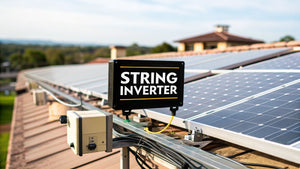
Warranties are a cornerstone of confidence in long‑term solar investments. A typical product warranty covers defects in materials and workmanship for a defined period, often around a decade or more for premium panels. A performance warranty guarantees that the panel will deliver a minimum portion of its labeled output over time—commonly 25 years—with a gradual degradation curve that ensures you still produce meaningful energy. Inverter warranties vary by technology (string inverters, microinverters, or power optimizers) and generally range from 10 to 12+ years, with some premium options offering longer coverage. Always verify transferability when you sell a home, and understand any maintenance requirements to keep coverage active.
Beyond the paperwork, ask how to file a claim, what counts as an eligible fault, and whether service is remote or requires on‑site visits. A robust post‑purchase program includes monitoring options, scheduled maintenance reminders, and quick access to replacement parts or modules if needed. Solid warranties and reliable post‑sale support are not luxuries; they protect your investment as the system ages and performance expectations evolve.
"Performance warranties are designed to ensure you continue to receive a meaningful portion of the original energy production over the life of the panel."Source: NREL/industry guidance on solar panel warranties
Post-purchase support and service models
Post‑purchase support can take several forms: remote monitoring dashboards, scheduled remote diagnostics, and in‑home service windows when needed. Some manufacturers and distributors bundle monitoring with service plans, while others offer standalone options. Consider response times, service coverage areas, and the ability to access replacement parts or swapped modules if a panel underperforms. A seamless support experience reduces downtime and keeps production on track, which is especially important for commercial or industrial projects with uptime requirements.
Key comparison criteria
- Panel type and efficiency
- Warranty terms (product, performance, inverter)
- Total installed cost and price per watt
- Financing options and incentives
- Shipping terms and lead times
- Net metering compatibility and local incentives
- Supplier transparency and customer reviews
Costs, financing, incentives, and how to compare quotes
Typical installed cost and price per watt insights
Understanding the economics starts with recognizing that installed costs vary by region, system size, and chosen equipment. A commonly observed range for residential systems sits roughly between $2.50 and $3.50 per watt before incentives, with soft costs (permits, design, interconnection, monitoring) adding a meaningful portion. Smaller residential projects may incur higher per‑watt costs due to fixed soft costs, while larger commercial installations often benefit from economies of scale. Regions with higher labor or permitting costs will also push the per‑watt price upward. The goal is to maximize value—not just minimize sticker price—by balancing equipment quality, system design, and installed cost.
Financing options vary from cash purchases to solar loans, leases, and power purchase agreements (PPAs). Ownership through a loan or cash purchase typically yields the greatest long‑term savings, particularly when paired with tax incentives or depreciation where applicable. Leases and PPAs may reduce upfront costs but can impact lifetime savings and ownership benefits. Each path has distinct implications for cash flow, tax credits, and maintenance responsibilities.
Financing options and incentives basics
Incentives and net metering policies depend on your location. Federal and state programs—together with utility tariffs—shape the financial outcome of a solar investment. Always confirm current eligibility, required equipment, and the steps to apply for incentives and interconnection credits. A credible supplier will guide you through these steps, helping you forecast payback periods, expected energy savings, and the impact of any storage or backup power options you may add in the future.
Key comparison criteria
- Panel type and efficiency
- Warranty terms (product, performance, inverter)
- Total installed cost and price per watt
- Financing options and incentives
- Shipping terms and lead times
- Net metering compatibility and local incentives
- Supplier transparency and customer reviews
Installation options, choosing installers, permits, and interconnection
Turnkey installation vs. customer‑sourced components
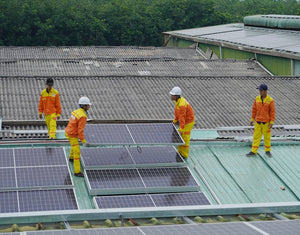
Two primary paths exist for getting solar on your roof or ground mount: turnkey installation, where a single provider designs, warrants, permits, interconnects, and installs the system; and a customer‑sourced approach, where you pick panels, inverters, and racking separately and hire a contractor to assemble them. Turnkey installations simplify timelines and warranties, offering a single point of accountability and a predictable process from site evaluation to commissioning. A customer‑sourced approach can lower upfront costs if you already have preferred equipment or a strong network of installers, but it requires careful coordination of permits, code compliance, and interconnection paperwork.
When selecting installers, prioritize credentials (local licenses, NABCEP‑equivalent credentials where applicable), a proven track record with similar project sizes, and clear workmanship warranties. Clarify who handles permits, HOA approvals, interconnection paperwork, and after‑sales service. Expect a detailed scope of work, a transparent timeline, and a warranty that covers both hardware and labor. A well‑structured contract reduces the risk of change orders and delays during city inspections and grid interconnection.
Permitting and interconnection basics
Permitting timelines depend on local jurisdiction and utility procedures. Interconnection can involve utility readiness checks, safety inspections, and net metering enrollment. Your installer should assist with these steps, provide required drawings and documentation, and coordinate with the utility to ensure a smooth connection to the grid. HOA considerations, shade analysis, and roof condition assessments are often early‑stage requirements that influence system design and approval timelines.
Key comparison criteria
- Panel type and efficiency
- Warranty terms (product, performance, inverter)
- Total installed cost and price per watt
- Financing options and incentives
- Shipping terms and lead times
- Net metering compatibility and local incentives
- Supplier transparency and customer reviews
Shipping, delivery, and region‑specific considerations

Shipping terms, packaging, insurance, and lead times
Shipping is a critical, often‑overlooked facet of online solar buying. Reputable suppliers provide clear terms for packaging, insurance coverage, and lead times, with contingency plans for damaged shipments and back‑ordered items. When you purchase from a nationwide distributor with multiple hubs—like PES Supply’s 12+ distribution centers—you gain leverage on delivery speed and route optimization, reducing on‑site trucking and handling risks. Confirm who handles damaged shipments, how replacements are managed, and what documentation accompanies each shipment for quick interconnection approval.
Be proactive about packaging integrity and arrival checks. Inspect crates upon delivery, photograph any damage, and document discrepancies before signing. A strong logistics program speeds up installation readiness and minimizes downtime between shipment and on‑roof commissioning. Regional considerations—such as travel distances, weather windows, and local permits—can influence delivery schedules and installation planning.
Region‑specific considerations and safe online shopping practices
Net metering and local incentives vary by state, utility, and rate structure, so tailor your purchase to the policies where the system will operate. Verify interconnection requirements, eligible equipment, and the steps to apply for credits or tariff programs. Regionally dependent programs can significantly affect payback, especially when paired with energy storage or backup power options. For safe online buying, rely on reputable marketplaces with verified installers, robust buyer protections, and clear SLA terms. Always use secure payment methods and keep a record of all contracts, receipts, and warranty documents so you can transfer them if you sell your property.
Key comparison criteria
- Panel type and efficiency
- Warranty terms (product, performance, inverter)
- Total installed cost and price per watt
- Financing options and incentives
- Shipping terms and lead times
- Net metering compatibility and local incentives
- Supplier transparency and customer reviews
Post‑purchase: monitoring, maintenance, and performance optimization
Monitoring options and performance tracking
Most modern solar systems include a monitoring platform—either bundled with the inverter vendor or provided as a separate service—that lets you track production, energy consumption, and system health in real time. Cloud dashboards, mobile apps, and alert notifications help you spot underperformance quickly and take corrective action. Consider whether monitoring is included in your package, the ease of use, and how data is shared with your installer or service team so that remote diagnostics lead to faster fixes when needed.
Monitoring data also supports ongoing performance optimization. By comparing realized output to forecasted production, you can identify shading changes, soiled panels, or inverter anomalies and schedule maintenance before small issues become costly outages. In commercial settings, monitoring becomes a critical tool for guaranteeing uptime and documenting reliability for tenants or stakeholders.
Maintenance, performance troubleshooting, and warranty transfers
Maintenance for typical residential systems is minimal but important. Regular cleaning to remove dust, bird droppings, and debris, plus annual checks of wiring and mounting hardware, helps sustain performance. If a panel or string underperforms, your installer should perform diagnostics, check for microcracks, module frame integrity, and wiring integrity. If you sell the home, know that many warranties are transferable, but the transfer process can require documentation and a verification step with the original installer. Keeping a detailed record of all maintenance, monitoring, and service ensures smooth warranty transfers and long‑term value preservation.
Key comparison criteria
- Panel type and efficiency
- Warranty terms (product, performance, inverter)
- Total installed cost and price per watt
- Financing options and incentives
- Shipping terms and lead times
- Net metering compatibility and local incentives
- Supplier transparency and customer reviews
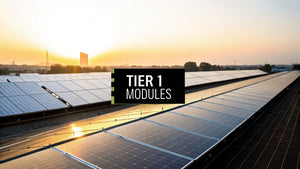
Power your next project with confidence by visiting PES Supply, a nationwide electrical supply distributor and installer partner offering premium Tier 1 solar panels, standby generators, and related electrical equipment. They provide turnkey solar solutions, live support, and fast nationwide delivery from 12+ distribution hubs, serving contractors, installers, and homeowners with 3,800+ in-stock SKUs and a network of 8,500+ solution providers. Click now to unlock faster sourcing, expert guidance, and reliable nationwide delivery—learn more today and power up your success.
Related Resources:
- Best Solar Panels 2026 — Buyer's Guide
- EG4 vs Tesla Powerwall
- Qcells vs Trina vs JA
- Solar Inverter Buyer's Guide
- Solar Battery Buyer's Guide
- 5kW Solar Kit
- 10kW Solar + Battery Kit
- Off-Grid Cabin Kit
- EG4 Batteries
- Qcells Solar Panels
- Trina Solar
- JA Solar
- REC Solar
- Mission Solar
- Sol-Ark Inverters
- SolarEdge Inverters
- Generac PWRcell
Calculate how much storage you need with our battery sizing calculator.
Check solar incentives available in your state.
Use our free solar system calculator to size your array.
Check out our Solar Panel Comparison Tool. Check out our Inverter Sizing Calculator.
Calculate your solar payback and 25-year savings with our Solar ROI Calculator. Follow our complete DIY solar installation guide for step-by-step instructions. Keep your system running at peak performance with our Solar Maintenance Guide.
Related Resources
- Solar System Calculator
- Battery Sizing Calculator
- Solar Panel Comparison Tool
- Inverter Sizing Calculator
- Solar ROI Calculator
- Solar Installation Guide
- Solar Maintenance Guide
- Solar Permitting Guide
- Battery Installation Guide
- NEC Code Compliance Guide
- Solar Panel Mounting Guide
- Grounding & Bonding Guide
- Solar Incentives by State
- Pro Account — Wholesale Pricing
- PowerLink Network — Contractor Program