

Solar Ballast Blocks Guide: Types, Sizing, Installation, and Safety Best Practices
When critical loads cannot tolerate interruption, a properly specified 80 kW Cummins emergency generator bridges the gap between temporary outages and full reliability—enabling business continuity, safety compliance, and service level commitments to customers and patients alike. For contractors, facility managers, and building owners, understanding the complete picture of sizing, fuel options, and total cost of ownership is essential for making informed procurement decisions—browse the generators collection to compare standby power options from leading manufacturers.
This buyer's guide helps you evaluate sizing requirements, compare fuel strategies, and translate technical specifications into a practical installation plan. Whether you're protecting a commercial facility, healthcare campus, data center, or manufacturing operation, you'll find guidance on load analysis, emissions compliance, remote monitoring capabilities, and real-world applications that reflect how Cummins systems perform across diverse environments.
Expert note: A well-designed standby power system is as important as the building systems it protects. Proper sizing, fuel strategy, and maintenance planning prevent costly downtime, reduce operational risk over the system life cycle, and help maintain business continuity during grid disruptions. Remote diagnostics and modular parity allow for proactive maintenance and scalable resilience—crucial for facilities where every minute of downtime costs more than the generator itself.
Why an 80 kW Cummins Emergency Generator?
The 80 kW power class represents a sweet spot for many commercial and light industrial applications—sufficient capacity to support essential building systems, IT infrastructure, and critical equipment without the complexity and cost of larger utility-scale installations. Cummins has established itself as a leader in this segment through decades of proven reliability, a robust dealer network, and continuous innovation in control systems and remote monitoring.
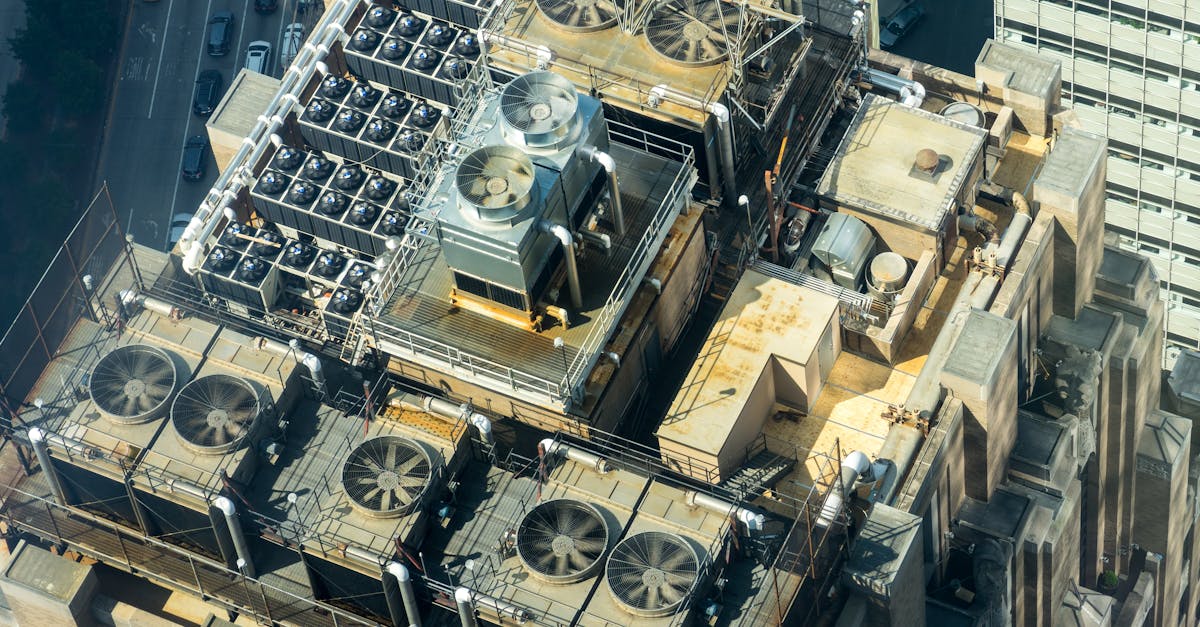
Reliability is supported by modular parallel configurations that allow capacity growth without full equipment replacement. A mature remote monitoring ecosystem provides real-time health status, predictive maintenance alerts, and service scheduling. The broader Cummins ecosystem supports rapid parts fulfillment through multiple distribution hubs and trained technicians nationwide—a meaningful differentiator for facilities requiring minimal downtime.
Key Differentiators for Cummins in This Tier
For facilities planning future expansion, IT load growth, or new equipment additions, the modular approach enables adding capacity in steps, sharing redundancy across modules, and maintaining uptime during maintenance windows—all without replacing the entire system. One of Cummins' core strengths in the 80 kW class is modular scalability through parallel operation.
Key Principle: The modular, remote-enabled approach reduces both capital risk and downtime exposure for complex facilities. Paralleling enables adding capacity to accommodate load growth, share redundancy across modules, and maintain uptime during maintenance windows.
Understanding Your 80 kW Requirement: Sizing and Load Analysis
Sizing an 80 kW standby system starts with understanding your critical loads—how much of the facility must remain operational during an outage and where startup surges will originate. Essential loads typically include lighting, life-safety systems, IT infrastructure, and critical mechanicals. Non-essential loads may be shed to optimize performance under generator power.

A formal load study aligned with IEEE guidelines and NFPA requirements helps capture simultaneous load conditions, motor inrush currents, and duty cycle variations. The result is a defensible, documented scope that informs ATS sizing, identifies the need for energy storage or paralleling, and guides protective strategies.
Key Steps in Load Analysis
Proper sizing involves conducting a comprehensive load survey of continuous and transient loads, applying appropriate load diversity factors, and planning for startup headroom. Motor starts and compressor startups can demand several times the running load for brief periods, so both the ATS and generator must be sized accordingly.
| Load Category | Typical Range | Sizing Considerations |
|---|---|---|
| Continuous Loads | 60-70% of capacity | Lighting, HVAC, IT equipment running loads |
| Motor Inrush | 3-6× running watts | HVAC compressors, pumps, elevators |
| Safety Margin | 10-25% headroom | Future growth, simultaneous starts |
| Power Factor | 0.8 - 0.9 PF typical | Affects kVA vs. kW requirements |
Sizing Formula: Required Generator Capacity = (Total Connected Load × Diversity Factor) + Safety Margin. Example: (65 kW × 0.9) + 20% margin = 70.2 kW → 80 kW generator selected. Accurate power factor assessment is essential—0.8 PF loads require different kW capacity than 0.9 PF loads.
Safety Margins and Future Growth
Common practice recommends 10-25% safety margins to cover startup surges, motor inrush, and modest load growth over the equipment life. A robust approach also accounts for power factor variations, critical vs. non-critical prioritization, and the possibility of interim power sources such as battery support for transient surges. Planners should also consider future IT, manufacturing, or facility expansion and how that will affect ATS sizing and generator sequencing.
Diesel vs. Natural Gas: Fuel Choices for Your Generator
Fuel choice shapes reliability, lifecycle cost, and emissions profile. A versatile 80 kW Cummins package can be offered in diesel, natural gas, or dual-fuel configurations depending on site conditions and fuel strategy. Each option presents distinct advantages and considerations that must align with your facility's operational requirements.
Diesel Generators
Diesel offers high energy density, rapid availability, and robust performance in cold conditions—advantages that make it the traditional choice for standby applications. Diesel fuel can be stored on-site for extended runtime without reliance on utility infrastructure, providing true independence during widespread outages. However, diesel requires attention to fuel quality, storage maintenance, and periodic fuel polishing to prevent microbial growth and contamination.
Natural Gas Generators
Natural gas provides a stable fueling option where continuous, reliable gas service exists and where fuel logistics favor reduced on-site storage. Natural gas eliminates concerns about fuel degradation and simplifies maintenance. However, natural gas can be sensitive to pressure drops, temperature variations, and supply interruptions that may affect runtime availability during major regional events.
Dual-Fuel Configurations
Dual-fuel architectures enable a blend of resilience and fuel flexibility, allowing operation on either diesel or natural gas depending on availability. This approach maximizes runtime options but adds complexity to controls and maintenance prerequisites. Dual-fuel is particularly valuable for facilities requiring extended runtime capability with backup fuel redundancy.
| Factor | Diesel | Natural Gas | Dual-Fuel |
|---|---|---|---|
| Energy Density | High | Lower | High (diesel mode) |
| On-Site Storage | Required | Not required | Optional |
| Cold Weather Performance | Excellent | Good | Excellent |
| Fuel Maintenance | Polishing required | Minimal | Polishing required |
| Emissions | Higher (with aftertreatment) | Lower | Variable |
| Best For | Remote sites, extended runtime | Urban facilities, reliable gas | Maximum flexibility |
Fuel Strategy Tip: A thoughtful fuel strategy aligns with site reliability requirements, local infrastructure availability, and maintenance capability. For facilities seeking rapid deployment and minimal on-site fuel storage complexity, natural gas offers compelling advantages where utility service is reliable.
Key Specifications and Performance Features
Understanding the technical specifications of 80 kW Cummins generators helps ensure proper system design and integration with your facility's electrical infrastructure. The following specifications represent typical values for this power class.
| Specification | Typical Value | Notes |
|---|---|---|
| Standby Power Rating | 80 kW / 100 kVA | At 0.8 power factor |
| Prime Power Rating | 72 kW / 90 kVA | Continuous duty applications |
| Voltage Output | 120/240V or 277/480V | Single or three-phase configurations |
| Frequency | 60 Hz | North American standard |
| Engine Type | Cummins 4-cylinder diesel | Turbocharged, liquid-cooled |
| Fuel Consumption (100% load) | 5.5-6.5 gal/hr (diesel) | Varies by model and conditions |
| Noise Level | 65-75 dBA @ 23 ft | With standard enclosure |
| Emissions Compliance | EPA Tier 4 Final | EU Stage V where applicable |
| Control System | PowerCommand | Remote monitoring capable |
Noise Levels and Acoustic Considerations
Cummins-designed enclosures, optional acoustic attenuation packages, and intelligent exhaust routing help achieve target sound levels—typically in the mid-60s to mid-70s dBA range at 23 feet for outdoor installations. Sound attenuation options can reduce noise further for installations near occupied spaces or in noise-sensitive environments.
Paralleling Capacity and Modular Scalability
Paralleling enables adding capacity in steps to accommodate load growth, sharing redundancy across modules, and maintaining uptime during maintenance windows. When paralleling is used, the control system manages phase balancing, synchronization, and load-sharing as modules are added or removed.
Standards, Emissions, and Compliance Requirements
Compliance is a multi-faceted requirement spanning emissions regulations, electrical codes, and safety standards. Understanding applicable requirements early in the planning process streamlines permitting and ensures your installation meets all jurisdictional mandates.
Emissions Standards
80 kW Cummins emergency gensets are designed to meet strict emissions standards where applicable. In the United States, emissions must meet US EPA Tier 4 Final standards; in the EU, Stage V equivalents apply where jurisdiction requires. Tier 4 Final and Stage V reduce particulate and NOx emissions compared with earlier generations—particularly important for facilities in urban or environmentally sensitive areas.
Compliance reduces regulatory risk, improves site air quality, and simplifies permitting in many jurisdictions. Engine aftertreatment options (diesel particulate filters, SCR/DOC systems) are selected based on fuel type and installation layout, ensuring a balance between emissions performance and maintenance complexity.
| Standard/Code | Application |
|---|---|
| EPA Tier 4 Final | Emissions compliance for diesel engines in the United States |
| EU Stage V | European emissions equivalent where applicable |
| NFPA 110 | Emergency and standby power systems requirements |
| NFPA 70 (NEC) | Electrical installation and wiring requirements |
| NFPA 37 | Stationary combustion engines and gas turbines |
| IEEE 399 | Industrial and commercial power systems analysis |
Important: Facilities should collaborate with the local Authority Having Jurisdiction (AHJ) early in planning to navigate permitting processes efficiently. Noise and site impact considerations require proper enclosure design, sound attenuation, and exhaust routing that respects local ordinances and neighbor expectations.
Control Systems and Remote Monitoring
Cummins control platforms—PowerCommand, Smart Gen, and modern remote monitoring tools like Connected Diagnostics—offer a spectrum of options from local automation to cloud-based oversight. These systems enable real-time status monitoring, event logging, and proactive maintenance scheduling that transforms uptime from a reactive fix into a proactive discipline.
Remote Monitoring Benefits
Remote monitoring reduces mean time to repair by enabling predictive maintenance and remote fault diagnostics—especially valuable for data centers, hospitals, and manufacturing lines with strict uptime requirements. Operators can access real-time performance data, historical trending, alarm management, and remote control through web-based dashboards or mobile applications.
System Integration Capabilities
Integration with SCADA and third-party building management systems should be considered during project scoping to ensure seamless data exchange, secure communications, and compliance with cybersecurity policies. Modern Cummins controllers support multiple communication protocols for flexible integration with existing facility management infrastructure.
Expert insight: "Remote diagnostics turn uptime into a proactive discipline, not a reactive fix. The ability to identify potential issues before they cause failures is transformative for mission-critical facilities."
Installation Considerations and Best Practices
Site layout, ventilation, and exhaust routing determine both performance and safety. A well-planned installation minimizes commissioning risk and reduces the chance of post-installation surprises that can delay project completion.

Outdoor vs. Indoor Installations
Outdoor installations typically require weather-protected enclosures with adequate clearance and seismic or vibration isolation where required by local codes. Indoor installations demand controlled ventilation and exhaust expulsion to comply with fire codes and indoor air quality requirements. Both configurations require careful attention to combustion air supply, cooling airflow, and exhaust discharge locations.
Fuel System Design
Diesel systems commonly rely on day tanks and fuel polishing to maintain cleanliness and prevent microbial growth. Robust filtration, contamination control, and regular fuel quality testing are essential to prevent fuel-related failures. For natural gas configurations, regulator sizing, gas quality verification, and pressure management are central to stable operation.
Installation Planning Checklist
- Site Survey: Complete formal site survey including load verification and future growth planning
- Fuel Strategy: Define fuel type and verify supply reliability and code compliance
- Enclosure Selection: Confirm enclosure type, noise targets, and ventilation requirements
- Electrical Integration: Agree on ATS sizing, paralleling strategy, and control system integration
- Permitting: Coordinate with local AHJ for zoning, setbacks, and fuel storage compliance
- Commissioning Plan: Develop FAT (factory acceptance testing) and SAT (site acceptance testing) procedures
- Training: Plan operator training and documentation for in-house teams
Common Pitfalls to Avoid: Under-sizing for startup surge, inadequate ventilation, poor exhaust planning, and enclosure acoustics overlooked from day one. Do not overlook maintenance access, battery readiness, or remote monitoring setup—these are common sources of downtime if neglected during installation.
Maintenance, Service, and Warranty
Preventive maintenance is the backbone of generator reliability. A well-defined maintenance program aligned with a trusted service partner keeps the system in peak condition while reducing unexpected costs and downtime.
Typical Maintenance Schedule
Regular maintenance covers oil and filter changes, coolant checks, battery maintenance, and periodic inspection of exhaust, air intake, and cooling systems. The specific intervals depend on runtime hours, environmental conditions, and manufacturer recommendations.
| Maintenance Task | Frequency | Purpose |
|---|---|---|
| Visual Inspection | Weekly | Check for leaks, damage, warning lights |
| Battery Check | Monthly | Verify charge, clean terminals, check electrolyte |
| Exercise Run | Monthly | 30-minute loaded run to verify operation |
| Oil & Filter Change | 250-500 hours or annually | Maintain lubrication quality |
| Coolant Service | Annually | Test concentration, check hoses and connections |
| Fuel System Service | Annually | Filter replacement, fuel quality testing |
| Comprehensive Inspection | Annually | Full system inspection by qualified technician |
Warranty and OEM Support
Warranty depth—typically covering engine, generator, and control systems—varies by model and region. Extended warranty options can stabilize long-term ownership costs and reduce risk during harsh operating cycles. OEM support, including access to remote diagnostics and scheduled service programs, provides added assurance for mission-critical facilities that rely on continuous uptime.
Service Tip: Evaluate warranty terms, service network coverage, and parts availability before purchase—especially for nationwide or multi-site deployments. Confirm lead times from the distributor network and establish service agreements with qualified local technicians to minimize response time during critical events.
Total Cost of Ownership and Lifecycle Economics
CAPEX versus OPEX considerations are central to decision-making. Beyond the upfront generator price, consider fuel costs, routine maintenance, potential downtime penalties, and the residual value of the equipment over its service life.
Cost Components
Cummins' modularity can lower long-term costs by enabling phased expansions rather than full replacement if load grows. Remote monitoring, maintenance contracts, and service-level agreements help convert lump-sum capital into predictable ongoing costs, simplifying budgeting for complex facilities and multi-site deployments.
| Cost Factor | Considerations |
|---|---|
| Initial Purchase (CAPEX) | Generator unit, enclosure, ATS, installation, commissioning |
| Fuel Costs (OPEX) | Based on runtime hours, fuel type, and local pricing |
| Maintenance (OPEX) | Scheduled maintenance, parts, labor, service contracts |
| Downtime Penalties | Cost of outages if generator fails to perform |
| Financing/Incentives | Tax credits, depreciation benefits, utility programs |
| Residual Value | Equipment value at end of service life |
Financing options, tax incentives (investment tax credits or depreciation benefits in some regions), and utility programs can significantly affect project economics. Understanding all cost components enables better comparison between competing solutions and more accurate budget planning.
Real-World Applications
80 kW Cummins generators serve diverse applications across commercial, healthcare, and industrial deployments. Here are practical examples demonstrating how these systems perform in different environments:
A medical facility deploys two 80 kW modules in parallel to support operating rooms, life-safety systems, and IT infrastructure. Seamless ATS coordination and load shedding for non-essential loads ensure critical care continues without interruption during grid outages.
A mid-size commercial building scales from a single 80 kW unit to a two-module configuration as occupancy and IT load grow. Modular installation, maintenance scheduling, and remote monitoring alerts support reliable operation across changing requirements.
A colocation facility relies on 80 kW Cummins generators for N+1 redundancy across critical IT infrastructure. Remote monitoring and predictive maintenance minimize the risk of unexpected failures that could affect uptime SLAs.
A production facility protects sensitive manufacturing equipment and process controls with dedicated standby power. Proper load study adherence (IEEE 399), enclosure siting, and formal commissioning ensure reliability from day one.
Video Guide: Generator Selection and Installation
Frequently Asked Questions
What size building can an 80 kW generator support?
An 80 kW generator typically supports small to mid-size commercial buildings, healthcare clinics, retail facilities, or light industrial operations. The actual capacity depends on your critical load requirements rather than building size alone. A formal load study considering continuous loads, motor inrush, and future growth determines whether 80 kW provides adequate capacity for your specific application.
How much fuel does an 80 kW diesel generator consume?
At full load (100%), an 80 kW diesel generator typically consumes 5.5-6.5 gallons per hour, depending on the specific model and operating conditions. At 50% load, consumption drops to approximately 3-4 gallons per hour. Fuel consumption varies with load percentage, ambient temperature, and engine condition. Plan fuel storage capacity based on your target runtime requirements plus safety margin.
Can I add a second 80 kW generator later for more capacity?
Yes, Cummins 80 kW generators support parallel operation, allowing you to add a second unit to double capacity or provide N+1 redundancy. The control system manages phase balancing, synchronization, and load-sharing automatically. Plan electrical infrastructure (switchgear, cabling, space) during initial installation to accommodate future parallel expansion without major retrofit work.
What maintenance does an 80 kW Cummins generator require?
Regular maintenance includes weekly visual inspections, monthly battery checks and exercise runs, and annual oil/filter changes, coolant service, and comprehensive inspections. For diesel units, fuel polishing and quality testing prevent contamination issues. Following the manufacturer's maintenance schedule and partnering with qualified Cummins technicians ensures optimal reliability and longevity.
What is the typical lead time for an 80 kW Cummins generator?
Lead times vary based on model configuration, current market conditions, and distributor inventory. Standard configurations may be available from stock within weeks, while custom configurations or high-demand periods may extend lead times to several months. Confirm current lead times with your distributor early in the planning process and consider staged procurement for time-sensitive projects.
Does an 80 kW generator require a permit?
Yes, most jurisdictions require permits for standby generator installations. Requirements typically include electrical permits, building permits for the enclosure pad, and potentially air quality permits for emissions compliance. Coordinate with the local Authority Having Jurisdiction (AHJ) early in planning to understand specific requirements for your location and streamline the permitting process.
Power Your Critical Operations with Confidence
An 80 kW Cummins emergency generator represents a proven solution for commercial and light industrial facilities requiring reliable standby power. With proper sizing, appropriate fuel strategy, and comprehensive maintenance planning, these systems deliver decades of dependable service protecting your critical operations from utility disruptions.
Whether you're protecting a healthcare facility, data center, manufacturing operation, or commercial building, the combination of Cummins reliability, modular scalability, and advanced remote monitoring capabilities provides the foundation for true operational resilience. Investing in quality standby power today protects your business continuity, safety compliance, and customer commitments for years to come.
Portlandia Electric Supply is a nationwide electrical supply distributor and installer partner offering premium standby generators, Tier 1 solar panels, and related electrical equipment. We provide turnkey power solutions, live support, and fast nationwide delivery from 12+ distribution hubs, serving contractors, installers, and facility managers with 3,800+ in-stock SKUs and a network of 8,500+ solution providers.
Shop Generators →
Related Resources:
- Best Solar Panels 2026 — Buyer's Guide
- EG4 vs Tesla Powerwall
- Qcells vs Trina vs JA
- Solar Inverter Buyer's Guide
- Solar Battery Buyer's Guide
- 5kW Solar Kit
- 10kW Solar + Battery Kit
- Off-Grid Cabin Kit
- EG4 Batteries
- Qcells Solar Panels
- Trina Solar
- JA Solar
- REC Solar
- Mission Solar
- Sol-Ark Inverters
- SolarEdge Inverters
- Generac PWRcell
Calculate how much storage you need with our battery sizing calculator.
Check solar incentives available in your state.
Use our free solar system calculator to size your array.
Check out our Solar Panel Comparison Tool. Check out our Inverter Sizing Calculator.
Calculate your solar payback and 25-year savings with our Solar ROI Calculator. Follow our complete DIY solar installation guide for step-by-step instructions. Keep your system running at peak performance with our Solar Maintenance Guide.
Related Resources
- Solar System Calculator
- Battery Sizing Calculator
- Solar Panel Comparison Tool
- Inverter Sizing Calculator
- Solar ROI Calculator
- Solar Installation Guide
- Solar Maintenance Guide
- Solar Permitting Guide
- Battery Installation Guide
- NEC Code Compliance Guide
- Solar Panel Mounting Guide
- Grounding & Bonding Guide
- Solar Incentives by State
- Pro Account — Wholesale Pricing
- PowerLink Network — Contractor Program