Introduction: The Briggs & Stratton 080016 125kW — purpose, scope, and audience
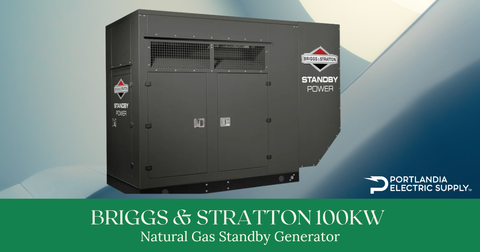
When your operation depends on uninterrupted power, the briggs and stratton 125kw standby generator stands as a high-capacity, reliable option for commercial, industrial, and large-residential backup.
As you read, you’ll see references to the briggs & stratton 080015 liquid cooled lpv 125kw standby generator, with official datasheets and installation manuals providing the authoritative basis for the model.
Official specifications and configurations
Key output ratings (kW/kVA) and efficiency data
The Briggs & Stratton 080016 is positioned as a high-capacity 125kW standby generator. In most published configurations, the unit provides a standby rating of 125 kW, which translates to approximately 156–157 kVA at a 0.8 power factor. This rating assumes standard 60 Hz operation and a normal ambient temperature operating environment. Efficiency and fuel consumption vary with load, fuel type, and ambient conditions, so the official datasheet should be consulted for exact values at different load points. For planning purposes, treat the 125 kW figure as the nominal standing rating and design the system to handle at least 80–100% of that load during peak backup scenarios.
Note: Always cross-check the latest Briggs & Stratton datasheet for model 080016 for current numbers and any regional variations. If you’re pairing with a solar+storage system or a multi-generator configuration, verify how the 080016’s efficiency curves interact with your site’s typical load profile to optimize fuel consumption and runtime.
Fuel options and engine configuration
The 080016 commonly supports natural gas and propane fuels, with Briggs & Stratton offering configurations that optimize combustion for each fuel type. In practice, natural gas typically yields longer continuous runtimes at lower fuel costs but may deliver slightly different peak torque characteristics compared with propane. A dual-fuel kit is often available as an option or retrofit through authorized distributors, enabling switching between natural gas and propane with minimal downtime during fuel source transitions. The engine is designed for reliable operation in commercial environments and is housed in a weather-protected enclosure with appropriate sound attenuation to meet site-specific noise requirements.
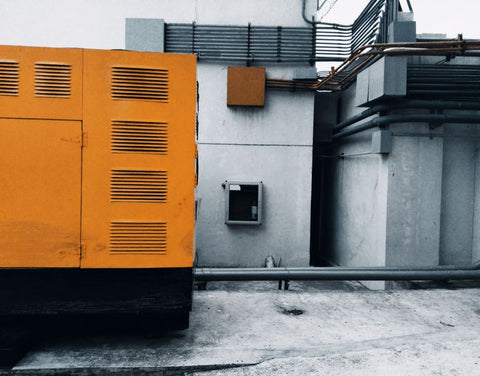
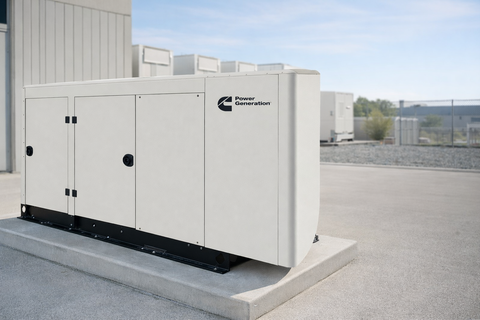
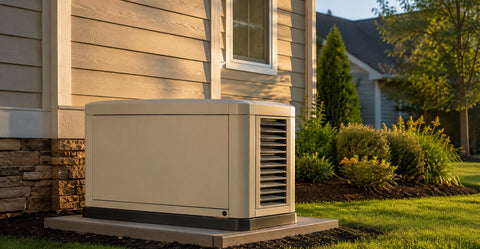
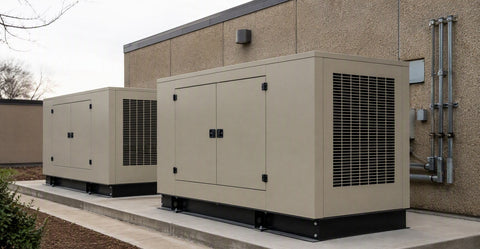
Enclosure type and sound attenuation are critical in urban or noise-restricted sites. Briggs & Stratton encases the 080016 in a corrosion-resistant, weatherproof shell designed to reduce external sound levels while maintaining cooling airflow. Pay attention to service clearances around the enclosure for maintenance access and adequate ventilation. These design choices impact both performance and longevity, especially in heat-stressed environments.
Dimensions, weight, enclosure rating, cooling, and service clearances
Precise dimensions and weight vary by configuration and fuel choice, but the 080016 is a large, permanently installed package that requires a level concrete pad and proper foundation detailing. The enclosure carries an IP-rated or equivalent weather protection level appropriate for outdoor installation, with integrated cooling airflow paths designed to maintain safe operating temperatures under full-load conditions. Cooling plants, intake/exhaust clearances, and exhaust ducting must comply with Briggs & Stratton installation guidelines. Typical service clearances around the unit should be observed to allow for routine maintenance, filter access, and inspection of fuel lines, electrical connections, and the control panel.
When you’re planning site placement, verify setback distances from structures, doors, and windows as required by local codes and Briggs & Stratton manuals. Also, factor in vibration isolation, wind loading, and potential exposure to chemical contaminants or corrosive environments, all of which can affect longevity and performance.
Installation considerations and site planning
ATS compatibility, transfer switch sizing, and load management
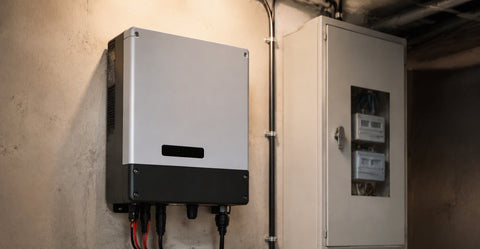
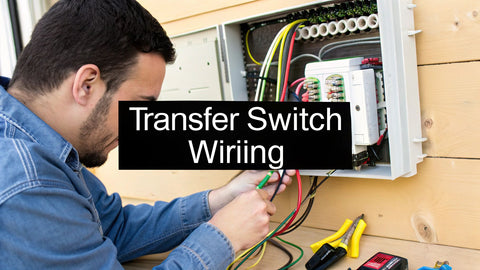
Automatic Transfer Switches (ATS) are the bridge between your building’s electrical system and the standby generator. For a 125kW unit, your ATS must accommodate a roster of typical standby loads, including critical systems (emergency lighting, elevators, life-safety equipment) and essential building services. A properly sized ATS ensures fast, smooth transfer with minimal power interruption. In many cases, a two-pole or three-pole ATS with sufficient amperage rating is required, along with appropriate short-circuit current ratings (SCCR) and fault-clearing provisions. Load management strategies—such as sequencing and prioritization—help maintain stability during transfer and prevent nuisance tripping or voltage sags on sensitive equipment.
Think about staged startup sequences (soft-start features) to reduce peak demand on the utility grid and the generator itself. If you’re integrating with solar, storage, or microgrid components, ensure the ATS and controls support coordinated islanding, backfeed restrictions, and appropriate anti-islanding protections where required.
Site selection essentials: pad, ventilation, weather protection, setbacks, permits
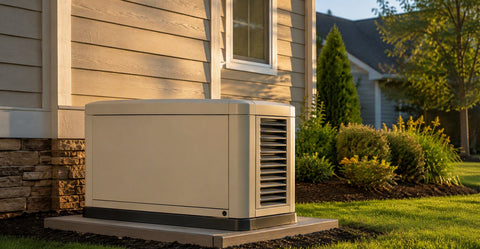
A level, well-drained concrete pad is the foundation of a long-lasting installation. Proper pad dimensions and anchor points prevent vibration transmission and ensure stability during operation. Adequate ventilation is required to maintain safe exhaust venting and prevent heat buildup around the enclosure. Weather protection, such as a weatherproof canopy or enclosure with rain clearance, extends component life and reduces maintenance needs.
Setbacks from buildings, openings, and exhaust paths must comply with local codes and manufacturer guidelines. Permitting typically involves electrical, mechanical, and sometimes fire department approvals, particularly for larger standby generators. Engaging a factory-authorized installer or a licensed electrical contractor helps ensure compliance with NFPA 110 (Standby Systems) and NFPA 37 (Standby Gasoline and Diesel Engine Systems) where applicable, along with NEC wiring practices.
Electrical and safety compliance: NEC, NFPA 70, NFPA 110, and local codes
NFPA 70 (National Electrical Code) basics include correct grounding, wiring methods, and overcurrent protection when connecting the 080016 to the building. NFPA 110 provides specific requirements for the operation and maintenance of standby power systems, including system performance and testing. Local codes may add requirements for permitting, inspection, and ongoing maintenance documentation. Keep a clear record of installation permits, inspection checklists, and the manufacturer’s compliance statements to ensure you’re ready for audits or warranty validation.
Fuel options, fuel system design, and efficiency
Overview of available fuel options and their impact on runtime and efficiency
The 080016 commonly supports natural gas and propane. Fuel choice influences running cost, availability, and continuous runtime. Natural gas typically provides a lower fuel cost per kWh and clean combustion, which can favor longer runtimes during extended outages. Propane offers a high-energy density and reliable supply in areas where natural gas pressure is variable or unavailable. Dual-fuel installations can provide flexibility, allowing operators to switch fuel sources to maximize uptime, particularly in regions with volatile fuel markets.
Fuel selection also interacts with emissions and regulatory requirements, so coordinate with the system designer to balance economics with environmental considerations and local permitting constraints.
Fuel supply pressure, line sizing, and filtration
Fuel system performance hinges on proper supply pressure, pressure drop across filters, and line sizing that minimizes turbulence and pressure loss. For natural gas, typical residential and commercial service pressures range from 0.5 to 2.0 inches of water column (w.c.) at the generator inlet, depending on install location and local utility characteristics. Propane systems require accurate cylinder or bulk tank pressure management and robust regulators to maintain consistent fuel flow at peak load. Filtration protects engines from particulates and moisture, preserving fuel quality and preventing premature wear.
Installations should incorporate clean, certified fuel lines with appropriate shutoff valves, leak-detection provisions, and regular inspection points for seals and connections. Consider fuel-line isolation valves to enable maintenance on the generator without interrupting building fuel service.
Dual-fuel configurations and guidance
Dual-fuel configurations offer resilience and flexibility but add complexity. When evaluating dual-fuel readiness, verify Briggs & Stratton support for automatic fuel cross-over, fuel quality checks, and monitoring of fuel composition. Plan for regular testing of the cross-over logic to ensure seamless transition during fuel source changes and to avoid start-up delays or fuel starvation. If you intend to deploy dual-fuel, coordinate with the installer to confirm that the control system can log fuel statistics, monitor regulator performance, and trigger alarms if fuel pressure or quality deviates from acceptable ranges.
Maintenance schedule, parts, and service best practices
Routine maintenance plan and intervals
A disciplined maintenance schedule is essential for a 125kW standby generator. Common maintenance tasks include oil changes, filter replacements, spark plug checks (where applicable), battery inspection and testing, coolant level verification, and enclosure cleanliness to prevent corrosion or overheating. For many Briggs & Stratton designs, oil and filter changes occur at defined hour marks (e.g., every 100–300 hours of operation, or annually for low-usage sites), with more frequent service in hot climates or heavy-load conditions. Periodic testing—such as a full-load or partial-load exercise—helps verify system readiness and catch issues before an outage.
Battery health is critical for reliable starting. Check battery voltage, terminal integrity, and electrolyte levels (if using vented lead-acid). Keep a spare set of consumables on hand and maintain a service log documenting dates, parts replaced, and any anomalies observed during maintenance.
Common failure modes and proactive service
Common failure modes for large standby engines include fuel quality issues, air or fuel filters clogged by particulates, battery degradation, and cooling system limitations under sustained high load. Proactive measures, such as timely filter changes, fuel conditioning when using natural gas with long storage periods, and regular coolant testing, can minimize downtime. Seasonal checks—particularly before peak load seasons—are valuable for ensuring reliability in extreme temperature ranges or frequent cycling.
Implement a preventive maintenance plan that includes a documented inspection of exhaust systems, vibration mounts, and wiring harnesses. Regular testing of the transfer switch and control panel alerts ensures early detection of fault conditions and reduces the likelihood of unexpected outages.
Authorized service providers and warranties
For best results, work with Briggs & Stratton-authorized service technicians who have access to factory service bulletins, updated parts, and software for the 080016. Confirm warranty terms, including coverage length, included components, and what actions may void coverage (for example, non-certified fuel components or improper installation). Your warranty strategy should also address extended coverage or maintenance agreements that align with your operational uptime targets and service-level expectations.
Monitoring, controls, and remote capabilities
Built-in controls and remote monitoring options
Modern Briggs & Stratton standby systems offer a suite of control options designed to simplify operation and enable proactive maintenance. Built-in control panels provide status indicators, run-time data, fault codes, and basic management of transfer functions. Remote monitoring capabilities, often via a cloud-based dashboard or mobile app, enable real-time diagnostics, event histories, fuel level monitoring (for dual-fuel configurations), and alert notifications to maintenance staff or dispatch teams. Secure connectivity is essential; ensure the system supports encrypted communication and routine firmware updates from the manufacturer or authorized integrators.
Real-time diagnostics, firmware updates, and security
Real-time diagnostics reduce downtime by alerting you to issues before they escalate. Firmware update paths should be clearly documented, with recommended maintenance windows to apply updates without interrupting critical loads. Because standby systems can be targets for cyber threats when connected to networks, implement appropriate network segmentation, strong authentication for remote access, and regular review of access logs and security settings.
Integration with BMS and alarm configurations
Integrating standby diagnostics with building management systems (BMS) enhances visibility and control. Use standardized communication protocols and alarm configurations to route alerts for maintenance windows, fuel anomalies, or transfer events. If your facility relies on integrated solar, storage, or microgrid components, design the monitoring architecture to reflect interdependencies between generation sources, storage, and load shifting capabilities.
Troubleshooting: common issues and diagnostic paths

Common no-start, stall, or power-loss scenarios
Typical no-start scenarios begin with fuel supply verification (gas pressure or propane supply), battery health, and control panel status. A stalled engine or power loss during runtime often points to fuel delivery issues, a faulty sensor or control circuit, or transfer switch misoperation. Start with a structured check: verify battery voltage, inspect fuel supply lines and shutoff valves, examine air intakes and exhaust ducts, confirm the control panel is displaying proper fault codes, and test the ATS response to a simulated outage.
Reading fault codes and interpreting LEDs
Most Briggs & Stratton control panels use LED indicators and fault codes to guide service actions. Documented fault codes help technicians quickly identify needs such as low oil pressure, over-temperature, or fuel supply irregularities. Maintain a quick-reference chart inside the generator enclosure and ensure technicians document any code resets or recurring faults to inform maintenance planning and warranty considerations.
Preventive steps to reduce nuisance faults
Seasonal checks (before winter and summer transitions) can prevent nuisance faults caused by temperature extremes, humidity, or fuel stabilization issues. Regularly verify fuel quality, confirm gas pressure at the inlet, test float-free fuel filters (where applicable), and inspect battery cables for corrosion. A consistent maintenance cadence lowers the probability of unexpected outages and extends the life of critical components.
Regulatory notes, emissions, and compliance landscape
EPA and local emissions considerations
Emissions standards for standby generators in the 125kW range are governed by EPA rules and, where applicable, by state or provincial environmental agencies. Emissions class and fuel-combustion controls may affect permitting, site selection, and ongoing inspections. Always verify that the installed configuration adheres to current EPA emission standards and any local amendments that may apply to large-engine standby equipment. Discuss potential requirements for stacked emissions testing, fuel quality reporting, and periodic compliance reporting with your local authority and the installer.
NFPA 37/NFPA 110 alignment and amendments
NFPA 110 provides critical guidance on installation, operation, testing, and maintenance of standby systems. NFPA 37 covers the use of stationary engines and associated fuel systems. Align your project with the latest editions of these codes, including any recent amendments that affect inspection schedules, commissioning procedures, and annual testing requirements. Keeping thorough documentation—permitting, inspection checklists, and manufacturer compliance statements—helps ensure ongoing compliance and smooth warranty processes.
Documentation and compliance statements readers should obtain
Maintain a robust library of documentation for the 080016: current permits, inspection checklists, manufacturer data sheets, installation manuals, and warranty terms. Collect any relevant field service bulletins and safety notices issued by Briggs & Stratton. Keeping these documents organized supports audits, simplifies future upgrades, and provides a reliable reference during troubleshooting or service planning.
Compatibility with transfer switches and system integration
ATS compatibility, load management, and sequential starting
When integrating the 080016 with an ATS, verify voltage, frequency, and phase compatibility with your building electrical system. Load management strategies—such as sequential starting of large blocks of loads or staggered engine start sequences—help reduce peak demand and minimize inrush stresses on the generator and the electrical network. If the system will support solar or storage interconnections, ensure the control strategy leverages the ATS to coordinate automatic transfer with minimal disturbance to critical loads.
Soft-start features and peak demand considerations
Soft-start capabilities in the transfer and control logic help limit mechanical and electrical stress on startup, which is particularly important for large-kW generators. Consider how soft-start interacts with your facility’s motors, compressors, or pumps, and plan for proper restart sequencing to prevent voltage sags and nuisance tripping in sensitive equipment.
Planning tips for solar, storage, and microgrid integration
For commercial and industrial sites pursuing turnkey solar solutions, design the system to enable islanding, controlled shut-down procedures, and safe backfeed management. Ensure that the 080016 can be coordinated with inverters, storage systems, and any microgrid controls through a unified control strategy. A well-integrated solution reduces downtime risk during outages and maximizes the value of your distributed energy resources.
Current trends in standby generator technology (2024–2026)
Quiet operation and enclosure acoustics
Advances in enclosure design and acoustic engineering have driven quieter operation for large-kW standby gensets. Contemporary enclosures emphasize lower sound pressure levels through layered insulation, optimized ducting, and strategic placement of intake and exhaust paths. For sites with noise restrictions or community concerns, these improvements can be the difference between a passable or prohibited installation.
Remote monitoring, smartphone integration, and cloud diagnostics
The ongoing shift toward connected standby power means many models, including the 080016 family, offer cloud-enabled monitoring, real-time alerts, and diagnostics accessible via apps. This enables proactive maintenance, faster fault resolution, and better visibility for fleet management. Ensure secure login, data integrity, and routine firmware updates to maximize the value of remote capabilities.
Dual-fuel options, fuel stability, and emissions controls
Dual-fuel configurations continue to grow in popularity for resilience and fuel flexibility. Alongside this, manufacturers are implementing more robust fuel stabilization approaches and improved emissions controls to address regulatory expectations and environmental impact. When evaluating upgrades or retrofits, confirm compatibility with your existing controls and the feasibility of future emissions-compliant configurations for your jurisdiction.
Getting the most from your 080016: procurement, installation, and warranties
Buyer checklist: model variant, load requirements, and fuel type
Before purchase, confirm the exact variant of the 080016, the intended standby load profile, and the preferred fuel type. Document anticipated peak loads, critical loads, and any load prioritization strategies you plan to implement. This information informs not only purchase decisions but also the correct ATS sizing and transfer strategy. This upfront planning helps ensure the installed system matches your real-world needs and minimizes unnecessary upgrades later.
Professional installation and the value of factory-authorized installers
Engaging a factory-authorized installer improves project outcomes by ensuring adherence to Briggs & Stratton installation guidelines, correct fuel system integration, and compliance with warranty terms. Authorized installers bring experience with site planning, permit acquisition, and commissioning procedures, which reduces the risk of downtime during the initial startup and post-install service windows.
Official documents: datasheet, installation manual, warranty terms, and service bulletins
Keep a ready supply of the official documents for model 080016, including the latest datasheet, installation manual, warranty terms, and any service bulletins or updates issued by Briggs & Stratton. These documents underpin safe operation, routine maintenance, and warranty compliance, and they provide the technical basis for any future hardware or firmware updates you may undertake.
Resources, references, and next steps
Direct references to Briggs & Stratton official product pages, datasheet, and installation guides
For the most authoritative information, consult Briggs & Stratton’s official product pages and the 080016 datasheet and installation guides. These documents are the primary source for exact ratings, wiring diagrams, fuel specifications, and service procedures. Your dealer or distributor can provide the latest revision sets and answer model-specific questions not covered in generic guides.
Recommended third-party references
NFPA standards (NFPA 70, NFPA 110, NFPA 37) and NEC electrician guides remain essential references for standby generator installations. Local authorities having jurisdiction (AHJs) often require compliance documentation, inspections, and permits aligned with these standards. In addition, regulator guidance on emissions and air quality should be consulted as needed for your region.
Suggested media to accompany the guide
Consider pairing this guide with a practical field video demonstrating a typical 080016 installation, a maintenance tutorial highlighting routine service steps, and a photo gallery showing best-practice placement, wiring, and commissioning procedures. These media assets can help technicians and owners visualize the installation and maintenance process, improving comprehension and execution on real sites.
Expert perspective: In practice, a well-planned 125kW standby system relies as much on site planning and maintenance discipline as on the raw spec sheet. A robust monitoring setup, coordinated transfer strategies, and routine preventive maintenance are what separate a dependable system from a reactive one—especially in commercial environments where uptime isn’t optional.
Power your next project with confidence by visiting Portlandia Electric Supply, a nationwide electrical supply distributor and installer partner offering premium Tier 1 solar panels, standby generators, and related electrical equipment. They provide turnkey solar solutions, live support, and fast nationwide delivery from 12+ distribution hubs, serving contractors, installers, and homeowners with 3,800+ in-stock SKUs and a network of 8,500+ solution providers. Click now to unlock faster sourcing, expert guidance, and reliable nationwide delivery—learn more today and power up your success.