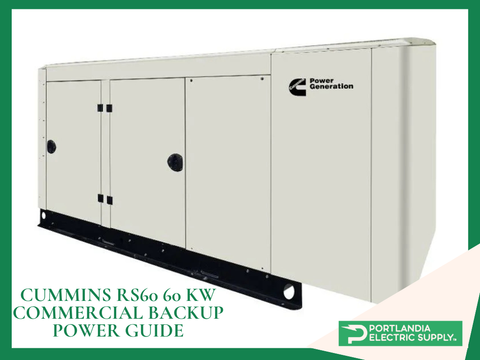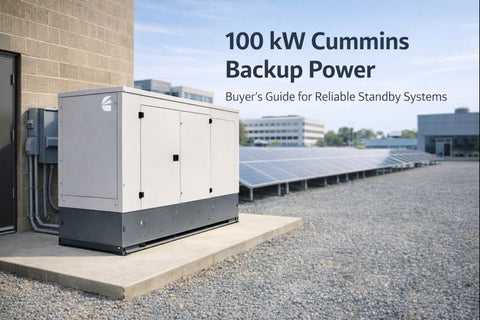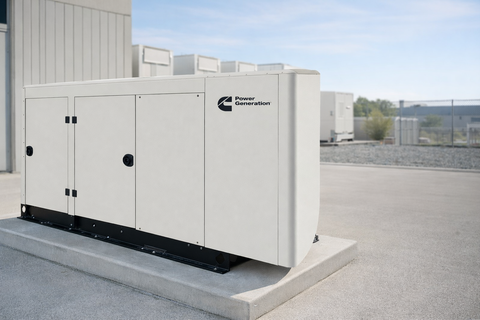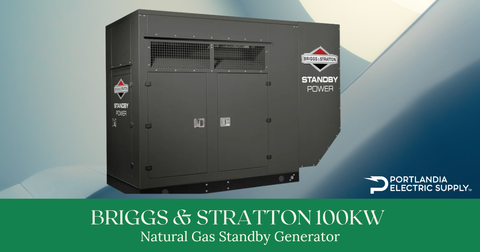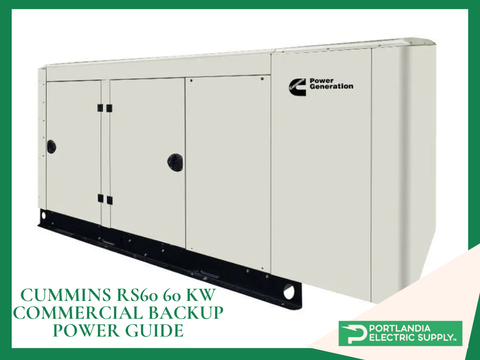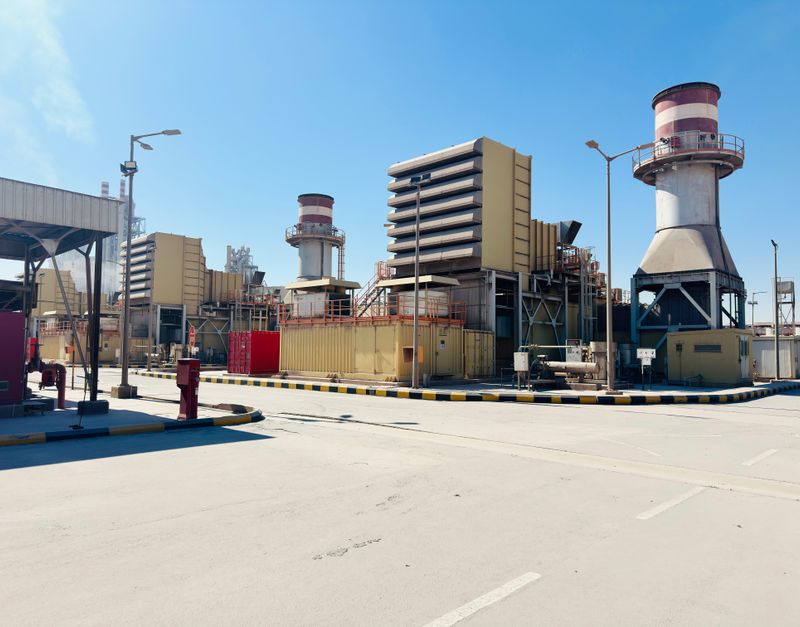
This buyer's guide distills the latest Cummins options for 50 kW units, including the cummins c50d6, clarifies the duty ratings you’ll encounter (standby vs prime), and maps how emissions compliance, controls, enclosure choices, and service networks affect installation and ongoing support.
Understanding 50 kW ratings: standby vs prime, loads, and runtimes
Familiarity with standby (emergency) and prime (continuous) duty is the foundation for selecting a 50 kW Cummins. Standby generators are sized to cover momentary outages, with the expectation that a transfer switch will rapidly bring the unit online during a power interruption. Prime units are designed for ongoing operation with no fixed outage, typically offering a defined level of operating freedom that allows for N+1 redundancy and utility‑free operation. The distinction matters because it drives licensing, fuel planning, maintenance cadence, and warranty scope. You’ll want a unit whose rated continuous output accounts for headroom above your typical load—usually 10–20% for reliability and to accommodate unforeseen spikes. To size properly, you must distinguish between kW (real power) and kVA (apparent power) while noting the power factor (PF) of your load. Most commercial loads operate near PF 0.8, so a 50 kW generator comfortably covers around 62.5 kVA at PF 0.8. However, altitude can derate rated outputs, and harmonics from motor loads or VFDs can affect available capacity. A practical approach is to map 50 kW to the actual facility load profile, then verify that the generator’s nameplate rating remains adequate with a healthy margin for startup surges and future growth. Runtimes depend on load factor and fuel capacity. At typical standby duty with brief simulated loads, a 50 kW unit can provide reliable power for the duration of the outage, while prime duty supports longer runtimes with careful fuel planning and maintenance alignment. In practice, designers estimate runtimes in hours at 25–50% and 75–100% loads to inform fuel storage, delivery logistics, and maintenance windows. Expect longer runtimes at modest loads, with fuel economy improving as load approaches a mid‑range point rather than at peak or idle conditions. Comparison criteria: - Rated duty (standby vs prime) - Load factor suitability - kW/kVA accuracy and altitude derating - Fuel efficiency at representative loads - Maintainability and parts availability - Warranty coverage
Latest 50 kW Cummins options: model families, capabilities, and intended use
Cummins maintains a robust lineup around the 50 kW segment, with options tailored for standby and prime service, emissions compliance, and integration readiness. The core families typically emphasize configurable control systems, flexible enclosure options, and compatibility with transfer switches and remote diagnostics. The most relevant considerations for a 50 kW spec are emissions compliance (Tier 4 Final in North America or Stage V in Europe where applicable), control architecture (PowerCommand and related interfaces), and enclosure availability (open‑skirt, sound‑attenuated, weatherproof) to suit outdoor installation, noise constraints, and vandal resistance. A practical path is to focus on three elements: (1) the model family that aligns with your power profile and local code requirements; (2) the control platform that offers remote monitoring and diagnostics; and (3) enclosure and integration readiness for ATS, BMS, and parallel operation if required. Modern Cummins 50 kW options often feature PowerCommand or similar controls, which provide clear fault annunciations, configurable alarms, and interface with remote monitoring portals. Enclosures range from open configurations for ventilation‑driven cooling to sound‑attenuated and weatherproof housings that comply with local noise ordinances and outdoor exposure. Plan for integration with your transfer switch and electrical distribution, and consider how the genset’s instrumentation communicates with your building management system or remote diagnostics provider. Portlandia Electric Supply supports a nationwide network of authorized dealers and service partners to ensure you have access to the right model family, commissioning support, and post‑sale service. For selection, consider these practical perspectives: (a) emissions compliance and aftertreatment complexity, (b) control system capabilities including remote monitoring and alarms, (c) enclosure options and sound levels for your site, (d) ATS compatibility and ease of electrical integration, (e) warranty terms and the dealer support network, and (f) initial cost versus lifecycle value. Comparison criteria: - Emissions compliance (Tier 4 Final / Stage V) - Control system features (remote monitoring, alarms) - Enclosure type and sound level options - ATS compatibility and electrical integration - Warranty terms and dealer support network - Initial cost vs lifecycle value
Emissions compliance: EPA Tier 4 Final and EU Stage V in the 50 kW class
Emissions compliance is a central consideration for any 50 kW diesel generator. In North America, EPA Tier 4 Final rules apply to many 50 kW class engines, mandating advanced aftertreatment and robust diagnostics. In Europe, Stage V applies to new installations in many markets, driving tighter limits on particulates, NOx, and other emissions. Compliance typically introduces aftertreatment options such as DOC/DPF and potentially SCR, depending on the exact engine family and model. These systems influence maintenance cadence, DEF usage, and intervals for service interventions. Modern Cummins designs aim to balance easier serviceability with reliable emissions control, leveraging modular aftertreatment packages designed for field service by authorized technicians. DEF (Diesel Exhaust Fluid) usage is a practical consideration for operators. Availability, storage, and dosing accuracy affect both emissions performance and long‑term maintenance planning. Authorized Cummins dealers provide region‑specific offerings and support to ensure that aftertreatment service aligns with your local maintenance capabilities. It’s important to verify that the unit you select is certified for your jurisdiction and that your service network has the expertise to manage the emissions system across scheduled maintenance windows. Compliance has tangible implications for total cost of ownership. While advanced aftertreatment can modestly increase initial cost and service complexity, it generally yields better fuel efficiency and longer useful life by enabling tighter burn control and reduced emissions penalties. You’ll want a clear service plan that covers DEF refills, DOC/DPF inspections, and catalysts replacement intervals as part of the warranty and maintenance cadence. Comparison criteria: - Regulatory compliance (EPA Tier 4 Final, EU Stage V) - Aftertreatment complexity and maintenance impact - DEF usage and availability - Emissions‑related warranty considerations - Service network proficiency for emissions systems - Overall impact on fuel efficiency
Fuel, efficiency, and runtimes: diesel considerations for 50 kW units
Diesel fuel quality, storage, and filtration are foundational to reliability at the 50 kW scale. Diesel engines in this class respond quickly to load changes, but fuel cleanliness is essential for engine life, injector longevity, and emissions system integrity. Biodiesel compatibility is a practical consideration; many Cummins configurations tolerate biodiesel blends to a specified limit (for example B5 to B20 in some models). Always confirm the exact blend tolerance for the specific engine family and aftertreatment package you choose, as this can influence fuel handling logistics and warranty coverage. Fuel economy is a critical component of life‑cycle cost. You’ll typically see resistance to high fuel consumption at peak loads, with better efficiency observed at mid‑range loads. Monitoring and optimizing fuel burn through proper load management, maintenance, and clean fuel delivery contribute to longer runtimes between fill events and lower operating costs. Fuel tank size matters for standby operation during outages and for prime duty where continuous operation is planned. When planning for outages, factor in refueling logistics and the lead time required to secure bulk diesel or on‑site storage compliance. To maximize runtime between service intervals, keep fuel filters clean, use high-quality diesel, and implement a routine for fuel polishing or stabilization if your site experiences storage time. Biodiesel blends should be used in accordance with the manufacturer’s guidance to avoid potential gumming of fuel passages or accelerated bio‑film growth in tanks. Comparison criteria: - Fuel type compatibility and biodiesel tolerance - Fuel consumption at 50, 75, and 100% loads (ranges) - Tank size and refuel logistics - Cold‑start performance in low temperatures - Fuel filtration and maintenance intervals - Availability of replacement filters and fuel system parts
Enclosures, cooling, and installation space: noise, climate, and site prep
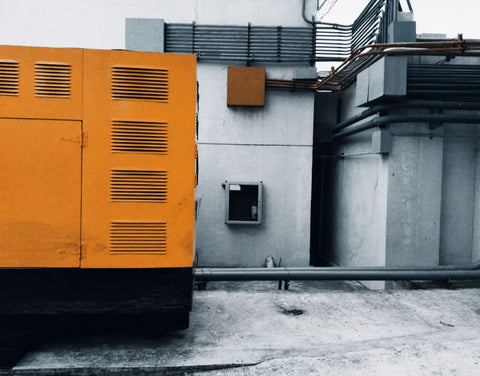
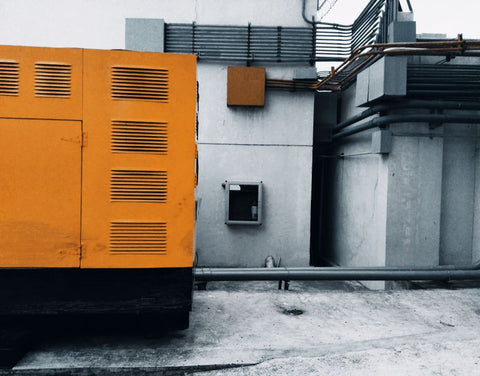
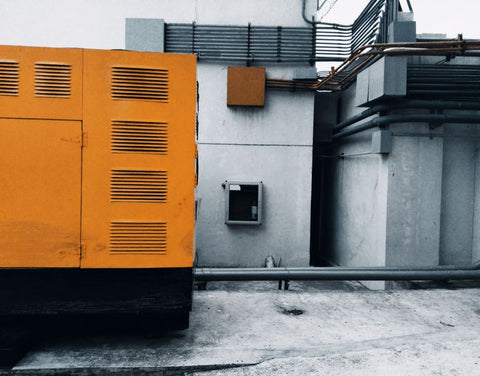
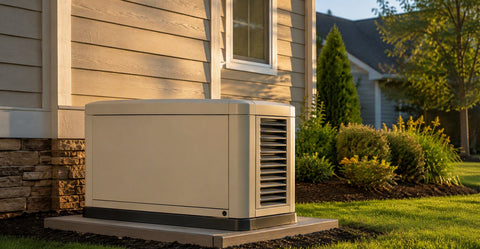
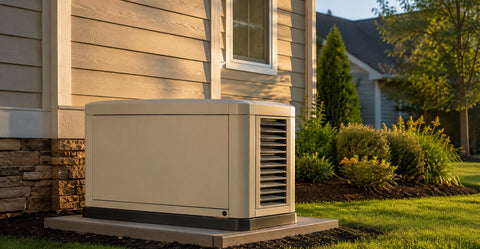
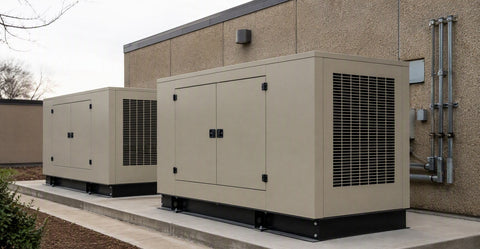
Choosing the right enclosure is about balancing noise, heat rejection, security, and installation footprint. Open‑skirt configurations maximize cooling efficiency and are common where ambient temperatures are moderate and wind exposure is controlled. Sound‑attenuated enclosures reduce noise output, which is often a site constraint for urban or residential adjacent installations. Weatherproof housings extend the same protection to outdoor locations, helping to defend against rain, dust, and temperature extremes. In all cases, you must design adequate clearance around the unit for service access, intake and exhaust, and safe routing of exhaust ducts and fuel lines. Cooling strategy is closely tied to enclosure choice. Generators produce heat that must be dissipated effectively to prevent derating or thermal shutdowns. The selected enclosure should support adequate ventilation, with clean air intake and a healthy separation between hot exhaust and air intake to avoid recirculation of hot gases. Site prep includes ensuring proper ventilation, drainage, fire safety clearances, and adherence to local codes. Permitting processes can vary by jurisdiction, so coordinate with your local authority having jurisdiction (AHJ) early in the planning process. Portlandia Electric Supply can assist with site surveys and coordinating with licensed installers to ensure space, ventilation, and code compliance are achieved without delaying delivery and commissioning. Comparison criteria: - Sound level at a standard distance - Enclosure resilience and climate ratings - Cooling approach and heat rejection - Required space and layout efficiency - Code compliance and permitting ease - Reliability in extreme temperatures
Controls, remote monitoring, and IoT diagnostics
Modern Cummins control platforms, such as PowerCommand, deliver intuitive dashboards, actionable alarms, and clear fault annunciations. Remote monitoring enables proactive maintenance, faster fault resolution, and the potential for IoT‑enabled diagnostics that feed into a Building Management System or a standalone monitoring portal. For some operators, cloud‑based dashboards provide real‑time visibility into running hours, fuel levels, battery status, and maintenance windows, reducing on‑site visits and enabling smarter scheduling. IoT diagnostics also support preventive maintenance by highlighting trending indicators (oil temperature, fuel pressure, exhaust aftertreatment status) that precede failures. Integrations with BMS and third‑party analytics software can improve operational transparency and compliance reporting. When evaluating control and monitoring options, confirm data granularity, alert channels (SMS, email, or push notifications), firmware update cadence, and warranty implications for IoT features. In practice, a well‑implemented monitoring strategy reduces downtime, improves response times to faults, and supports faster commissioning. It also provides evidence of value for customers who ask for transparent performance data and ongoing technical support from an authorized Cummins dealer network. Comparison criteria: - Remote monitoring capabilities and data granularity - Alarm notification channels - BMS integration and third‑party software compatibility - On‑site vs cloud‑based diagnostics - Firmware update cadence and support - Warranty implications for IoT features
Transfer switches, electrical integration, and service network
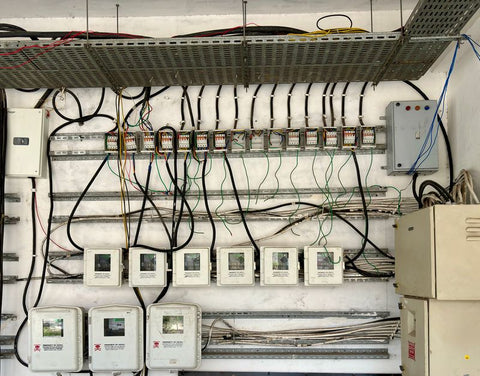
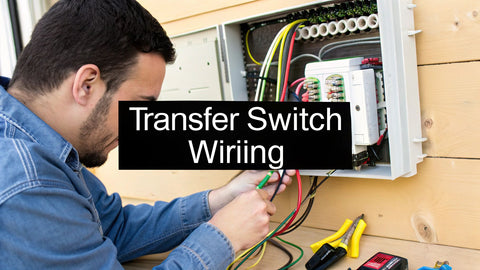
Seamless electrical integration is essential for reliable standby or prime power. The genset should pair cleanly with transfer switches (ATS) and appropriate distribution panels, with clear wiring diagrams, sequencing, and protections. Authorized Cummins dealers bring the parts, service expertise, and technician training needed to support commissioning, warranty coverage, and ongoing maintenance across multiple regions. If you operate in a distributed or multi‑site environment, assess the capability for parallel operation and synchronization, as well as the ease of load transfer during switching events. Service network coverage matters as much as the initial purchase. A robust network means shorter parts lead times, faster on‑site service, and more predictable maintenance windows. When evaluating options, consider the dealer’s geographic footprint, response times, and the availability of extended warranties or service plans that align with your site’s uptime requirements. Portlandia Electric Supply works with a nationwide dealer network to support transfer switch compatibility, system commissioning, and long‑term service. Important considerations include ATS ratings, documentation quality, and the ability to support parallel operation if your facility requires higher reliability or increased capacity. Ensure wiring enclosures and panels provide easy access for technicians, with clear labeling and scalable layouts for future expansion. Comparison criteria: - ATS compatibility and ratings - Ease of commissioning and documentation - Availability of authorized service technicians - Support for parallel operation and synchronization - Wiring enclosure and panel access - Turnaround time for parts and service
Maintenance, warranties, and total cost of ownership
A 50 kW genset is most cost‑effective when maintenance is predictable, parts are readily available, and warranties cover critical components for sensible durations. Typical maintenance cadences include periodic oil and filter changes, coolant checks, air filter inspection, and battery tests. Warranties vary by model and region, but most Cummins offerings include base coverage with optional extended terms for major components, supported through a national service network. A robust warranty and a transparent maintenance plan help protect against unexpected downtime and provide predictable budgeting for fuel, parts, and labor. Calculating total cost of ownership (TCO) goes beyond the sticker price. TCO accounts for purchase cost, installation, fuel consumption, routine maintenance, insurance, taxes, and potential incentives or rebates. In many markets, tax incentives or accelerated depreciation can meaningfully reduce the first‑year cost of a 50 kW generator and associated transfer switch and enclosure. Consider also rental or financing options if project cash flow or rapid deployment is a concern. Portlandia Electric Supply can help you model TCO based on your load profile, local fuel pricing, and service plan requirements. When evaluating quotes, compare not just the price but the value delivered by warranties, service coverage, lead times, and the dealer’s ability to support installation from start to finish. A well‑structured service contract often translates into faster response times, reduced downtime, and higher system uptime overall. Comparison criteria: - Warranty duration and coverage extent - Maintenance intervals and parts availability - Genuine parts cost and lead times - Service network reach and response times - Estimated annual fuel and maintenance costs - Financing, rental, or lease options
Planning your installation: site, space, and code compliance
Successful installation starts with a thorough site assessment. Space planning must consider unit dimensions, clearance for service access, ventilation, fuel storage, drainage, and weather exposure. Local codes—such as NFPA 37 for installation, NFPA 70 for electrical safety, and local amendments—govern permitting, fire safety clearances, and electrical separation. A well‑conceived site plan minimizes rework and accelerates commissioning. It also helps ensure compliance with environmental and zoning requirements that govern noise limits, odor, and fuel storage near occupied spaces. Coordination among mechanical, electrical, and civil teams is essential. You’ll want documented layouts showing generator location, transfer switch routing, fuel line routing, exhaust routing, and electrical interconnection diagrams. Leveraging a turnkey approach from a single supplier who can provide a complete package—engineered for your site and backed by a nationwide service network—helps avoid gaps in responsibility and reduces installation risk. From a compliance perspective, prepare permit applications with accurate load data, a clear ventilation plan, and a description of the transfer switch and Automatic Start/Stop logic. Portlandia Electric Supply supports site assessment services and works with authorized installers to streamline permitting, scheduling, and commissioning, so you can meet project timelines without sacrificing safety or compliance. Comparison criteria: - Site readiness and space adequacy - Ventilation and cooling adequacy - Code compliance and permitting process - Coordination with mechanical/electrical contractors - Installation lead time - Post‑installation testing and commissioning support
Decision workflow: how to pick the right 50 kW Cummins gen‑set
Choosing the right 50 kW Cummins involves a structured decision workflow. Start with a load assessment that captures current demand, diversity, peak requirements, and growth projections. Then align those findings with the intended duty (standby vs prime), local emissions requirements, and the site constraints identified during planning. Create a short‑list of models and configurations that satisfy the core criteria: compliance, control features, enclosure, ATS compatibility, and warranty coverage. Gather quotes from authorized Cummins dealers who can certify the model’s regional availability, installation lead times, and service commitments. A practical workflow includes a risk/benefit analysis of each option, a total cost of ownership projection, and a final checklist that compares quotes on a like‑for‑like basis. Questions to consider in your comparison: how quickly can the system be delivered and commissioned, what is the dealer’s service response time, and how will maintenance be scheduled around fuel deliveries and site access? A transparent evaluation helps you avoid overbuying or under‑serving your facility’s true load profile. For value, consider both the short‑term deployment needs and long‑term reliability. The right 50 kW Cummins option should deliver predictable performance, clear alarms and remote monitoring, and accessible service through a nationwide network. Portlandia Electric Supply can support you through the full workflow—from site survey to final commissioning and extended warranty discussions. Comparison criteria: - Total cost of ownership projections - Emissions compliance alignment - Control and monitoring capabilities - Warranty and service coverage - Delivery, lead times, and dealer responsiveness - Installation complexity and site readiness
Where to buy, dealer network, and next steps
Purchasing a 50 kW Cummins generator via an authorized Cummins dealer ensures access to genuine parts, trained technicians, and consistent warranty support across regions. Look for dealers with a strong service footprint, a transparent quoting process, and the ability to provide a turnkey package that includes transfer switches, enclosures, and commissioning services. An on‑site assessment helps validate the site conditions, while a formal quote should spell out equipment, configuration, delivery timelines, installation requirements, and post‑sale support options. Next steps typically include a detailed site survey, a formal quotation, permitting guidance, and a scheduled installation window. Financing or rental options can be explored if you need flexibility for project pacing or cash flow management. At Portlandia Electric Supply, we coordinate nationwide delivery from 12+ distribution hubs and connect you with a network of 8,500+ solution providers to ensure you can source all components and services in a single, trusted workflow. By choosing an authorized Cummins dealer and a national supplier with strong field support, you reduce risk and improve uptime assurance for your power solution. What to expect from the purchasing process: a formal assessment, a comprehensive quote, a defined delivery and installation plan, and a service and warranty package that matches your uptime requirements. If you are evaluating rental options for temporary power or project-based deployments, several dealers offer flexible terms that can be aligned with your project schedule and cash flow. Comparison criteria: - Dealer accreditation and service footprint - Availability of extended warranties and service plans - Lead times and installation support - Financing or rental options - After‑sales support and remote diagnostics - Customer reviews and performance transparency
Frequently asked questions and quick tips
Standby vs prime: In practice, choose standby for outage protection with a robust transfer switch and a finite outage duration, and choose prime when continuous operation is essential and you can commit to fuel and maintenance plans. Noise levels and enclosure options can be tuned to site constraints, with sound‑attenuated enclosures often essential for residential adjacencies or sensitive environments. Maintenance cadences typically involve periodic oil and filter changes, coolant checks, and battery tests; many operators align these tasks with a planned outage window to minimize downtime. Always verify local permitting and code requirements before purchase, and lean on authorized dealers for accurate, region‑specific guidance. If you need a fast path to a turnkey solution with fast nationwide delivery, Portlandia Electric Supply can coordinate the procurement, logistics, and commissioning through our multi‑hub network and partner ecosystem. Our goal is to help you source the right 50 kW Cummins generator, ensure compliant installation, and provide ongoing support to maximize uptime and value for your project.
"A well‑specified 50 kW genset is not just about horsepower; it’s about matching the right control system, enclosure, and service plan to your site. The real value shows up in uptime, predictable maintenance, and total cost of ownership over the life of the system." — Emily Chen, Electrical Project Engineer, Portlandia Electric Supply
"For many mid‑size facilities, a Tier 4 Final Cummins with remote monitoring reduces on‑site visits while improving fault resolution speed. The key is choosing a dealer network with strong regional coverage and certified technicians." — James Rodriguez, Senior Field Service Manager, Cummins Authorized Dealer Network
Power your next project with confidence by visiting Portlandia Electric Supply, a nationwide electrical supply distributor and installer partner offering premium Tier 1 solar panels, standby generators, and related electrical equipment. They provide turnkey solar solutions, live support, and fast nationwide delivery from 12+ distribution hubs, serving contractors, installers, and homeowners with 3,800+ in-stock SKUs and a network of 8,500+ solution providers. Click now to unlock faster sourcing, expert guidance, and reliable nationwide delivery—learn more today and power up your success.