Introduction to Canadian Solar bifacial panels in 2026
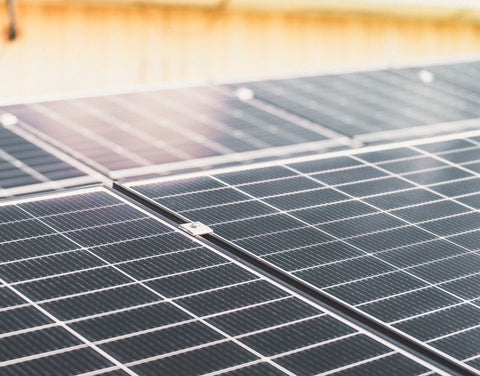
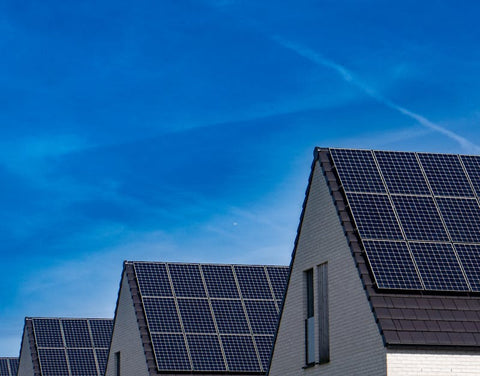
By harvesting light from both the front and rear surfaces, bifacial modules can boost energy yield without adding extra land area or hardware in many deployments, such as canadian solar 600w (pallet of 27) topbihiku6 n-type bifacial topcon solar panel cs6.2-66tb-600 b grade.
Portlandia Electric Supply, as a nationwide distributor and installer partner, helps contractors and homeowners access these modules with turnkey solar solutions, rapid nationwide delivery from 12+ distribution hubs, and a vast inventory of in-stock SKUs, including the 700 w+ solar panels — utility scale bifacial.
This guide is written for electrical contractors, solar installers, homeowners evaluating residential setups, commercial/industrial clients seeking reliable electrical equipment, and distribution partners looking for a national supplier with strong service networks. You’ll find practical insights on performance drivers, lifecycle costs, safety, and regionally relevant considerations designed to help you design, quote, and deploy bifacial systems with confidence.
What bifacial panels are and how they work
Front and rear energy capture explained
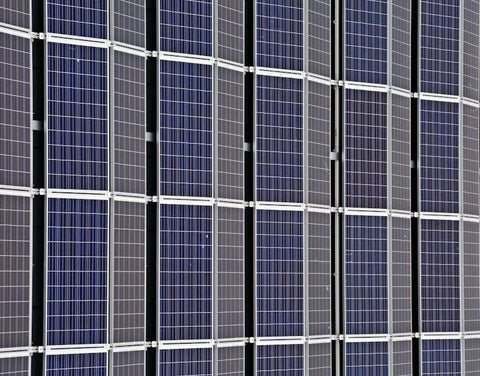
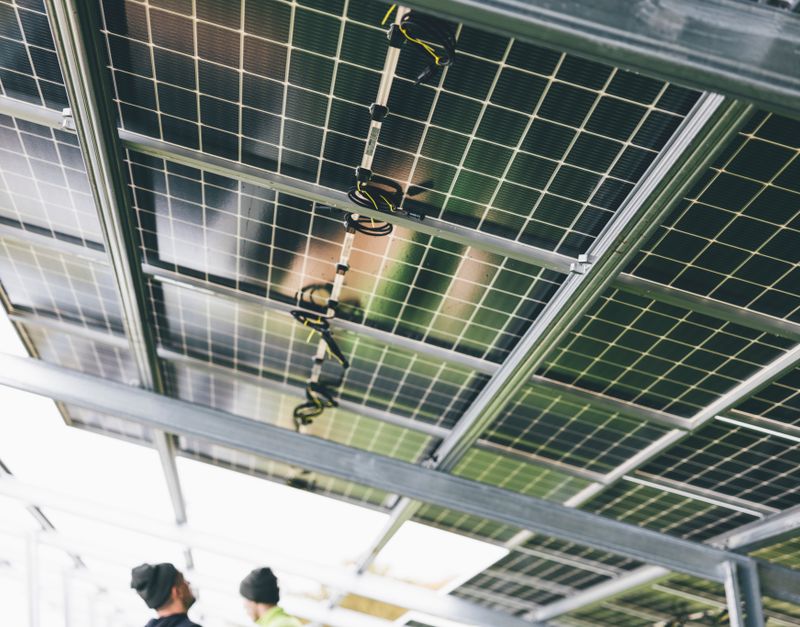
Bifacial modules capture energy from both the front and rear surfaces. The front surface primarily absorbs direct sunlight, while the rear surface collects light reflected off the ground, nearby surfaces, and the sky. The net effect is a boost to total energy production, often expressed as a bifacial gain relative to a comparable monofacial module. Real-world gains vary with site conditions, but well-designed bifacial systems consistently outperform their monofacial counterparts on comparable rooftops or ground-mounted configurations.
Key factors shaping rear-side output include the albedo of the ground surface (how much light it reflects), the tilt and mounting geometry, and the surrounding environment (snow cover, light-colored paving, or sandy soils). In coating-free or glass-glass designs, the rear-side flow of current can differ due to frame, backsheet, and glass properties. In practice, a higher albedo and optimized spacing between rows typically yield larger rear contributions, especially when the installation geometry preserves a clear line of sight to the rear surface.
Expert note: An industry analyst notes, “Bifacial gains are not a guaranteed extra percentage—gain depends on how you design, site, and maintain the system. The most reliable results come from aligning albedo, tilt, and spacing with the specific site.”
Packaging variants and design implications
Canadian Solar offers bifacial designs in several packaging variants, including glass-glass and glass-foil configurations. Glass-glass modules tend to deliver higher mechanical strength and better field durability, while glass-foil variants can offer advantages in weight and thermal characteristics. Each packaging type influences weight, wind load, softening under snow loads, and the heat dissipation profile, which in turn can impact efficiency and degradation behavior over time. When selecting a packaging variant, consider building codes, roof load limits, and the preferred ballast or mounting approach for your project.
For installers, this means choosing the right module type for the project’s mounting method—rooftop, carport, or ground-mounted arrays—while accounting for installed height, shade patterns, and maintenance access. Canadian Solar datasheets provide model-by-model guidance on maximum system voltage, backsheet color, and available form factors, helping you align procurement with your mounting hardware kit and inverter strategy.
How to read datasheets and select appropriate wattage, form factor, and mounting option
Reading a bifacial datasheet starts with the basics: nominal power rating, efficiency, and, for bifacial designs, rear-side gain potential. Look for the panel’s bifaciality factor, which indicates how effectively the rear surface contributes to overall output, and the temperature coefficient, which tells you how performance shifts with heat. Additionally, check the junction-box arrangement, frame thickness, and edge clearance—factors that influence installation fit and back-contact performance.
When selecting wattage and form factor, balance system size, mounting geometry, and space constraints. Rooftop deployments often prioritize lighter weight and flexible mounting kits, while utility-scale installations favor larger, high-wlex models with robust warranty coverage. Finally, confirm regional certifications and installation compatibility for your location; this reduces retrofit risk and speeds up permit approval processes.
Canadian Solar bifacial product lineup and recent updates
BiHiKu bifacial family overview
The BiHiKu family remains Canadian Solar’s flagship bifacial line, engineered for high energy yield in both rooftop and utility-scale contexts. Over the 2024–2026 period, updates focused on improving module efficiency, enhancing durability, and broadening form-factor availability to fit diverse mounting schemes. The family supports a range of wattages and dimensions, enabling installers to optimize design for target capacity, land use, and structural limits. The BiHiKu lineage emphasizes a robust warranty and proven field performance, aligning with Portlandia Electric Supply’s emphasis on turnkey, service-oriented deployments.
In practical terms, BiHiKu modules are chosen for projects where energy yield, reliability, and lifecycle cost are critical. Their bifacial design is particularly advantageous in sites with reflective ground surfaces or where row spacing can be optimized to maximize rear-side capture. This makes BiHiKu a strong candidate for large-scale commercial rooftops, agriculture-integrated projects, and mixed-use developments with generous land or canopy areas.
"Canadian Solar’s BiHiKu lineup delivers a compelling mix of high performance and reliability, especially when paired with proper site design and engineering signals. Real-world gains are most pronounced where albedo is favorable and mounting spacing is optimized for rear-side capture."
Rooftop vs utility-scale variants and regional availability
Canadian Solar’s bifacial options span rooftop-ready modules and larger utility-scale configurations. Rooftop variants emphasize lighter weight and flexible mounting compatibility, while utility-scale offerings concentrate on high power density and reduced levelized cost of energy (LCOE) through larger formats and robust electrical integration. Availability varies by region due to local certifications, import rules, and regional distribution capacity. Portlandia Electric Supply’s nationwide network with 12+ distribution hubs helps ensure timely delivery and service coverage across major markets, including remote areas where fast shipping can reduce downtime for commercial installations.
When planning a project, verify that the model you select is approved for your region’s electrical codes and inverter compatibility. Check the datasheet for maximum system voltage, temperature coefficients, and recommended mounting hardware to reduce field adjustments during installation. If you’re upgrading an existing system, assess compatibility with current inverters and monitoring platforms to maximize post-install performance.
To support procurement decisions, consider a site-specific ROI estimate that factors albedo, tilt, and mounting type. This helps you determine whether a larger-panel or higher-efficiency variant delivers the best payback in your project’s climate and building geometry.
How to read datasheets and select appropriate wattage, form factor, and mounting option
Datasheets for the BiHiKu family normally list front-side wattage, efficiency, bifacial gain potential, and electrical characteristics such as short-circuit current and open-circuit voltage. Form factor details, including length, width, and height, reveal how many panels fit into a given space and how much ballast or racking is needed for wind loads and snow. For mounting, look for guidance on typical row spacing, recommended tilt angles, and any constraints for ground-mounted versus roof-mounted configurations. This information helps you design robust, code-compliant systems that maximize rear-side output without compromising safety or serviceability.
In practice, the best choice balances site geometry, budget, and service expectations. If you operate nationwide with rapid delivery needs, align procurement with your distribution network to minimize lead times and ensure availability of critical spare parts and service support.
Performance characteristics and efficiency trends for bifacial panels

Efficiency ranges across Canadian Solar bifacial models
Across the BiHiKu family and related bifacial products, efficiency varies by model and size but generally sits in a range suitable for both rooftop and utility-scale deployments. Front-side efficiencies commonly fall in the 20–23% range for modern bifacial modules, with rear-side contributions boosting total yield in favorable conditions. When comparing options, consider not just the nominal efficiency but the effective system performance in your site’s albedo, tilt, and mounting geometry. Higher efficiency modules paired with appropriate mounting can deliver meaningful energy gains, especially on reflective ground surfaces or installations with optimized spacing.
In practice, efficiency is only one dimension of performance. Real-world output depends on how well the site can exploit rear-side capture, as well as thermal behavior, shading, and durability over time. Industry data indicates that properly deployed bifacial systems can outperform monofacial equivalents under the right conditions, while maintaining comparable durability and reliability profiles.
Note: Real-world gains are highly site-specific. A well-designed environment with high ground albedo and careful row spacing can elevate performance significantly, while poor siting may yield modest benefits. Always pair module selection with site analysis for accurate projections.
Bifacial gain drivers and real-world implications
The magnitude of bifacial gains is driven by albedo, tilt, mounting distance, row spacing, and ground treatment. Snow-covered surfaces can drive substantial rear-side output, while dark or porous surfaces may provide minimal rear contribution. Ground preparation, such as light-colored gravel or reflective ground cover, can further improve gains. In northern climates, seasonal snow cover often yields pronounced rear-side gains during winter months, but this must be weighed against potential daytime shading in certain configurations.
Shading from nearby structures, soiling on the rear surface, and back-contact design also influence overall yield. Proper cleaning regimes, module orientation, and protective coatings can mitigate performance losses from soiling. Thermal effects—where higher operating temperatures reduce current generation—are countered by the rear-side area benefiting from radiative cooling in some designs, which can help maintain yield in hot climates.
Expert perspective: ”The bifacial advantage is most pronounced when you maximize rear-side exposure through thoughtful layout, good ground albedo, and careful maintenance,” says a leading PV engineer.
“Investing in site optimization often yields greater payback than chasing small incremental gains from higher-rated front-side only panels.”
Temperature effects, shading resilience, and daylight distribution
Temperature influences are well established: as modules heat up, their efficiency and voltage characteristics shift. Bifacial modules can exhibit different temperature coefficients for front and rear surfaces, which affects overall system performance in warm climates. Shading resilience remains important for bifacial arrays because partial shading on the front can disable rear-side capture for affected strings. Daylight distribution—whether direct sunlight, diffuse light, or reflected light—also shapes rear-side output, with diffuse conditions sometimes enabling more uniform rear capture across a given array.
To optimize performance, installers should model expected rear-side gains using site-specific albedo data and consider integration with optimizers or string inverters that can accommodate slightly higher current from bifacial modules. In practice, a well-balanced design across modules, inverters, and racking yields the most consistent long-term performance.
Real-world factors impacting performance
Ground albedo and reflective surfaces
Ground albedo is a primary driver of rear-side output. Snow, light-colored gravel, white concrete, and reflective surfaces can significantly boost rear-side capture, whereas dark asphalt or shade under trees reduces rear contribution. Seasonal shifts mean that bifacial gains can vary within a single installation over the year. For developers and contractors, estimating annual yield requires integrating typical albedo profiles for each season and modeling how ground treatments will interact with the array geometry.
Practical takeaway: where possible, plan high-albedo ground treatment or reflective ballast strategies to maximize rear-side performance in the target climate. This is particularly relevant for utility-scale sites and commercial campuses with expansive, flat ground surfaces.
Mounting geometry: tilt and row spacing
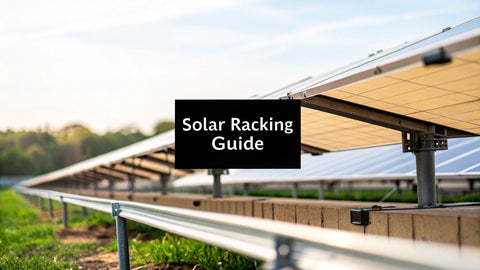
Mounting geometry—specifically tilt angle and inter-row spacing—directly influences rear-side capture. A steeper tilt can improve front-side performance in some latitudes but may reduce rear-side exposure if the rear is blocked by the next row. Conversely, wider row spacing enhances rear-side capture but increases land use and racking costs. The optimal configuration depends on geography, building codes, wind loads, and maintenance access. In general, well-optimized spacing yields greater cumulative gains than maximizing tilt alone.
If you’re retrofitting an existing site, evaluate whether the structure can support the recommended spacing without compromising access or drainage. For new builds, collaborate with racking suppliers and inverters to design a layout that preserves rear-side exposure while meeting safety and permitting requirements.
Shading, soiling, and back-contact design
Shading—whether from adjacent equipment, vegetation, or nearby structures—reduces both front- and rear-side output. Back-contact design refers to how efficiently current is collected from the rear surface and routed to the electrical circuit. Debris buildup on the rear surface or in the PV back-contact contact points can impair performance, so regular cleaning and protective coatings can help sustain gains, especially in dusty or coastal environments.
Field practices such as routine inspection, cleaning schedules, and debris removal play a role in long-term energy yield. Contractors should incorporate these maintenance considerations into project budgets and service contracts, ensuring that bifacial gains are not eroded by neglectable maintenance routines.
Installation considerations and safety
Site assessment, structural load, and mounting hardware
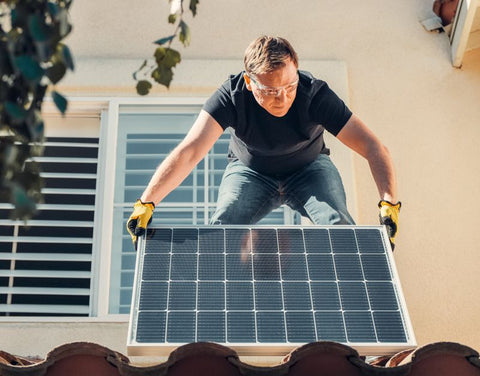
A thorough site assessment is essential for bifacial deployments. Evaluate roof structure or ground mounting capacity, wind load, snow drift potential, and the viability of row spacing to maximize rear-side capture. Choose mounting hardware that supports secure ballast distribution, with attention to corrosion resistance in coastal environments. For rooftop installations, confirm roof anchor compatibility with panel weight and wind uplift requirements. Ground mounts should account for soil bearing capacity and accessibility for inspection and cleaning.
Quality mounting hardware reduces vibration and ensures long-term alignment, enabling consistent rear-side capture year after year. Collaboration with racking suppliers to verify compatibility with Canadian Solar modules and inverter configurations helps prevent field mismatches that could degrade performance.
Electrical design implications: string sizing, inverters, and optimization
Electrical design for bifacial systems must account for slightly different current profiles due to rear-side contributions. Proper string sizing and inverter selection ensure safe operation under various daylight conditions and shading scenarios. Consider employing microinverters or power optimizers where city or site constraints may lead to uneven array performance. Monitoring platforms should support bifacial performance metrics, enabling proactive maintenance and data-driven adjustments to maximize energy yield.
In practice, an integrated design approach—combining module selection, inverters, and monitoring—delivers the most reliable results. This is where Portlandia Electric Supply’s turnkey capabilities, fast nationwide delivery, and nationwide service network become valuable assets for contractors seeking to minimize project risk and maximize uptime.
Safety standards and installer qualifications for bifacial deployments
Safety is non-negotiable in bifacial deployments. Installers should be trained in the latest electrical codes and PV standards, including IEC 61215/61730 and applicable regional certifications (for example, CSA, UL, and local equivalents). Proper lockout/tagout procedures, fall protection for roof work, and adherence to wind and snow load requirements are essential. Bifacial installations may introduce additional considerations for ground-mounted racking and back-contact wiring, so electricians should verify that all components are rated for outdoor exposure and that wiring methods minimize moisture ingress and thermal stress.
Ongoing training and site-specific safety planning help ensure that bifacial projects meet industry safety standards while delivering the expected performance gains over the system lifetime.
Warranty, certifications, and lifecycle considerations

Typical warranty patterns: product and performance warranties
Canadian Solar bifacial panels typically come with robust product warranties (often 12–15 years) and performance warranties (commonly around 25 years), though terms can vary by model and region. Warranties cover manufacturing defects, power output guarantees, and certain environmental damages. For installers and homeowners, understanding the warranty scope—what is covered, what voids coverage, and how to transfer warranty rights upon transfer of ownership—is critical for risk management and asset value.
When evaluating proposals, confirm the exact warranty durations, coverage, and transferability terms for your site. A strong warranty can significantly influence lifecycle cost and post-install service commitments, especially for commercial and industrial projects with long asset lifespans.
Certifications and testing you should look for
Look for IEC 61215/61730 certification, which addresses performance, durability, and safety for PV modules. Regional certifications such as UL or CSA add a layer of assurance for the local electrical codes and safety requirements. Fire and environmental testing—particularly for harsh climates or corrosive environments—are valuable indicators of a module’s long-term resilience. A module with recognized certifications is generally easier to integrate into compliant systems and to secure financing for large deployments.
Degradation rates, durability, and end-of-life considerations are equally important. Modern bifacial modules show gradual degradation over 25–30 years, but end-of-life recycling options and circular economy considerations are increasingly integrated into procurement decisions. A clear plan for recycling or repurposing modules at end-of-life helps minimize environmental impact and aligns with corporate sustainability goals.
Cost, ROI, and lifecycle cost analysis
Upfront costs versus long-term energy yield
Upfront costs for bifacial panels can be higher than monofacial options due to more advanced manufacturing, packaging variants, and mounting hardware. However, the potential for higher energy yield, especially in high-albedo sites or with optimized mounting, can improve the project’s lifetime return. A well-structured analysis compares the increased initial investment with the projected gains in annual energy production, factoring in local sun exposure, climate, and system design. In many cases, the incremental cost is offset by stronger annual energy output and extended service life.
Contractors and homeowners should run site-specific simulations to estimate bifacial gains relative to the project’s location and orientation. The aim is to translate rear-side gains into a meaningful reduction in levelized cost of energy (LCOE) over the system’s lifetime.
Key drivers of LCOE for bifacial projects
Major LCOE drivers include albedo, installation complexity, maintenance, financing terms, and the availability of incentives. High-albedo sites typically deliver higher rear-side gains, reducing LCOE. Installation complexity, such as specialized mounting or longer lead times for components, can raise capital costs but may be offset by improved energy yields. Financing terms, incentives, and tax credits in North America as of 2026 influence project economics, shaping the attractiveness of bifacial deployments for commercial and utility-scale customers.
Incentives and financing options are evolving. Buyers should consult with Portlandia Electric Supply’s financing and incentive advisory resources to identify applicable programs in their jurisdiction and to quantify potential subsidy savings in project bids.
Incentives and financing options relevant to Canada and North America as of 2026
In 2026, incentives across North America continue to evolve with regional programs, including tax credits, subsidies for high-efficiency projects, and utility-level incentives for faster deployment. While program specifics vary by province or state, a common pattern is to reward higher energy yields and efficient system designs. Financing solutions—ranging from traditional loans to power purchase agreements (PPAs) and leasing—offer flexibility for commercial and residential customers alike. Consulting with a trusted distributor and installer network, like Portlandia Electric Supply, helps you navigate the latest programs and optimize project finance while maintaining quality and service integrity.
Regional suitability, case studies, and market context
Regions in Canada and North America where bifacial installations are advantageous
Regions with high solar irradiance, persistent snow coverage, and light-colored ground surfaces often present the strongest case for bifacial deployments. In Canada and parts of the United States, northern climates with reflective snow can yield notable rear-side gains during winter months, while desert or prairie regions with reflective soils may amplify rear-side output through albedo. Coastal regions require coastal corrosion resistance and robust packaging to endure salt spray and wind loads. In practice, success comes from pairing site-specific climate data with module selection, mounting strategy, and advanced monitoring to ensure sustained performance.
Portlandia Electric Supply’s nationwide footprint supports distribution in both dense urban markets and remote locations, enabling timely deployment with local field support. This capacity is especially valuable for nationwide contractors seeking consistent supply, technical assistance, and service coverage across multiple jurisdictions.
Representative case studies: utility-scale farms and rooftop retrofits
Case studies show that bifacial panels have delivered meaningful yield gains in both utility-scale farms and rooftop retrofits when paired with appropriate site design. For utility-scale projects, large-format bifacial modules combined with optimized row spacing and reflective ground treatment have achieved higher annual energy production targets, helping utilities meet demand with cleaner energy. Rooftop retrofits benefit from the same principles, with careful spacing and tilt adjustments enabling rear-side capture on existing structures without sacrificing building envelope integrity.
Market momentum in 2026 reflects stabilization of supply chains and stronger confidence in long-term performance, supported by credible warranty and certification frameworks. Policy signals and utility procurement trends across Canada and the U.S. continue to encourage bifacial adoption where suitable siting and financing conditions exist. Portlandia Electric Supply stays aligned with these trends, offering broad product availability and service capabilities to support nationwide deployment.
Policy incentives, market momentum, and supply-chain considerations in 2026
Policy incentives and market momentum remain important drivers. Programs that reward higher energy yield and lifecycle efficiency influence project viability. Supply chain stability and logistics efficiency—such as multiple distribution hubs and fast shipping—are increasingly critical as project timelines tighten. Contractors should confirm model authenticity, regional certifications, and warranty transferability when procuring, ensuring a smooth transition from quotation to installation and ongoing support.
How to evaluate and procure Canadian Solar bifacial panels
Key questions for suppliers about warranty, service, and regional certifications
When evaluating suppliers, ask about the exact warranty terms (product and performance), transferability, service coverage, and response times for nationwide support. Verify regional certifications such as IEC 61215/61730 and any applicable UL or CSA listings, along with fire and environmental testing results. Inquire about lead times, spare-part availability, and the supplier’s readiness for rapid, nationwide delivery to your project site. Also ask about the availability of recommended mounting kits, inverter compatibility, and monitoring tools that integrate with existing systems.
Ask for documented case studies or performance data from similar projects to validate real-world performance assumptions. A credible supplier should provide data-backed guidance on expected gains given your site’s albedo, tilt, and shading profile.
Site-specific ROI assessment using albedo, tilt, and mounting data
ROI assessment starts with a site survey that captures ground albedo (seasonal and annual averages), typical daylight distribution, and shading patterns. Use these inputs to model rear-side gains and adjust tilt and spacing to maximize energy production. Create multiple scenarios to account for weather variability and seasonal changes. Then compare the projected ROI across alternative module types and mounting configurations to identify the most cost-effective solution for your site and budget.
For contractors, it’s crucial to document the assumptions used in the ROI model and to provide a transparent, defendable analysis to clients. This level of rigor helps avoid surprises during installation and ensures the project remains on schedule and within budget.
Procurement tips: verifying model authenticity, warranty transferability, and after-sale support
Procurement best practices include validating the exact model number, serial ranges, and batch traceability to ensure you receive authentic Canadian Solar modules. Confirm the warranty start date, transferability terms, and any regional limitations. Confirm after-sale support, including spare-part availability, on-site service options, and remote monitoring capabilities that can help detect performance deviations early. Working with a national distributor like Portlandia Electric Supply offers the advantage of consistent service levels, standardized documentation, and coordinated warranty claims across multiple jurisdictions.
Conclusion and quick-start checklist
Recap of benefits, trade-offs, and ideal use cases
Canadian Solar bifacial panels offer a compelling combination of higher potential energy yield, long-term durability, and a flexible product lineup that covers rooftop and utility-scale needs. The technology is especially advantageous on sites with high ground albedo, favorable mounting geometry, and robust maintenance practices. Trade-offs include higher upfront costs and the need for careful site design to maximize rear-side gains. For many projects in 2026, the total cost of ownership remains favorable when the installation is optimized for rear-side capture and lifecycle performance.
Ideal use cases include utility-scale farms, large commercial rooftops with reflective ground surfaces, and projects where fast delivery and strong technical support are priorities. In all cases, a site-specific design informed by albedo, tilt, spacing, and maintenance planning yields the best outcomes.
Quick-start checklist for starting a Canadian Solar bifacial project
- Define project goals: target capacity, space, and timeline.
- Conduct a site albedo analysis and determine optimal tilt/spacing.
- Select a BiHiKu bifacial model or equivalent, aligned with mounting method (rooftop vs ground).
- Verify regional certifications, warranty terms, and transferability.
- Coordinate with Portlandia Electric Supply for nationwide delivery, hardware kits, and service support.
- Model LCOE with bifacial gains, and explore incentives or financing options available in 2026.
- Plan maintenance and cleaning schedules to sustain rear-side gains over time.
This guide provides a practical framework for evaluating, procuring, and installing Canadian Solar bifacial panels. For detailed datasheets, product updates, and region-specific guidance, consult with Portlandia Electric Supply’s technical team, who can tailor recommendations to your project’s location, climate, and timeline.
Power your next project with confidence by visiting Portlandia Electric Supply, a nationwide electrical supply distributor and installer partner offering premium Tier 1 solar panels, standby generators, and related electrical equipment. They provide turnkey solar solutions, live support, and fast nationwide delivery from 12+ distribution hubs, serving contractors, installers, and homeowners with 3,800+ in-stock SKUs and a network of 8,500+ solution providers. Click now to unlock faster sourcing, expert guidance, and reliable nationwide delivery—learn more today and power up your success.