Introduction
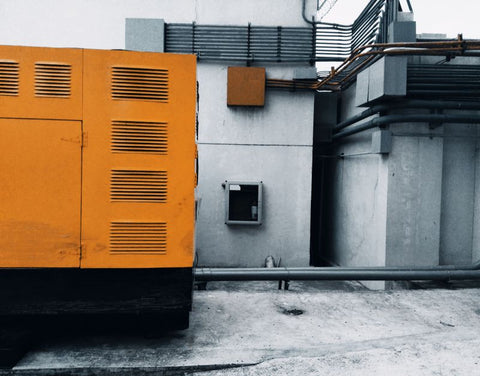
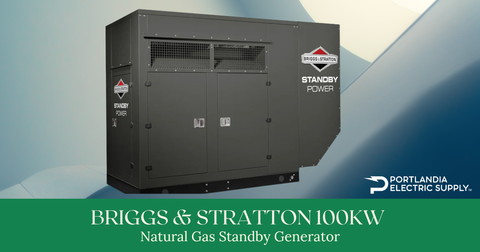
When you’re evaluating standby power for residential and light commercial use and want to compare sizes beyond a 13kW setup, you can also explore options like the 22/22 kw, 1800rpm, alum enclosure, scaqmd compliant model.
Your goal is to size correctly, avoid buying mistakes, and plan a safe, code-compliant installation. By the end, you’ll have a clear framework for assessment, budgeting, and installation readiness—whether you’re a contractor, installer partner, or homeowner considering a turnkey solution from a trusted nationwide supplier with real-time support and nationwide logistics.
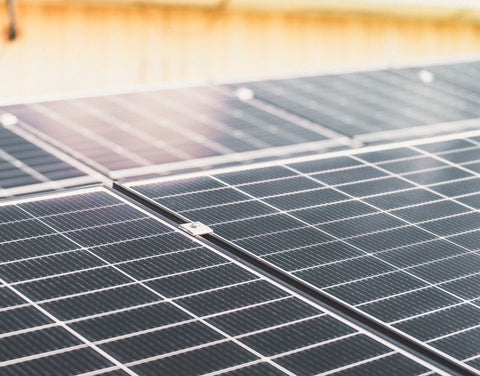
Our network of 3,800+ in-stock SKUs and 8,500+ solution providers ensures you can source premium components—including the wining energy hn-m8/72wf 540w—with rapid nationwide delivery and backed by expert guidance and professional installation support.
What a 13kW system can power in a typical home
Basic load coverage for essential circuits
A 13kW standby system can sustain essential loads during outages, including refrigerant-powered appliances, lighting, outlets, and pumps. In most homes, it can run a central air conditioner, refrigerator, well pump, lighting circuits, and a few essential outlets simultaneously when a grid outage occurs. The actual coverage depends on the mix of loads and how they’re prioritized during an outage.
High-demand appliances and load management
Adding high-demand appliances like electric water heaters, heat pumps, or multi-zone cooling can push the total demand toward the generator’s capacity. If you anticipate frequent operation of multiple high-draw devices at once, plan for a professional load calculation and possibly a larger unit or a smart load-management strategy to prevent overloads. A staged approach, prioritizing critical circuits first, is common in practice.
Practical load profiles and planning steps
Typical load profiles begin with essential circuits first—refrigeration, some lighting, security systems, and a well or sump pump. As a rule of thumb, homeowners often start with 60–70% of the generator’s rated continuous power allocated to essential loads and reserve the remaining capacity for peak motor starts. A professional load calculation helps translate these guidelines into a precise, site-specific plan.
System types: traditional standby vs inverter-based at 13kW
Traditional standby systems
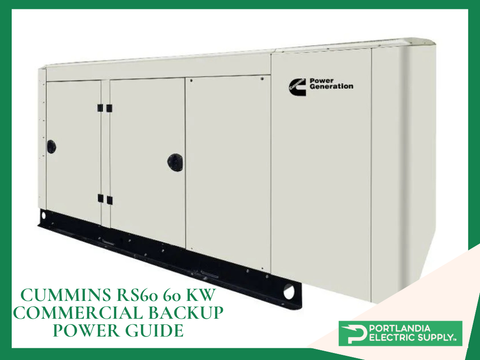
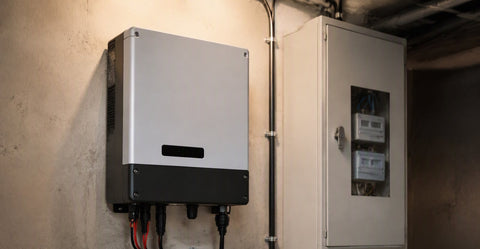
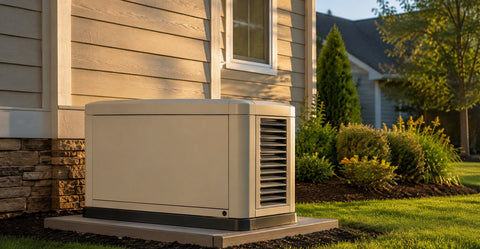
Most 13kW residential standby units are engine-driven generators paired with an automatic transfer switch (ATS). They provide robust surge capability to handle motor starts and a dependable, proven performance profile. These systems are typically larger and heavier than inverter-based counterparts, but they’ve long been trusted for reliability, easier maintenance, and broad availability.
Inverter-based 13kW options
Inverter-based 13kW options emphasize clean power, fuel efficiency, and quieter operation. They can deliver stable sine-wave power suitable for sensitive electronics and modern smart loads. Availability and pricing vary by region, but the trend toward inverter technology is growing as manufacturers optimize efficiency and noise profiles for residential use.
Pros, cons, and how to choose
Pros of traditional standby: proven durability, strong surge capacity, broad aftermarket service. Cons: typically bulkier and heavier, sometimes higher maintenance cost. Pros of inverter-based: cleaner power, better efficiency, quieter operation. Cons: higher initial cost in some markets, limited exact-size options in certain regions. The right choice depends on your load profile, site constraints, and budget. A professional assessment can align system type with your goals.
Fuel options and dual-fuel capabilities
Natural gas and propane basics
Natural gas (gas line) and propane (LP) are the most common fuels for 13kW residential generators. Natural gas offers continuous runtime as long as the gas supply is available and pressure remains stable, making it convenient for long outages or frequent use. Propane provides an independent, portable storage option that can be valuable if gas service is intermittent or unavailable at a property.
Diesel and dual-fuel configurations
Diesel-fueled 13kW units are common in certain markets, valued for fuel density and long-term storage stability. Dual-fuel options enable switching between fuel sources to hedge against price volatility or supply disruptions. Installation considerations include appropriate fuel lines, storage compliance, and local codes for fuel handling and venting.
Key installation considerations and fuel planning
Fuel system design should account for supply pressure (natural gas), tank size (propane), storage safety (diesel), and local codes. Dual-fuel systems require reliable switching mechanisms and appropriate controls to prevent cross-contamination and inadvertent fuel mode changes. Work with a licensed installer who can verify code compliance and fuel compatibility for your climate and fuel availability.
Power specs: continuous power, surge, runtime, and efficiency
Continuous power and surge capacity
Continuous running power for a 13kW unit is typically around 13,000 watts, with a higher surge (starting) capability to handle motor starts. This surge capacity is crucial for devices with high inrush current, like compressors and well pumps. Ensure the ATS and wiring are specified to handle these surges safely.
Runtime expectations
Runtime depends on fuel type, tank or line sizes, and fuel management. Gas-powered units can run indefinitely with an adequate gas supply; propane systems’ runtime depends on tank size—larger tanks extend operation at a given load. Diesel units have finite runtimes based on tank capacity; a larger tank yields longer operation at comfortable load levels.
Efficiency and emissions
Efficiency and emissions vary by engine design and fuel, with newer models prioritizing cleaner combustion and lower exhaust temperatures. Expect inverter-based models to offer improved efficiency at partial loads and lower emissions than older, non-inverter engines. Look for engines that meet current emissions standards in your region and consider smart controls that optimize run cycles for efficiency.
Smart controls and fuel management
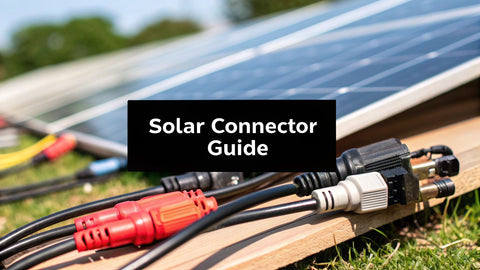
Modern generators often include smart controls, remote monitoring, and auto-start features. These capabilities help optimize fuel use, extend run times, and provide alerts before a fault occurs. If you plan to couple with solar or storage, select models with compatible communication protocols for remote diagnostics and system integration.
Noise, emissions, and safety considerations
Sound levels and location impact
Residential standby equipment typically produces moderate to quiet levels. Sound is heavily influenced by installation location, enclosure design, and exhaust routing. Position the unit away from living areas and ensure proper mufflers and weather protection to minimize perceived noise. A well-placed, compliant enclosure can significantly improve neighborhood compatibility and compliance with local ordinances.
Emissions and environmental considerations
Emissions depend on fuel choice and engine design. Choose models with EPA or regional emissions certifications where available, and verify that exhaust routing complies with local environmental requirements. Proper venting and CO detection are essential safety measures to protect occupants during operation.
Safety basics for installation and operation
Safety essentials include proper venting, certified electrical connections, CO detectors in living spaces, and adhering to manufacturer guidelines. Maintain clearances from structures, avoid enclosed spaces without ventilation, and ensure temporary or permanent wiring meets NFPA standards. Always work with a licensed installer for compliance and safety.
Sizing your home: load calculations and scenarios
Step-by-step load inventory
Begin by listing essential circuits: refrigeration, well pumps, sump pumps, furnace or heat pump, lighting, and critical outlets. Estimate each load in watts and then total them to assess whether 13kW is sufficient for baseline operation and peak start-up demands. A licensed electrician or installer can perform professional load calculations to confirm.
2–3 scenario examples
Scenario A: Large two-story home with central AC and multiple refrigerators. If essential loads align with high-draw devices, a 13kW unit might cover essential circuits with load management or a larger unit for full coverage. Scenario B: Smaller home with modest loads. A 13kW system can typically handle essential circuits and a limited number of HVAC devices, with room to spare for critical electronics. Scenario C: Homes planning future expansion or solar+storage integration may benefit from a modular approach that considers future power needs and growth in equipment diversity.
Professional confirmation and next steps
Always have a licensed electrician or installer validate your load estimates. They can prepare a formal plan, verify ATS compatibility, and outline whether adjustments to the generator size or distribution strategy are needed to meet performance goals and safety standards.
Installation planning: location, venting, and automatic transfer switches
ATS sizing and integration
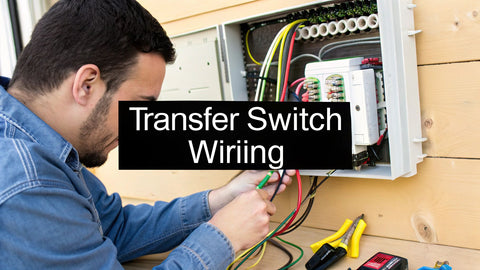
The automatic transfer switch selects between utility power and generator power, coordinating start-up and shut-down with minimal interruption. An undersized ATS can create operational bottlenecks or safety concerns, so work with a professional to determine the correct rating based on continuous and surge loads.
Generator location and venting considerations
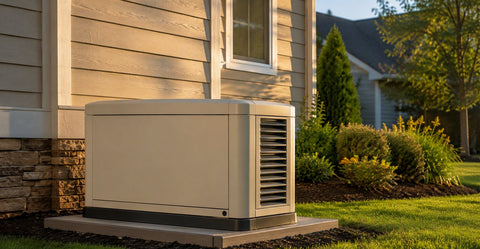
Outdoor placement on a solid pad with weather protection and adequate clearance is essential. Proper venting prevents fume buildup and ensures safe operation. Avoid enclosed, low-ventilation spaces and follow local fire and building codes. A protective enclosure can reduce weather exposure while maintaining adequate ventilation.
Permits, wiring, and codes
Site surveys, electrical disconnects, venting, and permit approvals are typical requirements. Work with a licensed installer to ensure compliance with NFPA 70 (National Electrical Code), NFPA 110 (Emergency and Standby Power Systems), and any local amendments. A compliant installation reduces risk and improves long-term performance.
Maintenance, common failure modes, and service
Preventive maintenance for longevity
Regular maintenance extends life and reliability. Plan for oil and filter changes, coolant checks, battery health, and fuel-system care. Following a seasonal maintenance routine helps prevent startup issues and reduces the likelihood of unexpected shutdowns during outages.
Common issues and proactive responses
Starting failures, oil-pressure warnings, varnish buildup on fuel systems, and cooling faults are among typical concerns. Regular inspections and timely part replacements reduce downtime. Having a service contact list and a pre-winter maintenance window helps ensure readiness when outages occur.
Spare parts and service planning
Keep essential consumables on hand—oil filters, spark plugs, belts, hoses, and a small fuel-treatment kit. Establish a service provider relationship with a local technician or a national partner network for quick response times, especially for multi-site or commercial deployments.
Cost of ownership, warranties, and service considerations
Total cost of ownership and budgeting
Consider equipment cost, installation, permits, transfer switches, fuel storage (where applicable), and ongoing maintenance. The up-front investment is balanced by long-term reliability and reduced disruption during outages. Evaluate the total cost of ownership over the expected lifespan of the system.
Warranties and coverage
Warranty coverage varies by manufacturer and region. Review what is included for the generator, transfer switch, and any remote monitoring components. Determine whether extended warranty options align with your risk tolerance and maintenance plan.
Upgrades and future-proofing
Factor in potential upgrades for smart monitoring, solar integration, and battery storage. Hybrid approaches can reduce fuel use and increase resilience, and many manufacturers now offer compatible interfaces to simplify future expansions and system optimization.
Smart features, trends, and future-ready options
App-based monitoring and remote diagnostics
Smart monitoring enables real-time status, fault alerts, and maintenance reminders through mobile apps. Remote diagnostics reduce dispatch time and help keep systems online during critical events. Look for cloud-based interfaces and secure data transmission in modern 13kW solutions.
Auto-start, load prioritization, and solar integration
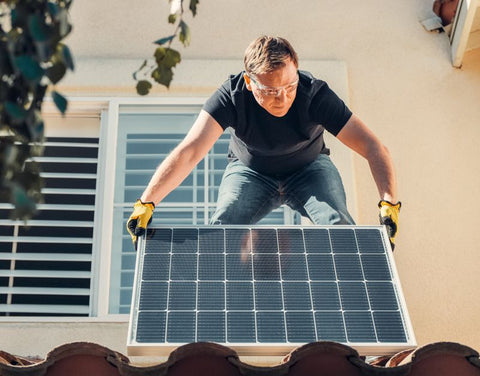
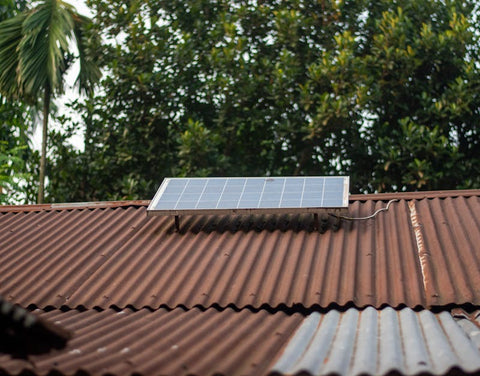
Auto-start functionality ensures quick restoration after outages. Some systems offer load prioritization to keep essential circuits online even under heavy demand. Hybrid configurations with solar PV and energy storage are increasingly common, enabling lower fuel use and extended resilience during prolonged outages.
Dual-fuel management and control strategies
Dual-fuel capabilities provide flexibility to switch between gas and propane, helping manage fuel availability and price volatility. Advanced control strategies optimize start times, load distribution, and fuel transition, delivering better overall efficiency and reliability.
Checklists and scenario-based guidance
Pre-purchase checklist
Audit your loads, confirm fuel supply, verify ATS compatibility, assess space and venting, and check local codes before purchase. A thorough checklist helps prevent overbuying or under-sizing and sets the stage for a smooth installation.
Installation readiness checklist
Ensure a site survey is completed, permits are in place, pad installation is secure, ventilation is adequate, and inspection planning is mapped out. Coordinating with a licensed installer reduces delays and ensures compliance with NFPA standards.
Scenario-based guidance
Use two practical scenarios to guide decision making: a large two-story home with central AC versus a smaller home with modest cooling needs. Consider future expansion, solar storage integration, and potential changes in fuel availability when choosing a 13kW system and planning the installation.
Codes, safety best practices, and compliance
Key codes and standards to follow
NFPA 37 covers standby power systems, while NFPA 110 provides guidance for emergency and standby power. Local electrical and building codes apply as well. Work with licensed professionals to ensure proper permits, inspections, venting, and safe installation practices are followed at every step.
Safety devices and occupant protections
CO detectors, proper venting, clearance distances, and adherence to manufacturer installation guidelines are essential safety features. Regular inspection and testing of safety devices reduce risk and help protect occupants and property during outages.
Code compliance and documentation
Maintain up-to-date documentation for permits, inspections, and verification of compliance. Documentation supports future maintenance, resale value, and confidence in the system’s reliability and safety for your space.
Conclusion: next steps and decision framework
Decision framework recap
Key decision factors include load needs, fuel availability, installation constraints, and budget. A professional load assessment and site evaluation are essential to finalize the 13kW choice and installation plan. Use this framework to compare options across traditional and inverter-based designs, fuel configurations, and future-proofing opportunities.
Actionable next steps
1) Gather quotes and inspect potential sites. 2) Review warranties, maintenance commitments, and remote monitoring options. 3) Consider smart features, auto-transfer switches, and compatibility with solar storage. 4) Plan for a nationwide delivery and support network through a trusted partner—Portlandia Electric Supply—backed by 12+ hubs and a vast partner network to support turnkey solar and standby power projects.
Final thought
With the right planning, a 13kW generator becomes a dependable backbone of resilience for homes and small businesses. It’s not just about keeping the lights on; it’s about restoring comfort, protecting perishables, and ensuring essential operations continue when the grid falters. Ready to take the next step? Reach out to a licensed installer or Portlandia Electric Supply’s expert team to begin your turnkey 13kW solution today.
Power your next project with confidence by visiting Portlandia Electric Supply, a nationwide electrical supply distributor and installer partner offering premium Tier 1 solar panels, standby generators, and related electrical equipment. They provide turnkey solar solutions, live support, and fast nationwide delivery from 12+ distribution hubs, serving contractors, installers, and homeowners with 3,800+ in-stock SKUs and a network of 8,500+ solution providers. Click now to unlock faster sourcing, expert guidance, and reliable nationwide delivery—learn more today and power up your success.