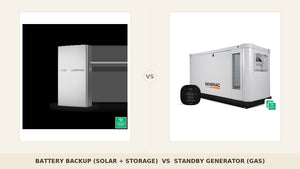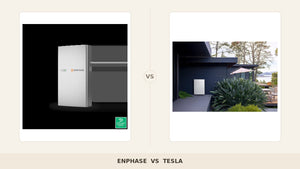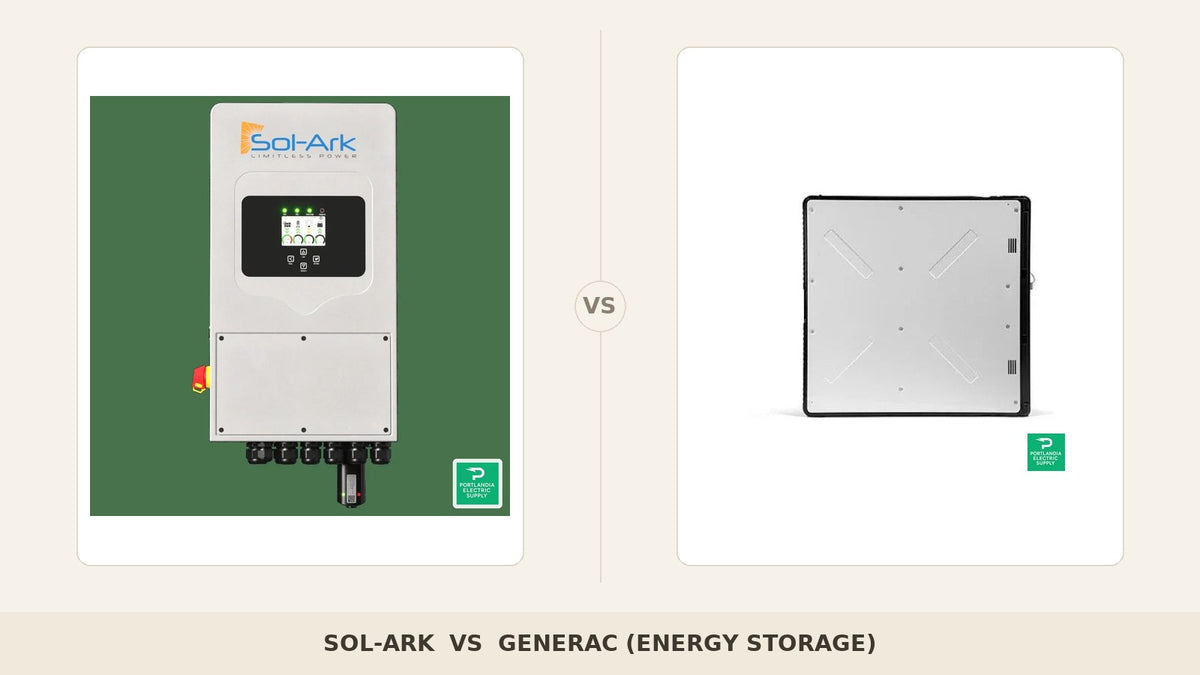
Sol-Ark and Generac PWRcell both promise whole-home backup, but they sell you different things. Sol-Ark 15K-2P is an open platform: a 48V hybrid inverter that takes batteries from a dozen vendors, passes through 200A, and integrates whatever generator you already own. Generac PWRcell 2 is an ecosystem: proprietary high-voltage battery, Generac inverter, and — the genuine killer feature — native integration with Generac's market-leading standby generators, transfer switches, and ecobee thermostats under one app and one warranty chain. If you are already in (or want) the Generac universe, PWRcell 2 is the coherent choice. If you want battery choice, installer independence, or best-in-class hardware flexibility, Sol-Ark wins.
Spec Sheet — Sol-Ark vs Generac (energy storage) at a Glance
- Topology: All-in-one 48V hybrid: inverter + charge controllers + transfer + b… · Ecosystem play: PWRcell inverter + modular battery cabinet, ties in…
- Continuous AC Output: 15K-2P: 15 kW AC continuous (12 kW from batteries); 12K class: ~9 kW · PWRcell 2 class: whole-home backup with generator integration (ecos…
- Max PV Input: 15K: 19.5 kW class PV, 3 MPPT (12K: 2 MPPT) · DC-coupled array via PWRcell inverter (size per design); AC-couple…
- Grid Pass-Through: 200A grid pass-through — true whole-home backup without a critical-… · Whole-home via Generac ATS/transfer architecture class
- Battery Architecture: 48V nominal — LFP, lead-acid, AGM compatible; 2 battery ports, 275A… · High-voltage LFP modular cabinet (PWRcell 2)
The Shared Platform: What Both Have in Common
Both deliver whole-home backup with solar-plus-storage, grid-tie sell-back, time-of-use optimization, generator integration of some form, and app-based whole-home energy monitoring. Both are sold through professional installer channels with 10-year-class coverage on the storage side. And both target the same customer: a homeowner who wants resilience, not just bill savings.
Side-by-Side Comparison Table
| Specification | Sol-Ark | Generac (energy storage) |
|---|---|---|
| Topology | All-in-one 48V hybrid: inverter + charge controllers + transfer + battery management in one box | Ecosystem play: PWRcell inverter + modular battery cabinet, ties into Generac generator + ATS + ecobee stack |
| Continuous AC Output | 15K-2P: 15 kW AC continuous (12 kW from batteries); 12K class: ~9 kW | PWRcell 2 class: whole-home backup with generator integration (ecosystem-level) |
| Max PV Input | 15K: 19.5 kW class PV, 3 MPPT (12K: 2 MPPT) | DC-coupled array via PWRcell inverter (size per design); AC-couple capable |
| Grid Pass-Through | 200A grid pass-through — true whole-home backup without a critical-loads panel | Whole-home via Generac ATS/transfer architecture class |
| Battery Architecture | 48V nominal — LFP, lead-acid, AGM compatible; 2 battery ports, 275A charger | High-voltage LFP modular cabinet (PWRcell 2) |
| Battery Compatibility | CAN/RS485 closed-loop with broad certified battery partner list | Proprietary closed ecosystem — Generac battery only |
| Generator Integration | Dedicated GEN port, auto-start capable, AC-couple capable | Best-in-class native generator integration (Generac owns the category) |
| Monitoring Platform | mySol-Ark / PowerView — mature installer fleet tools (AWS US-hosted) | PWRview — whole-home energy monitoring, ties into Mobile Link |
| UL 9540 ESS Pairings | Multiple UL 9540 listed ESS pairings with major batteries | Listed as integrated Generac ESS |
| Warranty (storage) | 10 years class (manufacturer standard) | 10 years battery class (PWRcell 2) |
| Typical Installed Price | 15K: ~$6,700–8,500 contractor class | Premium installed tier; bundled with generator/ATS installs |
Open 48V vs Proprietary High-Voltage
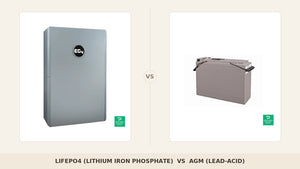
Sol-Ark's 48V battery bus is the most open in residential hybrids: EG4, Fortress, SimpliPhi, Discover, and more, with closed-loop comms, at prices set by competition between battery vendors. When the battery reaches end of life in 10–15 years, you buy whatever the market then offers. PWRcell 2 is a proprietary high-voltage cabinet — tightly integrated, one vendor, one app, and no cross-shopping. Generac's integration is genuinely smoother at install time; Sol-Ark's openness is genuinely cheaper to own across two battery lifetimes.
The Generator Factor
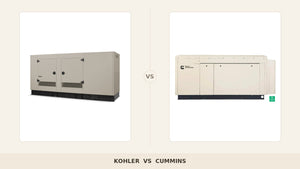
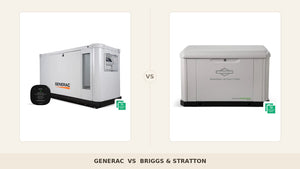
Generac owns residential standby generation, and PWRcell 2's deepest trick is choreography: solar, battery, and a Generac generator behaving as one system under PWRview/Mobile Link — battery handles the first hours, generator handles the long tail, all automatic. Sol-Ark integrates generators too — dedicated GEN port, auto-start, AC coupling of existing solar — and it does so with any brand of generator. If the customer already has a Generac (or is buying one), PWRcell 2's native integration is the smoothest path. If the generator is a Kohler, Cummins, or already installed, Sol-Ark plays nicer with what exists.
Track Record and the Gen-1 Lesson
Honesty requires this: first-generation PWRcell had documented field issues, and PWRcell 2 is the improved successor — better chemistry, better power, lessons applied. Sol-Ark's platform has iterated in the field for years across 8K/12K/15K generations with a large installed base. Both are now credible; Sol-Ark has the longer continuous field record, Generac has the larger service organization behind it. For risk-averse buyers, both statements matter more than either alone.
Quoting this job? We stock Sol-Ark products at contractor pricing — or get a system quote with both options priced side by side.
Choose Sol-Ark If / Choose Generac (energy storage) If
Choose Sol-Ark if: Choose Sol-Ark if: you want battery vendor choice and competitive battery pricing; the customer has (or may buy) a non-Generac generator; installer independence and open architecture matter; or you are designing for a second battery lifetime, not just the first.
Choose Generac (energy storage) if: Choose Generac PWRcell 2 if: the home has (or is getting) a Generac generator and you want one integrated app, one warranty chain, and automatic generator-battery-solar choreography; the customer values single-vendor accountability over component choice; or the install is bundled with a new standby generator sale.
Field takeaway: Sol-Ark sells an open platform that plays well with everyone's hardware; PWRcell 2 sells a closed ecosystem that plays perfectly with Generac's. The tie-breaker is usually sitting next to the house already: if it says Generac on the pad, PWRcell 2; anything else, Sol-Ark.
Frequently Asked Questions
Can PWRcell use third-party batteries?
No. PWRcell 2 is a proprietary high-voltage Generac battery cabinet paired with Generac's inverter. Sol-Ark accepts a broad certified list of 48V batteries (EG4, Fortress, SimpliPhi, Discover and others) with closed-loop communication.
Does Sol-Ark work with a Generac generator?
Yes. Sol-Ark has a dedicated generator port with auto-start and can AC-couple existing solar; it integrates Generac, Kohler, Cummins, or any compatible generator. PWRcell 2's advantage is deeper native integration specifically inside the Generac ecosystem.
Is PWRcell 2 better than the original PWRcell?
Yes — PWRcell 2 is the substantially redesigned successor addressing the first generation's documented issues, with improved chemistry and power. It is the current platform; avoid legacy gen-1 hardware on new quotes.
Which is cheaper for whole-home backup?
Depends on scope. If a standby generator is already in the project, bundling PWRcell 2 with a Generac install is often cost-effective. For solar-plus-storage alone, Sol-Ark plus value 48V batteries (e.g., EG4) usually delivers more kWh and kW per dollar, at the cost of more design work.
Do both qualify for UL 9540 permitted installs?
Yes. PWRcell 2 lists as an integrated Generac ESS. Sol-Ark has multiple UL 9540 pairings with major battery brands — verify the specific inverter-plus-battery combination with your AHJ.
Sources & Standards
- Sol-Ark 15K-2P documentation (sol-ark.com)
- Generac PWRcell 2 documentation (generac.com)
- UL 9540 energy storage standard (ul.com)
Ready to price your project? Get a free system quote from PES Supply — both options, contractor pricing.
Related Resources: