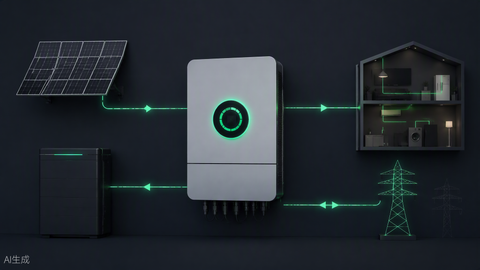
Battery Storage Incentives by State: 2026 Rebate Programs and Tax Credits
📋 Key Takeaways
- The federal residential ITC under Section 25D expired on December 31, 2025, for battery storage systems.
- 26 states and Puerto Rico now have programs paying residential battery owners to share power with the grid.
- State programs like California's SGIP and Massachusetts' ConnectedSolutions are now the primary drivers of storage economics.
- Virtual power plant (VPP) programs allow battery owners to earn recurring payments for grid services.
- Stacking state rebates, utility incentives, and VPP payments can significantly improve battery storage ROI.
Published July 30, 2026 — PES Supply Incentives Guide
The battery storage incentive landscape underwent a seismic shift on January 1, 2026. The federal residential Investment Tax Credit under Section 25D — which covered 30% of battery storage costs for homeowners who purchased systems outright — expired for any system placed in service after December 31, 2025. But the story does not end there. State programs, utility rebates, and virtual power plant (VPP) payment structures have outlived the federal credit and, in many cases, are now doing the heavy lifting for storage economics.
As of early 2026, 26 states and Puerto Rico have programs paying residential battery owners to share their power with the grid, and more are joining the list ([Franklin Observer](https://franklinobserver.town.news/g/franklin-town-ma/n/382779/startup-offers-low-cost-home-batteries-ma-residents)). This guide walks installers and contractors through the federal landscape, the major state programs, and how to stack incentives for maximum customer value. At PES Supply, we carry 50,000+ SKUs from 169 authorized brands, including a deep selection of battery storage and inverter products to support your storage installations.
Equipment to consider: EG4 14.3kWh Heated Lithium Battery or Enphase IQBattery 5P or Tesla Powerwall Stacking Kit. All available with 7-10 business days delivery from PES Supply's 50,000+ SKUs across 169 authorized brands.
The Federal Landscape After Section 25D
![) Enphase IQBATTERY-5P-1P-NA [240V]](https://cdn.shopify.com/s/files/1/0613/5188/6982/files/ZZ010600323_O1_600x600_bd13fb5a-1fd9-4103-b22c-d600878780d1_400x.jpg?v=1783632118)


The One Big Beautiful Bill Act (OBBBA), signed on July 4, 2025, terminated the 30% residential clean energy credit under Section 25D for systems placed in service after December 31, 2025. Homeowners who purchase battery systems with cash or a loan in 2026 receive no federal tax credit ([The Solar Book](https://thesolarbook.com/battery-storage-incentives-2026/), [Piforz](https://piforz.com/blog/2026-home-battery-tax-credit-what-changed-and-what-incentives-are-still-available/)).
However, two federal pathways remain:
Section 48E Commercial Investment Tax Credit
The Section 48E Clean Electricity Investment Credit remains active at a 30% base rate for eligible commercial and third-party-owned battery storage systems. This credit is available through 2032 and is the primary federal pathway for lease and PPA business models. Key requirements include:
- Minimum battery capacity of 5 kWh for commercial/48E projects (3 kWh was the residential minimum under 25D)
- Projects must meet prevailing wage and apprenticeship requirements for the full 30% rate (base rate is 6% without compliance)
- FEOC compliance is mandatory — at least 55% of battery project value cannot be tied to a Foreign Entity of Concern in 2026, increasing to 60% in 2027
- Bonus adders available: +10% domestic content, +10% energy community, +10–20% low-income
When stacked, the effective ITC rate can approach 50% or higher for qualifying battery storage projects ([AGBESS](https://agbess.com/feoc-and-itc-compliance/)).
Legacy 25D Claims for 2025 Installations
Homeowners who completed battery installations on or before December 31, 2025 can still claim the 30% credit on their 2025 tax return using IRS Form 5695. Unused credit carries forward to future tax years. The expenditure is treated as made when the original installation is completed — paying in 2025 for a battery commissioned in 2026 does not qualify.
California: SGIP and the Tiered Rebate System
California's Self-Generation Incentive Program (SGIP) is the largest state battery rebate program in the country. Overseen by the California Public Utilities Commission (CPUC) and administered by PG&E, Southern California Edison, SoCalGas, and the Center for Sustainable Energy (for SDG&E territory), SGIP pays a per-kWh rebate on installed storage.
SGIP is not one rebate — it is a stack of tiers, and in 2026, most of those tiers are closed to new applicants ([Cali Energy](https://cali-energy.com/blog/sgip-battery-incentives-california-2026), [HomeGridHQ](https://homegridhq.com/incentives/california-battery-incentives/)).
2026 SGIP Incentive Tiers
| Category | Who It Targets | Approx. Rate | 2026 Status |
|---|---|---|---|
| RSSE — Residential Solar & Storage Equity | Income-qualified households installing new paired solar + storage | $1,100/kWh (≈$1.10/Wh) | Only active path — fully reserved, waitlist only |
| Equity Resiliency | Income/vulnerability qualifier + fire/PSPS trigger | $1,000/kWh | Closed to new applications (Dec 31, 2025) |
| Equity Budget | Income-qualified homeowners outside Equity Resiliency | ~$850/kWh | Closed |
| General Market Residential | Standard residential installations | $150–$200/kWh | Closed for the year |
For a 13.5 kWh battery (e.g., a typical Powerwall), the General Market tier would have returned approximately $2,000–$2,700. The RSSE tier, if available, could return up to $14,850 — but it is currently fully reserved with waitlist only.
Additional California Incentives
- Property tax exclusion: California Revenue and Taxation Code Section 73 excludes active solar energy systems (including paired batteries) from property tax reassessment — a permanent annual savings of approximately 1% of system value.
- NEM 3.0 (Solar Billing Plan): California's net billing tariff incentivizes solar-plus-storage by paying export credits that make batteries economically valuable for time-of-use arbitrage.
- Utility VPP programs: SDG&E, PG&E, and SCE all run additional programs for battery storage and demand response.
Massachusetts: ConnectedSolutions and VPP Payments
Massachusetts is one of the strongest 2026 battery states, combining high electricity rates, active net metering, the SMART storage adder, and a ConnectedSolutions VPP program that pays about $1,200/year on average ([The Home Battery Report](https://homebatteryreport.com/states/massachusetts)).
ConnectedSolutions Program
The ConnectedSolutions program is a demand-response VPP that operates across multiple New England states, including Massachusetts, Connecticut, and New Hampshire. The program enrolls thermostats, water heaters, and batteries at residential sites, discharging them during peak demand events.
Key payment details:
- Residential battery rate: $275 per average kW of summer event contribution, paid annually over a five-year enrollment period ([pv magazine USA](https://pv-magazine-usa.com/2026/07/27/battery-virtual-power-plant-that-paid-homeowners-5-4-million-now-expanding-to-ev-batteries/))
- Typical annual earnings: $1,200–$1,500 per year for a standard residential battery
- Five-year total: Approximately $5,500–$7,500
- 2025 season results: More than $5.4 million paid to 5,251 residential battery participants
ConnectedSolutions+: Enhanced Incentives in Targeted Areas
National Grid and Eversource have launched ConnectedSolutions+, an enhanced program offering higher incentives in select communities where grid capacity is constrained ([New England Clean Energy](https://newenglandcleanenergy.com/blog/connectedsolutions-what-homeowners-need-to-know/), [Utility Dive](https://www.utilitydive.com/news/eversource-launches-targeted-load-management-pilots-in-massachusetts/824248/)):
| Area | Performance Incentive | Events |
|---|---|---|
| Greater Boston (ConnectedSolutions+) | $400/kW | 40–60 events annually for batteries |
| Southeastern MA (ConnectedSolutions+) | $275/kW summer + $100/kW shoulder (Apr–May, Oct–Nov) | Up to 150 events/year |
| Standard ConnectedSolutions | $275/kW | Performance-based |
SMART 3.0 Storage Adder
Massachusetts' Solar Massachusetts Renewable Target (SMART) 3.0 program offers a solar-paired energy-storage adder of approximately $0.04 per kWh on top of the base production rate. Combined with ConnectedSolutions payments and the Massachusetts Residential Energy Credit (15% of installation cost up to $1,000), the state offers one of the most competitive incentive stacks in the country.
V2G Expansion
Massachusetts is now extending ConnectedSolutions to electric vehicles through vehicle-to-grid (V2G) connections. Eligible vehicles initially include the Ford F-150 Lightning, Nissan Leaf, Kia EV9, Polestar 3, and Volvo EX90. Participating EV owners can earn incentives similar to home battery participants ([Electrek](https://electrek.co/2026/07/23/massachusetts-ev-drivers-battery-power-v2g/)).
Other State Battery Programs
Connecticut: Energy Storage Solutions
Connecticut's Energy Storage Solutions program offers upfront incentives plus performance-based payments, with total incentives reaching up to $16,000 per residential installation. The program combines an upfront rebate (approximately $7,500) with ongoing performance payments for grid dispatch participation.
New York: NYSERDA Rebates
New York offers a 25% state tax credit (up to $5,000) for solar-plus-storage systems, plus NYSERDA rebates for grid-connected battery installations. The state also supports utility-managed VPP programs with annual earnings of $500–$1,200 for participating battery owners.
Colorado: State Tax Credit and Utility Rebates
Colorado offers a 10% state tax credit for battery storage plus utility rebates through Xcel Energy. Income-qualified tiers can reach $5,000–$8,000 in total incentives. Colorado's early adoption of the 2026 NEC also makes it a leading market for code-compliant storage installations.
Vermont: Green Mountain Power Battery Leases
Vermont's Green Mountain Power has offered battery leases since 2017, providing two-battery systems for $55 per month. This utility-owned model bypasses the need for federal tax credits entirely and has become a template for similar programs in other states.
Minnesota: $430M Distributed Battery Program
Minnesota launched a $430 million distributed battery program in Q1 2026, one of the largest state-level storage investments. Outside Xcel Energy territory, the program offers $250/kW incentives. Annual VPP earnings of $600–$1,200 are projected for participants.
Arizona: Utility Demand Response Programs
Arizona offers two utility-administered battery programs:
- APS Storage Rewards pilot: $110/kW per event season
- SRP Battery Partner: $55/kW, paid twice per year
Texas: ERCOT VPP Pilot
Texas's ERCOT VPP pilot allows battery owners to participate in wholesale market activities, with annual earnings of $400–$900 depending on market conditions and dispatch frequency.
State Incentive Comparison Table
| State | Program | Max Rebate/Incentive | Annual VPP Earnings | Status |
|---|---|---|---|---|
| California | SGIP (RSSE) | $1,100/kWh (up to ~$16,000) | $500–$1,500+ | Waitlisted |
| Massachusetts | ConnectedSolutions | $275/kW per year (5 years) | $750–$1,500 | Open |
| Connecticut | Energy Storage Solutions | Up to $16,000 | Performance-based | Open |
| New York | NYSERDA + State Tax Credit | Up to $5,000 | $500–$1,200 | Open |
| Colorado | State Tax Credit + Xcel | $5,000–$8,000 | Varies | Open |
| Minnesota | Distributed Battery Program | $250/kW | $600–$1,200 | Open (new) |
| Vermont | GMP Battery Lease | $55/month (utility-owned) | Included | Open |
| Arizona | APS/SRP Programs | $55–$110/kW | Varies | Open |
| Texas | ERCOT VPP Pilot | Wholesale market | $400–$900 | Open |
Stacking Incentives: A California Case Study
For a California homeowner installing a $12,000 battery system in a qualifying equity tier, the incentive stack can be dramatic:
- SGIP rebate: -$8,000 (typical equity-tier rebate)
- Property tax exclusion: Saves approximately $120/year indefinitely
- VPP earnings: $500–$1,500/year
- Net cost: Approximately $4,000 before VPP earnings
- Payback with VPP: Net-positive within year one in optimal scenarios
Note: Federal ITC no longer applies to homeowner-purchased systems in 2026. For lease/PPA models, the Section 48E credit at 30% can be captured by the third-party system owner, indirectly reducing the customer's monthly payment.
How Incentive Structures Differ
The eight major residential storage programs use four structurally different payment shapes ([The Solar Book](https://thesolarbook.com/battery-storage-incentives-2026/)):
- Upfront rebate: A single payment at installation based on capacity (e.g., SGIP per-kWh rebate).
- Per-kWh of capacity: Payment scaled to the battery's usable energy capacity.
- Per-kW discharged on a repeating cadence: Performance-based payment for grid dispatch events (e.g., ConnectedSolutions).
- Utility-owned model: The utility owns the battery and bills the customer monthly (e.g., Green Mountain Power).
Understanding which structure applies in your market is essential for accurately representing customer economics in your sales process.
Practical Guidance for Installers
1. Know Your State's Programs
Incentive availability varies dramatically by state and utility territory. Before quoting a storage system, verify current program status, funding availability, and eligibility requirements with the program administrator. Funding for many programs changes monthly and can exhaust quickly.
2. Present the Right Ownership Model
With the federal residential credit expired, the ownership model matters more than ever. For cash/loan purchases, state and utility programs are the primary incentives. For lease/PPA models, the Section 48E commercial ITC at 30% (plus potential bonus adders) can be captured by the system owner and passed through as lower monthly payments.
3. Verify FEOC Compliance for Commercial Projects
For projects claiming the Section 48E ITC, FEOC compliance is mandatory. At least 55% of battery project value cannot be tied to a Foreign Entity of Concern in 2026. Verify component provenance before procurement, especially for battery cells and modules sourced from international suppliers.
4. Enroll Customers in VPP Programs
VPP enrollment can transform a battery from a cost-saving appliance into a revenue-generating asset. Annual earnings of $500–$1,500+ are available in many states. Make VPP enrollment part of your standard commissioning checklist for eligible systems.
5. Plan for Delivery and Installation
Battery storage products, particularly high-capacity systems, may require longer lead times than standard solar components. Plan for 7-10 business days delivery and coordinate installation scheduling accordingly.
Conclusion
The expiration of the federal residential battery tax credit did not kill the storage market — it shifted it. State programs, utility rebates, and VPP payments now drive storage economics, and in markets like Massachusetts and California, the combined incentive stack can be more valuable than the former federal credit. With 26 states and Puerto Rico offering programs that pay battery owners for grid participation, the addressable market for residential and commercial storage has never been broader.
PES Supply supports your storage installations with 50,000+ SKUs from 169 authorized brands, including battery energy storage systems, hybrid inverters, balance of system components, and mounting solutions. Our team stays current on incentive program requirements and FEOC compliance to help you source the right equipment for every project.
🛒 Shop This Article
Find the equipment mentioned in this article across our 50,000+ SKUs from 169 authorized brands. 7-10 business days delivery.
The programs worth watching next quarter are the ones still in rulemaking: several states are converting one-time rebates into recurring performance payments, following the Massachusetts model. For contractors, that shift changes the sales conversation from an upfront discount to a revenue stream — and revenue streams close storage deals that sticker prices cannot.
Frequently Asked Questions
Is the federal tax credit still available for battery storage?
The federal residential ITC under Section 25D expired for systems placed in service after December 31, 2025. However, the commercial Section 48 ITC may still apply for qualifying projects. Check current IRS guidance for eligibility details.
What is California's SGIP program?
The Self-Generation Incentive Program (SGIP) provides rebates for qualifying battery storage installations in California. The program includes equity tiers with higher rebates for projects in disadvantaged communities and for critical facilities.
What are virtual power plant (VPP) programs?
VPP programs aggregate residential battery systems to provide grid services such as peak demand reduction and frequency regulation. Participants earn recurring payments for allowing their batteries to discharge during grid events.
Which states offer the best battery storage incentives?
California, Massachusetts, New York, and Maryland currently offer the most robust storage incentive programs. However, programs change frequently, so verify current availability and funding levels before quoting projects.
Can I stack multiple battery storage incentives?
In many cases, yes. State rebates, utility programs, and VPP payments can often be stacked, but each program has its own rules. Verify stacking eligibility with each program administrator before presenting savings to customers.
Ready to Source Your Equipment?
Browse 50,000+ SKUs from 169 authorized brands. Trade pricing with full OEM warranties.
Shop All Categories Request a QuoteRelated reading: ITC Safe Harbor & Commence-Construction: What Solar Buyers Must Know After the Residential Credit Sunset — the latest on federal ITC safe harbor rules, the June 2026 court ruling, and what the residential credit sunset means for buyers and installers.
Field notes from our quoting desk
- I've watched more incentive-driven deals die from paperwork sequencing than from funding running out. The rebate reservation goes in before the install, not after — every program administrator says it in bold and installers still get it backwards.
- A customer in Massachusetts asked me last year whether ConnectedSolutions was 'worth the enrollment hassle.' I showed them the five-year payment math against a $40 enrollment hour and the question answered itself.
- Quote the incentive stack conservatively or don't quote it at all. Programs exhaust funding mid-year, and the installer who promised the waitlisted number owns the awkward phone call that follows.
Stacking rules differ by program, so treat this as an arithmetic illustration using the program figures already covered above — verify current terms before quoting a customer. The point is to show the order of operations that survives program review: reserve the rebate first, install to spec, then enroll in the performance program.
| Stack Layer | Mechanism | Math on This Example | Year-1 / 5-Year Value |
|---|---|---|---|
| Installed cost baseline | Equipment + labor, typical residential | 13.5kWh battery, installed | ~$16,000–$20,000 before incentives |
| ConnectedSolutions performance payments | $275/kW per year on dispatched capacity | 10kW × $275 | $2,750/yr → $13,750 over 5 years |
| Demand-charge / TOU bill savings | Self-consumption and peak-window discharge | Household-dependent | ~$400–$900/yr typical |
| Net 5-year position | Payments + savings vs. cost | $13,750 + ~$2,000–$4,500 savings | Covers most or all of the installed cost within the payment term |
Two cautions we give every installer. First, performance payments presume the battery is actually available to dispatch — a unit set to 100% backup reserve earns nothing in a VPP, so mode programming is an incentive decision, not just a customer preference. Second, battery selection interacts with program approved-equipment lists; mainstream listings like the Tesla Powerwall, Enphase IQ Battery 5P, and qualifying EG4 systems appear on most program lists, but confirm the exact model number against the current program documentation before the rebate reservation goes in.
One sequencing rule closes this out: reservation before installation, always. Programs that pay after the fact are the exception, and assuming post-install eligibility is the most expensive paperwork mistake in this segment. When a program is waitlisted — California's RSSE tier being the current example — tell the customer in writing, quote the project on its unsubsidized economics, and treat any future funding as upside. The installers who survive incentive volatility are the ones whose quotes never depended on it.
>