Are you curious about how much space a 1000W solar panel takes up? If you’re planning to go solar, knowing the size of the panel is key to fitting it perfectly on your roof or property.
You might be surprised to learn that bigger wattage doesn’t always mean a huge panel. Understanding the actual dimensions can help you make smarter decisions for your energy setup. Keep reading to find out exactly how big a 1000W solar panel is and what that means for your home or business.
Solar panel wattage shows how much power a panel can produce under ideal sunlight. It helps decide the size and number of panels needed for your energy goals. Understanding wattage basics makes choosing the right solar panel easier.
What Does Wattage Mean In Solar Panels?
Wattage is the amount of electricity a solar panel can make per second. A 1000W solar panel produces 1000 watts of power in perfect sunlight. Higher wattage means more power but usually a bigger panel.
How Solar Panel Size Affects Wattage
Solar panels come in different sizes. The bigger the panel, the more sunlight it can catch. More sunlight means more watts. A 1000W panel is quite large because it needs to capture a lot of sunlight.
Common Wattages For Solar Panels
|
Wattage |
Panel Size (approx.) |
Best For |
|
100W - 200W |
1.5 ft x 3 ft |
Small devices, portable use |
|
250W - 350W |
3 ft x 5 ft |
Home rooftops, small systems |
|
400W - 500W |
3 ft x 6.5 ft |
Larger homes, commercial use |
|
1000W |
Approx. 6.5 ft x 10 ft |
Big energy needs, industrial use |
Why Does Wattage Matter?
- Determines energy output: Higher wattage panels make more power.
- Affects panel size: Bigger panels usually have higher wattage.
- Impacts cost: Higher wattage panels cost more but may need fewer panels.
Solar panels come in various sizes depending on their power output. Standard sizes of solar panels help installers and buyers understand how much space a panel will need. Knowing the size is important for planning roof space and energy needs.
Dimensions Of Typical Solar Panels
Most solar panels designed for homes have similar sizes. Their size changes slightly depending on wattage and manufacturer. Common panels range from 250W to 400W.
|
Wattage |
Length (inches) |
Width (inches) |
Area (square feet) |
|
250W |
65 |
39 |
17.6 |
|
300W |
65 |
39 |
17.6 |
|
350W |
66 |
39 |
17.9 |
|
400W |
70 |
40 |
19.4 |
How Size Changes With Higher Watt Panels
Solar panels with higher wattage tend to be larger. For example, a 1000W solar panel is much bigger than a 300W panel. This panel may use more cells or bigger cells.
- A 1000W panel can measure around 77 to 80 inches long.
- Width ranges between 39 to 45 inches.
- Its surface area is roughly 21 to 25 square feet.
These sizes depend on the technology and layout of solar cells inside.
Typical Layout And Cell Size
Most solar panels use silicon cells arranged in rows and columns. Common cells measure about 6 inches square.
- Standard panels have 60 or 72 cells.
- Higher watt panels like 1000W may use more or larger cells.
- Cell size affects the total panel size directly.
Manufacturers optimize cell layout to fit power needs and size limits.
A 1000W solar panel produces a lot of power, but how big is it really? The dimensions of a 1000W solar panel depend on its design and technology. Knowing the size helps plan space for installation on rooftops or ground mounts.
Physical Size Of A 1000w Solar Panel
The size varies by manufacturer and panel type. Most 1000W panels are made by combining smaller panels or using large-format cells.
|
Panel Type |
Approximate Dimensions (L × W) |
Thickness |
|
Monocrystalline Large Panel |
2.0 m × 1.0 m (6.6 ft × 3.3 ft) |
3-5 cm (1.2-2 in) |
|
Modular 4x250W Panels |
4 panels of 1.6 m × 1.0 m each |
Each 3-5 cm (1.2-2 in) |

Factors Affecting Panel Dimensions
- Cell Efficiency: Higher efficiency means smaller panels.
- Panel Layout: Panels can be one large piece or multiple smaller units.
- Frame Size: Frames add extra width and length.
- Technology Type: Monocrystalline panels tend to be more compact.
Space Needed For Installation
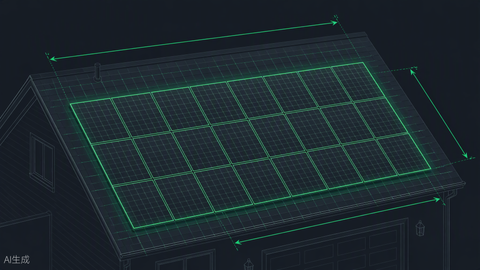
A 1000W solar panel usually requires about 2 to 4 square meters of space. Allow extra room for mounting hardware and airflow underneath.
- Measure total panel length and width.
- Add clearance for installation and maintenance.
- Check orientation and shading on the site.
A 1000W solar panel is a powerful energy source, but its size can vary. Several factors influence how big the panel actually is. Understanding these helps in choosing the right panel for your needs. Size depends on technology, materials, and design choices. Let’s explore these factors in detail.
Solar Cell Type and Efficiency
Solar cell type greatly affects panel size. There are three common types:
- Monocrystalline: Smallest size for the same wattage. High efficiency.
- Polycrystalline: Slightly larger, less efficient than monocrystalline.
- Thin-film: Largest size, lowest efficiency, but flexible.
Higher efficiency means more power in less space. A 1000W panel made with monocrystalline cells will be smaller than one with thin-film cells.
Panel Design and Layout
The design of the panel affects its size. Manufacturers arrange cells differently to optimize space.
- Cells can be arranged in series or parallel.
- Spacing between cells impacts overall dimensions.
- Protective layers and frames add to total size.
Panels with tight cell placement and slim frames are usually smaller.
Material Quality and Thickness
Higher quality materials often mean better performance and thinner panels.
- Thicker glass or backing increases size but adds durability.
- Thin but strong materials reduce size without losing strength.
Material choices balance size, cost, and longevity.
Manufacturing Standards and Brand
Different brands follow various standards, which can influence size.
Some brands focus on compact designs, while others prioritize durability.
This leads to size differences among 1000W panels from different makers.
|
Factor |
Impact on Size |
Example |
|
Solar Cell Type |
High efficiency = smaller panel |
Monocrystalline vs Thin-film |
|
Panel Design |
Tight layout reduces size |
Series cell arrangement |
|
Material Thickness |
Thicker materials increase size |
Glass thickness |
|
Brand Standards |
Different design choices |
Compact vs durable |
Understanding the size of a 1000W solar panel helps when comparing it with lower wattage panels. Size affects where panels fit and how much energy they produce. Lower wattage panels are smaller but need more space for the same power. This section explains the size differences and what they mean for your solar setup.
Size Differences Between 1000w And Lower Wattage Panels
A 1000W solar panel is significantly larger than lower wattage options. For example, a typical 100W panel measures about 3 feet by 1.5 feet. A 1000W panel can be roughly ten times that size.
|
Panel Wattage |
Approximate Size (feet) |
Area (sq. ft.) |
|
100W |
3 x 1.5 |
4.5 |
|
300W |
5.4 x 3.3 |
17.8 |
|
500W |
6.5 x 3.3 |
21.5 |
|
1000W |
9.8 x 3.3 |
32.3 |
Notice how the 1000W panel covers much more space. This affects installation choices and roof space availability.
Energy Output Vs. Space Required
Lower wattage panels need more units to reach 1000W. For example, ten 100W panels create the same power as one 1000W panel.
- Ten 100W panels: Smaller per unit, more mounting hardware required.
- One 1000W panel: Larger single panel, fewer connections.
More panels mean more cables and possible energy loss. Fewer big panels simplify wiring but need bigger space.
Cost And Installation Considerations
Lower wattage panels often cost less each but add up when buying many. Installation time increases with more panels.
- More panels require more mounts and labor.
- Larger panels may need special racks or supports.
- Transporting large panels can be challenging.
Choosing between many smaller panels or fewer large ones depends on your space, budget, and installation skills.
Installing a 1000W solar panel requires careful planning of space. The size of the panel affects where it fits and how much room it needs. Understanding the installation space helps ensure the panel works well and gets enough sunlight.
What Are The Typical Dimensions Of A 1000w Solar Panel?
A 1000W solar panel is usually made by combining smaller panels or using large, high-efficiency cells. The size depends on the panel type and brand.
|
Panel Type |
Approximate Size (Length x Width) |
Area (Square Feet) |
|
Monocrystalline |
6.5 ft x 3.5 ft (78 in x 42 in) |
22.75 sq ft |
|
Polycrystalline |
6.5 ft x 3.5 ft (78 in x 42 in) |
22.75 sq ft |
|
Thin Film (Flexible) |
Varies, often larger area needed |
Up to 30 sq ft |
How Much Space Is Needed For Installation?
The panel’s size shows the physical space needed. Add extra space for mounting and maintenance.
- Panel footprint: About 20 to 25 square feet for 1000W.
- Clearance space: At least 1 foot around for airflow and access.
- Tilt and angle: Panels may need more space depending on roof slope.
Example: A 22 sq ft panel may need up to 30 sq ft total space.
Factors Affecting Installation Space
Several factors influence how much room the solar panel needs.
- Mounting style: Roof-mounted panels require different spacing than ground mounts.
- Shading: Avoid shadows by placing panels with enough distance from obstacles.
- Orientation: South-facing roofs maximize sunlight but may limit space.
- Local regulations: Some areas set minimum distances from edges or property lines.
Tips To Optimize Installation Space
Plan carefully to fit the panel without wasting space.
- Measure roof or ground area accurately before buying panels.
- Use high-efficiency panels to reduce size.
- Consider adjustable mounts to change tilt and improve sunlight exposure.
- Keep space clear of debris and plants to avoid shading.
A 1000W solar panel produces a lot of energy. Understanding its size and efficiency helps in planning your solar setup. Efficiency and space trade-offs show how panel power relates to the area it covers. Balancing these factors is key for the best solar system.
What Affects Solar Panel Efficiency?
Solar panel efficiency measures how well the panel converts sunlight into electricity. Higher efficiency means more power from less space. Factors that affect efficiency include:
- Type of solar cells (monocrystalline, polycrystalline, thin-film)
- Quality of materials used
- Panel temperature during operation
- Sunlight angle and intensity
Monocrystalline panels usually have the highest efficiency, often above 20%. Polycrystalline panels range from 15% to 17%. Thin-film panels are less efficient but cheaper.
Space Requirements For A 1000w Solar Panel
Space depends on panel efficiency and wattage. A 1000W solar system can be made from multiple smaller panels or fewer large panels. Typical sizes vary:
|
Panel Type |
Efficiency |
Area for 1000W |
|
Monocrystalline |
20% - 22% |
4.5 - 5.5 m² |
|
Polycrystalline |
15% - 17% |
6 - 7 m² |
|
Thin-film |
10% - 12% |
8 - 10 m² |
Higher efficiency panels take less space but cost more. Lower efficiency panels need more area but are cheaper.
Balancing Efficiency And Space
Choosing the right panel depends on available roof or ground space and budget. Small spaces benefit from high-efficiency panels. Larger areas can use less efficient panels without space limits.
- Measure your installation area.
- Check panel efficiency ratings.
- Calculate how many panels fit in your space.
- Compare costs of different panel types.
Consider panel size and efficiency to avoid wasting space or overspending.

How Large Is A 1000w Solar Panel In Size?
A 1000W solar panel usually measures about 6 to 7 feet long and 3 to 4 feet wide.
How Much Space Does A 1000w Solar Panel Need?
It needs roughly 18 to 28 square feet of space to fit properly.
Can A 1000w Solar Panel Fit On A Small Rooftop?
Yes, it can fit, but you need enough flat space without obstructions.
A 1000W solar panel is quite large but fits most rooftops. It usually measures about 6 to 7 feet long and 3 to 4 feet wide. This size helps it produce enough power for many home needs. Knowing the panel’s size helps plan your solar setup better.
Space and placement matter for good sunlight capture. Understanding these details makes choosing solar panels easier and smarter.
Related Resources:
- Best Solar Panels 2026 — Buyer's Guide
- EG4 vs Tesla Powerwall
- Qcells vs Trina vs JA
- Solar Inverter Buyer's Guide
- Solar Battery Buyer's Guide
- 5kW Solar Kit
- 10kW Solar + Battery Kit
- Off-Grid Cabin Kit
- EG4 Batteries
- Qcells Solar Panels
- Trina Solar
- JA Solar
- REC Solar
- Mission Solar
- Sol-Ark Inverters
- SolarEdge Inverters
- Generac PWRcell
Calculate how much storage you need with our battery sizing calculator.
Use our free solar system calculator to size your array.
Check out our Solar Panel Comparison Tool. Check out our Inverter Sizing Calculator.
Calculate your solar payback and 25-year savings with our Solar ROI Calculator. Follow our complete DIY solar installation guide for step-by-step instructions. Keep your system running at peak performance with our Solar Maintenance Guide.
Related Resources
- Solar System Calculator
- Battery Sizing Calculator
- Solar Panel Comparison Tool
- Inverter Sizing Calculator
- Solar ROI Calculator
- Solar Installation Guide
- Solar Maintenance Guide
- Solar Permitting Guide
- Battery Installation Guide
- NEC Code Compliance Guide
- Solar Panel Mounting Guide
- Grounding & Bonding Guide
- Solar Incentives by State
- Pro Account — Wholesale Pricing
- PowerLink Network — Contractor Program
What size wire do I need?
Wire sizing follows NEC Table 310.16 based on ampacity. A 20A circuit needs 12 AWG copper, a 30A circuit needs 10 AWG, and a 50A circuit needs 6 AWG.
Do I need a permit for electrical work?
Most electrical work requires a permit. Check with your local AHJ (Authority Having Jurisdiction). PES Supply provides spec sheets for permit submittals.
What is the NEC 125% rule?
NEC 210.19(A)(1) requires continuous loads (3+ hours) to be sized at 125% of the rated load. A 16A continuous load needs a 20A breaker (16 x 1.25 = 20A).
PES Supply carries 80,000+ products from 300+ manufacturers. One PO, one invoice, every trade covered.
Need help sizing? Our team can calculate loads, select equipment, and source everything from one PO.
Call (502) 790-0600
Field note from Portland: We installed a 1 kW array last month on a shed in Beaverton using two 550W Jinko panels. Total footprint was 42 square feet — the homeowner was shocked how little space it took. We paired it with a 30A MPPT and a 200Ah LiFePO4 battery. Now his shed powers tools, lights, and a small fridge off-grid.
Real talk on 1000W systems: I've sized hundreds of these for cabins and RVs. The mistake people make is buying a 1000W inverter for 1000W of panels. You need 1,200W minimum because panels rarely hit rated output — 800W actual on a good day is normal in the Pacific Northwest. Size for reality, not specs on paper.
What we see in the warehouse: Our most popular 1 kW kits move two 550W panels, a 50A MPPT, and 10 AWG PV wire by the pallet. Contractors love the simplicity — no complex string sizing, just plug and play.
Shop 1000W Solar Components
- 500W Solar Panels — highest wattage for smallest footprint
- 400W Solar Panels — residential standard, great value
- 550W Solar Panels — utility-grade efficiency
- MPPT Charge Controllers — 30A to 100A for any battery voltage
- Solar Inverters — pure sine wave, 1 kW to 12 kW
- LiFePO4 Batteries — 100Ah to 400Ah for 24/7 power
- Complete Solar Kits — panels, controller, inverter, battery in one box
- Racking & Mounting — rails, clamps, flashing for any roof type