Updated September 2026 — content reviewed and refreshed by the PES team. For current pricing and availability, see the linked product pages or request a quote.
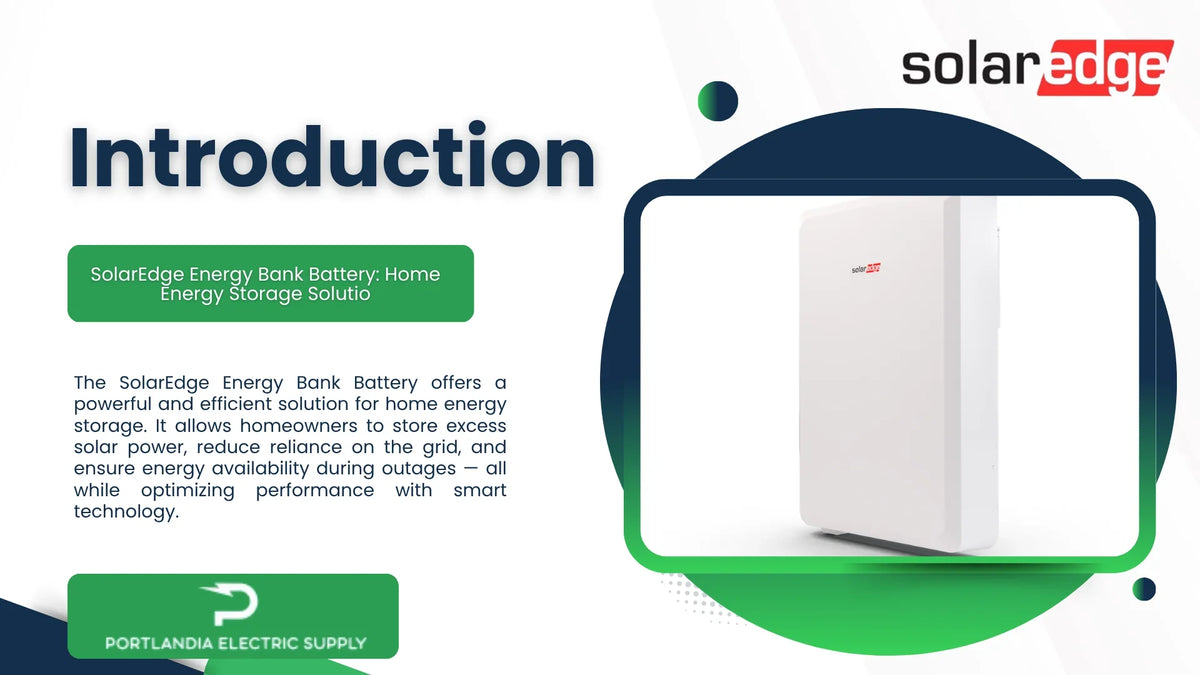
SolarEdge Energy Bank Battery: Home Energy Storage Solution
In the rapidly evolving landscape of renewable energy, the SolarEdge Energy Bank Battery emerges as a transformative home energy storage solution. Designed to complement solar power systems, this innovative battery technology offers homeowners enhanced energy independence and resilience. By harnessing solar energy efficiently, the SolarEdge Energy Bank Battery provides a reliable backup power source, minimizing reliance on the grid while optimizing energy usage throughout the year.
Introduction to Energy Banks
What is an Energy Bank?
An energy bank, such as the SolarEdge Energy Bank Battery, is a sophisticated energy storage solution that uses lithium-ion technology to store solar energy for later use. This type of energy bank offers several advantages:
- Faster installation process
- Increased design flexibility
The SolarEdge Energy Bank Battery integrates seamlessly into residential solar systems, allowing homeowners to capture and utilize stored energy more effectively during peak demand or outages.
Importance of Energy Storage
Energy storage plays a crucial role in achieving energy independence and reducing grid reliance. The SolarEdge Energy Bank Battery is engineered to enhance energy autonomy by providing reliable backup power. Homeowners can experience significant savings by investing in this battery system, which ensures continuous power supply during outages and reduces energy costs by maximizing solar energy consumption.
Overview of SolarEdge Energy Solutions
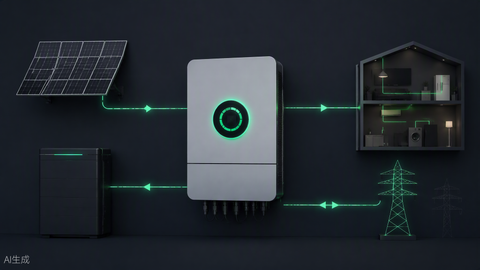
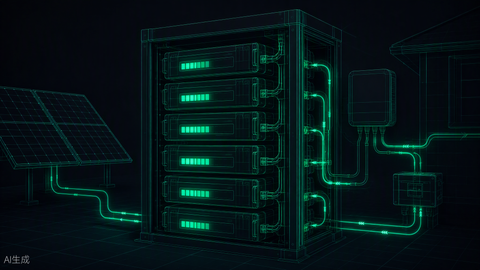
The SolarEdge Energy Bank Battery, specifically the BAT-10K1PS0B-02 model, is part of a comprehensive residential energy solution. Utilizing unique DC-coupled technology, this battery optimizes solar usage by requiring only one power conversion, compared to the three conversions needed with traditional AC-coupled systems. Here are some key features:
- Protected by a single breaker, minimizing the need for costly main panel upgrades.
- Offers convenient monitoring through the mySolarEdge app.
With a 9.7 kWh usable capacity, this energy bank integrates seamlessly with SolarEdge Energy Hub inverters, enhancing backup power capabilities and providing a single point of contact for warranty and support.
Features of SolarEdge Energy Bank Battery
Battery Specifications and Usable Capacity
The SolarEdge Energy Bank Battery, specifically the model BAT-10K1PS0B-02, offers a usable capacity of 9.7 kWh. This lithium-ion solar battery is designed to hold and release energy efficiently, providing up to 5 kW of power output. The Energy Bank’s capacity is tailored to meet the needs of homeowners looking for a reliable energy storage solution. By offering this single size, SolarEdge ensures a consistent and robust option for those integrating it into their solar power systems, enabling them to leverage stored energy effectively during peak demands or outages.
SolarEdge Energy Bank Battery Technology
At the heart of the SolarEdge Energy Bank is innovative Li-ion NMC technology, which strikes a balance between energy density, lifespan, and safety. The battery's DC-coupled design enhances solar utilization by requiring only one conversion of energy, thus optimizing efficiency. This design makes the installation process simpler as the system integrates directly with solar panels. Additionally, the adaptive power boost feature of the Energy Bank delivers more power than the on-grid inverter AC rating during outages, ensuring essential home devices remain operational. The Backup Interface intelligently manages power distribution, disconnecting from the grid during outages and determining the electrical loads powered by the battery.
Wall or Floor Mount Options
The SolarEdge BAT-10K1PS0B-02 Energy Bank Battery is versatile in its installation, offering both wall and floor mount options. This flexibility allows homeowners to choose the installation method that best suits their space, whether indoors or outdoors. The straightforward installation process is enhanced by the wall mount option, making it easier for homeowners to incorporate the Energy Bank into their existing solar setups, ensuring optimal energy storage and usage.
Performance and Efficiency
Energy Output in kWh
The SolarEdge Energy Bank Battery provides a continuous power output of 5 kW and can reach a peak power output of 7.5 kW for short bursts. With a capacity of 9.7 kWh, it effectively supports essential home electrical loads, ensuring devices remain powered during outages. Its round-trip efficiency of 94.5% minimizes energy loss, making it a highly efficient component of a home energy storage solution. The Energy Bank integrates seamlessly with SolarEdge residential offerings, backed by a 10-year warranty, and enhances energy independence by maximizing solar energy usage.
Comparison with Other Home Batteries
While the SolarEdge Energy Bank Battery is well-suited for basic home energy demands, homeowners with larger energy needs or those seeking complete home backup might consider multiple Energy Banks. The peak power output becomes crucial when appliances are powering on, as they typically require a surge of power. In comparison to other home batteries, the Energy Bank offers competitive performance with its efficient power output and energy storage capabilities, making it a smart choice for those looking to enhance their solar power systems without compromising on efficiency.
Impact on Energy Independence
The SolarEdge Energy Bank Battery plays a significant role in achieving energy independence by reducing reliance on the grid. Its efficient storage and release of solar power not only provide financial savings but also enhance overall system efficiency. Homeowners can enjoy sustained power supply even during grid outages, making the Energy Bank a convenient addition to any solar setup. The Home Network Card facilitates wireless communication, simplifying installation and allowing for up to three batteries to be connected to one inverter. This adaptability ensures that the Energy Bank can meet the evolving energy needs of modern homes.
Cost Analysis
Battery Cost Overview
The cost of the SolarEdge Energy Bank Battery is a key consideration for homeowners interested in maximizing their solar energy systems. This lithium-ion solar battery, with its 9.7 kWh usable capacity, offers a competitive price point in the market, making it an attractive option for those seeking efficient energy storage solutions.
| Item | Cost |
|---|---|
| Battery | $7,248.00 |
| Total Installation | $10,000 - $20,000 |
The overall expense can fluctuate based on specific installation requirements and regional factors, but it typically hovers around $12,000 for a comprehensive system setup.
Return on Investment
Investing in a SolarEdge Energy Bank Battery can provide substantial long-term savings and a favorable return on investment. By harnessing stored solar energy, homeowners can significantly reduce their electricity bills and achieve greater energy independence. To assess the potential savings accurately, it is advisable to consult with a solar installer or utilize a solar calculator. These tools can provide detailed insights into the financial benefits and payback period associated with the Energy Bank Battery, helping homeowners make informed decisions regarding their investment in solar energy storage.
Long-term Savings with SolarEdge Energy Bank
The SolarEdge Energy Bank Battery, with its 9.7 kWh capacity, is designed to power essential household electrical loads for up to 45 hours during outages. Delivering 5 kW of power, it supports critical devices such as lights, refrigerators, WiFi routers, laptops, and TVs, ensuring continuous operation during grid interruptions. The battery's robust design is complemented by a 10-year warranty, which covers unlimited cycles and guarantees 70% capacity retention. This assurance provides homeowners with confidence in their investment, as the Energy Bank Battery retains its value and functionality over time, ultimately contributing to long-term savings and enhanced energy security.
SolarEdge Energy Bank Review
User Experiences and Feedback
Users of the SolarEdge Energy Bank Battery have reported positive experiences, particularly appreciating the convenience and control offered by the mySolarEdge app. Compatible with various smart devices, the app allows homeowners to monitor and manage their battery power output and charging capabilities of connected electric vehicles and gadgets effortlessly. This level of control enhances user satisfaction, as it empowers them to optimize their energy usage and maximize the benefits of their solar energy systems. The seamless integration of technology and user-friendly features makes the SolarEdge Energy Bank a favored choice among homeowners seeking reliable energy storage solutions.
Pros and Cons of SolarEdge Energy Bank Battery
The SolarEdge Energy Bank Battery is praised for its energy independence, efficiency, and scalability. Its user-friendly interface facilitates a smooth installation process, making it accessible even to those with limited technical knowledge. Despite its advantages, potential buyers should consult solar panel installation experts or Solaredge representatives to ensure optimal setup and service requirements. While the battery offers superior system effectiveness and excellent value, some users have noted concerns that warrant consideration before purchase. These factors highlight the importance of conducting thorough research and consultation to fully understand the product's benefits and limitations within the context of individual energy needs.
Final Thoughts on the SolarEdge Energy Bank
The SolarEdge Energy Bank Battery stands out as a reliable backup power solution for homeowners seeking to enhance their energy independence. Supported by a reputable brand, it seamlessly integrates with solar energy systems, providing a thoughtful combination of innovation, reliability, and adaptability. By reducing grid reliance and promoting financial savings, the SolarEdge Energy Bank Battery proves to be an intelligent investment for energy-conscious homeowners. Partnering with trusted providers like Solar Power Nation ensures access to premium quality products and services, further solidifying the SolarEdge Energy Bank's position as a leading choice in the realm of solar solutions.
Calculate how much storage you need with our battery sizing calculator.
Use our free solar system calculator to size your array.
Check out our Solar Panel Comparison Tool. Check out our Inverter Sizing Calculator.
Calculate your solar payback and 25-year savings with our Solar ROI Calculator. Follow our complete DIY solar installation guide for step-by-step instructions. Keep your system running at peak performance with our Solar Maintenance Guide.
Related Products


Related Resources
- Solar System Calculator
- Battery Sizing Calculator
- Solar Panel Comparison Tool
- Inverter Sizing Calculator
- Solar ROI Calculator
- Solar Installation Guide
- Solar Maintenance Guide
- Solar Permitting Guide
- Battery Installation Guide
- NEC Code Compliance Guide
- Solar Panel Mounting Guide
- Grounding & Bonding Guide
- Solar Incentives by State
- Pro Account — Wholesale Pricing
- PowerLink Network — Contractor Program
Frequently Asked Questions
How long do solar batteries last?
Most lithium-ion solar batteries last 10-15 years or 6,000+ cycles. The 20-80% charging rule extends battery life significantly.
What size battery do I need?
Battery sizing depends on your backup power needs. A typical home needs 10-15kWh of storage for overnight backup. Calculate your critical loads first.
Are batteries BABA-compliant?
PES Supply provides BABA documentation for qualifying products. Contact us for specific compliance documentation.
Shop Related Products
PES Supply carries 80,000+ products from 300+ manufacturers. One PO, one invoice, every trade covered.
Need help sizing? Our team can calculate loads, select equipment, and source everything from one PO.
Call (502) 790-0600
Inside the DC-Coupled Advantage
The defining engineering choice behind the Energy Bank is where it sits in the power path. In an AC-coupled retrofit, solar energy is converted from DC to AC at the string inverter, then back to DC by the battery's own inverter to charge, then back to AC again when the home draws from the pack. Each conversion costs efficiency — modern power electronics are excellent, but no conversion is free. A DC-coupled pack charges straight off the DC bus, removing one entire round-trip. Over a 10-year, 6,000-cycle life at 9 kWh of daily throughput, a three-point round-trip efficiency advantage preserves roughly 1,600 kWh that an AC-coupled architecture would have burned as heat.
The second advantage is operational rather than electrical. Because the battery, the inverter, and the module-level optimizers all live in one ecosystem, commissioning, firmware, and monitoring run through a single platform. I've commissioned mixed-vendor systems where the solar app and the battery app disagreed about the state of charge by eight percentage points, and the customer reasonably asked which one was lying. Single-ecosystem systems do not produce that phone call.
Backup Runtime: The Math Every Homeowner Should Do
Backup runtime is honest arithmetic: usable capacity divided by average load. The table below shows how a roughly 10 kWh-class battery performs against realistic load profiles, assuming 90 percent of nameplate capacity is actually usable in backup mode after reserve settings.
| Backup Load Profile | Average Draw | Runtime on ~9.7 kWh Usable | What It Covers |
|---|---|---|---|
| Critical loads only | 0.4 kW | ~24 hours | Refrigerator, lights, internet, phone charging, a few outlets |
| Critical loads + efficient heating/cooling fan | 0.9 kW | ~10.8 hours | Above plus furnace blower or mini-split on low |
| Partial home, disciplined use | 1.5 kW | ~6.5 hours | Above plus microwave, TV, home office |
| Whole home, unmanaged | 3.0 kW | ~3.2 hours | Typical evening load without load management |
| Whole home + central AC start | 5.0+ kW peak | <2 hours, if the inverter can start it at all | Why load management exists |
The daylight qualification changes everything below the first row: with the array refilling the pack through an outage, a battery that looks like a 6.5-hour asset becomes a multi-day asset. That is the real product being sold — not hours of storage, but indefinite runtime paired with sunshine. We size backup panels around this logic: the critical-loads row is the design target, and everything above it is a lifestyle upgrade that should be priced as one.
Sizing Wire and Overcurrent Protection for the Battery Circuit
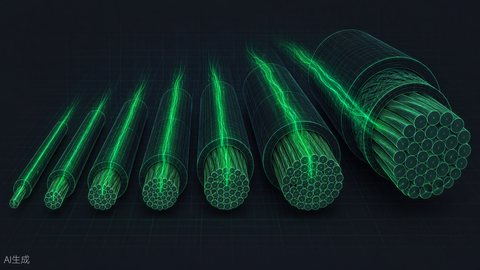
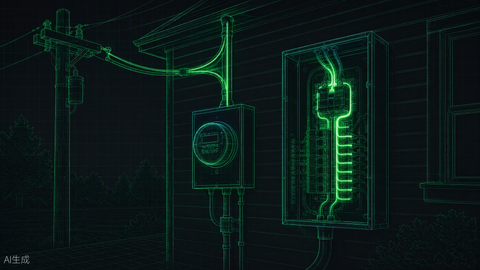
High-voltage battery circuits live under NEC Article 706 for energy storage and the general wiring rules of Articles 240 and 310. A battery inverter delivering 7.6 kW continuous on a 240 V circuit draws about 31.7 A; treated as continuous, conductors and protection size at 125 percent, or 39.6 A, which lands on 8 AWG copper at 75°C with a 40 A breaker. The standard ampacity and breaker tables below cover the residential battery and inverter range.
| Copper Conductor (THHN/THWN-2) | Ampacity at 75°C (NEC 310.16) | Max Continuous Load (÷1.25) | Matching Standard Breaker (NEC 240.6) |
|---|---|---|---|
| 12 AWG | 25 A | 20 A | 20 A |
| 10 AWG | 35 A | 28 A | 30 A |
| 8 AWG | 50 A | 40 A | 40 A |
| 6 AWG | 65 A | 52 A | 60 A |
| 4 AWG | 85 A | 68 A | 70 A |
| 3 AWG | 100 A | 80 A | 80 A |
| 2 AWG | 115 A | 92 A | 100 A |
| 1/0 AWG | 150 A | 120 A | 125 A |
The 120 percent rule in NEC 705.12 is the other number that bites battery retrofits: the sum of the main breaker plus 125 percent of inverter output current cannot exceed 120 percent of the panel's busbar rating. On a 200 A panel with a 200 A main, that allows 40 A of combined solar-plus-storage backfeed — enough for one hybrid inverter, tight for two. Panel bus ratings decide more battery projects than battery specs do, and a bus upgrade quote surprises fewer customers when it arrives before the battery does.
Cycle-Life Economics of a Daily-Dispatched Pack
The financial case for a 10 kWh-class battery is a throughput story. Cycled daily at 9 kWh of effective throughput against a $0.30/kWh peak-to-off-peak spread, the pack generates about $2.70 of gross value per day, or roughly $985 per year at 365 cycles — call it $900 after round-trip losses and realistic downtime. Over a 10-year warranted life that is on the order of $9,000 of arbitrage value, before resilience value, before demand-charge management, before any virtual power plant revenue. Compare that to the backup-only profile: 25 outage events a year at 9 kWh each is 225 kWh of annual throughput, whose bill value barely registers, which is why backup-only buyers should evaluate the purchase as insurance and daily-cycling buyers as an investment.
| Dispatch Strategy | Annual Throughput | 10-Year Throughput | Value at $0.30/kWh Spread (net of ~6% loss) | Character of the Purchase |
|---|---|---|---|---|
| Daily TOU arbitrage | 3,285 kWh | 32,850 kWh | ~$9,260 | Investment with a payback |
| Self-consumption (NEM 3.0 style) | 2,555 kWh | 25,550 kWh | ~$7,200 | Investment; depends on export rate gap |
| Weekday-only arbitrage | 2,340 kWh | 23,400 kWh | ~$6,600 | Investment, slightly softer |
| Backup-only | 225 kWh | 2,250 kWh | ~$635 | Insurance, priced accordingly |
These are the tables we walk through in our own quotes. I quoted a Portland customer last spring whose spread was $0.31 and whose evening load reliably absorbed the full pack; the arbitrage row was hers. Another customer on a flat $0.13 rate with no time-of-use option got the backup-only row and our honest recommendation to buy a smaller pack or none at all. The right answer changes with the tariff sheet, and any salesperson who skips that step is selling inventory, not solutions.
Where the Energy Bank Fits a System Design
Pulling the threads together: the Energy Bank makes the most sense as the storage layer of a new or existing SolarEdge ecosystem, sized from the load side at roughly one pack per 8 to 12 kWh of overnight consumption, backed by an array large enough to refill it daily — about 2.6 kW of dedicated charging capacity per pack in a 4.5 peak-sun-hour region — and wired to the conductor and busbar limits above. Specified that way, it is a 10-to-16-year asset that pays its way on the rate schedule and stands ready on the outage calendar. Specified as an afterthought, it is an expensive ornament. The difference is entirely in the homework, and the homework is exactly what this article's tables are for.
Related Guides and Equipment
Start your sizing with the battery sizing calculator, then compare ecosystems: the EG4 versus Tesla Powerwall breakdown, the LG RESU 10H Prime, and the Powerwall 2 are the reference points most customers ask about alongside the SolarEdge lineup. For the wiring rules behind the tables above, see our NEC wire sizing guide and the disconnect and overcurrent protection guide. Charging behavior matters as much as capacity, so read the 20-80 battery rule, and for off-grid-scale math the off-grid battery sizing guide goes deeper. Browse everything in the batteries and energy storage collection.
Frequently Asked Questions
What is the SolarEdge Energy Bank?
The SolarEdge Energy Bank is the company's high-voltage residential battery, designed to pair with SolarEdge Home Hub and HD-Wave hybrid inverters in a DC-coupled architecture. It sits in the roughly 10 kWh-per-battery class and can be stacked with additional units for larger storage capacity. Because it charges directly from the DC bus, it avoids one AC conversion stage that AC-coupled retrofit batteries require.
How many Energy Bank batteries can be stacked together?
SolarEdge's design allows multiple batteries per inverter, with the exact supported count set by the inverter model and firmware generation. Systems are commonly configured with one to three packs for residential backup and self-consumption. Always confirm the stacking limit against the current installation manual for your specific inverter before finalizing a design.
Can the Energy Bank be retrofitted to an existing solar system?
It retrofits cleanly onto existing SolarEdge systems, since the battery is engineered for the same inverter platform and monitoring ecosystem. Homes with non-SolarEdge inverters would generally need an inverter replacement or a different AC-coupled battery, which is a conversation worth having with your installer before purchase.
How long will a 10 kWh battery run my house during an outage?
Runtime equals usable capacity divided by your average backup load. A 10 kWh pack running a 500 W critical-load panel — refrigerator, lights, internet, a few outlets — lasts about 20 hours. The same pack against a 2 kW average load lasts about 5 hours. Solar recharging during daylight extends both figures indefinitely on clear days.
What warranty does a home battery like the Energy Bank carry?
High-voltage home batteries in this class, SolarEdge's included, are typically warranted for 10 years with a guaranteed minimum retained capacity — commonly 70 percent — and a cycle or throughput allowance. The specific numbers live in the warranty document for your production run, and the throughput terms matter as much as the year count if you plan to cycle daily.
Is the Energy Bank eligible for the federal tax credit?
Residential battery storage of 3 kWh or more has qualified for the federal clean energy credit under current law, including retrofits installed without new solar. Credit percentages follow a statutory schedule that has been amended before, so verify the rate for your installation year with a tax professional rather than relying on a blog post, this one included.