Choose the Right Generator for Your Home: Generator Buying Guide for Outages
In the face of increasing power outages, having a reliable backup power solution is crucial for homeowners. Whether you're home or away, a generator can ensure that your essential appliances and systems continue to function seamlessly. This guide will help you navigate the complexities of generator options, ensuring you can choose the best generator for your home. From understanding the various types of generators to making informed decisions about fuel sources and installation, this article covers everything you need to keep your home powered during an outage.
Understanding Generators
What is a Generator?
A generator is a device that converts mechanical energy into electrical energy, providing backup power during a power outage. These machines are designed to keep your home or specific appliances running when the primary power supply is interrupted. Generators offer a range of power solutions, from small units suitable for powering a few essential devices to whole-house generators that provide electricity to your entire home. Understanding the different types of generators and their capabilities is key to selecting the right generator for your needs.
Types of Generators
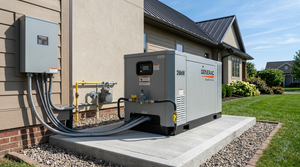
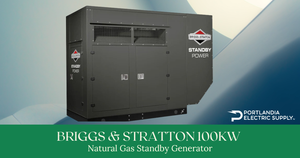
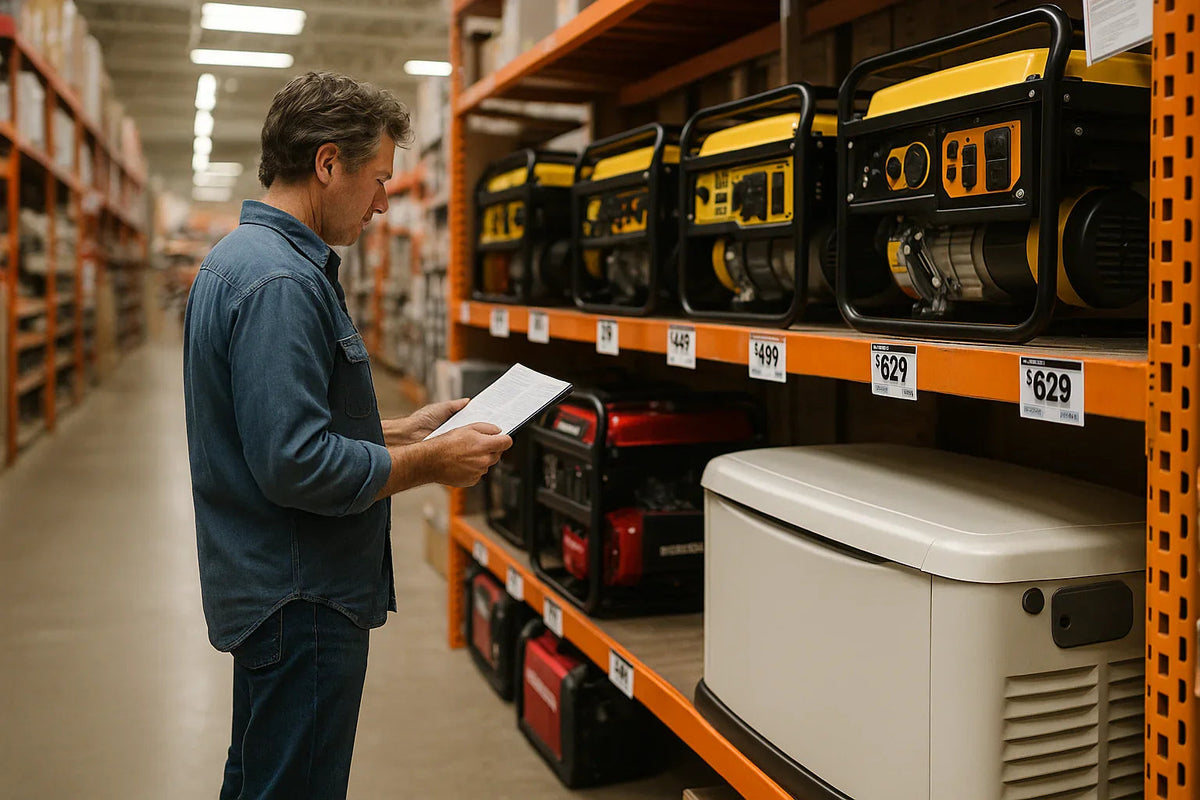
Homeowners looking to protect their homes from power outages typically choose between two main types of generators: portable and standby generators. Portable generators are smaller, mobile units that are less costly and require manual setup and operation during outages. They usually run on gasoline, propane, or diesel fuel and offer limited power suitable for essential appliances and devices. On the other hand, standby generators are permanently installed outside the home and provide a higher power output. Standby generators are designed to automatically engage within seconds of detecting a power outage, offering seamless transition and reliable performance. These are often connected to the home’s natural gas or propane supply, ensuring a continuous fuel source and eliminating the need for refueling.
Choosing the Right Generator for Your Home
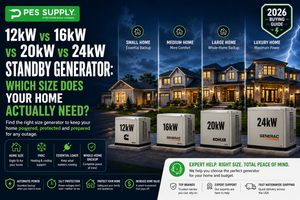
When choosing the right generator for your home, several factors need to be considered. Generators are available in a wide range of sizes, typically measured in watts or kilowatts. It is recommended to select a generator that provides more power than the minimum required to accommodate potential power surges and additional appliances.
| Factor | Details |
|---|---|
| Power Requirements | Consider the total wattage needed, including potential surges. |
| Fuel Source Options | Standby generators often use natural gas or propane. Portable generators may use gasoline, propane, or diesel. |
| Noise Levels & Placement | Consider local regulations and guidelines for placement to minimize disruption. |
Standby generators are often connected to a home’s natural gas or propane lines, offering a continuous fuel supply and higher power output. Each fuel source has its advantages and limitations, and the choice may depend on availability, cost, and personal preference. Homeowners should also consider local regulations and neighborhood guidelines when determining the placement of a generator to ensure compliance and minimize disruption.
Home Backup Power Solutions
Benefits of Whole-Home Generators
Whole-home generators, often referred to as standby generators, provide numerous advantages that make them the gold standard in backup power solutions. These systems are permanently installed and directly wired into a home’s electrical system, ensuring seamless and automatic operation. When a power outage occurs, a standby generator activates within seconds, providing uninterrupted power to essential appliances like refrigerators, air conditioners, and sump pumps. This swift response minimizes disruption to daily life, ensuring comfort and security. Moreover, whole-home generators play a vital role in maintaining critical systems, such as medical equipment and home security devices, enhancing the household's safety and well-being. Additionally, having a standby generator can increase the property's resale value, signaling to potential buyers that the home is well-equipped to handle emergencies.
Portable vs. Standby Generators
For homeowners considering backup power options, the decision often comes down to portable versus standby generators. While portable generators offer a quick and flexible solution, they require manual start-up and frequent refueling, which can be cumbersome during extended outages. In contrast, standby generators are celebrated for their automatic operation and ability to provide consistent power without manual intervention. Although they require a higher initial investment, standby generators offer superior reliability and performance, continuously supplying power to the home for prolonged periods. These units are professionally installed outside the home with weatherproof housing for reduced noise levels, ensuring minimal disturbance. While portable generators are more budget-friendly and location-flexible, they pose risks such as carbon monoxide poisoning if not used properly.
Battery Backup Options
In addition to traditional generators, battery backup systems such as the Tesla Powerwall or LGES 10H and 16H Prime offer an environmentally friendly alternative by storing energy from your home solar system or the electrical grid. These systems are especially beneficial for homes with solar panels, as they store excess electricity generated during the day for use during outages or at night. Battery backups can also help reduce energy costs under a time-of-use utility plan, making them a cost-effective solution over the long term. Modern solar batteries are sleek and wall-mounted, integrating seamlessly with existing solar arrays. While they require an initial investment, solar battery systems provide increased energy independence and can significantly lower energy costs by allowing homes to utilize clean, renewable power even when the grid is down.
Preparing Your Home for Power Outages
Assessing Your Power Needs
Understanding your home's power needs is a crucial initial step in choosing the right generator for your home, as it ensures that you select a unit capable of supporting essential appliances and systems when the power goes out. The size of the backup generator should be carefully determined based on the power required to keep your home running smoothly during an outage. It's advisable to select a generator that offers more power than the minimum requirement, as this allows for potential power surges and the addition of extra appliances if needed.
Installing a Home Standby Generator
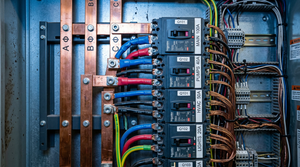
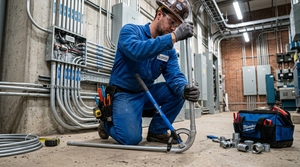
The installation of a home standby generator is a critical aspect of ensuring reliable backup power. Typically, the generator installation process takes about 1 to 2 days, though this can vary depending on the complexity of the site and setup. It's highly recommended to have the generator installed by trained professionals to ensure it complies with local building codes and the manufacturer's guidelines. One key component of a backup power system is the automatic transfer switch, which seamlessly transfers the electrical load to the generator during a power outage, ensuring uninterrupted power supply.
Maintenance and Safety Tips
Regular maintenance and safety practices are vital to the optimal performance of your home backup generator. Keeping the area around the generator free from debris such as leaves, twigs, and shrubs ensures proper air intake and exhaust, which are essential for the generator's operation. This not only aids in efficient functioning but also protects nearby plants from potential damage caused by exhaust gases. Routine checks and following manufacturer-recommended maintenance schedules can significantly extend the lifespan of your generator, providing reliable backup power when you need it most.
Choosing the Best Backup Generator
Features to Consider
When deciding on the best home backup generator, it is essential to consider features that emphasize both performance and reliability. Standby generators are generally recommended for those who prioritize seamless operation during outages. Planning for generator installation by certified professionals is crucial, as it includes integrating an automatic transfer switch for smooth transitions. This consideration ensures that when the power supply is interrupted, the generator may activate automatically, providing backup power and keeping your home running without a hitch.
Best Generators for Your Home
In selecting the best generator for home use, homeowners should evaluate various brands and models based on their power output, reliability, and fuel source compatibility. Standby generators that connect to natural gas or propane lines are particularly advantageous, as they offer continuous power without the need for frequent refueling. Choosing a generator that aligns with your household's specific requirements ensures optimal performance and long-term satisfaction, making it a worthwhile investment for protecting your home against power outages.
Cost Considerations
When considering a whole-home standby generator, evaluating the financial implications is crucial, from the initial purchase to installation and maintenance costs. The initial investment varies based on the generator's capacity, brand, and features. Installation expenses are a significant component of the total cost, and homeowners should take these into account when assessing the overall investment in a residential standby generator. It's essential to weigh both the upfront and ongoing costs to make an informed decision that aligns with your budget and power needs.
Calculate how much storage you need with our battery sizing calculator.
Check solar incentives available in your state.
Use our free solar system calculator to size your array.
Check out our Solar Panel Comparison Tool. Check out our Inverter Sizing Calculator.
Calculate your solar payback and 25-year savings with our Solar ROI Calculator. Follow our complete DIY solar installation guide for step-by-step instructions. Keep your system running at peak performance with our Solar Maintenance Guide.
Related Products

Generac Powerpact 7.5Kw Home Backup Air-Cooled Gas Engine Generator in Steel Enclosure - G006998-1
View
Briggs and Stratton 040684 PP10 PowerProtect Vanguard Engine NG/LPV 10kW Home Standby Generator
ViewRelated Resources
- Solar System Calculator
- Battery Sizing Calculator
- Solar Panel Comparison Tool
- Inverter Sizing Calculator
- Solar ROI Calculator
- Solar Installation Guide
- Solar Maintenance Guide
- Solar Permitting Guide
- Battery Installation Guide
- NEC Code Compliance Guide
- Solar Panel Mounting Guide
- Grounding & Bonding Guide
- Solar Incentives by State
- Pro Account — Wholesale Pricing
- PowerLink Network — Contractor Program