Portable Generator vs Whole-House Generator: Main Differences
Choosing the right generator is crucial for ensuring reliable backup power during an outage. With different types of generators available, each offering distinct advantages, understanding their features and capabilities is key to making an informed decision. This article will explore the differences between portable and whole-house generators, helping homeowners determine which type best suits their power needs and budget.
Understanding Generator Types
What is a Portable Generator?
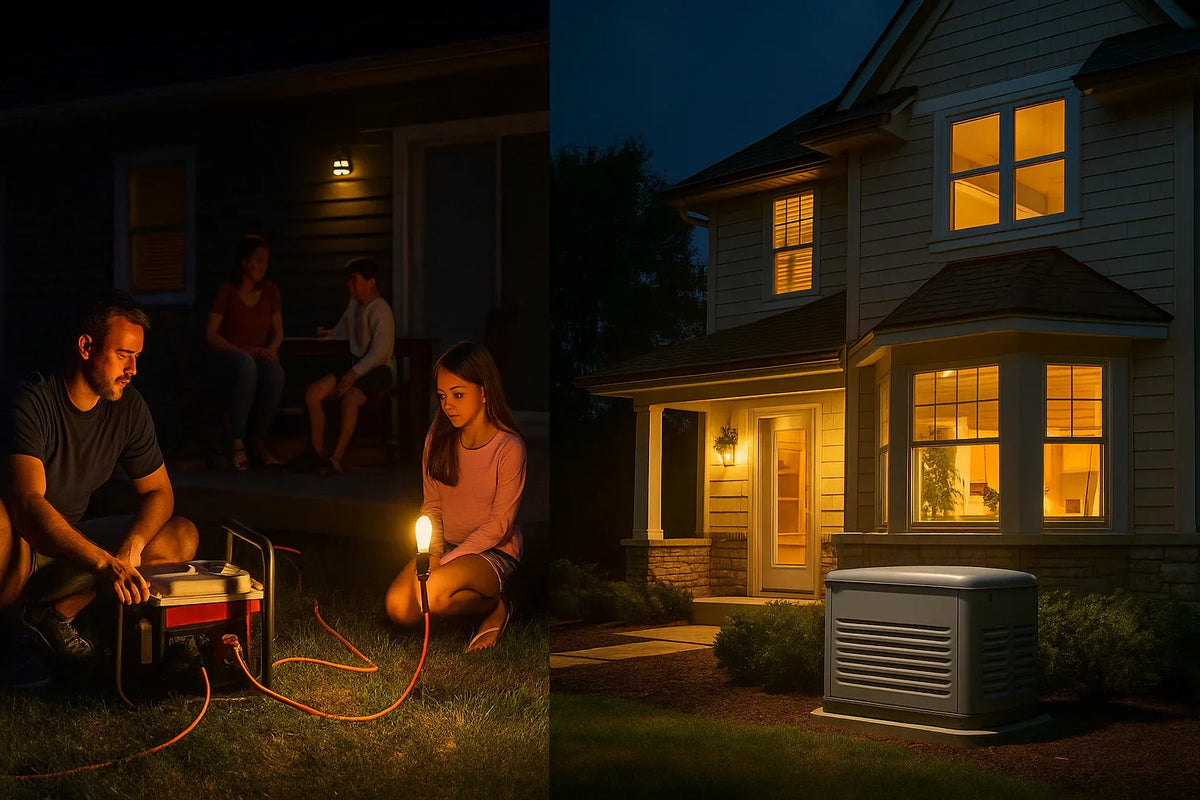
Portable generators are versatile, gasoline-powered apparatuses designed to deliver temporary power during emergencies. They come in three main types:
| Type | Description |
|---|---|
| Classic Portable Generators | Run on gasoline, propane, or diesel; capable of powering 2-3 rooms and are easily movable thanks to wheels or handles. |
| Inverter Generators | Adjust their motor speed based on demand, offering more efficiency. |
| Portable Power Stations | Use rechargeable batteries to power small appliances. |
Typically, portable generators require manual setup and connection to extension cords to supply power to specific areas or appliances.
What is a Whole-House Generator?
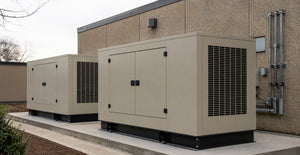
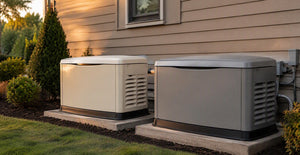
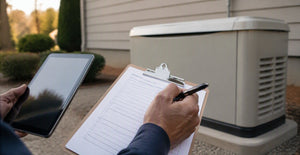
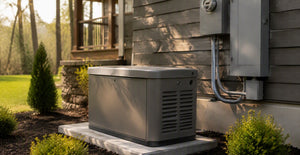
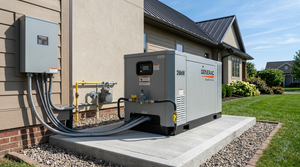
Whole-house generators, also known as standby generators or home standby generators, provide seamless power to an entire home during a power outage. Permanently installed outside your home, these generators run on natural gas or propane and remain on standby until needed. When a power outage occurs, an automatic transfer switch activates, directing electricity throughout the home. Unlike portable units, whole-house generators are wired directly into the home's electrical system and start automatically, ensuring continuous power to all appliances and devices without any manual intervention. These generators offer the convenience of uninterrupted backup power but come at a higher cost due to installation and equipment expenses.
Differences Between Portable and Whole-House Generators
The most significant difference between portable and whole-house generators lies in their capacity and convenience. Portable generators are suitable for powering specific appliances or smaller areas, making them more affordable and accessible for homeowners on a budget. However, they require manual operation and setup with extension cords. In contrast, whole-house generators are designed to power your entire home, including HVAC systems and air conditioning, automatically providing backup power when the grid fails. Although more expensive, they offer unparalleled convenience. The choice between a portable and whole-house generator depends on individual power needs, budget, and desired level of automation.
Evaluating Your Power Needs
Assessing Power Requirements for Your Home
Understanding your home's power requirements is the first step in selecting the right generator. Each appliance in your home has a specific wattage, indicative of the electricity needed to operate them. It's essential to calculate the cumulative running watts of all your appliances, including the highest starting watt requirement, often from systems like HVAC. Consulting a fully-qualified generator installer can streamline this process, ensuring you choose a generator that aligns with your specific power needs.
| Considerations | Details |
|---|---|
| Daily Routine & Indispensable Appliances | Consider your daily routine and indispensable appliances to determine the circuits to count and watt ratings to check. |
| Frequency of Power Outages | Evaluate the frequency of power outages in locations such as Massachusetts to determine the desired duration for backup power. |
Choosing the Right Generator for Your Power Needs
Selecting the best home generator relies heavily on understanding your unique power requirements. The right generator should seamlessly cater to your household's demands, whether it's a portable generator for sporadic use or a whole house generator for comprehensive coverage. Evaluating your energy consumption patterns will guide you to a generator that balances efficiency with capability. A portable generator may suffice for occasional use, but for those seeking uninterrupted power during outages, a whole house generator, permanently installed outside your home, becomes indispensable. Prioritize assessing the scope of power needed to make an informed decision.
Generator Size Considerations
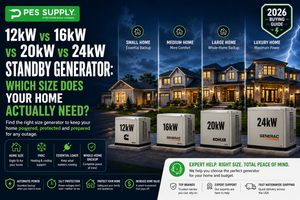
The size of the generator you choose is vital in ensuring it meets your power needs. Experts suggest that an average American home might require a generator with a capacity ranging from 7,500 to 10,000 watts to maintain normal operations.
| Scenario | Requirement |
|---|---|
| 2,000-watt HVAC unit | 8kW generator to accommodate start-up power needs |
| Homes around 2,500 square feet | Home standby generator investment of $20,000 to $25,000 |
This investment ensures that all appliances, big and small, continue to function seamlessly during an outage.
Generator Installation and Maintenance
Installing a Standby Generator
Installation of a home standby generator necessitates professional expertise. These generators are installed outside your home, ideally positioned between the electric and gas meters to minimize pipe lengths. To ensure safety, they must be situated at least five feet from windows or doors and 18 inches from side walls. A gravel pad is typically constructed to support the generator adequately. The installation process begins with an assessment of your home's power needs, followed by selecting an appropriately sized generator. Only a fully-qualified and accredited installer should handle this task to guarantee a safe and efficient setup.
Maintaining Your Portable Generator
Regular maintenance is crucial for the reliable operation of portable generators. While maintaining these units is generally simpler than whole house generators, it still requires routine checks and tasks such as oil changes and filter replacements. It's essential to keep the generator clean and properly fueled to ensure optimal performance. Homeowners must be prepared to handle these maintenance tasks or schedule regular professional check-ups to prevent unexpected failures during critical times.
Safety Tips for Generator Installation
Safety is paramount when it comes to generator installation and use. Always choose generators equipped with a warranty and ensure that only compatible devices with suitable plugs are used. Portable generators must be operated outside, at least 20 feet from any windows or doors, with the exhaust directed away from the home to prevent carbon monoxide accumulation. Use only the extension cords provided by the generator’s supplier and avoid overloading them. Ensure that ground fault circuit interrupters (GFCIs) are used to enhance safety, and keep the generator dry. Never operate a generator indoors, avoid smoking nearby, and handle fuel carefully to prevent ignition. Collaborating with a reputable contractor ensures a safe and effective installation of your whole house generator, tailored to your specific home and power needs.
Backup Power Solutions
Advantages of a Backup Generator
Installing a backup generator before it becomes a necessity ensures that your home is always prepared for unexpected outages. For those who are self-reliant and depend on continuous power, such as individuals using electrical medical equipment, having an alternative power source is crucial. Backup generators offer uninterrupted power when the grid fails, maintaining safety and comfort in your home. In an era where power outages are more frequent, a standby generator is a vital investment for reliable backup power, ensuring your essential appliances remain operational.
Portable vs Whole-House for Outages
When considering portable vs whole-house generators, it's important to understand their distinct advantages. Home standby generators, often run on natural gas or propane, provide longer-lasting and more reliable power during outages, whereas a portable generator may require frequent refueling with gasoline. The right generator choice depends on your specific power needs. Portable generators are ideal for short-term use and are easily movable, but whole-house generators are designed to power your entire home automatically, including handling critical power spikes. Assessing your power needs will guide you in choosing between these generator types.
Using Generators for HVAC and Air Conditioning Needs
A robust home generator is essential for maintaining comfort during power outages, especially in hot climates. Whole-house generators are capable of powering HVAC systems, including central air conditioning units that may require between 1,000 to 5,000 watts to operate. While some power-hungry appliances may need more powerful outlets, home standby generators are designed to handle substantial power demands, keeping the lights, heat, and Wi-Fi running. These generators ensure that even during stormy or hot seasons, your air conditioning remains operational, preventing disruption to your daily routine.
Cost Considerations
Initial Costs of Portable vs Whole-House Generators
The cost of generators varies significantly between portable and whole-house options. Portable generators in the United States can range from $600 to well over $2,500, depending on power output and features, while some high-end models exceed $7,000. Whole-house generators, on the other hand, typically involve higher initial costs, with installation prices ranging from $10,000 to $20,000 or more. This investment includes the generator, installation, and potentially additional electrical work to ensure seamless operation. Evaluating your budget and understanding the cost implications is crucial when choosing the right generator.
Long-Term Cost of Ownership
While whole-house generators may require a larger initial investment, they often offer greater fuel efficiency and lower ongoing maintenance costs compared to portable units. Designed for continuous and reliable operation, whole-house generators reduce the need for frequent refueling and servicing. Conversely, portable generators may incur additional costs due to more frequent maintenance and refueling, especially during prolonged power outages. Homeowners should weigh these factors when assessing the long-term cost of ownership for each type of generator.
Value of Investing in a Standby Generator
Investing in a standby generator can significantly enhance the value of your home. Similar to essential home appliances like a central HVAC unit, a generator is a permanent fixture that adds functionality and security. For savvy homeowners and professional generator installers, the initial cost is often justified by the protection it offers to your home and lifestyle. A well-installed generator safeguards your home against power disruptions, preserving your investment and ensuring your daily routine remains unaffected by power outages.
Calculate how much storage you need with our battery sizing calculator.
Check solar incentives available in your state.
Check out our Inverter Sizing Calculator.
Calculate your solar payback and 25-year savings with our Solar ROI Calculator. Follow our complete DIY solar installation guide for step-by-step instructions. Keep your system running at peak performance with our Solar Maintenance Guide.
Related Products


Related Resources
- Solar System Calculator
- Battery Sizing Calculator
- Solar Panel Comparison Tool
- Inverter Sizing Calculator
- Solar ROI Calculator
- Solar Installation Guide
- Solar Maintenance Guide
- Solar Permitting Guide
- Battery Installation Guide
- NEC Code Compliance Guide
- Solar Panel Mounting Guide
- Grounding & Bonding Guide
- Solar Incentives by State
- Pro Account — Wholesale Pricing
- PowerLink Network — Contractor Program
Frequently Asked Questions
What size generator do I need for my home?
A typical whole-home generator is 22-26kW. Size based on your essential loads (AC, refrigerator, well pump, lights). A 26kW Generac runs two AC units plus standard household loads.
What is the difference between LP and NG generators?
LP (propane) generators produce more power than NG (natural gas) models. A 26kW Generac outputs 26kW on LP vs 24kW on NG.
Do you install generators?
PES Supply is a distributor, not an installer. We can connect you with a qualified installer through our PowerLink contractor network.
Shop Related Products
PES Supply carries 80,000+ products from 300+ manufacturers. One PO, one invoice, every trade covered.
Need help sizing? Our team can calculate loads, select equipment, and source everything from one PO.
Call (502) 790-0600