Last Updated: April 2026 • Aligned with NEC Load Calculation Standards and IEA Global Energy Outlook
Everything on a power bill comes back to one line of math: Power (W) × Time (h) ÷ 1,000 = Energy (kWh). We’ve run this calc on kitchen remodels, walk-in freezers, and 7.2 kW EV chargers, and it’s the same formula every time. This guide works through it — the units, real scenarios, the monitoring tools worth buying, and how to turn the numbers into a lower bill or a correctly sized system.
⚡ Quick Answer
The Core Formula:
Power (W) × Time (hours) ÷ 1,000 = Energy (kWh)
Find the wattage on the nameplate, estimate the daily runtime honestly, multiply, and divide by 1,000. That’s kilowatt-hours (kWh) — the unit the utility bills. For installers and developers, the same formula drives breaker sizing, solar array design, battery selection, and the ROI math in every proposal.
Key Takeaways
- Watts are the instantaneous draw — the “speed.” kWh is the total energy over time — the “distance.” The utility bills distance. >
- W × hours ÷ 1,000 = kWh works for an LED bulb, a walk-in freezer, or a megawatt-scale plant. Same math, more zeros. >
- You can’t size an array, a battery, or a generator without real consumption numbers. Guessing is how systems underperform on day one. >
- Moving EV charging and other big loads to off-peak hours can cut their cost in half — no hardware, just timing. >
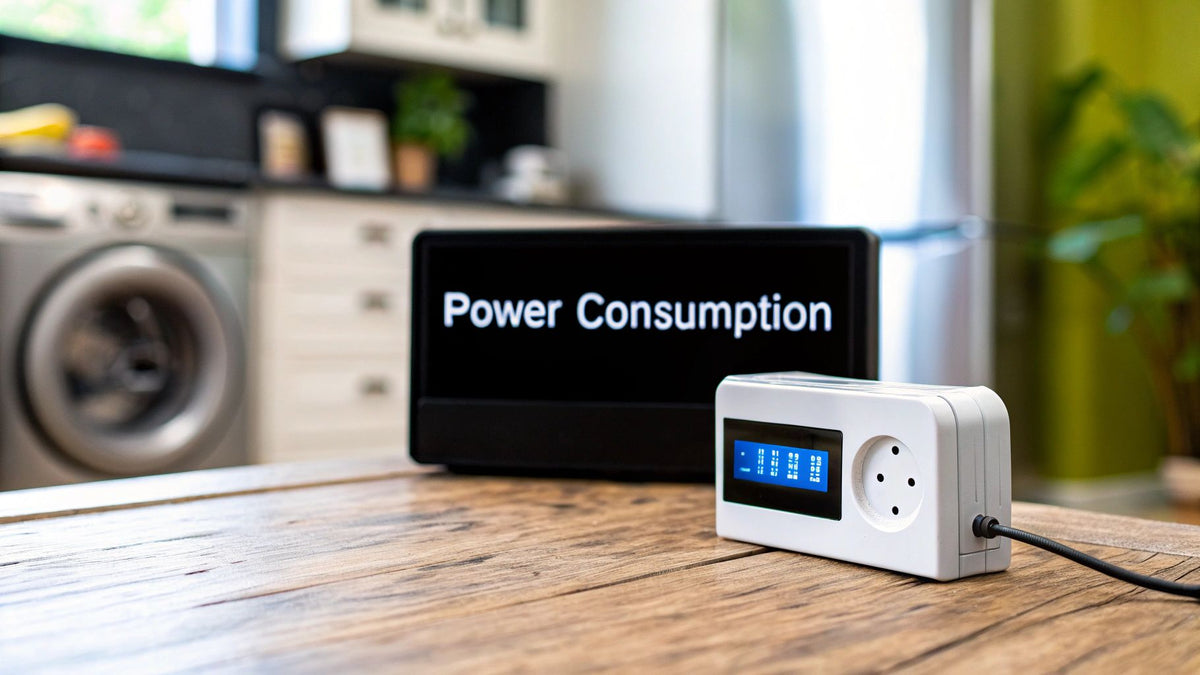
- Standby draws — TVs, chargers, office gear — quietly add 5–10% to a monthly bill. A $30 plug-in monitor finds them in a day. >
- Big facilities pay for their peak kW spike on top of total kWh — managing that spike is real money every single month. >
- FranklinWH and BYD storage, solar inverters, EV chargers, and complete electrical kits — in stock, compliant, delivered fast.
In This Guide
Decoding Your Energy Use: Watts, kW, and kWh
Before you can manage energy costs, you have to speak the units. Watts, kilowatts (kW), and kilowatt-hours (kWh) drive every project decision from a home backup battery to a commercial microgrid. Mixing them up is how budgets get blown.
The Three Units Every Energy Professional Must Know
- The rate of energy use at a given moment. A 1,000W microwave pulls exactly that while it runs. Think of it as your energy “speed.” >
- Just 1,000 watts rolled into one unit — handier for HVAC systems, EV chargers, and industrial equipment. 7.2 kW = 7,200 W. >
- The “distance,” not the speed. A 1 kW device running for 3 hours uses 3 kWh. This is the number on the bill.
A residential bill charges for total energy over the billing period (kWh) — not your peak draw. Large commercial accounts are different: they pay separate demand charges for exactly that. Once the distinction clicks, you can forecast project costs and see where the savings actually are.
Why This Calculation Matters Now
Load calculation matters more every year — global electricity consumption is projected to reach 29,000 terawatt-hours (TWh) by 2026. For professionals the stakes are concrete: you cannot correctly size a commercial solar array, a battery system from FranklinWH or BYD, or a standby generator without honest load numbers. It’s an NEC compliance requirement and the foundation of any ROI figure you put in a proposal. The same concepts feed transformer and generator sizing — see our guide on converting kVA to kW for a deeper dive.

Calculating Energy Use For Any Appliance
Theory’s nice. Here’s the part you use: find the wattage, estimate the runtime, run the math. Same three steps whether you’re a facility manager hunting cost drivers or an installer doing a client load analysis.
① Find device wattage (W) on the nameplate or compliance label
↓
② If watts not listed: Volts (V) × Amps (A) = Watts (W)
↓
③ Estimate realistic daily runtime in hours
↓
④ Daily kWh = (Watts × Hours per day) ÷ 1,000
↓
⑤ Monthly kWh = Daily kWh × 30
↓
⑥ Monthly Cost = Monthly kWh × Your Utility Rate ($/kWh)
↓
⑦ Sum all devices for total facility or home load
If Watts Are Not Listed on the Label
Voltage (V) × Amperage (A) = Watts (W)
A device rated for 120V at 2.5A pulls 300W. A 240V appliance at 20A draws 4,800W (4.8 kW). Two seconds of math.
Common Appliance Wattage and Estimated Monthly Cost
Reference numbers at a national-average rate of $0.17 per kWh. Your rates and runtimes will vary — treat these as ballparks, not gospel.
| Appliance | Wattage (W) | Hours/Day | Monthly kWh | Monthly Cost (@$0.17) |
|---|---|---|---|---|
| LED Light Bulb | 10 W | 8 hrs | 2.4 kWh | $0.41 |
| Laptop | 65 W | 8 hrs | 15.6 kWh | $2.65 |
| Refrigerator | 200 W | 8 hrs (cycling) | 48 kWh | $8.16 |
| Desktop Computer | 250 W | 8 hrs | 60 kWh | $10.20 |
| Coffee Maker | 1,200 W | 1 hr | 36 kWh | $6.12 |
| Space Heater | 1,500 W | 4 hrs | 180 kWh | $30.60 |
| Level 2 EV Charger | 7,200 W | 4 hrs | 864 kWh | $146.88 |
| Commercial Freezer | 3,000 W | 24 hrs | 2,160 kWh | $367.20 |
Estimates only. Your actual usage, equipment efficiency, and utility rates will vary.

Real-World Calculation Scenarios
Three scenarios we see constantly — one commercial, one residential, one straight off the panel schedule.
Example 1: Commercial Walk-In Freezer
A restaurant facility manager needs to budget for a new walk-in rated at 3,000 watts, running 24 hours/day.
(3,000 W × 24 hrs) ÷ 1,000 = 72 kWh/day → 2,160 kWh/month → $367/month
Example 2: Home Level 2 EV Charger
An installer is quoting a Level 2 EV charger at 7,200 watts (7.2 kW). The homeowner plugs in for 4 hours nightly.
(7,200 W × 4 hrs) ÷ 1,000 = 28.8 kWh per charging session → $4.90/night → ~$147/month
Example 3: Sizing a Circuit for a Server Rack
A contractor wiring a server closet totals 4,800 watts of equipment on a 240V circuit. What size breaker does it need?
4,800 W ÷ 240 V = 20A → requires a 25A breaker (NEC 125% continuous load rule)
The W × hours ÷ 1,000 formula is ground zero for electrical planning — it sets breaker sizes, wire gauges, and whether an off-grid system is even feasible. To run kWh values back into current requirements, see our guide on converting kilowatt-hours to amps.
Choosing the Right Tools for Power Monitoring
Hand math gives you a baseline. For real answers — especially on loads that cycle — you measure. These are the tools, from $30 to utility-grade.
| Tool | Best For | What It Measures | Approximate Cost |
|---|---|---|---|
| Plug-In Energy Monitor (Kill A Watt) | Homeowners / single appliances | W, kWh, volts, amps — one device at a time | $25–$50 |
| Whole-Building Monitor (Emporia, Sense) | Homeowners / small facilities | Real-time whole-home kW and kWh via panel-mounted sensors | $150–$350 |
| Smart Inverter Monitoring (SolarEdge, Enphase) | Solar installers / EPCs | Generation vs. consumption, self-consumption rate, battery SOC | Included with inverter |
| Advanced Metering Infrastructure (AMI) | Commercial / industrial / utility | 15-minute interval kWh, peak demand (kW), power quality | Utility-provided |
Critical Note: The Energy (kWh) = Power (kW) × Time (h) method is the same math the grid runs on. AMI smart meters now cover over 50% of U.S. and EU households, and utilities use that interval data to forecast demand — same formula, bigger scale.
For off-grid solar design, measured consumption isn’t optional. It sets inverter capacity, module count, and kWh of battery storage. For the complete framework, see our guide on designing an off-grid solar system.
Connecting Kilowatt-Hours to Real-World Costs
Consumption is half the story — the other half is what each kWh costs you. That number is on your bill, but it’s rarely one flat rate. Know your rate structure before you promise anyone savings.
Decoding Your Utility Rate Structure
Three Rate Structures — Know Which One You're On
- The per-kWh price climbs as consumption crosses thresholds. The first “block” of energy is cheapest; heavy users pay more per unit. >
- The price changes by time of day — peak hours (say 4–9 PM) cost the most, overnight off-peak is cheapest. Shift loads, save money, starting this month. >
- Large facilities pay for their single highest power spike (kW) in the billing period on top of total kWh — often 30–50% of a commercial bill. An EMS shaves those peaks automatically.
💡 The Billing Formula
Total kWh × Cost per kWh = Total Electricity Cost
Putting Rate Knowledge Into Action: TOU Savings Example
A commercial kitchen runs an appliance at 1,500 watts for eight hours daily. The utility uses TOU pricing: $0.25/kWh peak and $0.12/kWh off-peak. Daily energy use is fixed at 12 kWh — but when it runs decides what it costs.

Same appliance, same kWh — run it off-peak and the monthly cost drops from $90 to $43.20. Over 50% saved with zero capital. The same move works for EV charging, industrial batch processes, and any other big load that doesn’t care what time it runs.
Using Consumption Data to Lower Your Energy Footprint
Once you can measure consumption, you can cut it. The data points straight at the biggest opportunities — for a homeowner or a utility-scale developer.
Start with the “energy vampires” — standby draws running around the clock. A plug-in meter quantifies them in a day. Then go after the hogs: if an aging freezer tops the list, an ENERGY STAR replacement has a clear payback period, and LED upgrades pay back fast. The average U.S. household burns about 10,500 kWh annually — fixing two or three high-draw appliances moves that number. For the bigger picture, the RFF Global Energy Outlook tracks where demand is heading.
Sizing Systems with Precision
For Installers: Your load analysis is the bill of materials. Inverter capacity, module count, and the kWh of FranklinWH or BYD storage all come off this number. Guess here and the whole job misses.
For Developers and EPCs: Commercial load profiles drive ROI modeling. Accurate consumption data lets you size for maximum return against TOU rates, demand charges, and whatever grid-services or IRA incentive revenue applies.
Building a Data-Driven Action Plan
- Hit the biggest consumers first — commercial freezers, HVAC, EV chargers. That’s where the fast paybacks live. >
- On TOU rates, move EV charging, industrial processes, and big appliance cycles to overnight off-peak hours. Immediate savings, zero capital. >
- Base every new solar, storage, or generator design on measured data — not square-footage estimates or rules of thumb. >
- Put a whole-building monitor in before any efficiency upgrade. No baseline, no proof of ROI. >
- At commercial scale, an Energy Management System (EMS) flattens demand peaks automatically and pays for itself in demand-charge savings.
How PES Supply Supports Your Project
From the first load analysis to the final purchase order, we stock the gear and know the math. Residential battery backup, commercial solar-plus-storage, multi-stall EV charging — project-scale procurement is what we do.
- FranklinWH, BYD, and other Tier 1 storage systems — sized to your actual load profile. >
- Grid-tied, off-grid, and hybrid configurations from manufacturers we trust on our own jobs. >
- UL-listed, ENERGY STAR certified, OCPP-compliant Level 2 and DC fast charge units. >
- Circuit breakers, wire, conduit, panels, disconnects, and GFCI devices — any system size. >
- Your whole BOM on one truck — one order, one invoice, one delivery. >
- Send the load calc and material list; get a full project quote back fast, so procurement never holds up the schedule.
Ready to Turn Your Load Calculations Into a Working System?
Off-grid residential, commercial battery backup, EV charging infrastructure — we’ve specced and shipped all of it. Certified equipment, bundled freight, delivered on time. Send us the numbers.
Request a Project Quote Shop Solar & Storage EquipmentCommon Questions About Calculating Power Consumption
Why is my actual bill higher than my kWh calculations?
Three usual suspects. (1) Taxes and utility fees — delivery charges, service fees, and local taxes pile 15–30% on top of the raw kWh cost. (2) Nameplate watts are the max draw — cycling gear like refrigerators averages well below peak. (3) Phantom loads — standby power adds 5–10% invisibly. A plug-in monitor left on a device for a full 24-hour cycle tells you the truth.
What is the difference between kW and kWh?
A kilowatt (kW) is instantaneous power — the rate. A kilowatt-hour (kWh) is total energy over time — the distance. Your utility bills kWh; commercial accounts also pay demand charges on their peak kW spike, often 30–50% of the bill.
How do I calculate consumption for my entire building?
Two ways. Bottom-up: calculate every major load and add them — labor-intensive, but it names the hogs. Top-down: read the main meter, wait 24 hours, read it again — the difference is your total. For continuous visibility, a whole-building monitor does it in real time.
How do I use consumption data to size a solar system?
Daily kWh (monthly ÷ 30), divided by your site’s average peak sun hours, gives the required array size in kW. Add 20–25% for losses, shading, and heat. For storage, multiply daily kWh by the days of autonomy you want. That’s the backbone of every honest solar proposal — our off-grid solar design guide walks the whole process.
What are demand charges and how do I manage them?
Demand charges hit the highest 15-minute kW spike in the billing period, separate from the kWh total. One big motor starting with the HVAC already running can set that peak and cost hundreds a month. Manage it by staggering large load startups, scheduling high-draw processes outside peak windows, and letting a battery EMS absorb the spikes.
How does a Time-of-Use (TOU) rate work in practice?
Peak hours — typically weekday afternoons, 3–8 PM — run $0.25–$0.40/kWh; overnight off-peak can be $0.08–$0.12. The same 12 kWh costs wildly different money depending on timing. Shift EV charging, HVAC pre-cooling, and batch processes to off-peak and 40–60% savings show up with no hardware changes at all.
How do I read a wattage label if watts aren't listed?
No watts on the label? Multiply volts by amps: V × A = W. A 120V device at 5A draws 600W; a 240V appliance at 20A draws 4,800W (4.8 kW). For three-phase equipment, W = V × A × 1.732 × PF — use 0.85 as a working power factor for typical industrial loads if the nameplate doesn’t say.
Related Guides
Kilowatt-Hours to Amps Converter- Translate kWh load data into breaker and wire sizing
- Size transformers and generators from load calculations
- Use consumption data to size arrays and battery storage
- From watts to the right breaker size
- Source solar, storage, EV charging, and electrical equipment
About PES Supply
PES Supply is a nationwide electrical and renewable energy distributor stocking Tier 1 solar modules, FranklinWH and BYD battery storage, solar inverters, standby generators, EV charging equipment, circuit breakers, wire, switchgear, and complete project material packages. With a catalog of 50,000+ SKUs across 169 authorized brands and nationwide LTL freight delivery from our Louisville, Kentucky supply house, PES Supply serves installers, developers, EPCs, and facility owners with fast delivery and knowledgeable project guidance.
Location: 1507 Portland Ave, Louisville, KY, United States | Phone: 1 888-876-0007 | Website: www.portlandiaelectric.supply
Article: How to Calculate Power Consumption: Watts, kWh, TOU Rates & Energy Optimization Guide
Category: Energy Management | Load Calculation | Solar Design | Installer Resources | Facility Management
Last Updated: April 2026 • Aligned with IEA Global Energy Outlook and NEC Load Calculation Standards
Disclaimer: This guide is for informational and educational purposes only. Utility rate structures, incentive programs, and NEC code requirements vary by jurisdiction and change over time. Always verify current rates with your utility provider and confirm code compliance with a licensed electrician or engineer before finalizing any system design.
Related Resources:
- Best Solar Panels 2026 — Buyer's Guide
- EG4 vs Tesla Powerwall
- Qcells vs Trina vs JA
- Solar Inverter Buyer's Guide
- Solar Battery Buyer's Guide
- 5kW Solar Kit
- 10kW Solar + Battery Kit
- Off-Grid Cabin Kit
- EG4 Batteries
- Qcells Solar Panels
- Trina Solar
- JA Solar
- REC Solar
- Mission Solar
- Sol-Ark Inverters
- SolarEdge Inverters
- Generac PWRcell
Calculate how much storage you need with our battery sizing calculator.
Check solar incentives available in your state.
Use our free solar system calculator to size your array.
Check out our Solar Panel Comparison Tool. Check out our Inverter Sizing Calculator.
Calculate your solar payback and 25-year savings with our Solar ROI Calculator. Follow our complete DIY solar installation guide for step-by-step instructions. Keep your system running at peak performance with our Solar Maintenance Guide.
Related Resources
- Solar System Calculator
- Battery Sizing Calculator
- Solar Panel Comparison Tool
- Inverter Sizing Calculator
- Solar ROI Calculator
- Solar Installation Guide
- Solar Maintenance Guide
- Solar Permitting Guide
- Battery Installation Guide
- NEC Code Compliance Guide
- Solar Panel Mounting Guide
- Grounding & Bonding Guide
- Solar Incentives by State
- Pro Account — Wholesale Pricing
- PowerLink Network — Contractor Program
Recommended Products


Related:
- Home Battery Bank Sizing Guide — turn your kWh consumption numbers into the right battery bank
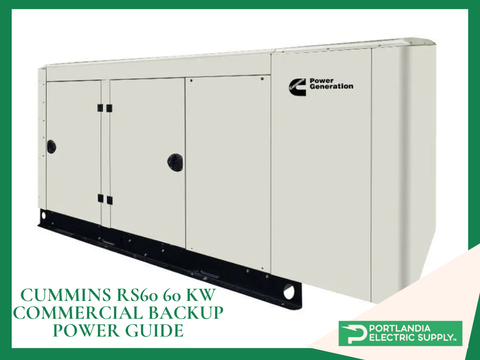
- Whole-Home Generator Sizing Guide — use your load calculation to pick the right generator size
- Standby Generators — units matched to your calculated whole-home consumption