Electrical Load Calculation: NEC 220 Demand Factors for Services & Feeders
Reading time: ~11 min read
📋 Key Takeaways
- Dwelling general load starts at 3 VA per square foot, plus 1,500 VA for each small-appliance circuit (minimum 2) and each laundry circuit (minimum 1).
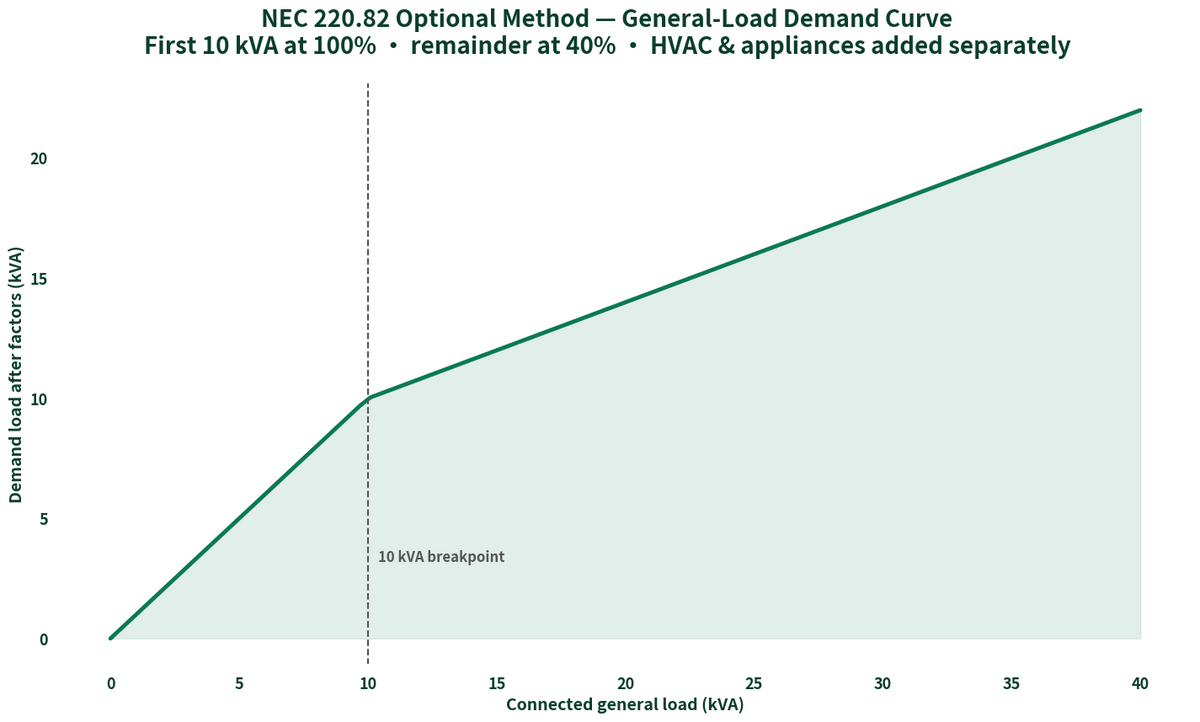
- The standard method (Table 220.42) takes the first 3,000 VA at 100% and the rest at 35%; the optional method (220.82) takes the first 10 kVA of the combined load at 100% and the rest at 40%.
- Under 220.82, appliances, range, and dryer go inside the demand envelope at nameplate; electric space heating counts at 65% of nameplate and air conditioning at 100% — use the larger.
- A 2,000 ft² home with a 12 kW range, 5 kW dryer, 4.5 kW water heater, and 10 kW electric heat calculates to about 105 A optional / 138 A standard — 125 A vs. 150 A service.
- The optional method only applies to single-phase 120/240 V or 208Y/120 V dwelling services and feeders of 100 A or more (220.82(A)).
Service sizing is where a residential job either passes plan review in one pass or bounces for a redesign. NEC Article 220 gives you two legal ways to calculate a dwelling's service and feeder load: the standard method in Part III, and the optional method in 220.82 that most residential electricians actually use because it's faster and usually lands on a smaller service. The calculator below runs the optional method end to end: enter the floor area, small-appliance and laundry circuits, and the nameplate kW of the range, dryer, other fixed appliances, and HVAC, and it returns the demand VA, the service amps at 240 V, and the recommended service size. Below the calculator: both methods explained, a side-by-side comparison, and a fully worked 2,000 ft² example.
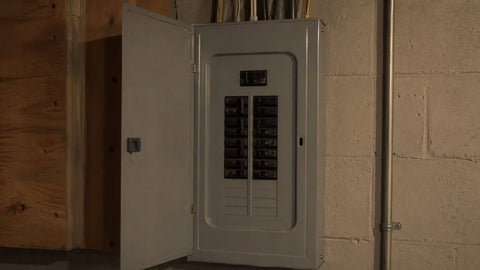
Need a load center, meter main, or service-entrance cable? Browse our electrical supplies collection — 50,000+ SKUs with trade pricing.
Service Load Calculator (NEC 220.82 Optional Method)
Connected general + appliance load: —
After 10 kVA / 40% demand: — · HVAC (larger, with 65% heat rule): —
Total demand: — · Service amps @ 240 V: —
Recommended service: —
Optional method per NEC 220.82: applies to one-family, two-family, and multifamily dwellings with 120/240 V or 208Y/120 V single-phase services of 100 A or more. At 208 V, divide total VA by 208 instead of 240. Verify against the current NEC, your AHJ, and utility service requirements.
The Two Legal Methods
Article 220 offers two paths to a dwelling service size, and both are code:
| Standard Method (Part III) | Optional Method (220.82) | |
|---|---|---|
| General lighting load | 3 VA/ft² + 1,500 VA per small-appliance circuit + 1,500 VA per laundry circuit | Same connected load |
| Demand on general load | First 3,000 VA @ 100%, remainder @ 35% (Table 220.42) | First 10 kVA of the combined general + appliance load @ 100%, remainder @ 40% |
| Appliances, range, dryer | Ranges per Table 220.55 (a 12 kW range = 8 kW); dryers @ 100% (min 5 kVA); 4+ fixed appliances @ 75% (220.53) | |
| Electric space heat | 100% of nameplate (220.51) | 65% of nameplate (220.82(C)) |
| Air conditioning | 100% (noncoincident with heat — larger only, 220.60) | 100% (larger of heat or AC) |
| Where it applies | Any dwelling service or feeder | Single-phase 120/240 V or 208Y/120 V dwelling services/feeders ≥ 100 A only |
The optional method wins on speed and, in most appliance-heavy homes, on the final number — folding the range and appliances into the 40% demand envelope instead of pricing them at Table 220.55 values, and discounting electric heat to 65%. The standard method still has its place: services under 100 A (accessory structures), three-phase dwellings, and any AHJ that simply wants the long form. When both are legal, run both and use the one that serves the design — many engineers submit the optional method and keep the standard as a fallback if plan review questions it.
Worked Example: 2,000 ft² All-Electric Home
The inputs: 2,000 ft², 2 small-appliance circuits, 1 laundry circuit, 12 kW range, 5 kW dryer, 4.5 kW water heater, 6 kW air conditioning, 10 kW electric space heat. The calculator above is preset to exactly this house.
Optional method (220.82)
- General lighting: 2,000 × 3 VA = 6,000 VA; small appliance: 2 × 1,500 = 3,000 VA; laundry: 1,500 VA → 10,500 VA
- Appliances at nameplate: 12,000 + 5,000 + 4,500 = 21,500 VA → combined load 32,000 VA
- Demand: first 10,000 @ 100% + 22,000 × 40% = 10,000 + 8,800 = 18,800 VA
- HVAC: heat 10,000 × 65% = 6,500 VA vs. AC 6,000 VA → larger = 6,500 VA
- Total: 18,800 + 6,500 = 25,300 VA ÷ 240 V = 105.4 A → 125 A service
Standard method (Part III)
- General load 10,500 VA → 3,000 @ 100% + 7,500 @ 35% = 3,000 + 2,625 = 5,625 VA
- Range 12 kW → Table 220.55 Column A: 8,000 VA
- Dryer 5 kW @ 100%: 5,000 VA (meets the 5 kVA minimum)
- Water heater @ 100%: 4,500 VA
- Electric heat @ 100% (larger than AC): 10,000 VA
- Total: 5,625 + 8,000 + 5,000 + 4,500 + 10,000 = 33,125 VA ÷ 240 V = 138 A → 150 A service
Same house, two code-legal answers: 125 A optional, 150 A standard. In practice most electricians spec the 200 A panel anyway — the material cost difference is small and EV chargers, hot tubs, and shop circuits are coming. But the calculation is what passes plan review and what justifies the service lateral, and it tells you whether that future EV circuit can legally ride on a 125 A service (usually not, once it's added at full load).
The Demand Factors Behind the Numbers
Demand factors exist because diversity is real: nobody runs every light, every burner, and the dryer at the same moment. The key ones for dwelling work:
- Table 220.42 (lighting): first 3,000 VA at 100%, 3,001–120,000 VA at 35% — the deep discount that makes the standard method competitive on general load.
- Table 220.55 (cooking equipment): one household range up to 12 kW counts as just 8 kW; two ranges count as 11 kW. Ranges over 12 kW add 5% per kW over 12 in Column A.
- Table 220.54 (dryers): 100% for up to four dryers, with a hard 5 kVA minimum per dryer.
- 220.53 (fixed appliances): four or more fastened-in-place appliances (water heater, dishwasher, disposal, trash compactor — not ranges, dryers, heat, or AC) demand at 75%.
- 220.60 (noncoincident loads): heat and AC never both count — take the larger.
- 220.82(C) (optional method HVAC): air conditioning 100%; electric space heating 65% (fewer than four separately controlled units), 40% for four or more units.
Common Mistakes That Fail Plan Review
- Forgetting the mandatory circuits: the code assumes 2 small-appliance and 1 laundry circuit exist whether or not you drew them. The calculator enforces the minimums.
- Using optional method on a 3-phase or sub-100 A service: it's single-phase, 100 A minimum, dwellings only.
- Counting both heat and AC: noncoincident — larger only. But a heat pump with electric strip backup can run both simultaneously; then both count.
- Ignoring 208 V services: in multifamily buildings with 208Y/120 V, divide by 208, not 240 — the same 25,300 VA house needs 121.6 A, which still lands on 125 A but eats the margin.
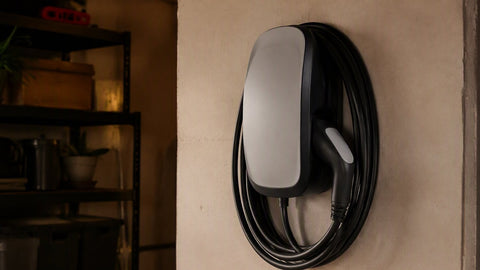
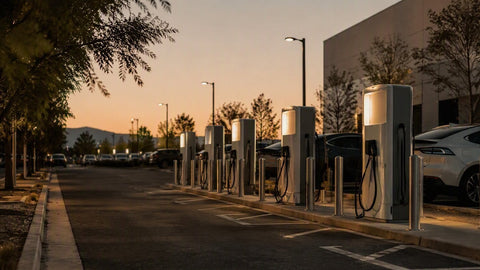
- EVSE amnesia: NEC 220.57 requires EV charging at 7,200 VA or nameplate, whichever is larger, added as a separate 100% load — it goes outside the 40% envelope in the optional method. A 48 A charger adds 11.5 kVA on its own.
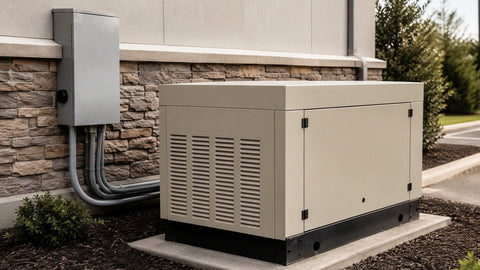
When the number is set, we can quote the whole service: load centers, meter mains, breakers, SER cable, and grounding hardware from our electrical supplies inventory. Backup power for the panel you just sized? Pair it with a unit from our generator collection and a correctly rated transfer switch.
Frequently Asked Questions
How do you calculate electrical service size for a house?
Under the NEC 220.82 optional method: total 3 VA per square foot plus 1,500 VA per small-appliance and laundry circuit, add the nameplate VA of the range, dryer, and fixed appliances, take the first 10 kVA at 100% and the rest at 40%, then add the larger of air conditioning (100%) or electric heat (65%). Divide by the service voltage — 240 V single-phase — to get service amps, and round up to the next standard service size.
What is the difference between the NEC standard and optional load calculation methods?
The standard method (Article 220 Part III) applies demand factors piecemeal: Table 220.42 for lighting, Table 220.55 for ranges, 75% for four or more appliances, and 100% for electric heat. The optional method (220.82) folds general load and appliances into one envelope (first 10 kVA at 100%, remainder at 40%) and discounts electric heat to 65%. The optional method is faster and usually yields a smaller service, but only applies to single-phase dwelling services of 100 A or more.
How many VA per square foot does the NEC use for dwellings?
Three VA per square foot for general lighting and general-use receptacles (NEC 220.12, Table 220.42), based on the outside dimensions of each floor — excluding open porches, garages, and unfinished spaces not adaptable for future use. Small-appliance and laundry circuits are added separately at 1,500 VA each.
Is a 100 amp service enough for a 2,000 square foot house?
For a gas-appliance home, usually yes — a 2,000 ft² house with gas heat, water heat, and cooking typically calculates to 60–80 A. For an all-electric home, no: the worked example above (electric range, dryer, water heater, and 10 kW electric heat) calculates to 105 A under the optional method and 138 A under the standard method, requiring at least a 125 A or 150 A service respectively.
How do EV chargers affect the service load calculation?
NEC 220.57 adds EV supply equipment at the larger of 7,200 VA or the charger nameplate, at 100% demand — no diversity discount. On the worked 2,000 ft² example, a single 7.7 kW (32 A) charger pushes the optional-method total from 105 A to about 138 A, turning a 125 A service into a 150 A one. Plan the service upgrade with the first EV circuit, not after it.
Need Load Centers, Meter Mains, or Service Gear?
PES Supply stocks panels, breakers, service-entrance cable, and grounding hardware from 169 authorized brands. Send your load calculation and we'll quote the complete service package.
Shop Electrical Supplies Contact Us for Bulk PricingRelated Resources
- Electrical supplies: load centers, breakers, and service gear
- Generators and transfer equipment
- Batteries and energy storage