Bluetti Buying Guide: AC180P vs AC200PL vs EP900
Reading time: ~9 min read
📋 Key Takeaways
- The AC180P (1,800W / 1,440Wh) is the value pick for essentials backup and camping — 0–80% charge in 45 minutes, LiFePO4 cells, and light enough to carry one-handed.
- The AC200PL (2,400W / 2,304Wh) is the expandable workhorse — it accepts B210P, B230 and B300 expansion batteries up to 8,448Wh and takes 1,200W of solar.
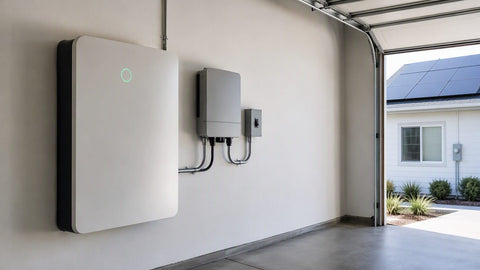
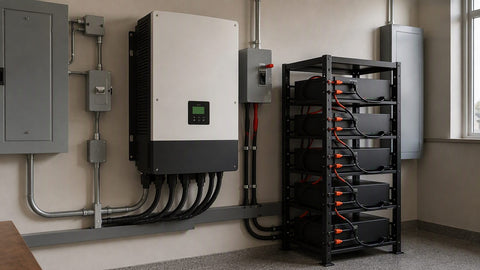
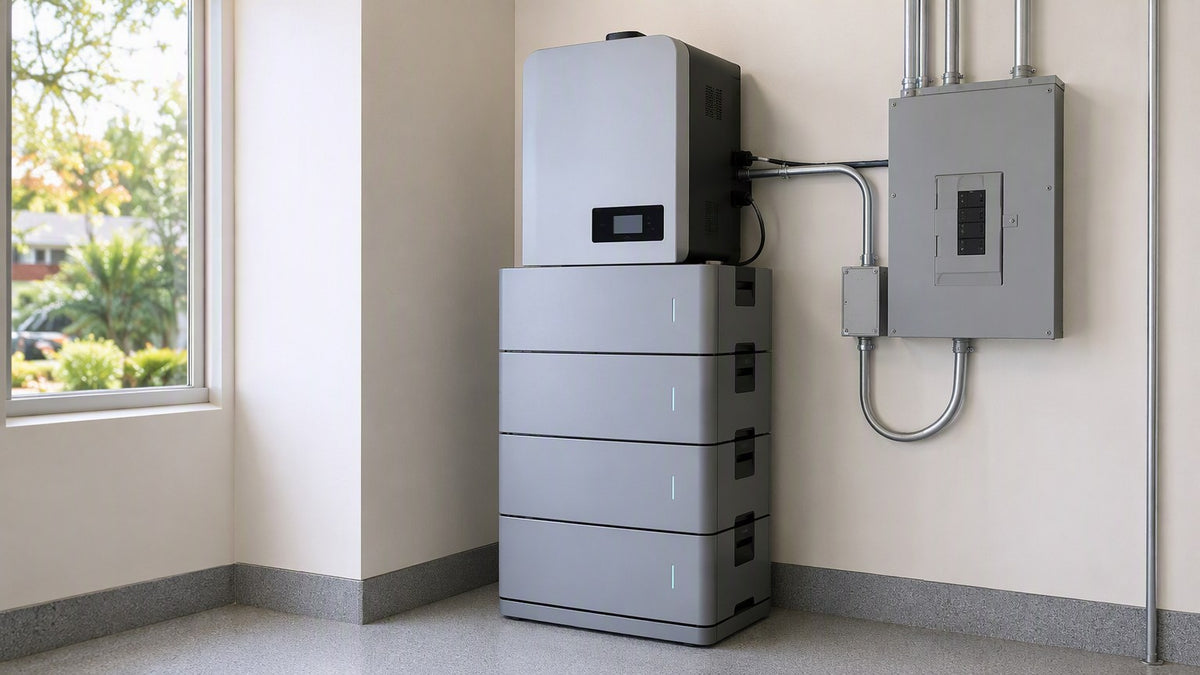
- The EP900 is not a portable at all — it is a 9kW inverter that stacks two to four B500 batteries (9.9–19.8kWh) into a permanently installed whole-home system, at 120V and 240V.
- Everything here runs LiFePO4 chemistry with 3,000+ cycle ratings — the chemistry decision is already made; you are shopping capacity, output and form factor.
- Bluetti's edge is price per watt-hour: across the line it typically lands 10–15% below comparable EcoFlow or Anker capacity, with a 5-year warranty on portables and 10 years on the EP900 system.
Bluetti built its name on portable power stations and has grown into whole-home storage — which means the catalog now spans a 600W lunchbox unit and a 9kW inverter tower, with a dozen models in between. The naming is at least consistent: AC models are all-in-one portables (the number hints at output class), EB is the compact line, Apex is the new expandable flagship portable, and EP is the installed home system. This guide walks the models we stock, with the numbers that matter: watt-hours, continuous output, expansion path and recharge speed.
The lineup at a glance
| Model | Capacity | Output (cont. / peak) | Expansion | Best for |
|---|---|---|---|---|
| EB3A | 268Wh LFP | 600W | — | Phones, laptops, CPAP, day trips |
| AC180P | 1,440Wh LFP | 1,800W / 2,700W | — | Essentials backup, camping, RV weekend |
| AC200P | 2,000Wh LFP | 2,000W | — | Classic 2kWh class |
| AC200PL | 2,304Wh LFP | 2,400W | to 8,448Wh (B210P / B230 / B300) | Home backup + off-grid, solar-first |
| AC240P | 2,400W-class LFP | 2,400W | — | Outdoor + home crossover |
| Apex 300 | 3,072Wh LFP | 3,000W | B300K / B500K; HUB A1 parallel to 11.5kW | Big portable, expandable to home-backup scale |
| EP900 + B500 | 9.9–19.8kWh (2–4 × B500) | 9,000W @ 120/240V | 2nd EP900 → 39.6kWh | Permanent whole-home backup |
AC180P: the sensible first Bluetti
The AC180P is where most buyers should start: 1,440Wh of LiFePO4 and a 1,800W inverter (2,700W in power-lifting mode) in a carryable box. That covers a refrigerator for the better part of a day, a CPAP for several nights, or a weekend of camera batteries and laptops. Turbo charging takes it from 0 to 80% in about 45 minutes off a wall outlet, and 500W of solar input refills it in an afternoon. Its limits are honest ones: no expansion port, no 240V, and 1,800W will not start big motors. If you need more, buy bigger rather than planning to daisy-chain.
AC200PL: the expandable middle
The AC200PL is the AC200P's smarter successor: 2,304Wh, a stronger 2,400W inverter, 1,200W of solar input, and — the real upgrade — an expansion port that accepts B300K, B300, B230 or B210P batteries up to 8,448Wh total. That turns a portable into a legitimate two-day home backup without changing ecosystems. It is 28.8 kg, so "portable" means trunk-of-the-car, not shoulder strap. For solar-first off-grid cabins this is usually the right answer; for occasional outages the cheaper AC180P is enough.
Apex 300: portable ceiling
The Apex 300 pushes the portable format to 3,072Wh and 3,000W, with a modular ecosystem: B300K/B500K expansion batteries, the 700W Hub D1 DC hub, and the HUB A1 parallel kit that links up to three units for 11.5kW. It is the pick when you need F-class capacity but want to stay in Bluetti's pricing — and the parallel path means you can start with one unit and grow toward home-backup scale later.
How Bluetti prices against the field
The reason Bluetti wins bids is unglamorous: dollars per watt-hour. Across the portable line, Bluetti typically lands 10–15% below Anker SOLIX or EcoFlow at the same capacity, while keeping the same LiFePO4 chemistry and comparable cycle life. The trade-offs are equally practical — the app and accessory ecosystem are thinner, and the brand's model turnover is fast, so a discounted "last year's" unit is often the best buy in the whole catalog. For installed storage, the EP900's published per-capacity pricing makes it one of the few home batteries you can quote without a site visit first.
EP900 + B500: the installed whole-home system
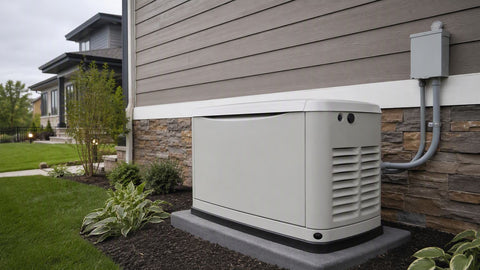
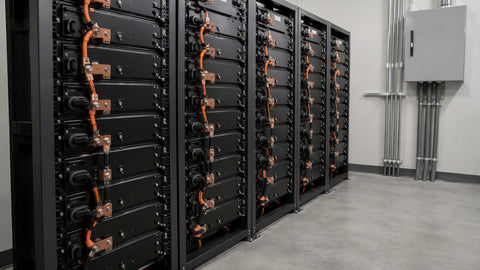
The EP900 abandons the portable formula entirely: a 9,000W inverter head that stacks on two to four B500 batteries (4,960Wh each, 90% depth of discharge) for 9.9, 14.9 or 19.8kWh — roughly 9, 13.5 or 18kWh usable — at 120V and 240V. It is AC-coupled, so it retrofits onto an existing solar array without rewiring the PV side, and a second EP900 doubles the system to 39.6kWh. Know the trade-offs: round-trip efficiency is about 85% (a few points below the class leaders) and the warranty is a strong 10 years with an 80% end-of-warranty capacity guarantee and 15.48MWh rated throughput per B500. For a permanent install priced per kilowatt-hour, it is one of the most transparent buys in the category.
Which Bluetti should you buy?
- Devices and CPAP only: EB3A — 600W / 268Wh, glovebox-sized.
- Fridge + essentials through an overnight outage: AC180P.
- Multi-day backup or off-grid with solar: AC200PL + expansion batteries.
- Maximum portable, growth path to 11.5kW: Apex 300.
- Whole-home, automatic, permanent: EP900 with two to four B500s — size to your critical-load list.
To size the battery before you shop, our backup runtime calculator converts your load list into watt-hours, and the charge-time calculator shows what a given solar array does for each model.
Frequently Asked Questions
What can the Bluetti AC180P run?
Its 1,800W inverter (2,700W power-lifting) runs a refrigerator, TV, router, lights and laptops together, and its 1,440Wh LFP battery holds a full-size fridge for most of a day. It will not run 240V appliances or start large motors like a well pump — that is EP900 territory.
What is the difference between the AC200P and the AC200PL?
The AC200PL is the newer model: more capacity (2,304Wh vs 2,000Wh), a stronger inverter (2,400W vs 2,000W), higher solar input (1,200W), and an expansion port for B210P/B230/B300 batteries up to 8,448Wh. The classic AC200P remains a fine buy when discounted, but the PL is the growth platform.
How long do Bluetti batteries last?
All models here use LiFePO4 cells rated for 3,000+ cycles to 80% capacity — roughly a decade of regular use. Portables carry a 5-year warranty; the EP900/B500 home system carries 10 years with an 80% end-of-warranty capacity guarantee.
Is the EP900 better than stacking portables?
For permanent home backup, yes: the EP900 is a purpose-built 9kW inverter with 120/240V output, 90% depth of discharge and automatic operation — no rolling units around or manual transfer routine. Portables win only if you genuinely need to take the power with you.
Can I charge Bluetti units with non-Bluetti solar panels?
Yes. The inputs are standard MC4 within each model's voltage window — the AC180P accepts up to 500W of solar and the AC200PL up to 1,200W. Any quality residential or portable panel inside the voltage range works; Bluetti's own PV panels are simply the matched option.
Get Your Bluetti System Quoted
PES Supply stocks the Bluetti portable line, expansion batteries, and the EP900 whole-home system at contractor pricing — plus the panels, inverters and transfer gear to complete the job. Send your load list and we will size it.
Shop Battery & Backup Power Contact Us for Bulk PricingRelated Resources
- Solar battery backup runtime calculator: hours by load
- Solar battery charge time calculator
- Battery bank sizing calculator: kWh and days of autonomy
- Off-grid inverter sizing: continuous, surge and battery
- Batteries and home energy storage
- Solar panels