Power Consumption Calculator: kWh Usage and Electricity Cost by Appliance
Reading time: ~8 min read
📋 Key Takeaways
- kWh = watts × hours ÷ 1,000. A 1,500W space heater running 6 hours uses 9 kWh; at $0.16/kWh that is $1.44 per day, about $43 per month.
- The utility bills energy, not power. Watts are the rate; kilowatt-hours are the quantity. Two 100W bulbs on for 5 hours equal one 1,000W appliance on for 1 hour.
- Duty cycle changes everything. A 150W refrigerator compressor runs about a third of the time — figure 35–50 kWh/month, not the 108 kWh the nameplate suggests.
- Phantom loads add up. Devices on standby commonly total 50–100W around the clock — 36–72 kWh per month doing nothing.
- The average U.S. home uses about 886 kWh/month; your own appliance inventory is the fastest way to find where yours goes.
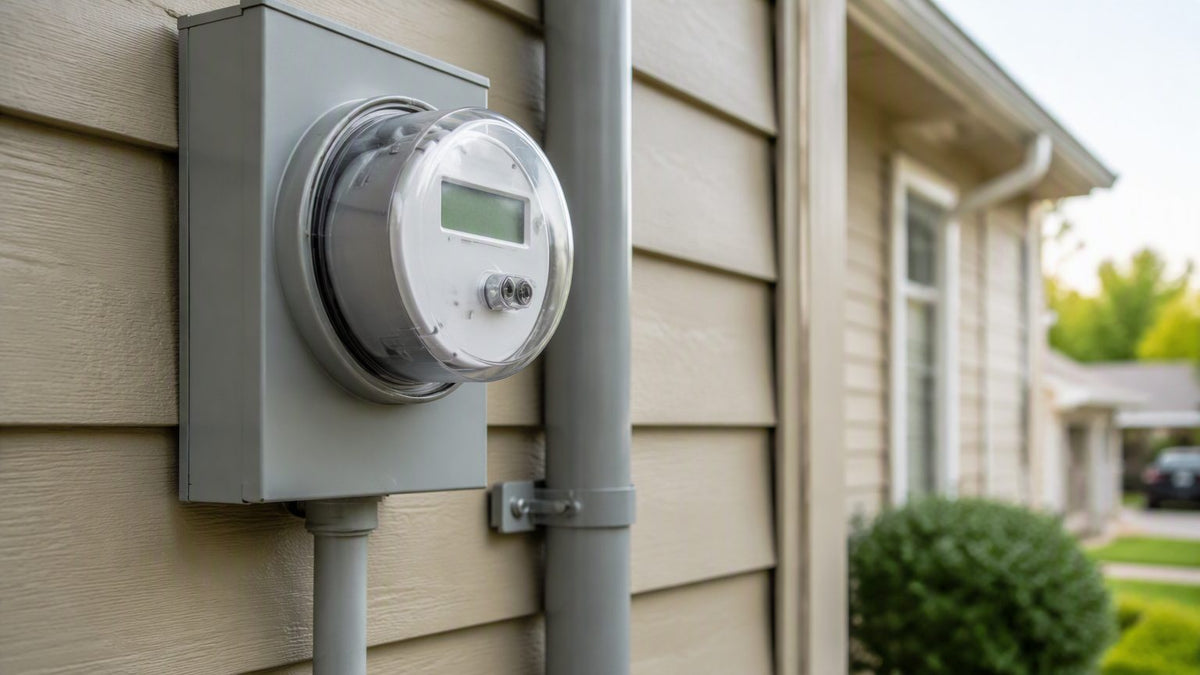
Every electric bill is the same equation multiplied a hundred times: watts × hours ÷ 1,000 = kilowatt-hours, and kilowatt-hours × your rate = dollars. The confusion usually comes from mixing up power (watts — how fast a device uses energy) with energy (kWh — how much it used in total). A 1,000W microwave that runs 10 minutes a day uses less energy than a 5W phone charger left plugged in all month. The calculator below turns any appliance's wattage and daily run time into kWh per day, month, and year, plus the dollar cost at your utility rate — with an optional duty-cycle adjustment for cycling loads like refrigerators and AC compressors.
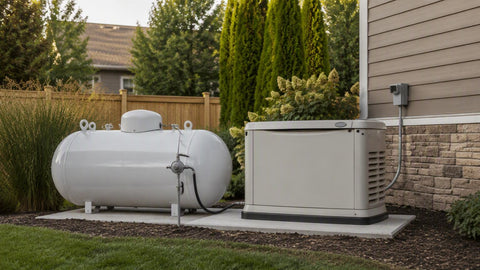
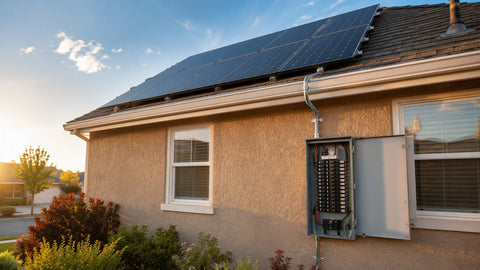
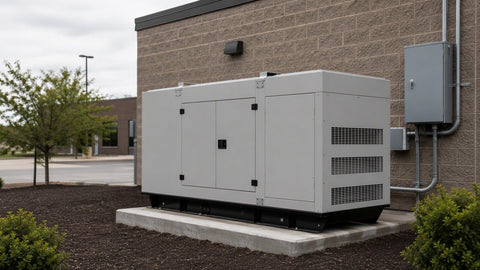
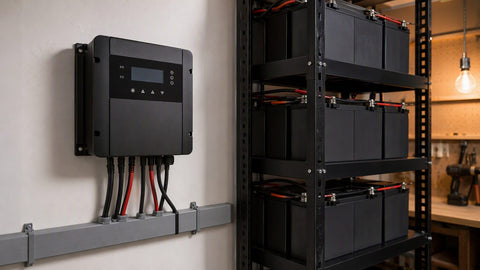
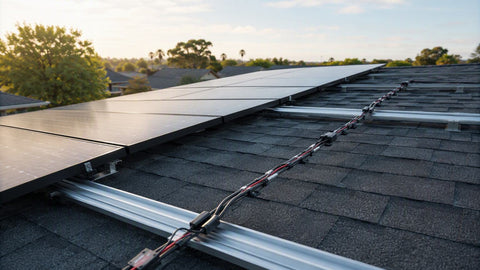
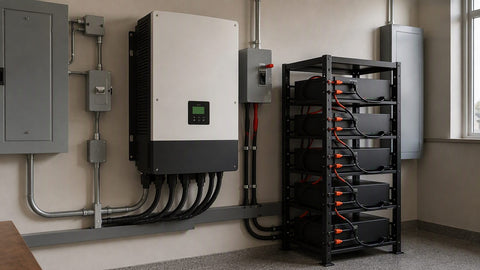
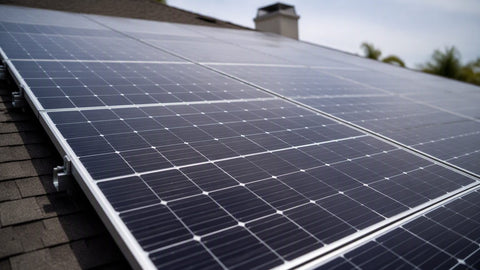
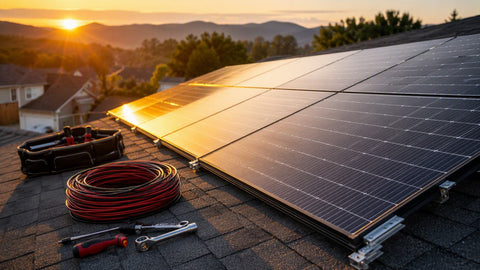
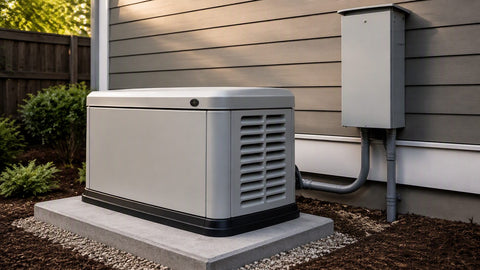
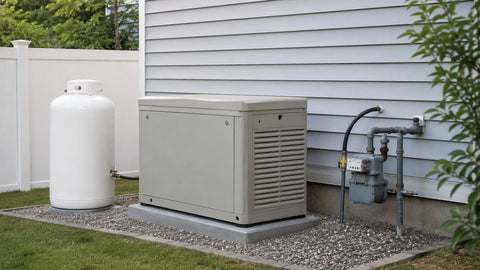
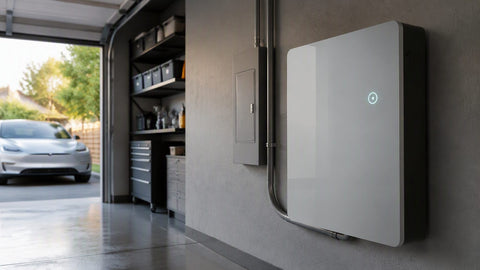
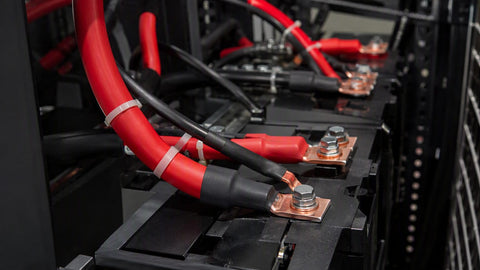
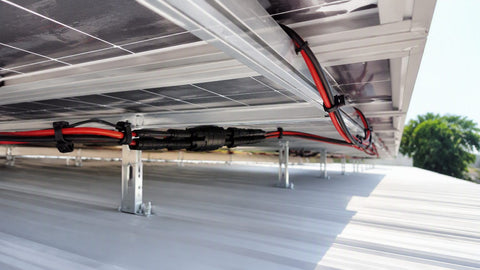
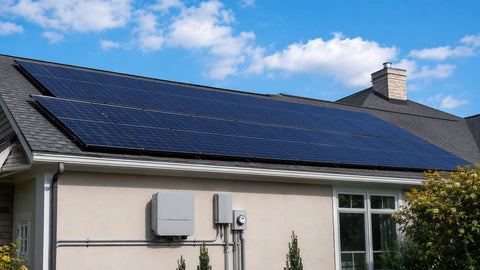
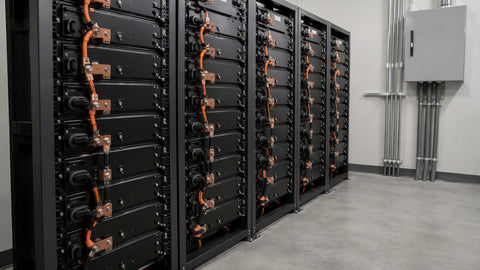
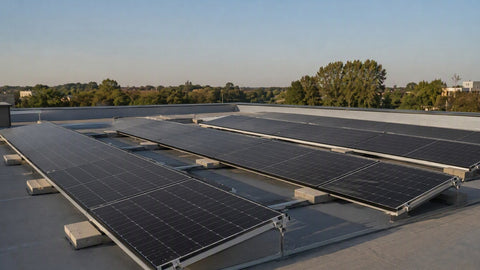
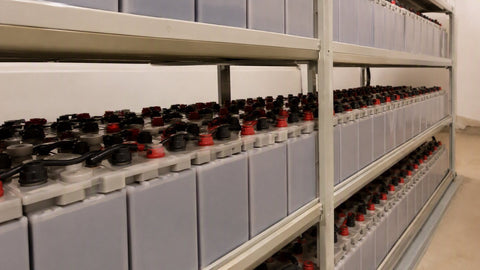
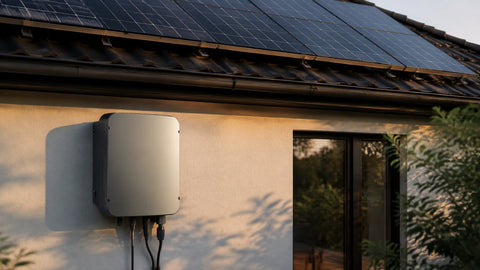
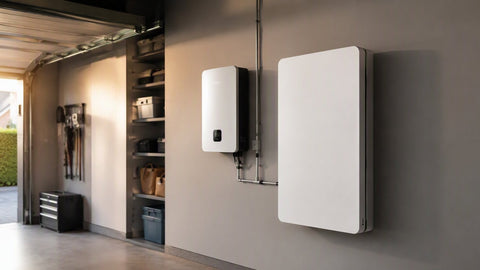
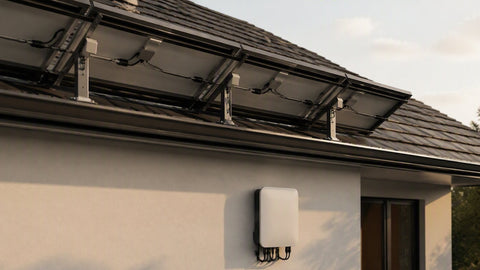
Once you know where the kWh go, the natural next questions are backup and offset: our generators, batteries and storage, and solar panels cover all three. For sizing systems from your monthly usage, see the solar system sizing calculator and the generator sizing calculator.
Power Consumption (kWh) Calculator
Optional — fills the wattage field.
Nameplate watts (or amps × volts).
Actual run time, not plugged-in time.
Fridge ~33%, AC ~50%, heater on thermostat ~60%. Steady loads: 100%.
U.S. average ≈ $0.16–0.17; check your bill.
Daily: — · Monthly: —
Cost: —
Formulas: kWh/day = watts × hours × duty cycle ÷ 1,000; month = 30.4 days; year = 365 days. Cost = kWh × rate. Motor duty cycles vary with climate and thermostat settings — measure with a plug-in energy monitor for exact figures. Informational — your utility tariff governs billing.
Appliance Wattage and Monthly kWh Chart
Typical consumption for the loads that dominate residential bills, at realistic run times and duty cycles (costs at $0.16/kWh):
| Appliance | Wattage | Usage pattern | kWh/month | Cost/month |
|---|---|---|---|---|
| Refrigerator | 150 W | 24 hr @ 33% duty | ~36 | $5.80 |
| LED lighting (10 bulbs) | 100 W total | 5 hr/day | ~15 | $2.40 |
| Desktop PC + monitor | 300 W | 8 hr/day | ~73 | $11.70 |
| Window AC (10k BTU) | 1,200 W | 8 hr/day @ 50% duty | ~146 | $23.30 |
| Space heater | 1,500 W | 6 hr/day | ~274 | $43.80 |
| Electric water heater | 4,500 W | 3 hr/day equivalent | ~410 | $65.60 |
| Central AC (3-ton) | 3,500 W | 8 hr/day @ 60% duty | ~511 | $81.70 |
| Electric dryer | 5,000 W | 1 hr/day | ~152 | $24.30 |
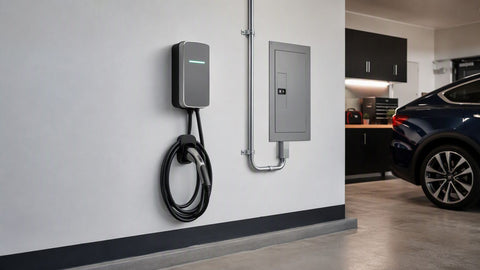
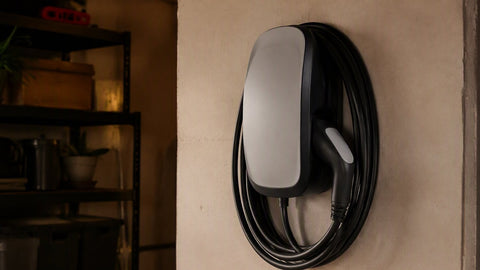
| EV charging (30 mi/day) | 7,200 W | 1.4 hr/day | ~300 | $48.00 |
Worked example: the water heater row shows why resistive heat dominates electric bills. 4,500W × 3 hours of actual element time = 13.5 kWh/day, 410 kWh/month — often the single biggest line item after HVAC. Drop the thermostat from 140°F to 120°F and element time falls roughly 15%; a heat-pump water heater cuts the wattage itself by two-thirds. Both beat any lighting upgrade you will ever make.
Reading the Nameplate When Watts Are Missing
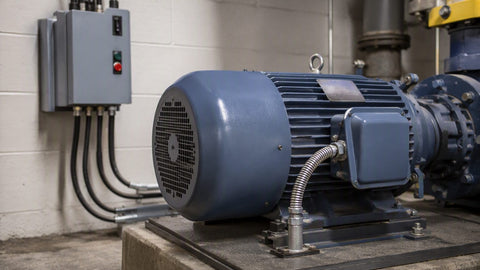
Many nameplates list amps and volts instead of watts. Convert first: watts = amps × volts for resistive loads, and amps × volts × power factor (~0.8–0.9) for motors. A window unit nameplated "9.5A, 115V" is about 1,090W at unity — but as a compressor load, figure roughly 930 real watts plus the fan. The nameplate shows maximum draw, not average; cycling appliances spend most of their time well below it, which is why the calculator's duty-cycle field exists. For anything important, a $25 plug-in energy monitor measures real kWh over a week and settles the argument — compressor startup surges, defrost cycles, and all.
Phantom Loads: The 24/7 Tax
Standby draw is invisible because each device is tiny — a TV at 3W, a cable box at 15W, a game console at 10W, chargers and smart speakers at 1–5W each. But phantom loads never sleep: a modest 75W house-wide standby total runs 24 × 30.4 = 730 hours a month and burns 54 kWh — about $8.60/month, $104/year, for literally nothing. Whole-house energy monitors consistently find 5–10% of residential consumption in always-on devices. Smart strips on entertainment centers and office clusters kill most of it; the cable box and the DVR are usually the worst offenders worth a timer.
From kWh Inventory to Backup and Solar Sizing
The kWh worksheet you just built is the shared input for three other projects. Generator sizing: convert daily kWh of critical loads into running watts (kWh ÷ hours × 1,000) and add motor starting surge. Battery sizing: daily kWh ÷ depth of discharge gives the bank capacity for one day of autonomy. Solar sizing: monthly kWh ÷ (30 × peak sun hours) gives the array kW to offset the bill. Each workflow has its own calculator — linked below — and each starts from the same per-appliance math this page just did.
Frequently Asked Questions
How do I calculate power consumption in kWh?
Multiply the device's wattage by the hours it runs, then divide by 1,000: kWh = watts × hours ÷ 1,000. A 1,500W heater on for 6 hours uses 1,500 × 6 ÷ 1,000 = 9 kWh. For cycling appliances like refrigerators, multiply by a duty cycle first (fridge ≈ 33%, AC ≈ 50–60%). Cost = kWh × your utility rate — the U.S. average is around $0.16–0.17 per kWh.
What is the difference between watts and kilowatt-hours?
Watts measure power — the rate of energy use at an instant. Kilowatt-hours measure energy — the total consumed over time, and the unit your utility bills. A 1,000W appliance running one hour uses 1 kWh; a 100W bulb running ten hours also uses 1 kWh. High wattage for minutes often costs less than low wattage around the clock, which is why standby loads matter more than their size suggests.
How many kWh does a house use per day?
The average U.S. household uses about 886 kWh per month, or roughly 29 kWh per day — but the range is enormous. A small efficient apartment may use 10 kWh/day; a large all-electric home with AC and EV charging can pass 80 kWh/day in summer. Your own daily figure comes from your bill (monthly kWh ÷ days in the billing cycle) or from adding up appliances with the calculator above.
How do I find an appliance's wattage if the label only shows amps?
Multiply amps by volts: a 12.5A device on a 120V circuit is 1,500W. For motor loads, multiply by a power factor of 0.8–0.9 for the real watts. Remember the nameplate shows maximum draw, not average consumption — refrigerators, AC units, and anything on a thermostat cycle on and off, so apply a duty cycle (or measure with a plug-in energy monitor) before projecting monthly kWh.
What uses the most electricity in a typical home?
Heating and cooling dominate — HVAC is typically 40–50% of residential consumption. After that: water heating (~14–18%), then the long tail of appliances, lighting, electronics, and EV charging where present. Electric resistance heat in any form (furnace strips, space heaters, water heater elements, dryers) is disproportionately expensive because every watt becomes heat you pay for at full rate — heat pumps move the same heat at a third of the kWh.
Ready to Offset or Back Up Those kWh?
PES Supply stocks solar panels, batteries, standby generators, and the electrical gear to connect them — 169 authorized brands. Send your monthly kWh and we'll quote a system sized to your actual usage at contractor pricing.
Shop Solar Panels Contact Us for Bulk PricingRelated Resources
- Solar system sizing: from kWh usage to array size
- Generator sizing calculator: running and starting watts
- Battery backup runtime calculator
- Solar ROI calculator: payback and 25-year savings
- Batteries and energy storage