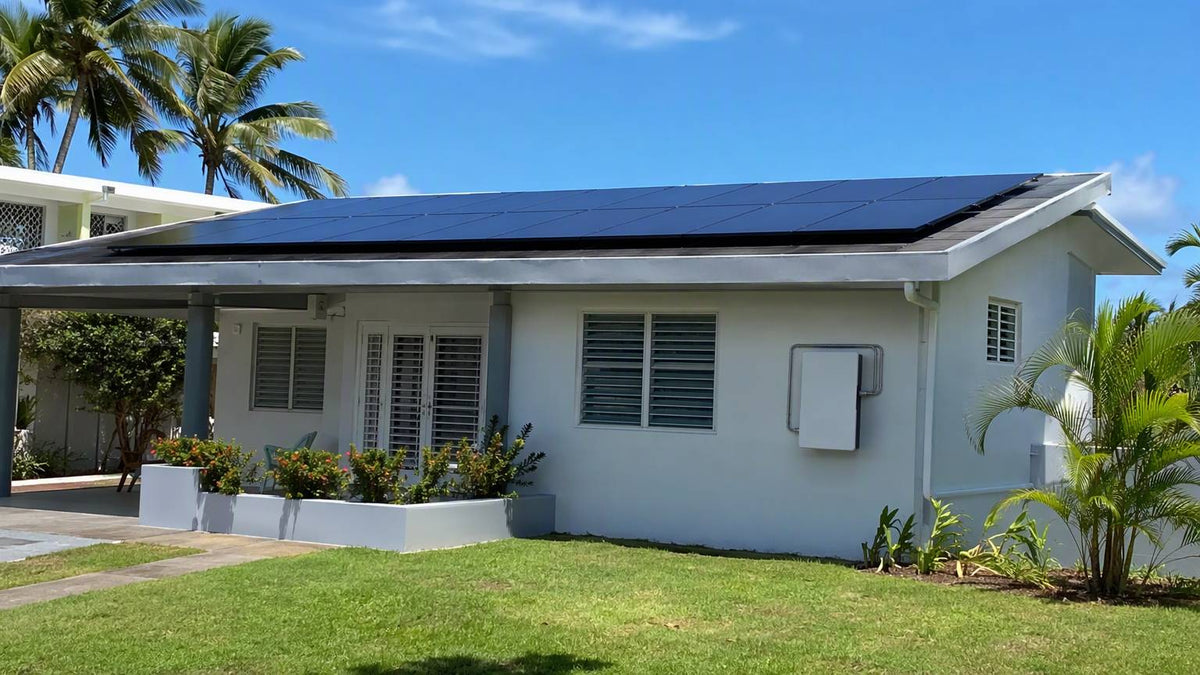
Puerto Rico Solar + Battery Resilience Guide: Hurricane-Ready Backup
Reading time: ~8 min read
📋 Key Takeaways
- Net metering is alive in Puerto Rico: the 1:1 full-retail credit is in force, protected by law through 2031, with monthly rollover and an annual true-up. It is under legal challenge from the federal Oversight Board, but existing systems are widely expected to be grandfathered — another argument for interconnecting sooner rather than later.
- Skip the 30% federal credit in your math: the residential Section 25D credit ended for installations completed after December 31, 2025 — and most bona fide PR residents were never able to claim it anyway under IRC §933. If a quote subtracts 30%, the savings figures are wrong.
- LUMA now pays batteries back: the Customer Battery Energy Sharing (CBES) program pays $1.00 per kWh your battery delivers during grid events, expanded from pilot to a full program for fiscal years 2026–2028. Enrollment runs through an approved aggregator.
- Design for the outage, not just the bill: LUMA's own analysis says reliability — not savings — is what drives solar adoption on the island. A right-sized hybrid inverter + battery bank + a propane standby generator is the three-layer answer for hurricane season (June–November).
- PES ships to Puerto Rico: panels, inverters and generators travel freight; lithium batteries travel ocean freight under their UN38.3 certification. NEC and UL listings apply on the island exactly as on the mainland.
Puerto Rico is the most solar-logical market in the United States: some of the highest residential electricity rates in the country, a grid that has made apagón a household word, and a hurricane season that runs half the calendar. It is also the market where bad information costs people the most money — expired tax credits quoted as current, net-metering rumors treated as fact, and mainland shipping assumptions that fall apart at the dock. This guide is the factual 2026 picture: what LUMA will actually credit you, which incentives survived, how to design a system around hurricanes, and how equipment gets to the island.
Net metering in 2026: the real status
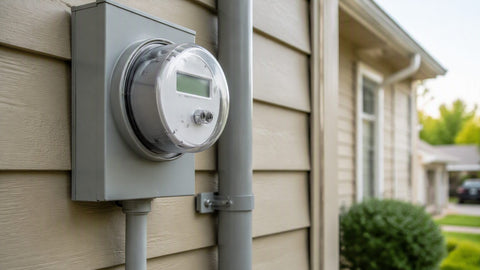
Start with the number that matters: Puerto Rico's net metering law gives solar customers a 1:1 full-retail credit — every kWh you export offsets a kWh you import at the same rate you pay. The policy was reinforced by Act 10-2024 and extended through 2031, and in LUMA's own rate-review filings the utility states the one-to-one mandate is not expected to change before 2030. Credits roll over month to month, so sunny-season surplus covers cloudy-month bills; at the annual true-up, 75% of any remaining excess credits are purchased at $0.10/kWh. Your bill never reaches exactly zero — fixed customer charges remain — but most solar homes drop from $200–$400/month to the $5–$50 floor.
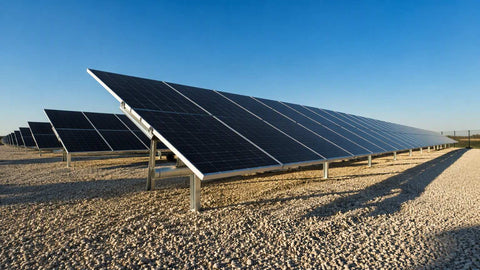
The honest caveats: the federal Financial Oversight Board is challenging Act 10-2024 in court, and while the installer consensus is that interconnected systems will be grandfathered under whatever comes next, that is an expectation, not a statute. And proper sizing matters — the true-up rate for annual surplus ($0.10/kWh) is far below retail, so oversizing past your consumption gives back pennies. Size to your kWh history with our system sizing calculator, not to the biggest array that fits the roof.
The incentives that survived — and the one that didn't
| Benefit | 2026 status | What it's worth |
|---|---|---|
| Net metering (1:1 retail) | In force through 2031, under legal challenge | Exported kWh offset your bill at full retail; monthly rollover, annual true-up |
| LUMA CBES battery sharing | Expanded pilot → program, FY2026–2028 | $1.00/kWh your battery delivers during grid events, via an approved aggregator |
| IVU sales-tax exemption | In force (Green Energy Incentives Act) | Removes sales & use tax from qualifying equipment — confirm on your quote |
| Property-tax exemption | In force under the same Act | Added home value from solar is exempt — confirm treatment with CRIM |
| Programa Incentivo Solar (Vivienda) | Capped ticket system; availability unconfirmed | 30% of project up to $15,000 — win a ticket, apply within 120 days |
| Federal 25D 30% credit | Ended for installs completed after 12/31/2025 | $0 — and most PR residents were ineligible anyway (IRC §933) |
The CBES line deserves attention because it flips the battery from cost center to earner: a 14kWh battery discharging 10kWh into a called grid event earns $10 per event. Events are most frequent exactly when your resilience matters most. Enrollment is through an approved aggregator, not LUMA directly — ask your installer what current participants earned last year in dollars.
Designing for hurricane season, not just for the bill
LUMA's own analysis of adoption is blunt: Puerto Ricans buy solar for reliability first, savings second — installations spike after every major blackout. That reframes the design brief. A grid-tied-only system with no battery shuts down in an outage, net metering or not. The resilient stack has three layers:
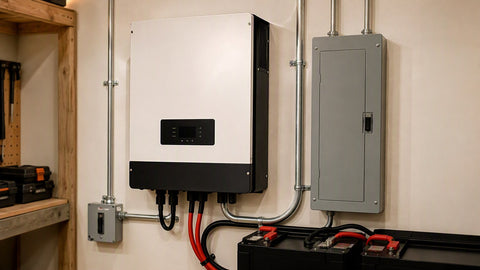
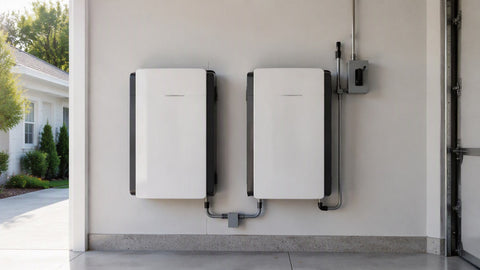
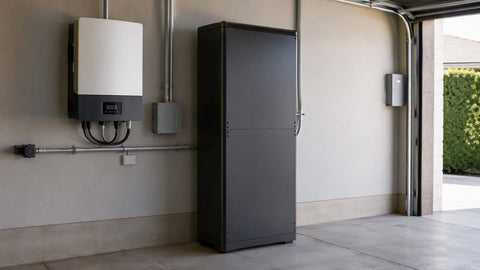
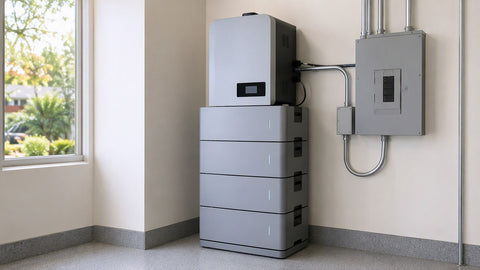
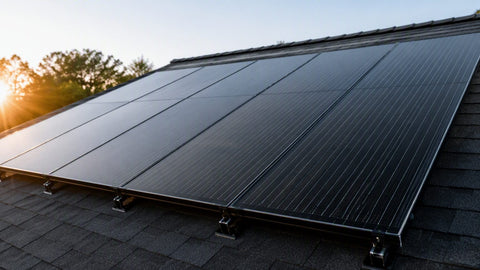
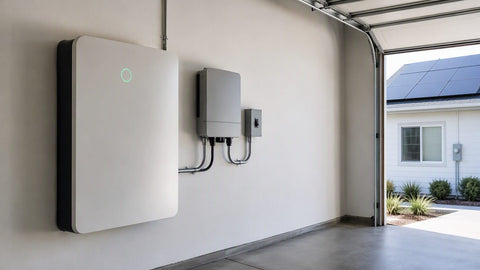
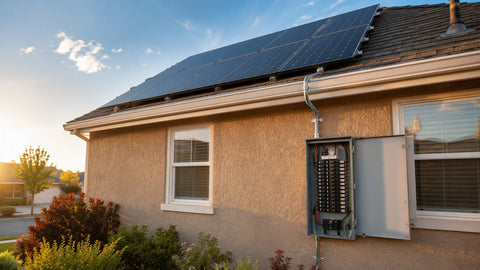
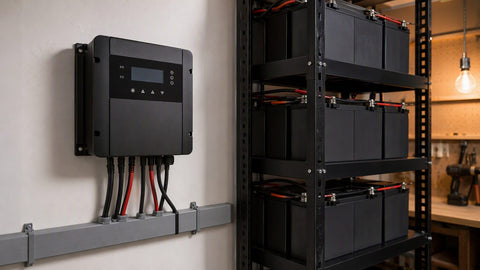
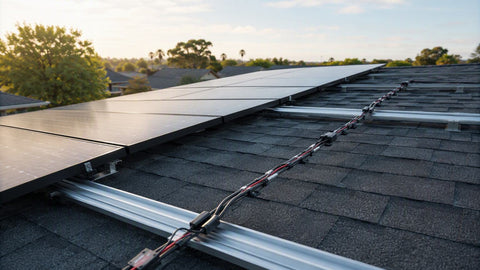
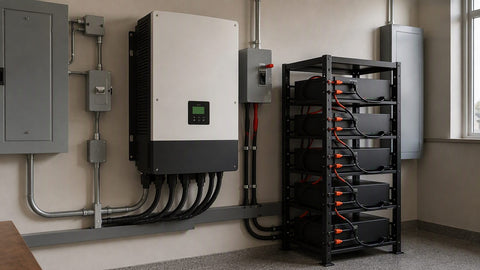
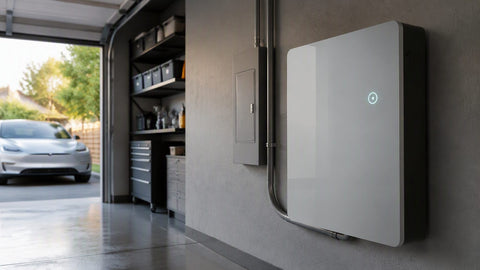
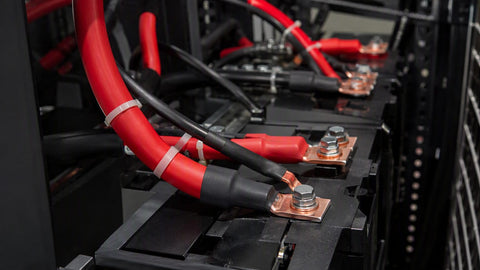
- Daily driver — solar + hybrid inverter + battery. A hybrid inverter like the Sol-Ark 15K-2P or EG4 FlexBOSS21 runs the house from panels and battery, islands itself in 5 milliseconds when the grid drops, and keeps generating through multi-day outages. For storage, the outdoor-rated EG4 PowerPro WallMount AllWeather 14.3kWh ($3,124.99) is built for exactly this climate — IP65 enclosure, UL1973/UL9540A — while the Big Battery NEXUS 15kWh ($3,158.33) is the value indoor block (see our NEXUS deep-dive).
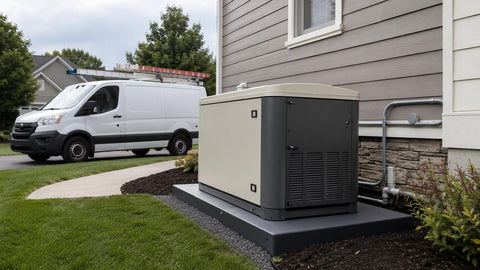
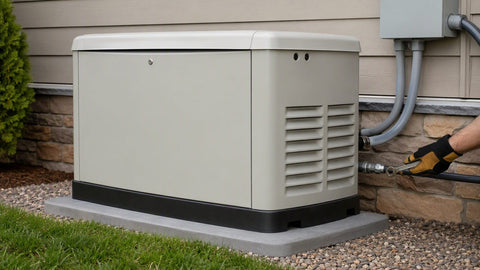
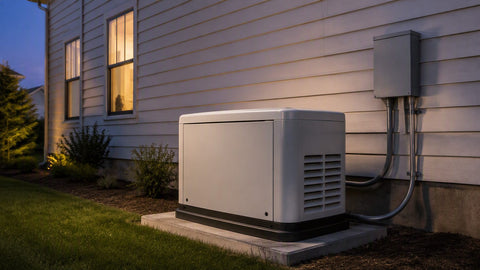
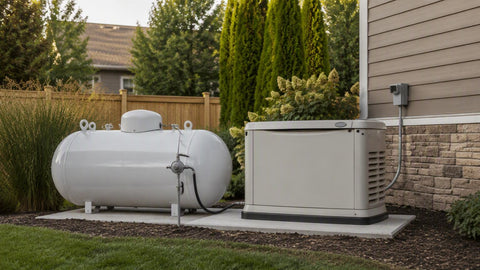
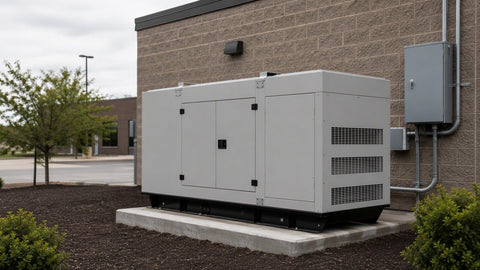
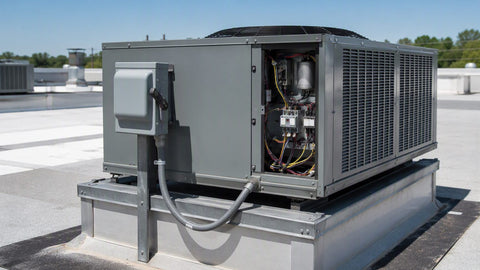
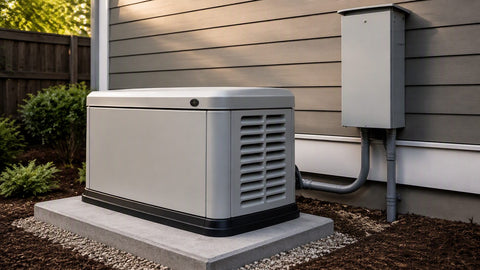
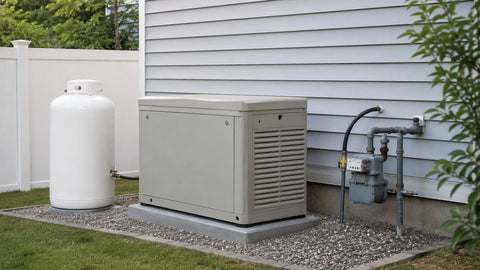
- Extended-outage layer — propane standby generator. Batteries cover nights and short events; a week of grid-down weather wants combustion. Propane is the practical fuel on the island — natural-gas service is limited outside the metro area — and a 14–22kW standby like the Champion aXis line carries central air and well pumps that batteries can't. Our generator sizing calculator runs the load math.
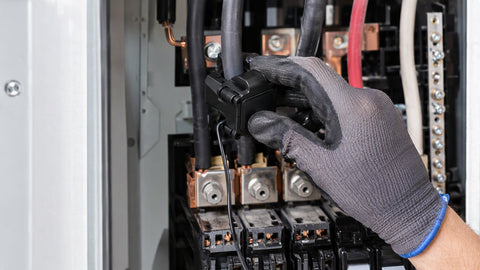
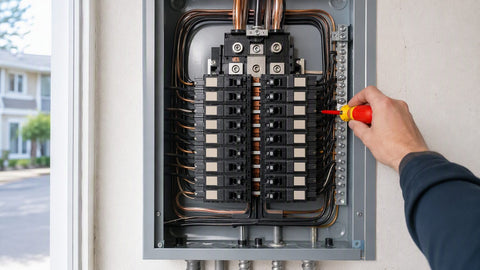
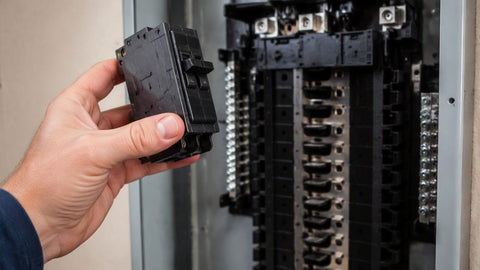
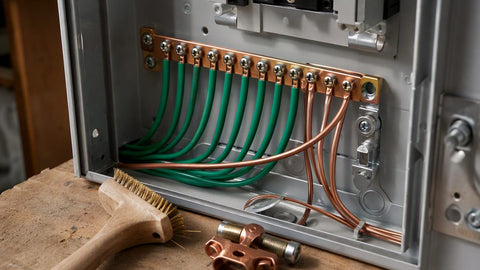
- Compliance layer — NEC/UL, licensed electrician, permits. Puerto Rico is a US territory: the NEC applies, UL listings mean the same thing they mean in Miami, and your installation needs a licensed electrician and OGPe permits. Outdoor gear should be NEMA 3R/IP65 minimum — salt air eats lesser enclosures.
How much battery? For the typical PR home (LUMA's average general-residential customer uses ~440 kWh/month), one 14–15kWh block covers overnight critical loads; two covers a mini-split through the night. The backup runtime calculator converts your load list into hours, and the battery bank calculator sizes days of autonomy.
Getting equipment to the island
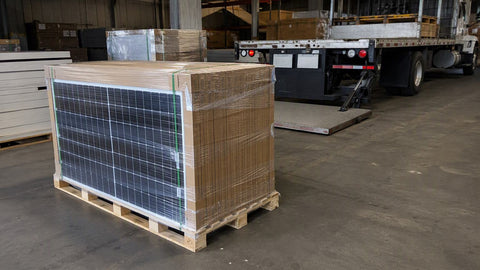
PES Supply ships to Puerto Rico. The logistics, honestly: panels, inverters and generators travel by freight; lithium batteries move ocean freight under their UN38.3 certifications; transit is measured in weeks, not days, so plan around the June 1 hurricane-season start, not around the storm already on the map. Send us your delivery address and the BOM and we quote freight and transit time before you commit. Local equipment tax treatment (the IVU exemption) applies at the PR end — confirm it appears on your final invoice.
Frequently Asked Questions
Is net metering still available in Puerto Rico in 2026?
Yes. The 1:1 full-retail net metering credit is in force, protected by Act 10-2024 and extended through 2031; LUMA's own rate filings state the one-to-one mandate is not expected to change before 2030. Credits roll over month to month, with an annual true-up that purchases 75% of leftover excess credits at $0.10/kWh. The federal Oversight Board is challenging the protecting law in court, but the policy applies today and interconnected systems are widely expected to be grandfathered — which argues for interconnecting sooner rather than waiting.
Can I claim the 30% federal solar tax credit in Puerto Rico?
No, on two independent grounds. First, the residential Section 25D credit ended for installations completed after December 31, 2025 — it is $0 for everyone in 2026. Second, most bona fide Puerto Rico residents were never practically eligible: under IRC §933, island-source income owes no federal income tax, so there was no federal liability for the credit to offset. If any quote subtracts a 30% federal credit from your price, the savings math in that proposal is wrong.
How does LUMA's $1.00/kWh battery program work?
The Customer Battery Energy Sharing (CBES) program pays you $1.00 per kWh that your battery delivers to the grid during called grid events — typically evening peaks and emergency shortages. It graduated from pilot to a full program for fiscal years 2026–2028. You enroll through an approved aggregator rather than directly with LUMA, and your actual income depends on how many events are called and your aggregator's contract terms. Events cluster in exactly the high-stress periods when having a battery already pays off in resilience.
Does PES Supply ship solar equipment to Puerto Rico?
Yes. Solar panels, inverters and generators ship by freight, and lithium batteries ship by ocean freight under their UN38.3 transport certifications. Transit times run in weeks, so order ahead of the June–November hurricane season rather than in response to a named storm. Contact us with your delivery address and bill of materials and we will quote freight cost and transit time before you order. NEC and UL requirements apply on the island exactly as on the mainland, so all listed equipment installs to the same code.
What size solar and battery system does a Puerto Rico home need?
Start from your LUMA bills: the average general-residential customer uses about 440 kWh/month, which a 4–5kW array covers in Puerto Rico's sun; heavier air-conditioning use pushes homes to 6–10kW. For storage, one 14–15kWh battery covers overnight critical loads (refrigerator, fans, lights, internet, medical equipment); add a second block to carry a mini-split overnight. Because the annual true-up pays only $0.10/kWh for surplus, size the array to your consumption rather than maximizing roof coverage, and size the battery to your outage loads, not your daytime ones.
Build Your Resilience Stack Before the Season
PES Supply stocks the hybrid inverters, batteries, panels and standby generators Puerto Rico homes need — 169 authorized brands at contractor pricing, with freight quotes to the island. Tell us your load list and we will size and price the full BOM.
Shop Battery Storage Contact Us for PR Freight QuotesRelated Resources
- Big Battery NEXUS 15kWh explained: specs and scaling
- Champion aXis generator guide: 8.5kW, 14kW and 22kW
- Solar battery backup runtime calculator
- Battery bank sizing calculator
- Solar system sizing calculator
- Batteries and energy storage