Introduction: Why a 125 kW Generator Matters in Florida
In Florida, standby power isn't a comfort purchase — it's hurricane infrastructure. A 125 kW generator sits at a useful sweet spot: big enough to carry a mid-size commercial building, a church, a small medical facility, a condominium common area, or a serious agricultural operation through a week-long outage, and small enough to permit, site, and service without industrial-generation overhead. I've commissioned units across the I-4 corridor and down into Collier County, and the Florida pattern never changes: the buildings that ride out the season are the ones that treated the generator as a building system — fuel, transfer gear, elevation, maintenance — and not as a box dropped on a slab in May. This guide covers the reliability, code, and service realities of the 125 kW class in Florida, with the numbers worked out. For neighboring sizes, see our 100 kW Cummins guide, the 175 kW Cummins emergency generator article, and the 125 kW generator Miami market notes.

What Does 125 kW Mean? Performance Basics
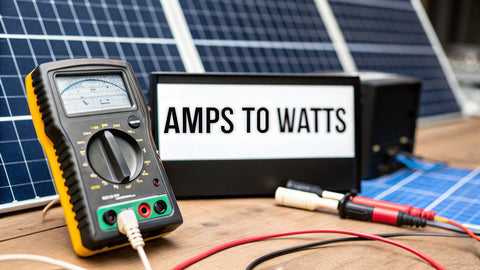
A 125 kW standby rating (typically 156 kVA at 0.8 power factor) translates into amps very differently depending on voltage architecture — and in Florida commercial stock you'll meet all three of these:
| Configuration | Formula | Full-Load Amps | Main Breaker Class (NEC 240.6) |
|---|---|---|---|
| 120/240V single-phase | 125,000 ÷ 240 | 520.8A | 600A frame |
| 120/208V three-phase | 125,000 ÷ (208 × 1.732) | 346.9A | 400A frame |
| 277/480V three-phase | 125,000 ÷ (480 × 1.732) | 150.3A | 175A frame |
The feeder sizing follows NEC 445.13 (115% of nameplate minimum) with conductors from the NEC 310.16 75°C column — 400A at 208V means 600 kcmil copper or paralleled runs, while 150A at 480V is a comfortable 2/0 pull. That asymmetry is why we push larger Florida buildings toward 480V generator distribution with step-down transformers: less copper, smaller conduit, cooler terminations in an already brutal ambient. Our NEC wire sizing guide has the ampacity charts, and the kWh-to-amps explainer covers the conversion math.
Fuel Type Options in Florida
Florida's fuel equation is shaped by two facts: natural gas distribution is patchy outside metro cores, and the state's outage events last days, not hours. Diesel remains the default for critical loads because the fuel is on-site and the runtime is tank-deep. Propane serves sites without gas service that can't store diesel cleanly. Natural gas works beautifully where the utility can actually deliver — get the pressure and volume commitment in writing, because post-storm demand spikes have starved gaseous units in past events. Representative consumption for the class:
| Load Level | Diesel | Natural Gas | Propane |
|---|---|---|---|
| 100% load | ~9.2 gal/hr | ~1,400–1,750 ft³/hr | ~16–19 gal/hr |
| 75% load | ~7.0 gal/hr | ~1,050–1,350 ft³/hr | ~13–15 gal/hr |
| 50% load | ~5.1 gal/hr | ~750–1,000 ft³/hr | ~9–11 gal/hr |
| 25% load | ~3.0 gal/hr | ~450–600 ft³/hr | ~5–7 gal/hr |
Do the storm math before choosing tank size: a 1,000-gallon diesel tank at half load runs about a week — comfortably past the median post-hurricane restoration, tight against the worst ones. After Irma and Ian, fuel vendors were rationed for days; the sites that ran without interruption had contracts and tankage sized for pessimism. Propane adds a Florida-specific wrinkle: LP vaporization rates fall as tank level and temperature drop, so a tank that feeds full load in October may fall behind during a January cold front. Size LP storage at 125% of the runtime math and keep tanks above half during storm season. The full fuel trade-off analysis is in our natural gas vs. propane vs. diesel comparison.
Florida-Specific Considerations: Hurricanes, Flooding, and Codes
Florida Building Code (FBC) layers High-Velocity Hurricane Zone requirements in Miami-Dade and Broward on top of the statewide wind provisions, and generators are very much in scope: the unit, its anchors, its fuel tank, and its enclosure all face design wind loads of 150–180+ mph depending on location and exposure category. Flood is the quieter killer — FBC and NFPA 70 both push emergency equipment above the design flood elevation, and a generator drowned by storm surge is a total loss that insurance adjusters know how to argue about. The practical checklist:
| Requirement | What It Means on Site | Common Failure |
|---|---|---|
| Wind load rating (ASCE 7 / FBC) | Enclosure and anchoring engineered for site wind speed; Miami-Dade NOA-approved enclosures in HVHZ | Off-the-shelf pad anchors in a 170 mph exposure category |
| Flood elevation (FBC / NFPA 70) | Unit and electrical connections above design flood elevation; raised pads in surge and flood zones | Generator at grade in an AE zone because "it never flooded before" |
| Fuel tank compliance | UL-listed tanks, secondary containment, fire-marshal permits above threshold sizes | Single-wall tank aging quietly under the unit |
| Setbacks and clearances (NFPA 37) | Clearances from openings and combustible construction; exhaust directed safely | Unit tucked against a wall with intake louvers blocked by landscaping |
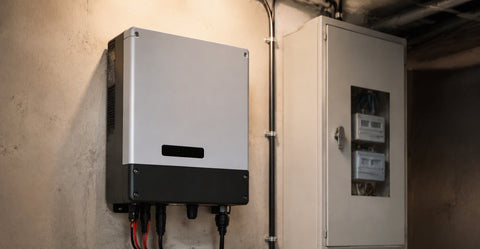
| Emergency system separation (NEC 700/701/702) | Emergency, legally required, and optional loads on correctly separated transfer equipment | Mixed loads on one ATS failing inspection |
The sentence I repeat on every Florida site walk: elevation is cheap in the design phase and impossible after the concrete. A raised pad costs a few thousand dollars; a drowned 125 kW genset is a $50,000 lesson.
Permits, Interconnection, and Insurance Considerations
Expect a permit stack: building/electrical for the installation, fire-marshal review for fuel storage, and environmental registration for larger diesel tanks. Utilities require notification for standby generation that parallels — even momentarily — during closed-transition transfers; open-transition "break-before-make" switching avoids most interconnection review, which is one reason it remains the default for standby applications. Insurance carriers increasingly ask for generator documentation on commercial properties in wind-prone counties: proof of installation by licensed contractors, maintenance contracts, and test logs. Keep the commissioning report, load-bank results, and service records in the building file permanently — I've watched those documents settle claims in weeks that would otherwise have dragged for months.
Choosing a Local Florida Supplier or Installer
The generator is the easy part to buy; the service network is what you're really purchasing. Qualify Florida installers on four things: factory authorization for the brand (Cummins dealers are listed on Cummins' own locator — verify it), a real service fleet with 24/7 storm response in writing, fuel-delivery relationships that survive a regional emergency, and permit experience in your specific county. Lee County and Miami-Dade permit generators very differently; an installer learning your AHJ on your dime shows up in the schedule and on the invoice, and the fix for a permitting mistake discovered at inspection is measured in weeks, not days. We supply the equipment and coordinate with licensed Florida electrical contractors — the Cummins brand guide explains the dealer network structure, and the Kohler vs. Cummins and Generac vs. Cummins comparisons help shortlist brands before you interview installers.
Cost of Ownership: Upfront and Ongoing
Honest Florida numbers for the 125 kW class, installed and commissioned:
| Line Item | Typical Range | Notes |
|---|---|---|
| Generator (gas or diesel, 125 kW class) | $32,000–$55,000 | Enclosure level and fuel type move the number |
| Transfer switch + feeders | $8,000–$20,000 | Service-rated ATS at 400A+ is serious gear |
| Pad, elevation, anchoring | $4,000–$15,000 | Higher in flood zones and HVHZ |
| Fuel infrastructure | $3,000–$18,000 | Diesel tank vs. gas service upgrade |
| Permits, engineering, commissioning | $3,000–$10,000 | Including load-bank acceptance test |
| Annual service contract | $1,800–$4,000/yr | Storm-season priority response costs more — pay it |
Total project cost typically lands $55,000–$110,000, with flood-zone elevation and HVHZ engineering at the top of the range. Quotes dramatically below that band are missing scope — usually the fuel infrastructure, the transfer switch, or the engineering letters — so force every bidder to itemize the same scope and compare the line items rather than the totals at the bottom, because the difference between a good quote and a trap is always hiding in the itemization.
Maintenance, Warranties, and Service Networks in Florida

Florida's climate is mechanically hostile: heat, humidity, salt air near the coasts, and months of standby followed by days of full-load fury. The maintenance calendar that survives it: weekly auto-exercise (loaded where possible), monthly fluid and battery checks, semi-annual coolant and belt service, annual oil/filter/plugs and a full electrical torque inspection, and an annual load-bank test — non-negotiable on diesels in humid climates where light loading breeds wet stacking. Coastal units want enclosure inspections for corrosion twice a year. Factory warranties in this class typically run 2–5 years depending on product line and rating; extended coverage is available and usually worth it on coastal sites. The liquid-cooled standby generator overview explains why everything at 125 kW runs jacket water and radiators instead of air cooling.
Regulatory Updates, Permits, and Incentives
Three moving pieces to verify at project time. First, the Florida Building Code edition — the state updates on a three-year cycle, and wind-load maps and flood provisions shift between editions; your engineer works to the currently adopted edition, not the one from your neighbor's 2019 install. Second, EPA emergency-engine rules still cap non-emergency operation (the familiar 100-hour annual allowance for testing and demand response), and Florida DEP layers its own stationary-source registration on larger diesel tanks. Third, incentives: federal bonus depreciation has applied to standby generation, and resilience grants for critical facilities (fire stations, shelters, water systems) cycle through state and federal programs — the battery backup vs. generator piece covers how hybrid resilience designs are qualifying for programs that pure diesel never could. None of this is static; we check current rules on every quote.
Practical Buying Tips and Quick Checklist
The field checklist we run on every 125 kW Florida project, in order:
- Demand study first — 12 months of interval data or a metered load survey. Size to the measured peak plus motor-starting inrush plus 20–25% margin.
- Pick voltage architecture before equipment — 480V distribution wherever the building allows it.
- Site for wind and flood simultaneously — the prettiest spot on the survey is often the wrong one.
- Order generator and ATS on one PO with one commissioning date.
- Contract fuel delivery with a named vendor and a storm clause before hurricane season.
- Write the maintenance contract into the purchase, not as an afterthought.
- Commission with a load bank and keep the report forever.
Skimp on any of those and Florida will find it — usually in September. One more tip that costs nothing: photograph the entire installation — pad, anchors, fuel connections, ATS labels — before closeout and store the photos with the commissioning report. After a storm, those images answer insurance questions in one email that would otherwise take a season of adjuster visits. The buildings that recover fastest are the ones with boring, complete documentation.
Market Trends and Florida Options
Demand for the 100–150 kW class in Florida has stayed strong since Ian: insurers are rewarding resilience, code enforcement tightened, and lead times on popular configurations stretch every spring as the smart buyers order before June. The used-equipment market has tightened in parallel — low-hour take-outs that once lingered now move within weeks, so a "we'll decide after hurricane season" strategy increasingly means paying new prices for leftover configurations. Natural-gas units are gaining share in metro counties where distribution is solid; diesel keeps the critical-load crown; and hybrid battery-plus-generator designs are appearing on new commercial builds where demand charges justify the controls complexity. If your timeline is measured in weeks rather than months, ask about in-stock and allocated units first — configuration flexibility is the price of speed. Our commercial generator overview and the transfer switch explainer are good next reads while you gather quotes.
Sizing Examples: What Actually Lands at 125 kW in Florida
Abstract ratings don't buy generators; building profiles do. From projects we've supplied across the state:
| Facility | Measured/Estimated Peak | 125 kW Verdict | Florida-Specific Note |
|---|---|---|---|
| Church with sanctuary HVAC | 70–100 kW | Good fit | Staging the big compressor restarts is the whole design |
| Convenience store / fuel station | 60–95 kW | Good fit | Pump and canopy loads plus refrigeration restart |
| Small medical clinic | 60–90 kW | Good fit | NEC 517 essential-system separation drives ATS count |
| Condo common areas + elevators | 80–120 kW | Borderline — study hard | Elevator inrush often forces load-shed sequencing |
| Mid-size restaurant | 55–85 kW | Comfortable | Kitchen refrigeration restart after multi-day outage is the spike |
| Large custom estate (all-electric) | 50–90 kW | Good fit | Pool heat and multiple HVAC stages decide the margin |
The recurring theme in that table: restarts, not steady loads, size generators. A building idling at 60 kW can demand 110 kVA for ten seconds when the compressors come back together after a week dead. Sequenced restarts through a smart transfer scheme shrink the required iron — which is free capacity bought with controls instead of copper.
The Storm Season Operations Playbook
June 1st shouldn't find anyone reading manuals. The pre-season routine we drill into Florida customers: full fluid service and load-bank test in April or May, fuel topped and treated by May 15, exercise verified weekly through summer, ATS operation drilled with the facility staff (whoever is on-site at 2 a.m. should know whether the building is on open or closed transition), and the fuel vendor's storm line confirmed by phone — not email. During an event: run at the loads the building actually needs rather than everything it can carry, log runtime hours against the EPA emergency allowance, and walk the unit daily for leaks, vibration, and exhaust drift. After the event: service within two weeks even if nothing seems wrong, because a week at 70% load in 95°F ambient is a full year of normal wear compressed into days.
Common Florida Installation Mistakes (Seen From the Service Truck)
The repeat offenders: units sited in drainage swales because the pad was "already there"; enclosures without coastal treatment rusting at the seams by year two a mile from the beach; gas units connected to services that can't deliver full-load volume at peak demand; transfer switches installed without the utility coordination letter; and — the classic — beautiful installations with no service clearance, so the tech has to unbolt the enclosure to change a belt. Every one of these was cheaper to do right. A 125 kW installation is a 20-year asset; design it for the technician who services it in year 12, in the rain, at night. That technician may be me, and I'd like the clearance.
Related Resources
- 100 kW Cummins backup generator guide
- 125 kW generators in Miami
- 175 kW Cummins emergency generator
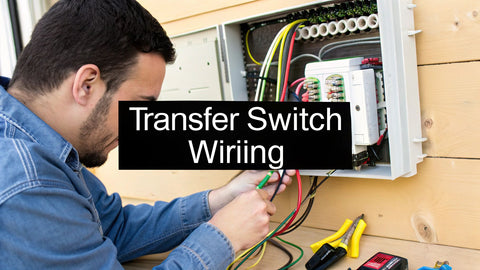
- Transfer switch wiring guide
- NEC wire sizing and ampacity charts
- Kohler vs. Cummins standby comparison
Brand Landscape in the Florida Market
Florida buyers cross-shop three names at this rating more than any others. Cummins brings the deepest dealer and service bench in the state and the PowerCommand controls ecosystem — our Cummins brand guide maps the lineup. Kohler counters with fast lead times on popular configurations and strong enclosure engineering for coastal duty. Generac's industrial line competes aggressively on price and has expanded its Florida service presence steadily. The honest advice: at 125 kW, all three build engines that will outlive the installation if maintained, so buy the service network and the permitting experience first, the spec sheet second. Ask each bidder who answers the phone in your county at 3 a.m. in September, and ask for the names of three reference customers within 30 miles. The brand matters less than the humans behind it.
Noise and Placement in Dense Neighborhoods
Urban and suburban Florida sites face a second constraint after wind and flood: sound. Municipal ordinances typically cap nighttime levels at the property line in the 55–65 dB(A) range, and a 125 kW engine at full song won't meet that without help. The practical stack: factory sound-attenuated enclosure (Level 2 or better), distance and shielding — every doubling of distance from the property line buys roughly 6 dB — and exhaust direction away from neighbors. Parking garages and rooftop installations trade noise for structural and vibration engineering, and rooftops add crane logistics and hurricane-wind anchoring to the budget. Ground level, on the lee side of the building, behind a masonry screen wall, above flood elevation: that combination solves 90% of urban siting puzzles, and it's usually achievable if the conversation happens before the slab pour rather than after.
Frequently Asked Questions
What will a 125 kW generator run in a Florida commercial building?
Typically a 15,000–30,000 sq ft commercial building's essential loads, or a full smaller facility: HVAC stages, refrigeration, lighting, and receptacles. A demand study decides — 125 kW at 208V three-phase delivers about 347A, enough for a 400A service's critical loads with load management, but not an all-electric building running everything at once.
Does a 125 kW generator in Florida need to be elevated?
In flood zones, yes — Florida Building Code and NFPA 70 push emergency power equipment above design flood elevation, and storm surge has drowned thousands of ground-level units. Even outside mapped zones, raised pads are cheap insurance in a state where "hundred-year" rain events arrive twice a decade.
How much does an installed 125 kW generator cost in Florida?
Typically $55,000–$110,000 all-in: equipment, transfer switch, pad and anchoring, fuel infrastructure, permits, engineering, and commissioning. HVHZ locations in Miami-Dade and Broward and flood-zone elevation push toward the top of the range. Annual service runs $1,800–$4,000.
Is diesel or natural gas better for hurricane duty?
Diesel for fuel independence — your runtime is the tank, not the utility. Natural gas where the distribution is robust and the utility commits to pressure and volume in writing. After major hurricanes, diesel sites with storm-contracted fuel vendors have the best track record; gaseous sites occasionally discover their gas pressure disappeared with everyone else's power.
How long does a 125 kW installation take in Florida?
Four to ten months: load study and design, permitting (longer in HVHZ counties), equipment lead time, site work, and commissioning with inspection. Start by January if you want protection for the June-to-November hurricane season; spring starts routinely finish after the season opens.
Do I need a load-bank test on a new generator?
Yes — at commissioning and annually thereafter for diesels. Load banking proves the unit makes rated power, burns off wet-stacking deposits from unloaded exercise, and documents performance for inspectors, insurers, and warranty claims. It's a few hundred dollars of rental against a five-figure asset.