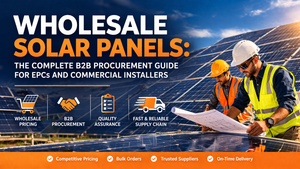
The global solar market is scaling faster than ever. Utility developers are designing gigawatt portfolios, EPCs are bidding multi megawatt projects across continents, and distributors are racing to keep up with demand from installers who can sell every pallet they can get their hands on. In this environment, buying a few pallets at a time is no longer enough. To stay competitive on price, availability, and performance, serious players are moving to solar panel container wholesale supply with bankable Tier 1 brands that are export ready from day one. Explore our full lineup of solar panels to see which modules fit your project.
Portlandia Electric Supply sits at the center of this shift. As a nationwide electrical distributor with 3,800 plus SKUs, 12 plus distribution hubs, and a network of more than 8,500 solution providers, Portlandia has built a dedicated program for container level solar exports that connects global buyers to the world's top manufacturers at true wholesale pricing. This guide explains how container purchasing works, why Tier 1 modules matter, and how Portlandia Electric Supply turns complex international procurement into a repeatable, streamlined process for professional buyers on every continent.
Key Takeaways
- Container Scale Savings: Full 40-foot container loads dramatically lower cost per watt compared to pallet-level purchasing.
- Tier 1 Brands Only: Canadian Solar, Jinko, LONGi, Trina, and other bankable manufacturers with 25-30 year performance guarantees.
- 550W to 720W Modules: High-power mono PERC, TOPCon, and N-type panels, 550-750 modules per container.
- 300 kW to 500+ kW Per Container: Substantial capacity per shipment depending on wattage and dimensions.
- Complete Export Support: Full documentation, freight coordination, insurance, and customs compliance handled by Portlandia.
- Global Reach: 12+ distribution hubs, 3,800+ SKUs, and 8,500+ solution providers nationwide.
In This Guide
- Why Container Wholesale Beats Pallet Buying
- What Is Inside a Solar Panel Container Load
- Why Tier 1 Brands Are Non Negotiable
- Key Technologies in Export Ready Modules
- How to Evaluate Container Level Pricing
- Export Logistics and Documentation Made Simple
- Why Portlandia Electric Supply Is Different
- Who Benefits Most from Container Level Exports
- Building a Long Term Supply Strategy
- The Future of Container Wholesale in Solar
- Getting Started with Portlandia Container Exports
Why Container Wholesale Beats Pallet Buying
Buying solar by the container is not just a bigger version of buying by the pallet. It fundamentally changes your cost structure, your logistics, and your ability to win projects in competitive markets.
First, a full 40 foot high cube container allows manufacturers and logistics partners to optimize every inch of space, which dramatically lowers the cost per watt compared with partial loads. A typical container holds roughly 550 to 750 large format modules in the 550W to 720W range, translating into 300 kW to more than 500 kW of capacity per shipment depending on wattage and dimensions. When that freight cost is spread across hundreds of kilowatts instead of a handful, your landed price per watt drops to levels that pallet buyers simply cannot match.
Second, container level purchases usually come from the same production batch, which means consistent electrical characteristics, aesthetics, and warranty documentation. That consistency matters when you are building large commercial rooftops, carports, ground mounts, or utility scale plants where mismatched modules can make commissioning harder and complicate future maintenance. Finally, container procurement strengthens your margins. Manufacturers reserve their most aggressive price tiers for wholesale buyers taking full containers, and experienced distributors like Portlandia pass those savings through in transparent, volume based quotes.
What Is Inside a Solar Panel Container Load
Understanding what you actually get in a solar panel container load helps you plan projects and inventory more accurately. Portlandia Electric Supply works primarily with modern high power modules in the 550W to 720W class from leading Tier 1 producers.
- 550W to 720W mono PERC, TOPCon, or other N type modules depending on brand and order.
- Approximately 550 to 750 modules per container, depending on frame thickness, packing scheme, and exact dimensions.
- Total DC capacity from about 300 kW at the low end to well beyond 500 kW when using 650W plus panels.
- Factory original packaging, including protective corners, foam separation, and palletized stacks engineered to withstand long ocean voyages.
Portlandia's logistics team calculates precise counts for each order based on the exact module selected, then pairs those counts with current freight rates and insurance premiums to deliver accurate landed cost estimates.
Pro Tip: Container Planning
Always request a detailed packing plan from your distributor before finalizing your order. This ensures you know the exact module count, pallet layout, and total kW capacity per container, which is essential for accurate project budgeting and site logistics.
Why Tier 1 Brands Are Non Negotiable
Not all megawatt shipments are created equal. When you are exporting solar panels across borders, the name on the module frame has real consequences for project financing, warranty enforcement, and long term performance. That is why Portlandia Electric Supply focuses on Tier 1 manufacturers for its container wholesale program.
Tier 1, as commonly defined in the industry, refers to manufacturers that have demonstrated financial stability, large scale production, and a strong track record in non recourse financed projects. While Tier 1 status is not a direct measure of product quality, it is the closest proxy the market has for bankability and long term reliability. Banks, investment funds, and institutional owners often require Tier 1 modules as a condition of financing.
Portlandia's export lineup centers on proven Tier 1 brands such as Canadian Solar, Jinko Solar, LONGi, Trina Solar, and other globally recognized producers, all of which ship modules with 12 to 15 year product warranties and 25 to 30 year performance guarantees. Buyers receive full datasheets, warranty certificates, and compliance documentation for every shipment, which simplifies technical due diligence and makes it easier to secure funding for large installations.
What Makes a Manufacturer Tier 1?
Tier 1 status is typically assessed by financial analysts based on a manufacturer's bankability, production volume, and track record in independently financed projects. It is not a certification but rather a market classification that signals reliability to investors, developers, and lenders worldwide.
Key Technologies in Export Ready Modules
Solar panel technology has evolved rapidly, and the modules moving in today's container shipments look very different from the 250W panels that dominated rooftops a decade ago. Portlandia Electric Supply curates a portfolio of high efficiency products that reflect where the market is headed.
PERC and TOPCon Cell Architecture
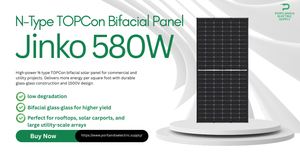
Many of the export ready modules feature passivated emitter rear contact cell architecture, which offers a strong balance of cost and efficiency. However, an increasing share of Portlandia's container volume is shifting toward advanced N type platforms such as TOPCon and other high efficiency cell structures. These technologies deliver higher power output per module, better temperature coefficients, and slower degradation, which all translate into more energy production over the life of a project.
Bifacial Glass-Glass Modules
Bifacial glass glass modules are also common in container shipments destined for ground mounts, trackers, and high albedo sites. By converting light from both the front and rear sides, bifacial modules can add significant yield, especially over bright surfaces like white roofs, sand, or snow. Pairing bifacial panels with single axis trackers or elevated tilt structures can push specific energy production far beyond what traditional monofacial arrays deliver.
How to Evaluate Container Level Pricing
Price is important, but looking only at the dollar per watt can be a trap. Portlandia Electric Supply encourages buyers to consider the full economic picture when evaluating container level quotes.
Efficiency and Balance of System Savings
First, the module's efficiency and rated wattage determine how much capacity you can fit onto a rooftop or parcel of land. Higher wattage panels can cut racking, wiring, and labor costs by reducing the number of modules needed per megawatt. In many cases, paying slightly more per watt for a more efficient module still reduces total installed cost because the balance of system savings outweigh the module premium.
Warranty and Degradation Value
Second, warranty terms and degradation curves have direct financial value. Most Tier 1 modules in Portlandia's portfolio provide product warranties of 12 to 15 years and performance guarantees of 25 to 30 years, often with 0.4 percent or better annual degradation after the first year. A more robust warranty from a financially stable manufacturer reduces risk for owners and can improve the terms of long term project financing.
True Landed Cost Transparency
Finally, the true landed price must include freight, insurance, duty, and port charges. Portlandia's quotes itemize these elements so that buyers see a transparent breakdown of module cost versus logistics cost, making apples to apples comparisons far easier. The company's export specialists help customers choose between ocean freight and air cargo where appropriate, and they work with multiple carriers to keep transit times and costs competitive.
Export Logistics and Documentation Made Simple
Exporting high value, fragile goods like solar modules requires meticulous planning. Broken pallets, missing documents, or small mistakes in customs paperwork can erase the savings of a good price. Portlandia Electric Supply built its container program around solving those pain points.
Every container shipment is supported by a complete documentation package that typically includes a commercial invoice, packing list, bill of lading, certificate of origin, and insurance documentation tailored to the destination country's requirements. Portlandia's team coordinates closely with freight forwarders and customs brokers to ensure that serial numbers, HS codes, and declared values all align with local regulations, minimizing the risk of clearance delays or unexpected fees at the port of entry.
On the physical side, Portlandia works directly with factories and warehouses to verify that all pallets are braced, strapped, and wrapped to withstand long transit times and multiple handling steps. Moisture protection, shock absorption, and correct stacking height are all standard checks before any container leaves the loading dock. Many shipments also include marine cargo insurance so that buyers are protected against damage, theft, or loss in transit, which is particularly important for multi container projects worth millions of dollars.
Documentation Matters
Incomplete or inaccurate export documentation is one of the most common causes of shipment delays and unexpected costs in international solar procurement. Always confirm that HS codes, serial numbers, and declared values match before your container ships.
Why Portlandia Electric Supply Is Different
While many companies can broker a container of panels, Portlandia Electric Supply brings the capabilities of a large electrical distributor together with specialized solar export expertise. That combination makes a meaningful difference when your deadlines are tight and your projects are complex.
Portlandia operates more than 12 distribution hubs across the United States and maintains over 3,800 SKUs in active inventory, spanning solar modules, inverters, batteries, switchgear, racking, and standby generators. This scale allows them to bundle containers that include not just panels but also critical balance of system components, reducing the number of vendors an international buyer must coordinate with. For domestic projects, 1 to 3 day delivery times from these hubs keep contractors on schedule even when last minute changes occur.
Beyond logistics, Portlandia's team includes solar professionals and technical specialists who can assist with module selection, string sizing, inverter matching, and code considerations. Rather than simply sending a price list, they work with EPCs, developers, and distributors to align product choices with site conditions, interconnection requirements, and long term asset management strategies. This consultative approach is one reason contractors in markets like the Pacific Northwest credit Portlandia with helping them deliver significant volumes of commercial installations in a single year.
Who Benefits Most from Container Level Exports
Container wholesale is ideal for a range of professional customers, and Portlandia structures its program to fit each segment's needs.
EPC firms and utility developers rely on container shipments to stage multi megawatt builds on tight timelines. Portlandia supports these buyers with project based pricing, dedicated account management, and synchronized deliveries that align with construction milestones. Distributors and wholesalers use container purchases to expand their catalog of Tier 1 modules, often leveraging Portlandia's brand relationships and marketing resources while reselling into local installer networks.
International resellers and importers gain a single point of contact for North American and global brands, rather than negotiating separate agreements with multiple factories. Portlandia's export team helps these customers navigate foreign certification requirements, such as UL listings for the United States, IEC standards for global markets, and CE marks for European deployments. For government agencies, NGOs, and development organizations running electrification or microgrid programs, container shipments offer a predictable, repeatable way to deploy standardized equipment across many sites.
Building a Long Term Supply Strategy
Solar is no longer a one off purchase; it is an ongoing infrastructure investment. Developers and distributors that intend to grow over the next decade need supply strategies that look beyond the next project. Portlandia Electric Supply helps customers build those strategies through long term relationships and structured agreements.
Many buyers opt for quarterly or annual procurement plans that reserve factory allocation for specific wattages and models, smoothing out the impact of seasonal demand spikes and global supply fluctuations. These agreements can lock in pricing bands or index structures that protect margins even when spot prices rise, and they give manufacturers the forward visibility they need to maintain production slots for loyal partners.
Portlandia complements these agreements with real time inventory transparency and proactive communication. Customers receive updates on upcoming model changes, certification revisions, and logistics disruptions so they can adjust project designs before problems appear in the field. The result is a smoother pipeline, fewer surprises, and a higher likelihood of delivering each project on time and on budget.
Pro Tip: Long Term Agreements
Ask your Portlandia account manager about quarterly or annual procurement agreements. Reserved factory allocation protects you from supply shortages and price spikes while giving you priority access to the latest module technologies.
The Future of Container Wholesale in Solar
As module wattages climb and manufacturing becomes more automated, the economics of container wholesale keep improving. High power panels reduce the number of modules needed per megawatt and concentrate more value into each container, which makes shipping long distances more attractive. At the same time, more countries are rolling out ambitious renewable energy targets, driving sustained demand for large scale solar deployments across every major region.
Portlandia Electric Supply is investing to stay ahead of that curve. The company continues to expand its distribution footprint, deepen relationships with Tier 1 manufacturers, and refine its logistics partnerships so that it can move larger volumes with shorter lead times. Its mission is to connect people, products, and power, enabling contractors, developers, and distributors to build reliable energy infrastructure wherever it is needed.
For buyers, the message is clear. Container wholesale is no longer reserved only for the largest utilities or multinational EPCs. With the right partner, even regional distributors and mid sized developers can access Tier 1 brands at container scale, tap into global logistics networks, and compete effectively in markets that demand both sharp pricing and unquestioned reliability.
Getting Started with Portlandia Container Exports
If you are ready to explore solar panel container wholesale supply with top Tier 1 brands, the process with Portlandia Electric Supply is straightforward. The first step is to share your project details or target inventory mix, including preferred brands, wattage ranges, destination port, and required delivery timeline. Portlandia's account team will then propose module options that match your technical and financial criteria, often presenting several configurations that balance price, efficiency, and availability.
Once you select a configuration, Portlandia prepares a detailed quotation covering module pricing, expected container counts, freight estimates, and insurance options. After the order is confirmed, the logistics team coordinates production schedules, consolidates the shipment, and issues the full export document set so that you and your customs broker can plan clearance in advance. Throughout the process, your account manager provides status updates from factory to port to final destination, giving you confidence that your equipment will arrive when your crews are ready to build.
Solar Panel Container Wholesale Supply | Top Tier 1 Brands Ready for Export is more than a slogan at Portlandia Electric Supply. It is a turnkey program designed to give professional buyers reliable access to the world's best modules, backed by the scale, expertise, and service of a leading electrical distributor. Whether you are sourcing your first container or planning a long term, multi megawatt pipeline, Portlandia stands ready to help you move from quote to commissioned project with speed and confidence.
Related Products


Ready to Source Solar Panels at Container Scale?
Whether you are planning your first container order or scaling a multi megawatt pipeline, our team is ready to help with module selection, pricing, logistics, and export documentation. Contact us for a personalized quote today.
Get a Quote Shop Solar PanelsRelated Articles
Solar Energy Guide 2026: Benefits, Costs & ROI Why Modern Solar Panels Are Shifting to N-Type Silicon Briggs & Stratton 100kW Generator Guide: Specs & Buying TipsAbout Portlandia Electric Supply
Portlandia Electric Supply is a nationwide electrical supply distributor offering premium Tier 1 solar panels, standby generators, inverters, battery storage systems, EV chargers, and related electrical equipment. With 3,800+ in-stock SKUs across 229 brands, 12 distribution hubs, and a network of 8,500+ solution providers, we deliver turnkey power solutions with live support and fast nationwide delivery.
Location: 1507 Portland Ave, Louisville, KY, United States | Phone: 1 888-876-0007 | Website: www.portlandiaelectric.supply
Article: Solar Panel Container Wholesale Supply | Top Tier 1 Brands Ready for Export
Category: Solar Panels | Wholesale Supply | Export
Last Updated: March 2026
Disclaimer: Information in this article reflects market conditions and product availability as of March 2026. Module specifications, pricing, and availability are subject to change based on manufacturer updates, supply chain conditions, and global trade policies. Always consult with Portlandia's account team for current pricing and availability.
Related Resources:
- Best Solar Panels 2026 — Buyer's Guide
- EG4 vs Tesla Powerwall
- Qcells vs Trina vs JA
- Solar Inverter Buyer's Guide
- Solar Battery Buyer's Guide
- 5kW Solar Kit
- 10kW Solar + Battery Kit
- Off-Grid Cabin Kit
- EG4 Batteries
- Qcells Solar Panels
- Trina Solar
- JA Solar
- REC Solar
- Mission Solar
- Sol-Ark Inverters
- SolarEdge Inverters
- Generac PWRcell
Calculate how much storage you need with our battery sizing calculator.
Check solar incentives available in your state.
Use our free solar system calculator to size your array.
Check out our Solar Panel Comparison Tool. Check out our Inverter Sizing Calculator.
Calculate your solar payback and 25-year savings with our Solar ROI Calculator. Follow our complete DIY solar installation guide for step-by-step instructions. Keep your system running at peak performance with our Solar Maintenance Guide.
Related Resources
- Solar System Calculator
- Battery Sizing Calculator
- Solar Panel Comparison Tool
- Inverter Sizing Calculator
- Solar ROI Calculator
- Solar Installation Guide
- Solar Maintenance Guide
- Solar Permitting Guide
- Battery Installation Guide
- NEC Code Compliance Guide
- Solar Panel Mounting Guide
- Grounding & Bonding Guide
- Solar Incentives by State
- Pro Account — Wholesale Pricing
- PowerLink Network — Contractor Program