Morningstar Corporation Brand Guide: TriStar, ProStar, and SunSaver Charge Controllers
TriStar MPPT (including the 600V), ProStar, SunSaver, 30 years of field reliability data, sizing math, and how Morningstar compares to MidNite and OutBack.
Morningstar is the charge-controller brand that telecom companies, railroads, and oilfield operators buy when the service call costs more than the controller. Founded in 1993, the company has shipped more than four million controllers into some of the least forgiving environments on Earth — pipeline telemetry in the Arctic, cell-tower power in the tropics, remote monitoring stations nobody visits for years at a time. That installed base is why Morningstar can credibly claim the lowest failure rate in the industry, and it's why we recommend the brand whenever reliability outweighs feature count. This guide covers the current TriStar, ProStar, and SunSaver lines as we stock them, with the sizing math and the honest competitive picture. Cross-shop with Victron vs Morningstar and MidNite vs Morningstar.
Morningstar Corporation was founded in 1993 in Maryland, and it has spent three decades doing exactly one thing: charging batteries from solar, reliably, at scale. While competitors chased consumer features — Bluetooth apps, touchscreens, cloud ecosystems — Morningstar chased failure modes. The result is a product line that looks conservative and performs like infrastructure. The company's published field-failure data, gathered across millions of units in telecom and industrial service, shows return rates that consumer-electronics brands don't talk about in public.
We've seen this play out in our own channel. The Morningstar controllers we sold into remote monitoring and agricultural pumping jobs five and eight years ago simply don't come back. I've pulled SunSavers out of service that were caked in a decade of barn dust, running on the original firmware, still holding charge voltage within spec. When a customer asks "which controller will I never think about again," this is the answer. The trade-off is real, though: fewer connectivity frills, smaller ecosystem, and a monitoring approach (MSView, Modbus, MeterBus) built for engineers rather than homeowners.
TriStar MPPT — The Flagship
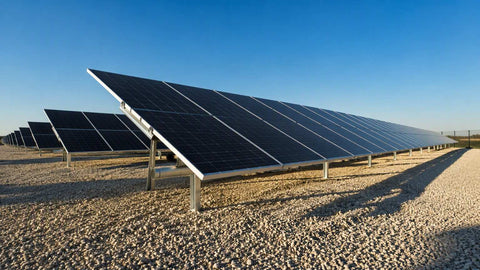
The TriStar MPPT comes in 30A, 45A, and 60A output versions at 150V max input (12–48V battery), plus the distinctive TriStar MPPT 600V — a 60A controller that accepts up to 600V input on 24, 48, or 60V battery banks. The 600V model solves a problem nothing else in the class addresses: long wire runs from remote arrays. With 600V input tolerance, you can series-string a ground-mount array hundreds of feet from the power building and keep homerun current — and therefore wire gauge and voltage drop — trivial. On a pump station or mountaintop repeater site, that capability replaces a trench full of 2/0 copper with a run of 10 AWG.
ProStar MPPT — The Mid-Range
ProStar MPPT Controllers
The ProStar MPPT 40 covers 40A at 120V input on 12/24V banks, with Morningstar's self-diagnostics and conformal-coated boards. It's the value play for mid-size residential off-grid and backup systems where the TriStar's headroom isn't needed. The ProStar line has been continuously manufactured and refined for decades — the design maturity shows.
SunSaver — The Compact Workhorses
SunSaver MPPT Controller
SunSaver Duo
SunSaver MPPT (SS-MPPT-15L: 15A, 75V input, 12/24V) and SunSaver PWM (SS-20L-24: 20A, 12/24V auto-select with low-voltage disconnect) are potted, sealed units for small off-grid, RV, marine, and remote-instrument duty. The epoxy encapsulation means no vents, no fans, and no corrosion path — these are the controllers we spec for livestock watering pumps, gate operators, and anywhere the environment eats ventilated electronics.
TriStar MPPT Controllers
| Model | Max Current | Max Voc | Battery Voltages | Max Solar Input |
|---|---|---|---|---|
| TriStar MPPT 600V | 60A | 600V | 24, 48, 60V | 3,200Wp |
| TriStar MPPT | 30A, 45A, or 60A | 150V | 12–48V | Up to 3,200Wp |
| Model | Category | Key Specs | Application |
|---|---|---|---|
| TriStar MPPT 60 (TS-MPPT-60) | MPPT charge controller | 60A, 150Voc, 12–48V battery, TrakStar MPPT | Residential/commercial off-grid and battery-based systems |
| TriStar MPPT 600V (TS-MPPT-60-600V) | High-voltage MPPT controller | 60A, 600Voc, 24/48/60V battery, 4-stage charging | Long wire runs, large arrays, industrial applications |
| ProStar MPPT 40 (PS-MPPT-40) | MPPT charge controller | 40A, 120Voc, 12/24V battery, self-diagnostics | Mid-range residential off-grid systems |
| SunSaver MPPT 15L (SS-MPPT-15L) | Compact MPPT controller | 15A, 75Voc, 12/24V battery, potted enclosure | Small off-grid, RV, remote applications |
| SunSaver PWM (SS-20L-24) | PWM charge controller | 20A, 12/24V auto-select, LVD, epoxy encapsulated | Small off-grid, telecommunications, remote sites |
Technical Comparison: Morningstar vs. Competitors
The Morningstar lineup spans both PWM and MPPT topologies, and the choice is arithmetic. PWM controllers pass array current at battery voltage; MPPT controllers convert excess array voltage into additional charging current. The harvest difference runs 15–30% in cool climates with high-Voc arrays, near zero when array Vmp barely exceeds battery voltage. Here's the worked comparison we run for customers deciding between a SunSaver PWM and a SunSaver MPPT on a small system.
| Scenario | PWM Result | MPPT Result | Verdict |
|---|---|---|---|
| 200W "12V" panel (Vmp ~18V), 12V bank, hot climate | ~11A into 13V ≈ 143W harvest | ~12.3A into 13V ≈ 160W | Marginal — PWM acceptable, saves ~$60 |
| 2 × 200W series (Vmp ~36V), 12V bank, cool climate | ~11A into 13V ≈ 143W (half the array wasted) | ~24A into 13V ≈ 312W | MPPT mandatory — PWM throws away half the array |
| 400W residential panel (Vmp ~31V), 12V bank | Severe clipping; panel current-limited | Full conversion, ~28A charging | MPPT only — high-Voc panels cannot run PWM on 12V |
| 600V string, 1,000-ft run to 48V bank (TriStar 600V) | n/a | 60A at 48V from a 10 AWG homerun | Only option in class; wire savings > controller premium |
The rule that survives every counter conversation: if your array voltage materially exceeds your battery voltage — any modern residential panel on a 12V or 24V bank — PWM wastes the difference as heat you never harvested. MPPT converts it. On systems above ~300W, MPPT pays for itself in recovered harvest within the first year. The full decision tree lives in our MPPT vs PWM guide and 2026 sizing guide.
Controller output sizing follows the same NEC 690.8 logic as any charge controller: rated output current × 125% for the output circuit, and string Voc verified at record-low temperature per NEC 690.7 — see the NEC wire sizing guide for the ampacity tables.
| Feature | Morningstar (TriStar MPPT 60) | MidNite (Classic 150) | OutBack (FM80) |
|---|---|---|---|
| Max output current | 60A | 96A | 80A |
| Max input voltage | 150V (600V on 600V model) | 150V (HyperVOC) | 150V |
| Battery voltages | 12–48V (up to 60V) | 12–72V | 12–60V |
| Peak efficiency | 99% | ~97% | 97.5% (FM80) / 98.1% (FM60) |
| Built-in AFCI | No | Yes | No |
| Wind/hydro support | No | Yes | No |
| Data logging | 200 days | 380 days | 128 days |
| Field reliability record | 30+ years, lowest failure rate | ~15 years, excellent | 20+ years, excellent |
| Monitoring | MSView (free) | My MidNite (free) | OPTICS RE (paid) |
| Warranty | 5 years | 5 years (extendable) | 5 years (10-year optional) |
Where each brand wins: Morningstar takes reliability, efficiency, and the unique 600V input class; MidNite takes features-per-dollar, safety integration, and monitoring; OutBack takes ecosystem integration with its inverter line. Our counter logic is simple: remote or unattended system → Morningstar. Feature-hungry residential off-grid build → MidNite. Full pre-wired OutBack stack → FM80 comes with it. For Victron's angle on this segment, see Victron vs Morningstar 2026 and Victron vs OutBack.
Morningstar's communications are built for engineers: Modbus RTU over RS-485 and Ethernet (on equipped models), MeterBus for Morningstar's own meters and displays, and MSView software for configuration and logging, free. There's no mandatory cloud, no subscription, and no app required to see your data — a deliberate design choice that industrial customers with SCADA systems genuinely need and security-conscious sites require. TriStar models log 200 days of operating history locally.
For homeowners, this reads as spartan next to a Victron VRM dashboard. For a water district with forty pump stations on a SCADA network, Modbus is the entire point. Know which customer you are.
What our installers do on every Morningstar job
- Set the battery type with the DIP switches or MSView before first charge. The default profile is a generic flooded setting; AGM and LFP banks need their specific setpoints, and the TriStar's custom-setpoint capability should be programmed to the battery manufacturer's sheet, not guessed.
- Respect the potted-unit mounting orientation. SunSaver units mount vertically on a wall or DIN rail; they shed what little heat they make through the case, and flat-mounting under a deck in full sun shortens life.
- Use the LVD on SunSaver PWM units. The low-voltage disconnect is the difference between a battery that survives a cloudy week and one that's sulfated into a paperweight. Wire the loads through it, not around it.
- On the TriStar 600V, treat the input like the high-voltage DC it is. 600VDC strings require proper disconnects, touch-safe terminations, and the same respect as any commercial DC feeder — this is not a homeowner-scale input circuit.
- Label the RS-485 runs. Modbus networks get extended later; documented addressing and labeled cable save the next tech a day.
After years of speccing this line, our selection tree is mechanical. Telecom, telemetry, SCADA, unattended sites: TriStar MPPT, sized conservatively, with Modbus integration into the site controller — this is Morningstar's home turf and nothing else touches it. Remote array with a long homerun: TriStar MPPT 600V, full stop; the wire savings alone justify the controller on runs past a couple hundred feet. Residential off-grid under 3 kW of array: ProStar MPPT 40 on 12/24V banks, TriStar 30/45 on larger ones. RV, marine, gates, pumps, single-panel systems: SunSaver — MPPT if array voltage materially exceeds battery voltage, PWM if it doesn't. And anything where the service visit costs more than the hardware: Morningstar over everything, every time. That last rule is how the brand earned its counter position here in the first place.
Morningstar's standard warranty is 5 years across the line, backed by a support organization that still answers technical email with engineering detail. The bigger story is design life: these controllers are built for 15–20+ year service in unattended installations, and the company's four-million-unit installed base includes telecom deployments that run for decades without a site visit. Our own return history on the brand is close to zero — across hundreds of units, we can count warranty events on one hand, and most traced to lightning or installer wiring errors rather than component failure. For systems where reliability is the specification, that record is the entire argument.
The reliability record makes the failure modes stand out, because they're almost never the controller. The repeat offenders: charge setpoints left on generic flooded defaults against AGM or LFP banks; SunSaver LVD terminals bypassed because the installer didn't understand the load path, followed by a sulfated battery bank six months later; 600V TriStar inputs terminated without proper high-voltage DC disconnects because the crew treated it like a 150V job; and RS-485 runs daisy-chained without termination resistors, producing ghost comm faults that get blamed on the controller. Read the manual, set the DIP switches or MSView profile to the actual battery chemistry, wire the LVD as designed, and these units simply run.
The reliability record makes the failure modes stand out, because they're almost never the controller. The repeat offenders: charge setpoints left on generic flooded defaults against AGM or LFP banks; SunSaver LVD terminals bypassed because the installer didn't understand the load path, followed by a sulfated battery bank six months later; 600V TriStar inputs terminated without proper high-voltage DC disconnects because the crew treated it like a 150V job; and RS-485 runs daisy-chained without termination resistors, producing ghost comm faults that get blamed on the controller. Read the manual, set the DIP switches or MSView profile to the actual battery chemistry, wire the LVD as designed, and these units simply run. The brand's whole reputation is built on what happens when installers follow the book.
It also bears repeating which jobs Morningstar is not for. If the customer wants a phone app with animated power flow and push notifications, spec Victron and don't look back. If the build needs 80-plus amps from a single controller, the MidNite Classic 150 is the answer. And if the system is a grid-tied hybrid with whole-home backup, Morningstar doesn't play in that sandbox at all — the brand is battery-charging infrastructure, not hybrid inversion. Knowing the boundary is part of speccing the brand correctly, and it's why the controllers that do get installed tend to stay installed for decades: they were chosen for the job they're actually good at.
A final note on procurement: because Morningstar sells heavily into industrial channels, consumer-market stockists occasionally carry older revisions at clearance prices. The firmware and accessory differences across revisions are minor but real — we stock current revisions and register serials at sale, which keeps warranty and support clean for the life of the unit.
A final field story that explains the brand's hold on industrial buyers. One of our repeat customers maintains telemetry sites across three states — small PV arrays, sealed batteries, a SunSaver or ProStar at each location, and a service visit that costs $400 in truck time before anyone opens the enclosure. They standardized on Morningstar after a winter in which two cheaper controllers died in the same month and the site downtime cost more than a pallet of SunSavers. In the five years since, their controller-related truck rolls are effectively zero. That arithmetic — hardware price versus service-visit price — is the entire industrial value proposition, and it's the same arithmetic we walk residential off-grid customers through when they balk at paying 30% more than the cheapest controller on the internet. The cheapest controller is the one you never drive out to replace.
What is the TriStar MPPT 600V for?
Long wire runs. With 600V input tolerance, a remote ground-mount array can series-string to high voltage, keeping homerun current low over hundreds of feet — 10 AWG instead of heavy copper. It's built for pump stations, telecom sites, and any off-grid system where the array can't sit next to the batteries. Nothing else in the 60A controller class accepts 600V input.
1. Why do Morningstar controllers cost more than competing brands?
Is Morningstar really more reliable than other brands?
Morningstar publishes field-failure data across an installed base of more than four million units, much of it in unattended telecom and industrial service, and claims the industry's lowest failure rate. Our own channel experience agrees: warranty returns on Morningstar controllers are rare enough to be memorable. The trade-off is fewer consumer features and a more engineering-oriented monitoring approach.
Morningstar TriStar or MidNite Classic for an off-grid home?
The Classic 150 offers more output current (96A vs 60A), built-in AFCI and DC ground-fault protection, free cloud monitoring, and wind/hydro modes. The TriStar counters with higher peak efficiency (99%), Morningstar's reliability record, and the 600V-input option for remote arrays. For a feature-rich residential build we lean MidNite; for unattended or remote systems we lean Morningstar.
When is a PWM SunSaver the right choice?
Small systems where array Vmp closely matches battery voltage: a single "12V" panel (Vmp ~18V) on a 12V bank in a warm climate harvests nearly as much through PWM as MPPT, and the SunSaver PWM's sealed, potted construction with low-voltage disconnect is genuinely fit-for-purpose on gates, pumps, and telemetry. The moment array voltage materially exceeds battery voltage, MPPT is worth the premium.
3. Are Morningstar controllers compatible with lithium batteries?
Can Morningstar controllers charge lithium batteries?
Yes. TriStar and ProStar MPPT controllers support custom charge setpoints programmable via MSView or DIP-switch selections, which accommodates LFP charge profiles from major battery manufacturers. Set absorb and float to the battery maker's specification and disable equalization.
Does Morningstar require a cloud subscription for monitoring?
No. MSView software is free, controllers log up to 200 days of history locally, and communications run over Modbus RTU/TCP, Ethernet (equipped models), and MeterBus. There is no mandatory cloud layer at all, which is exactly why industrial and security-sensitive sites standardize on the brand.
- Morningstar Corporation published specifications: TriStar MPPT 30/45/60, TriStar MPPT 600V, ProStar MPPT, SunSaver MPPT/PWM (2025–2026)
- Morningstar published field-reliability and return-rate documentation
- NEC 2023 Articles 690.7 (maximum voltage), 690.8 (circuit sizing); UL 1741 (charge controllers)
- PES Supply internal remote-system designs and installer field reports, 2020–2026
Shop Morningstar at PES Supply
TriStar, ProStar, and SunSaver controllers in stock — with sizing help from people who've run the PWM-vs-MPPT math a thousand times.
Browse Morningstar Controllers